
Focusing on all the wrong things when it comes to food
How to ignore the noise and find a sustainable and healthy practice with food
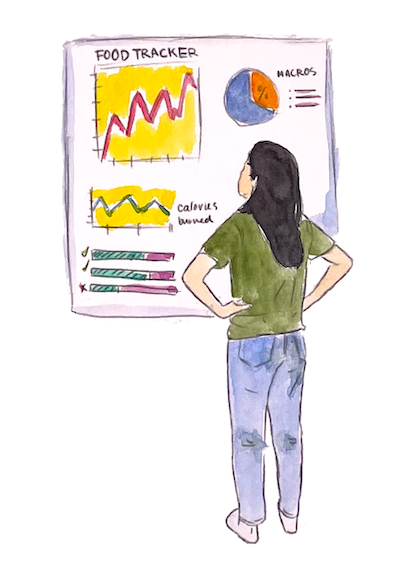
Our health is a tricky subject. It’s deeply personal, but often outwardly visible. It influences every aspect of our life — our work, our family, our social life, our interests, and our happiness. It’s natural to spend a lot of our time thinking about it.
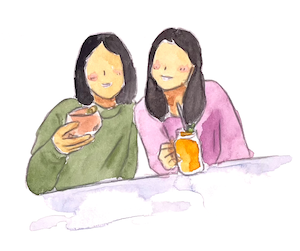
When something is so integral to our quality of life, there is a human tendency to want to optimize it. We try to do this with a lot of things in our life– like our finances, our education, our time– as we often want to do the most with the least. What is not optimized is often packaged as wasteful: could you be living a better life?
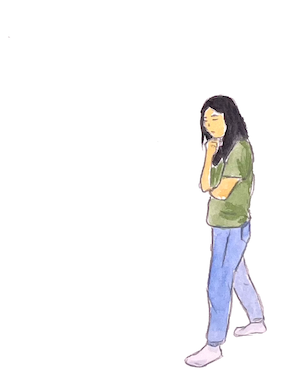
While optimizing our health seems like a reasonable endeavor, this lens often leads to misguided priorities when it comes to food.
Things I no longer focus on when it comes to food
- Counting calories
- Counting macros
- Eliminating certain types of food
- Trying to time my eating to certain hours.
- Eating lots of a certain kind of “superfood”
- Eating too little
When we focus on these things, we may be more optimized for weight loss/muscle building/body toning/etc., but we have to pause and think to ourselves: is this the better life?
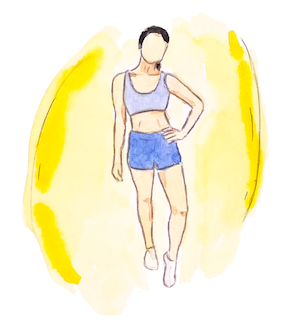
A focus on the wrong things when it comes to healthy eating can often leave us feeling disconnected from food and the joy of eating mindfully. We become stressed by the presence of food, and often feel a loss of control over our bodies and consequently, our lives.
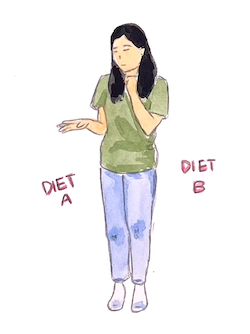
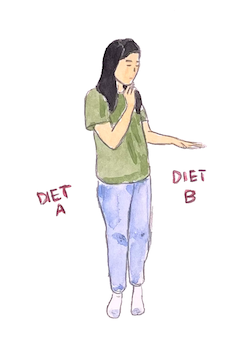
But our health does not need to stress us. When we think about a career to pursue, we think beyond the salary behind the job– we think about work-life balance, our values, what’s important to us, and what we’re willing to compromise on. Our job is never 24/7 fun, but there are jobs that are better for us than others. We don’t just think in numbers and science, but the elements that make us people.
We should afford our health the same consideration.
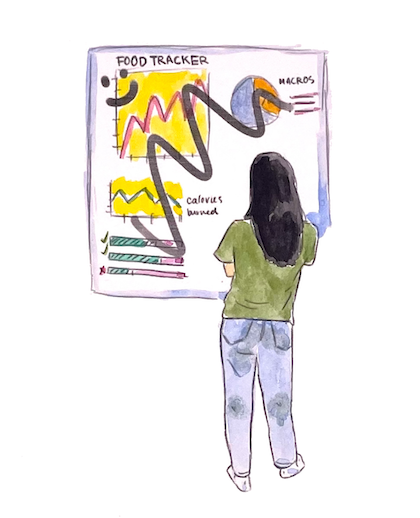
We should spend some time understanding the kind of lifestyle that helps us live out our best life– not just pursuing certain health habits to optimize fat burning/muscle building/boosting metabolism/etc. but the role our health habits will play in our life.
Things I now focus on when it comes to food
- What are my values, and what kind of role does food play in living out those values?
- How do I want to feel around food?
- How do I want to feel after eating?
- Who do I want to eat with?
- What do I want to eat, and where do I want to eat it?
- How much time do I want to spend thinking about food?
Think about what your relationship with food may look like in an ideal life. Work backwards from where you want to be, from where you are now, and try to map out what your next step might be.
If family is part of your values, perhaps you’ll try organizing family dinners at home rather than going to the gym and eating by yourself at a later time. If you want to feel satisfied after eating, perhaps you’ll decide that you won’t focus so much on calories but more on satiation.
No need to go for optimization, but just a nudge closer to the kind of life you want to lead.
Learn to be healthier, inspired by life in Japan:
I teach about health inspired by simple Japanese philosophies and lifestyle practices, so you can learn to find peace, fulfillment, strength, and health in your own body. Stay in the loop and get access to free resources: Sign up here!


