
Focus on Your Strengths, Not Weaknesses
We have both, your choice!

Strengths Heal Us
I have practiced as a therapist in some form or another for all of my adult life. Throughout my career, I have observed the importance of the individual, self-detection of flaws. Good! As the great Socrates stated long ago, “know thyself,” a necessary search for gaping holes that require attention. Once discovered, some are more difficult to treat than others. What helps? After shoring up these vulnerabilities, we need not only focus on our strengths but continue exploring and fortifying them. Sounds like a reasonable plan, right? Unfortunately, many in society, including those in my profession, do not always see it this way.
During the seventies, diagnoses of anxiety, depression, ADD, and all other labels were a rarity for better or worse. A lack of comprehension regarding certain behaviors may have been a disservice to many. For whatever reason, some individuals were resilient, and against all odds, drew upon their strengths and tenacity to live a stable and balanced life. Others, not so fortunate. We could argue about this issue for hours. What ingredients contributed to those rising above the most demanding situations? Again, not an easy answer.
One Extreme To The Other
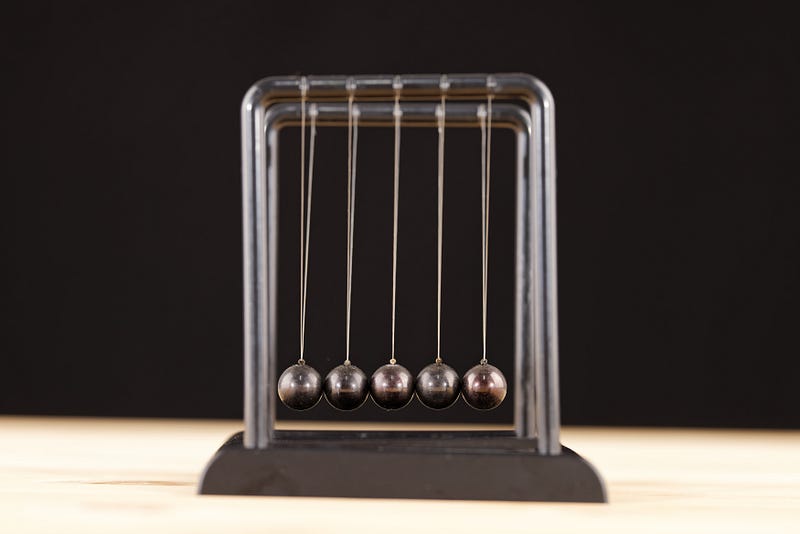
These days, the pendulum has swung to the opposite end. We seem to have a diagnosis for anything that veers from the so-called norm. Sadly, some people prefer to be labeled because it enables them to be eligible for specific accommodations. I get it. Life during these hyper-competitive times seems to accelerate everything.
In the past, if you fell behind, you were often left behind. Now, because of the focus on pathology, services abound, enabling people a “gimme” to keep abreast of their peers. Even with all of these extras, however, some never reach their potential. How come?
Being in the people business, my opinion on this matter differs from some of my peers. In our zeal for fairness, we lose sight of people’s strengths. We are so busy repairing the flaws that we feed into a disturbing but increasing phenomenon of low expectations. To me, that is one of the great disservices we do to children and adults alike.

Grit
Many people suffer varying degrees of anxiety, depression, ADD, OCD, Bipolar, etc. Thankfully, medication, psychotherapy, and external programs are mainstream, availing for all in need. Again, these are lifesavers, but what happens when people stop examining their strengths? What if they forget about the natural resiliency and grit that is there for the taking. Too hard? Probably, but in the long run, far more rewarding in helping oneself than relying on medication or therapy alone. The latter two are there to augment but not replace one’s toolbox.
So many people want the quick fix. Of course, who wants to be in discomfort? Along the way, however, many professionals acquiesce, not pushing the patient/client to use their gifts. We enable old destructive habits to ensue rather than encourage capable people to replace them with constructive behavior. Again, the message of low expectations may cause more long-term damage than the presenting problem itself. Using a diagnosis to excuse participation in society is an injustice to the individual and their world at large. The unleashed potential submerged in their being may never come to light. How unfortunate for them and, perhaps, greater society?

Not Succumbing To Low Expectations
Many years ago, I saw a woman whose son showed signs of Asperger’s. She worked with him by having him look at someone’s face when talking. She knew that he would have a chance if he developed skills at an early age.
Watching the movie, Think and Grow Rich, based on the book by Napoleon Hill, we observe the folly that could have occurred to the great Thomas Edison if his mother agreed with his school’s findings.
How about Angela Duckworth, who wrote the book Grit? Reportedly, the message to her was she would never amount to anything. Look what happened instead?
What about those rather unusual inventors such as Steve Jobs and Bill Gates? Would their genius and creativity have been diminished by viewing them as too different and requiring services? Thankfully, we will never know.
I sit with highly successful people enduring major mental health episodes at points in their lives but refusing to fall prey to a victim mentality. I often forget they carry this burden. When a conversation arises around this issue, we discuss their pursuit of excellence due to tenacity and resilience. They know I applaud them for making their circumstances a piece of their identity, not all of it.

Unique Strengths and Gifts
As a strength-based therapist, I believe in examining the possibilities without being a Pollyanna. My clients recognize I cannot want more than they want for themselves. Every time, however, I acquire a glimpse of their unique gifts and strengths, I point them out. They come to terms with their flaws as all of us must do, compensating for them as best as to our abilities. What better way than reinforcing our strengths? Treat the wounds, wrap them in gauze, then use that sculpted muscle, focus on the attainability, aim for the gold, and watch what happens.


