
Focus On What You CAN Control
Lessons From Epictetus
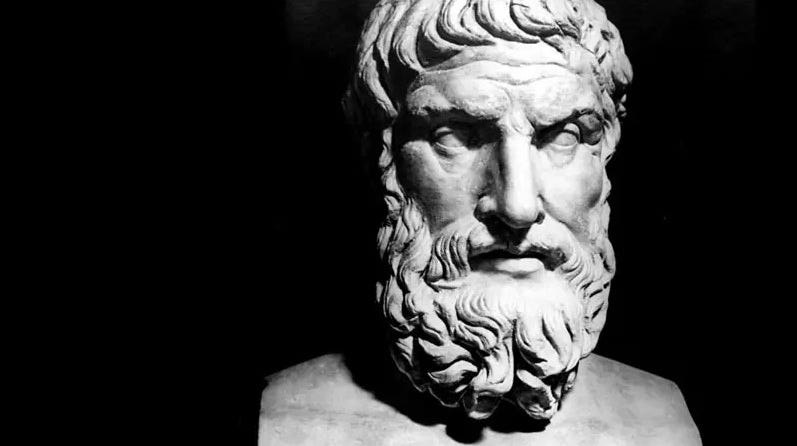
Discourses is a collection of informal lectures, delivered by Epictetus himself, which have been written down by one of his students all the way back in 108AD. The book teaches about the importance of distinguishing what is in our control and what isn’t in our control, along with accepting natures course of action and the challenges it brings us. I’d say it’s one of the most influential books I have ever had the pleasure of reading.
Everyone needs to have some sense of control over their lives. It’s a natural human desire. Having control gives us feelings of stability, safety and order. But if we don’t distinguish what is and isn’t in our control, we cause ourselves endless amounts of suffering, whether you know it or not.
Judgement and Control
From reading Discourses it’s made me understand we are all responsible for our own fortunes or misfortunes; our own happiness or anger; our good or our bad. It isn’t the ‘things’ themselves which upsets us, but our judgements about those ‘things’.
For example, someone cuts in front of you when you’re driving or someone says something which is totally contrary to your beliefs. This may make you feel angry, offended, upset and/or frustrated — it might even ruin your day. If we get emotional at other peoples actions or situations which you can’t control, we’re just as ill minded as they are. It’s vital to remember: we can’t control other people’s actions, but we can control our own.
Epictetus says: “Remember, it is not enough to be hit or insulted to be harmed, you must believe that you are being harmed. If someone succeeds in provoking you, you realize that your mind is complicit in the provocation.” In essence, by altering your attitude and perspective towards something more optimistic e.g. believing a person’s verbal insult can’t actually hurt you, it’s easier to suppress any form of ill feelings.
There’s another quote from Epictetus where he says ‘When I see someone in a state of anxiety, I say, ‘What is it that he wants?’ For unless he wanted something that was not within his power, how could he still be anxious?’ In other words, our bad feelings come from wanting something what we don’t have any control over. If you genuinely can’t control something, why should you get upset and deterred over it?
Easier Said Than Done
Yes, it all sounds easy, but it’s not. Epictetus says ‘Nothing important comes into being overnight; even grapes and figs need time to ripen. If you say that you want a fig now, I will tell you to be patient. First, you must allow the tree to flower, then put forth fruit; then you have to wait until the fruit is ripe. So if the fruit of a fig tree is not brought to maturity instantly or in an hour, how do you expect the human mind to come to fruition, so quickly and easily?’. To be the master of your own emotions and judgements, it takes a huge amount of discipline, time and practice.
In a way, we are our own worst enemies. Maybe if we focused more at looking inwards at the things we can control (our emotions and judgements), rather than outwards (which we can’t control i.e. peoples actions etc.), we might make life easier for ourselves. Wise words from so long ago, yet still applicable and you could say they are more needed now than ever.