
Fixed Mindset vs. Growth Mindset: A Comprehensive Guide
I have experienced the difference between a fixed mindset and a growth mindset firsthand. When I first started writing, I had a fixed mindset about my abilities. I believed that I was either a good writer or not a good writer, and that there was nothing I could do to change that. This mindset limited my potential and made it difficult for me to improve my writing skills.
For example, when I was first asked to write a blog post on a complex topic, I was terrified. I thought that I didn’t have the knowledge or skills to write a good post. However, I challenged my fixed mindset and decided to give it a try. I did a lot of research and spent hours editing my work. In the end, I wrote a post that I was proud of, and I received positive feedback from my readers.
This experience taught me that I am capable of writing about complex topics, even if it is challenging. It also taught me that it’s important to have a growth mindset. With a growth mindset, I believe that I can improve my writing skills with effort and practice.
History of a Fixed Mindset and Growth Mindset
Carol Dweck, a Stanford University psychologist, popularized the terms “fixed mindset” and “growth mindset” in her 2006 book, Mindset: The New Psychology of Success.
A fixed mindset is the belief that your intelligence, talents, and abilities are fixed traits that cannot be changed.
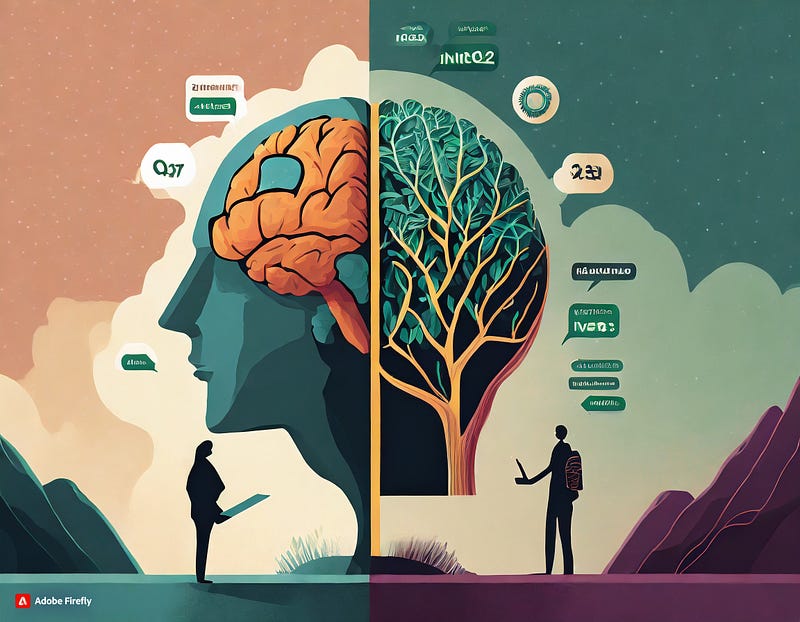
“People with a fixed mindset believe that their intelligence and talents are fixed traits. They believe that they are either smart or not smart, athletic or not athletic, musical or not musical. They see failure as a reflection of their worth and avoid challenges for fear of failing.” — Carol Dweck
A growth mindset is the belief that your intelligence, talents, and abilities can be developed through effort and learning. People with a growth mindset believe that they can improve at anything they set their minds to. They see failure as an opportunity to learn and grow.
Fixed Mindset Characteristics
People with a fixed mindset tend to:
- Believe that their intelligence, talents, and abilities are fixed traits.
- Avoid challenges for fear of failing.
- Give up easily when faced with difficulty.
- See failure as a reflection of their worth.
- Be jealous of the success of others.
- View criticism as a personal attack.
- Make excuses for their mistakes.
Growth Mindset Characteristics
People with a growth mindset tend to:
- Believe that their intelligence, talents, and abilities can be developed through effort and learning.
- Embrace challenges as opportunities to learn and grow.
- Persist in the face of difficulty.
- See failure as a learning experience.
- Be inspired by the success of others.
- View criticism as a chance to improve.
- Take responsibility for their mistakes and learn from them.
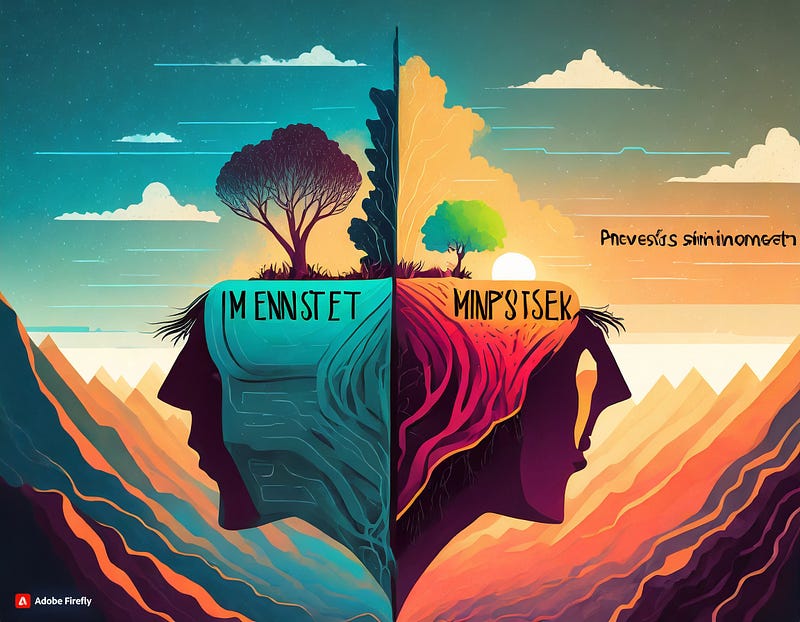
“People with a growth mindset believe that their intelligence and talents can be developed through effort and learning. They believe that they can improve at anything they set their minds to. They see failure as an opportunity to learn and grow.” — Carol Dweck
The Impact of Mindset on Success
Research has shown that a growth mindset is associated with a number of positive outcomes, including:
- Higher academic achievement
- Greater success in the workplace
- Better physical and mental health
- Stronger relationships
How to Develop a Growth Mindset
Anyone can develop a growth mindset. Here are a few tips:
- Challenge your negative thoughts. When you catch yourself thinking that you’re not good enough or that you can’t succeed, challenge those thoughts. Ask yourself if there is any evidence to support your beliefs. If not, try to replace them with more positive thoughts.
- Embrace challenges. When you face a challenge, see it as an opportunity to learn and grow. Don’t be afraid to fail. Remember, failure is a natural part of the learning process.
- Learn from your mistakes. When you make a mistake, don’t beat yourself up. Instead, take responsibility for your mistake and learn from it. What can you do differently next time?
- Celebrate your successes. When you achieve something, take the time to celebrate your success. This will help you to reinforce your belief in your ability to succeed.
Best book About Mindset
Here are some of the best books about fixed mindset and growth mindset:
- Mindset: The New Psychology of Success by Carol Dweck: This book is considered to be the seminal work on fixed and growth mindsets. Dweck explains how our mindset can have a profound impact on our success in all areas of life, from school to work to relationships.
- Brainology by Richard Davidson: This book provides a scientific look at the brain and how it learns. Davidson explains how our mindset can influence our brain plasticity and our ability to learn and grow.
- The Growth Mindset Coach by Carol Dweck: This book is a practical guide to developing a growth mindset in yourself and others. Dweck provides concrete strategies for challenging negative thoughts, embracing challenges, and learning from mistakes.
- Mindset for Parents by Carol Dweck: This book is a guide for parents on how to help their children develop a growth mindset. Dweck provides practical advice on how to praise children’s effort and perseverance, rather than their intelligence, and how to help them learn from their mistakes.
- The Power of Mindset by Mel Robbins: This book is a motivational guide to developing a growth mindset. Robbins provides inspiring stories and practical advice on how to overcome setbacks, achieve your goals, and live a happy and fulfilling life.
Growth Mindset in Action
Here are a few examples of how people with a growth mindset have achieved success:
- J.K. Rowling was rejected by 12 different publishers before her first Harry Potter book was finally accepted. She didn’t give up on her dream, and she eventually became one of the most successful authors of all time.
- Michael Jordan was cut from his high school basketball team. He didn’t let this setback discourage him. He worked hard and eventually became one of the greatest basketball players of all time.
- Albert Einstein didn’t speak until he was four years old and didn’t read until he was seven years old. He was also expelled from high school. He didn’t let his early struggles prevent him from becoming one of the most brilliant scientists of all time.
These are just a few examples of how people with a growth mindset have achieved great things. If you want to succeed in life, it’s important to develop a growth mindset. Believe in yourself and your ability to learn and grow. Don’t be afraid to fail. Embrace challenges and see them as opportunities to learn. With hard work and dedication, you can achieve anything you set your mind to.
Here are some examples of how to use growth mindset language in everyday life:
- Instead of saying, “I’m not good at math,” say, “I’m still learning math.”
- Instead of saying, “I’m not a good athlete,” say, “I’m working on improving my athletic skills.”
- Instead of saying, “I’m not a good musician,” say, “I’m practicing to become a better musician.”
- Instead of saying, “I’m not smart enough to do this,” say, “This is challenging, but I can learn to do it.”
- Instead of saying, “I’m not creative,” say, “I’m exploring my creative side.”
By using growth mindset language, you can start to change your mindset and your beliefs about yourself.
Conclusion
Here are some specific examples of how my mindset has changed over time:
- Fixed mindset: I’m not a good writer.
- Growth mindset: I’m not a perfect writer, but I can improve with practice.
- Fixed mindset: I can’t write about complex topics.
- Growth mindset: I can write about any topic if I do the necessary research and put in the effort.
- Fixed mindset: I’m not creative.
- Growth mindset: I can be creative if I challenge myself and experiment with new ideas.
Having a growth mindset has helped me to become a better writer. I am now more confident in my abilities and I am not afraid to take on challenging writing projects. I am also more open to feedback and I am always looking for ways to improve my writing.
If you are interested in developing a growth mindset as a writer, I encourage you to read the books that I recommended above. There are also many online resources available to help you learn more about growth mindset and how to develop it.
A growth mindset is essential for success in all areas of life. If you want to achieve your goals and reach your full potential, it’s important to develop a growth mindset. By challenging your negative thoughts, embracing challenges, learning from your mistakes, and celebrating your successes, you can cultivate a growth mindset and set yourself up for success.
……………………
I hope you enjoyed this article! If you did, please consider following me, subscribing to my newsletter, and sharing it with your friends. Your support means the world to me.


