
Five Ways to Tell if You’re an Emotional Spender
and how to stop
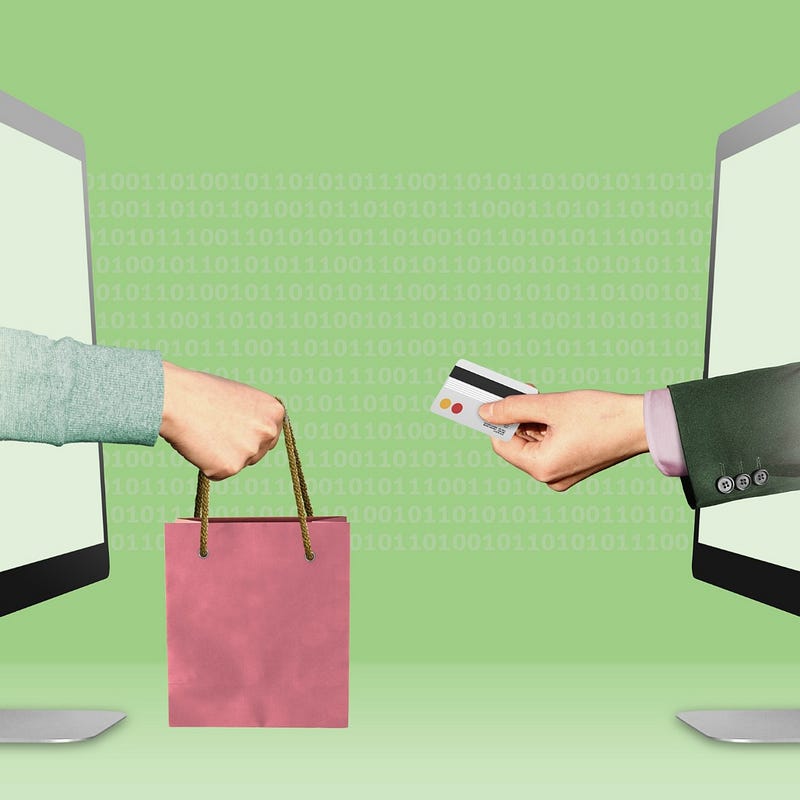
Are you an emotional spender? You might have regularly have more month than money, but the temptation to buy something outside your budget still pulls you.
We all know about emotional eating, and just like emotional eating, emotional spending is when you look for something on the outside to change the way you feel on the inside. Surveys in 2013 reported that more than 50% of people in the United States engaged in retail therapy to improve their mood. And a more recent study shows that 96% of adults and 95% of teens use shopping as “a good pick-me-up.”
You’re bombarded with adverts on TV, on your Facebook feed, just about everywhere you might look, and all these adverts are selling a feeling rather than a product. Even an advert for a toilet cleaner activates your desire to have a cleaner toilet than anyone you know.
I’m not immune to the lure of the adverts, but if I want something, I want it because I want it and not because I think it will change my emotions. I don’t believe that buying a new pair of shoes will make me happy. I’m sure that I’ll get a hit of serotonin and feel happy when I buy the shoes, and I’ll probably feel happy the first few times I wear the shoes, but I know 100% that the feeling isn’t coming from the shoes.
I had a client who had been through a relationship break up and worked in a job that she had outgrown, and when she got home from work, she would open a bottle of wine and hit the internet to do a bit of online shopping. And if she were too tired to look at her laptop, she would put QVC on TV.
She always got a hit when the parcels arrived. But, strangely, she didn’t even open most of them. She had boxes and boxes of unopened items in her second bedroom. And she didn’t feel any better.
Take a look at your spending. See if there are any signs that you’re an emotional spender. It could even be spending the money on that bar of chocolate because you think that you’re an emotional eater.
Think about when are why you make your purchases. Shine a light on why you’re spending to make yourself feel better?
Five reasons you’re an emotional spender.
Are you trying to boost your self-esteem?
Self-esteem, like confidence, is innate. It never goes away but can get hidden by hundreds of thoughts about how you look or how successful you are. You can’t spend money on self-esteem, but you can spend money trying to distract yourself away from feeling bad and then imagine the change in feeling is coming from the thing you’ve just bought.
But, let’s think about it. If you feel better as soon as you hit the ‘add to cart’ button, what has caused the good feeling? It can’t be what you’ve purchased as you haven’t even received it yet. So it must be new thoughts that caused the new feeling.
You’ve allowed yourself to have a new thought, and you could do this without spending money.
Maybe you buy new clothes to boost your self-esteem? You think that if you just had that particular pair of new trousers, your life would be different. But when they arrive, they don’t fit properly, and they’re too short, but the hassle of returning them is too much to think about, so they stay at the bottom of your wardrobe.
Are you spending because you’re upset, bored or in need of cheering up? Do you decide that new clothes are the magic wand to feeling better? Experts tell us that to get around this problem if you’re shopping live on the high street, try the clothes on and if they look good, take a photo of the item and the product label and go home.
If you’re shopping online, add the items to a wish list and close the page. Taking these actions might be enough to get that serotonin hit and could stop you from making impulse purchases that won’t change your mood for longer than it takes to have the thought and let it fade away.
Then, when you’re feeling less stressed or unhappy, you can look at the photo, check the wishlist and then, if the item is still something you want, make the purchase.
Do you think that buying a Peleton will change your life?
Purchasing an expensive piece of equipment or joining a gym might seem like a sensible idea? After all, keeping fit is important, but if the purchase is coming from a place of upset or frustration, repeat what you did with the clothes purchase. Enjoy researching the gym classes or reading the reviews of the piece of exercise equipment and put it to one side.
If you want a Peloton bike because you feel that this really will be the thing that will change your body shape and health, take a deep breath and leave the idea alone for a while. If you don’t keep reactivating the same neural pathway, you’ll have fresh thoughts and a new feeling. If the idea of a Peloton still looks like a good thing and you aren’t going to put yourself in financial jeopardy to get it, go for it.
If you’re feeling overweight and flabby, it might be a great idea to do something about it but remember that the thing you buy isn’t going to do the work for you. Many years ago, I used to buy a fitness magazine and then feel fit. Sadly, the feeling didn’t have much effect on my muscles. If you buy something because you feel bad about yourself, pay attention to the fact that you’re having upset, frustrated or fat thoughts.
Are you a Course Junkie?
If you work for yourself, it’s easy to get into an emotional thought storm about your career and think that if you buy that new course, sign up with that new coach or take that next training, you’ll feel better.
This implies that there is somewhere to get to and fosters a feeling of insecurity. If you want to broaden your knowledge or deepen your understanding, fill your boots. But do this from a place of confidence in your abilities rather than insecurity.
Are you Insecure?
And speaking of insecurity, this is often the crux of emotional spending. The fear of not having enough usually drives this, not enough self-esteem, not enough love, just not enough. But there is an irony that spending more if someone feels insecure and emotional will result in a hole in their finances that might add to the feeling of insecurity and not having enough.
Just like self-esteem, you can’t buy your way out of insecurity. If you imagine that buying something will make you feel more secure, you’re mistaking where security comes from. Are you comparing yourself to others who appear to have more? Comparisonitus is a security assassinator. Focus on what you have instead of what you think you’re lacking, and you’ll see that you don’t need to spend money to feel secure.
So instead of spending emotionally, take a look at the emotion you’re feeling? Remember that emotion can’t last longer than the thought that generated it, so think about something else and let your feeling slip away faster than money through your fingers.


