
Five Ways to Make Every Minute Count
Cherish your writing time. You don’t know how much you have left.
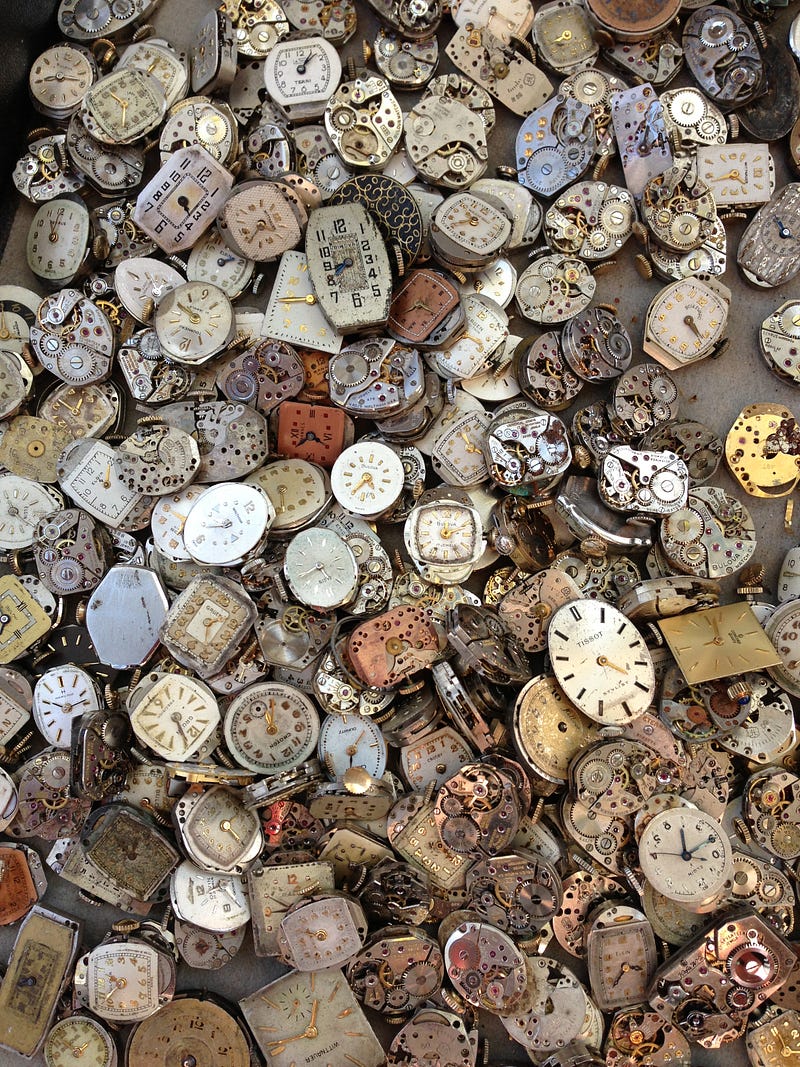
Time is the great equalizer
No person on earth has more than 24 hours in a day. No one can concoct a magic potion to conjure extra time for increased productivity. We all have the same amount of minutes in an hour. The same number of seconds in each minute.
To quote the lyrics from Rent:
“525, 600 minutes 525,000 moments so dear 525,600 minutes How do you measure, measure a year?
In daylights, in sunsets, in midnights, in cups of coffee In inches, in miles, in laughter, in strife In 525,600 minutes How do you measure a year in the life?
How do you measure the worth of a life?”
As a writer, I measure my life by how much writing I do, and — to quote the poet Henry Wadsworth Longfellow — I know that
“Art is long, and Time is fleeting”
“Time is fleeting,” for sure
I’ve made no secret about it. I’m into my sixth decade of life, and all I can think about is that I don’t have enough time left. (I need another century to accomplish half of my goals.) How do I squeeze the most out of every minute of my life so that I can write all the things inside my head? How do I get enough time to read the hundreds of books on my list?
The average lifespan of a woman in America is 81.1 years.
WOAH! That means that barring any unforeseen circumstances, I have LESS than twenty years left!
No doubt that time is of the essence.
One writer’s rules for making the most of limited time
- Forget about Writer’s Block. I can’t waste any minutes looking at a blank piece of paper. I HAVE to keep writing. Any idea I get down is something I can modify or edit later. Any amount of writing keeps me from stagnating. Any effort I put onto paper is an investment in my future. It’s only the blank page that will eat away my precious time.
- Work toward my goal EVERY day. Even if I don’t publish every day, I need to be spending my precious time working on my writing career. I might be composing a rough draft, researching facts, marketing my work, planning content, reading, or connecting with other writers, but EVERYTHING I do needs to move me forward. No minute in the day should be wasted frivolously, because, like my historical “crush,” Ben Franklin, said “Lost time is never found again.”
- Ignore the call to take frequent, unplanned time off. I don’t have extra time! If I start taking days off, I am lessening the time I have to write. I am decreasing my lifetime allotment of work hours. Days can lead to weeks, and then the break from my writing routine makes it harder to get the words flowing again. After I return, I’ve lost another day or two — on top of vacation time — getting my mojo back.
- Ban all excuses. If I wait for the perfect time to write, I’ll die waiting. If I’m expecting some outside force to help I’ll die disappointed. Everyone in life has hardships and struggles. No one’s life is immune to problems. Excuses are just that. Excuses. I need to stop making them — and write.
- Kick self-doubt to the curb. If I start listening to that “small gnawing mouse of doubt,” (thank you, Natalie Goldberg,) I diminish my talent, my training, and my determination to achieve. I can’t spend time wondering whether I’m a “real” writer, whether I’ll ever succeed, or whether my words matter. I am. I will. They do. So there!
“The key is in not spending time, but in investing it,” said Stephen Covey.
I’m investing every possible second into building my writing career. I’m not piddling away the minutes on things that don’t matter. Only an investment in my craft gives me the hope of a return in the future.
One more thing we all have in common
We all have just 24 hours in each day. And none of us knows how much of that time we have left. Twenty minutes. Twenty hours. Twenty years.
Cherish your writing time. Make it count.
If you liked this, you may also like these:


