
Five Ways Families Can Engage their Children through Play this Summer
By Afifa Chaudry and Dr. Benjamin M. Drury

So much of what happens in a school setting is intentionally created to assess the learning and ‘growth’ of a student in their designed learning environment. Children are increasingly being asked to perform their academic abilities to serve as an indicator of the performance of the adults in their building which in turn guide the funding allocation for schools across the United States. Good grades and graduation rates tend to attract increased local, State, and Federal dollars to your district. Something that is pure and authentic about being a child is being lost in the transition of the ages of 10–14 being replaced with one’s first internship experience. Playing…using your imagination…is being lost or relegated to a place of triviality in the academic universe. Young people are being raised in an educational space that centers on projects and instructions and following rules. Students today are less likely to be encouraged to ask questions during their K-12 education that might challenge the current hegemonic worldview that places the narrative of going to college, getting a job, getting married, starting a family, buying a home, and then retiring from everything 30-years-later. Playing around is an important part of our social, emotional, and academic cognitive development. Educators should be encouraged to incorporate play into their curriculum planning to create a more active learning environment.
Play is crucial for children’s learning and development as it provides a rich and dynamic environment for them to explore, experiment, and make sense of the world around them. Play involves physical activities such as running, climbing, jumping, and manipulating objects. These activities help develop children’s gross and fine motor skills, balance, coordination, and spatial awareness. Active play contributes to children’s overall physical health and well-being. Play sparks children’s imagination and creativity, allowing them to explore different scenarios, roles, and possibilities. It encourages them to think outside the box, problem-solve, and engage in imaginative play. By creating their own narratives and worlds, children develop their storytelling abilities and nurture their creative thinking skills. It is important to let children play more than study during the summer for several reasons. Play is an essential aspect of a child’s development as it helps foster physical, cognitive, social, and emotional growth. By engaging in unstructured outdoor play, children can explore, discover, and learn in a natural and enjoyable manner.
Here are five ways families can get their children outside during the summer for free:
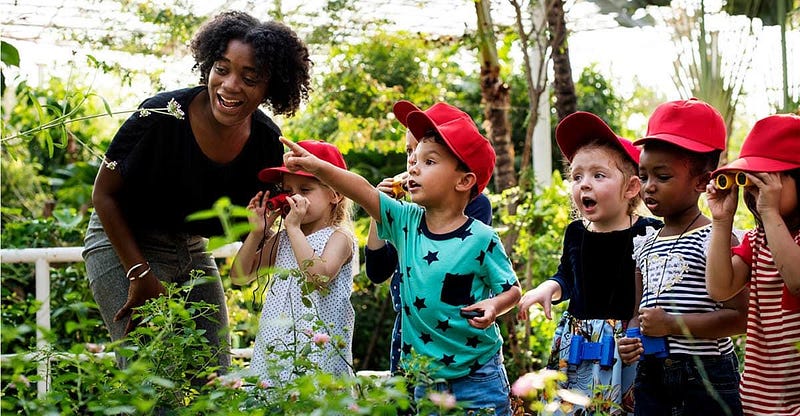
Nature walks and hikes: Take your children on nature walks or hikes in local parks, nature reserves, or nearby trails. Encourage them to observe and appreciate the beauty of nature, identify different plants and animals, and engage in conversations about the environment. This not only promotes physical activity but also enhances their understanding of the natural world. Nature walks and hikes offer a wealth of benefits for children, allowing them to engage with the natural world while promoting physical activity and enhancing their understanding of the environment. Through observing and appreciating the beauty of nature, identifying various plants and animals, and engaging in conversations about the environment, children can develop a deep connection with nature and gain invaluable insights into the world around them.
Backyard camping: Set up a camping experience in your own backyard. Pitch a tent, roll out sleeping bags, and spend a night under the stars. This activity allows children to disconnect from screens, experience the outdoors, and develop essential life skills such as problem-solving, teamwork, and independence. Backyard camping offers children a chance to disconnect from screens, embrace nature, and develop crucial life skills. As families pitch a tent and sleep under the stars, children learn problem-solving and teamwork. The absence of gadgets heightens their connection with the outdoors, stimulating creativity and curiosity. Stargazing fosters wonder and celestial understanding. Throughout the night, children build self-reliance and resilience, facing challenges and adapting to new environments. Shared storytelling strengthens family bonds, creating cherished memories. Backyard camping is a transformative experience, nurturing independence, appreciation for nature, and valuable life skills within the familiarity of one’s own home.
Community sports programs: Many communities organize free or low-cost sports programs during the summer. Encourage your children to participate in activities like soccer, basketball, swimming, or tennis. These programs promote physical fitness, teach teamwork and sportsmanship, and provide opportunities for social interaction with peers. In many communities, the summer season brings forth a range of free or low-cost sports programs, offering children a wonderful opportunity to engage in activities such as soccer, basketball, swimming, or tennis. These programs not only promote physical fitness but also instill important values of teamwork, sportsmanship, and social interaction.
Gardening and plant care: Engage your children in gardening activities, whether it’s creating a small vegetable patch, planting flowers, or caring for potted plants. Involve them in tasks like watering, weeding, and harvesting. Gardening helps children learn about the lifecycle of plants, responsibility, and patience, while also instilling a sense of accomplishment and connection with nature. Gardening provides children with an opportunity to witness firsthand the fascinating journey of a seed transforming into a flourishing plant. They learn about the importance of nurturing and caring for living organisms, understanding the significance of providing water, sunlight, and nutrients. Through these tasks, children develop a sense of responsibility as they realize the impact their actions have on the growth and well-being of plants. This responsibility extends beyond the garden and can be applied to other aspects of their lives, such as taking care of pets or completing chores.
Free community events: Check local community event calendars for free summer activities. Many communities host festivals, outdoor concerts, movie screenings, or art exhibits that are open to the public. These events provide an opportunity for children to engage with their community, explore different forms of art and entertainment and develop cultural awareness. Community festivals bring people together and create a vibrant atmosphere that children can actively participate in. They can enjoy music performances, dance shows, and interactive workshops that showcase different cultural traditions. Children can immerse themselves in the lively ambiance, engage with performers, and even join in on dance or music activities. These festivals foster a sense of belonging and community spirit while exposing children to diverse cultural expressions.
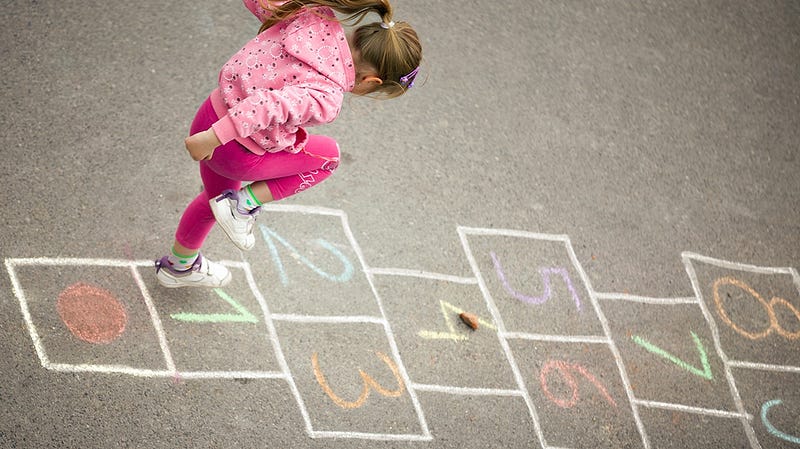
By incorporating these activities into the summer routine, families can ensure that children have ample opportunities to play, explore, and learn in the great outdoors. Allowing children to engage in unstructured play and outdoor activities not only promotes their physical and mental well-being but also fosters creativity, problem-solving skills, social interactions, and a love for nature. Incorporating outdoor play and unstructured activities into the summer routine offers children numerous benefits. It promotes physical and mental well-being, fosters creativity, problem-solving skills, social interactions, and a love for nature. Outdoor play allows children to develop their motor skills, coordination, and overall fitness. Outdoor play also is where children get the bumps and bruises that provide that serve as reminders of their exploration of the physical boundaries of their living spaces. It stimulates imagination, encourages cognitive development, and enhances problem-solving abilities. Social interactions during outdoor play teach cooperation, communication, and conflict resolution. Spending time in nature nurtures a deep appreciation for the environment and fosters a sense of environmental stewardship. Children need to cultivate this level of deep appreciation for the environment if it is going to be protected and sustained moving forward. At the present rate of environmental decline due to climate change, if there are no substantive and lasting changes made to offset harm caused to the environment, future generations have an uncertain probability of enjoying nature as we know it. By prioritizing outdoor play, families provide children with a holistic summer experience that promotes growth, learning, and a lifelong connection with nature.