
Five Quick Ways To Level Up Your Photos
The best photography advice are things you can do over and over, at nearly any shoot you’re doing. The truth about photography is that once you’re in the profession, you realize that it’s enormously repetitive. You need very fast ways to bring creativity and uniqueness to your images on a daily basis. Essentially, a bag of tricks.
As I go through some images from a few recent wedding shoots, I’m reminded of a few things I do often that are quick, easy-to-implement and have immediate effects on the quality of my shots:
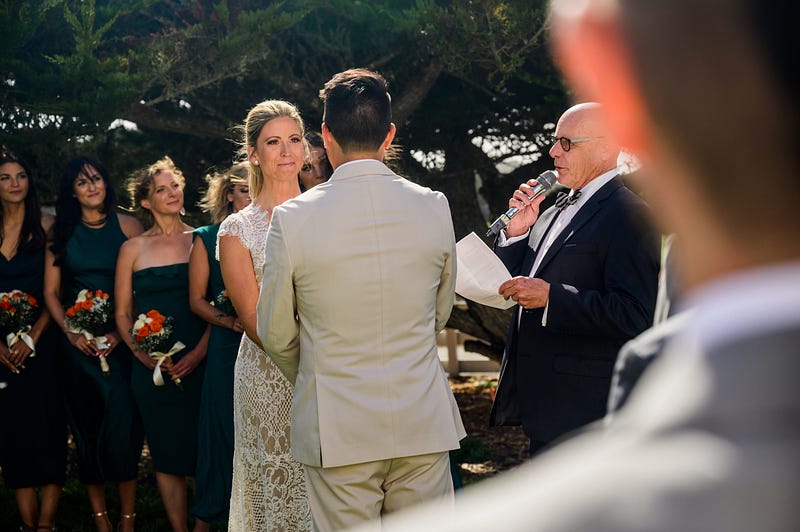
Over The Shoulder
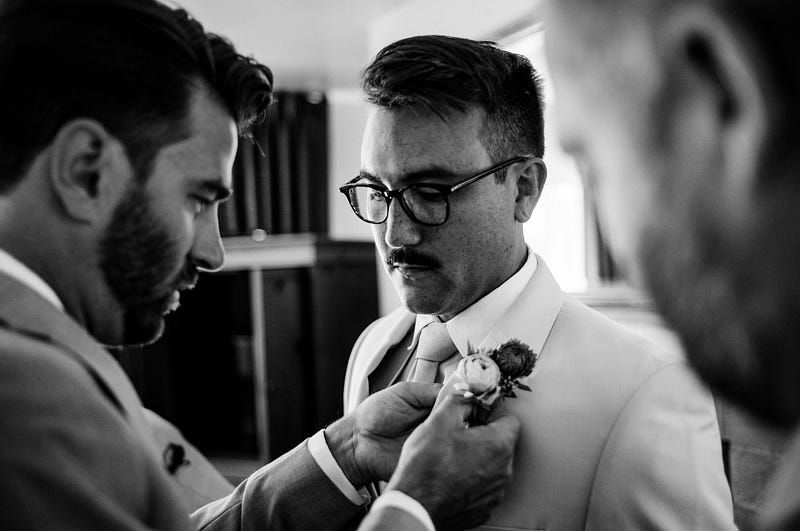
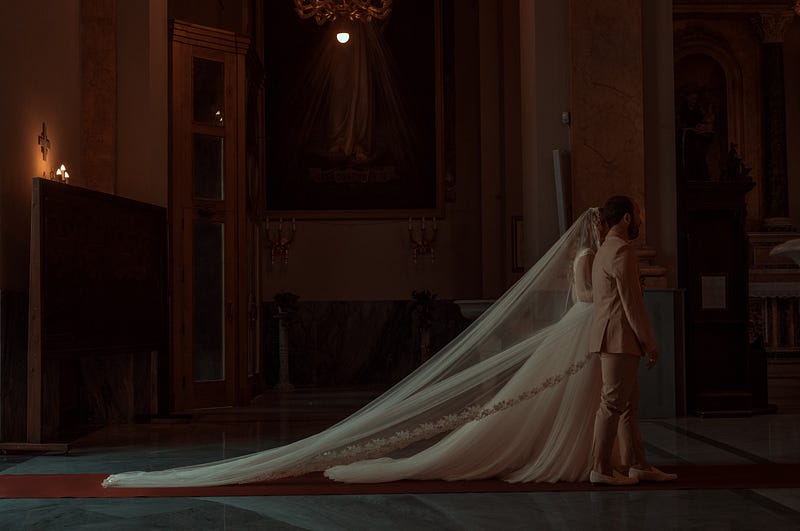
Simply put, an over-the-shoulder shot works very hard; providing isolation and intimacy while also feeling unique and cinematic. When we see a shot over the shoulder, we often subconsciously assume the role of the person in the foreground. There’s something gratifying about it. As though we are watching ourselves watching the scene. It’s a very strong and powerful technique, but so easy to do.
Reflections
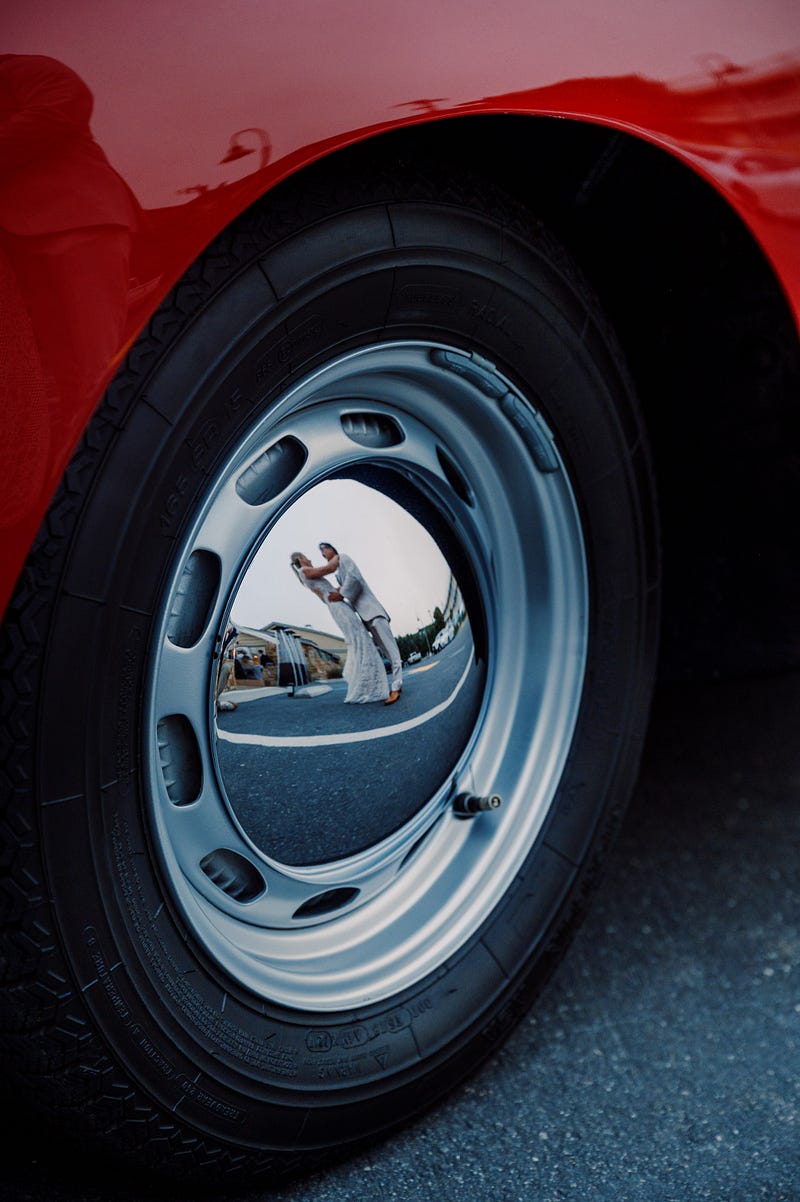
We’re so used to facing our subjects and pointing our cameras at them, we sometimes forget to find new vantage points from which to view them. Reflections are everywhere and as soon as you start to key in on them, it becomes second-nature to spot great shots in new locations.
Reflection shots also work very hard because it’s actually an image that has environment and subject. But it also signals that there’s a photographer at work. Our job is often to find the alternate view that tells the story in an elevated way. Having a reflection shot in your repertoire is an easy one to show off the skills with.
Slow Shutter + Zoom
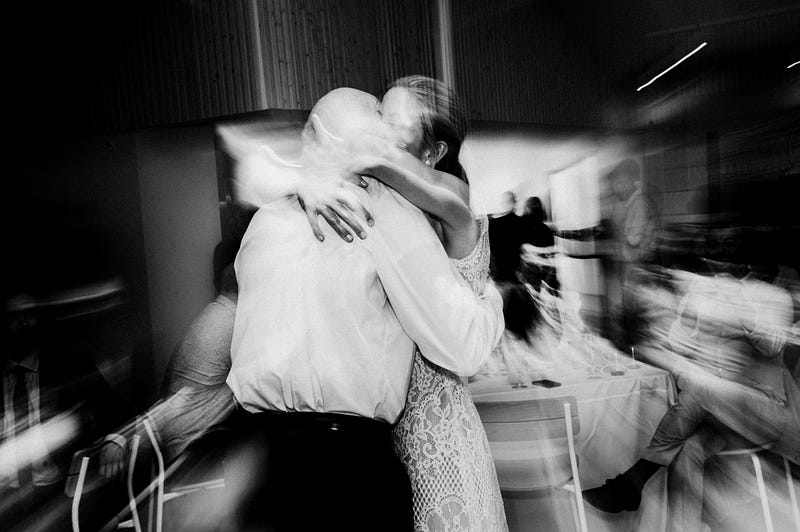
When confronted with bad light, crowded spaces and banal environments, photographers usually turn off their cameras and their minds. This is the moment when I get excited because I already know that normal settings aren’t going to get me anything interesting, so I have an excuse to do something more artistic. My go-to is a slow shutter mixed with a quick manual zoom (sometimes with a flash). If the subject is moving side to side for some reason, then I may consider a slow shutter pan instead. This is a medium-level difficulty technique that takes some quick work on the controls and necessitates a zoom lens. The basic idea is that you keep the shutter open long enough to create a zoom blur by either zooming in or out as the shutter is open. Compensation for the extra light can happen in any number of ways, with a smaller aperture, lower ISO or an ND filter. But the most effective way at it is with a front or rear curtain flash that freezes the subject but blurs everything around it. A popular look at wedding dances.
The zoom blur also works hard as a technique because it isolates and creates leading lines. It also connotes movement, which is a great explanatory texture in an image where people, animals or objects are in motion.
Ask For What You Want
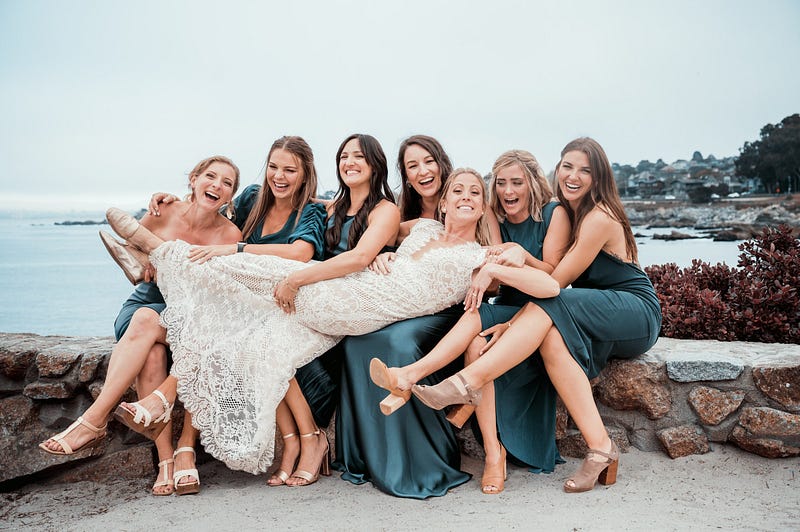
Nobody will ever remember, or care, that in this picture I actually asked the bride’s maids to pretend to be laughing hysterically. If anything, they were glad I gave them permission to ham it up for the camera. Photographers tend to underestimate their own power to create the image they want, thinking everything has to be a captured moment. First ask yourself what you want, then ask it from others.
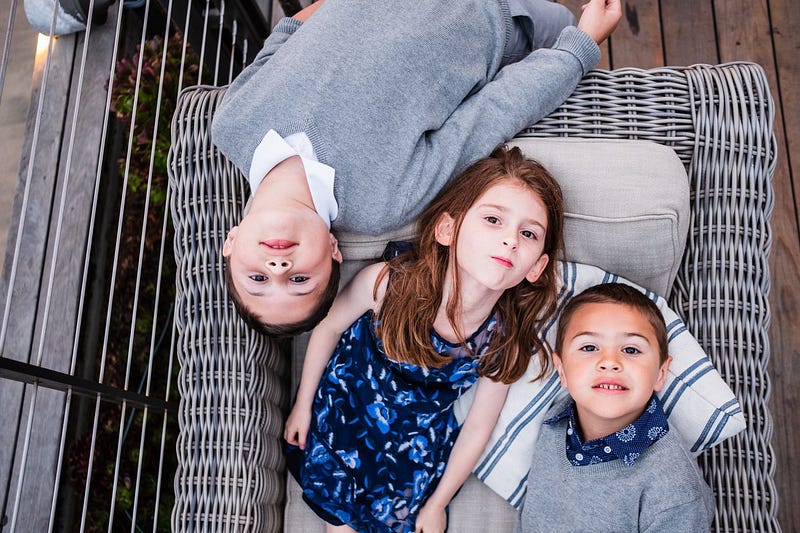
I ask people to do things quite a bit when I’m photographing. I have people face a different way while they talk to each other because I want to shoot a certain direction, I have people cheat to camera a bit, if they are closed to me, and especially with kids, I’ll give them some easy assignments.
Get A Shot YOU Like
At least once at any given shoot I try to remind myself why I got into photography in the first place. For me, I remember being a 13-year old and finding a voice for myself with the camera, at a time when I felt disconnected. It’s a powerful memory, but also a powerful technique, because it immediately takes me out of my “get it done” mindset and opens me up to a different kind of shot. Photography is an interesting career because it is equal parts the photographer’s voice and the client’s needs. It can be easy to forget the first part, go on autopilot and only get the assignment done. But this slowly removes the soul from the job. And the creativity. Take your moment every day to touch in on who you are and what you love about the medium and it will lead to unique photos and stave off burnout. Also, more often than not, that shot will be the one everyone loves the most. Funny how that works.


