
Five Lessons Every Writer Needs to Learn from the World’s Great Artists
An art primer for writers
What is great art?
Would anyone argue that Michaelangelo, Leonardo da Vinci, Van Gogh, or Rodin were not great artists? Probably not, but nailing down what makes “great art,” is not an easy task. Robert Shimshak, an art collector, defined it this way:
“Good art is timeless. It will assume a new relevance to each generation, and to yourself as you grow. It will connect to the past and feed the future. It has a simple and rigorous beauty that commands your gaze and thoughts whenever you look at it. The best work will break your heart. As a collector, you will know it when you see it. It’s personal. You will not have to be convinced by anyone to acquire it; it will be something you simply must have. It is like a good marriage that completes a feeling inside you, something that lasts forever and grows with time.”
What’s the difference between artists and writers?
The only difference between artists and writers is the medium they work with. Artists work with paints and stone. Writers work with ideas and words. Both intend to create work that is original, memorable, and delivers an emotional punch. Both want to capture a moment of time in a vast galaxy of experience.
“Art is standing with one hand extended into the universe and one hand extended into the world, and letting ourselves be a conduit for passing energy.” — Albert Einstein
Here are five lessons every writer needs to learn from the world’s great artists.
Lesson #1: You have to believe in yourself and your vision
Artists don’t do paint-by-numbers. They don’t purposely recreate works that other people have done. They may be influenced by events of their time, but great artists follow their unique vision without considering the expectations of others.
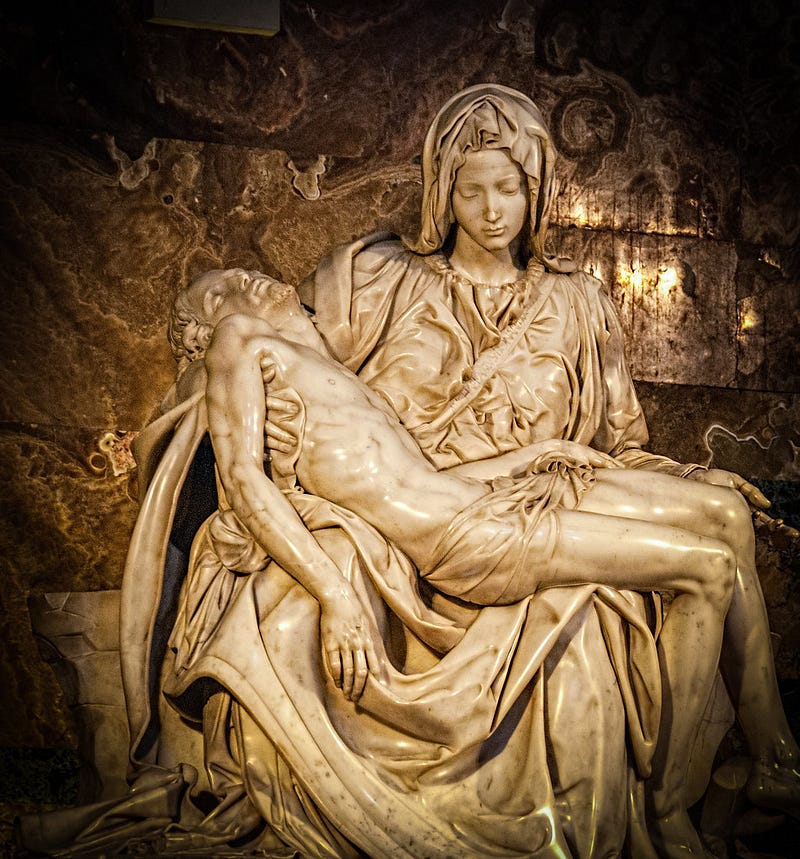
As Michelangelo said,
“Faith in oneself is the best and safest course.”
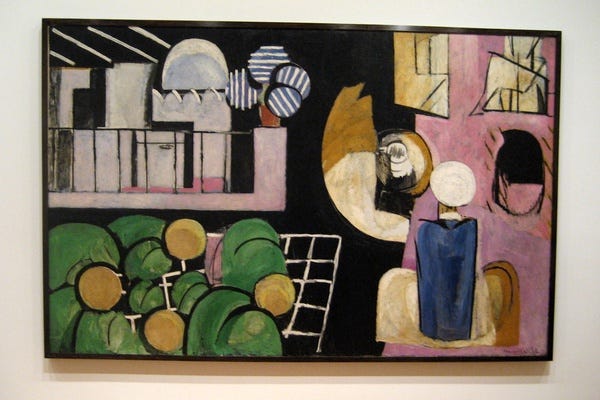
Art cannot occur without the strength to do what you see in your own head: As Henry Matisse noted,
“Creativity takes courage.”
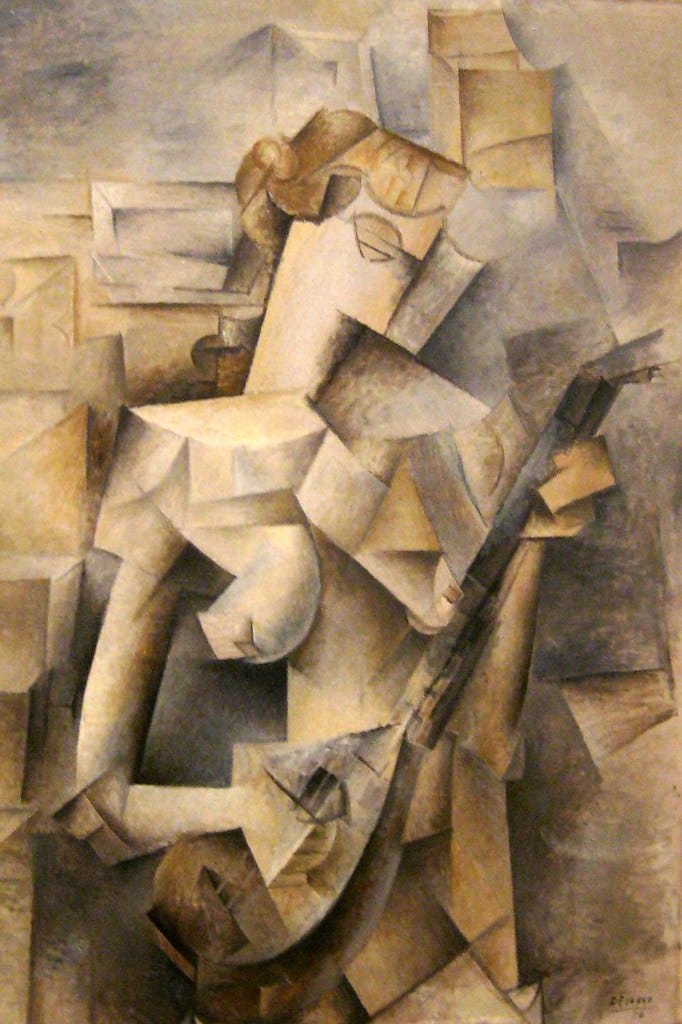
Art requires a willingness to “break” the rules; to do the outlandish; to create something that isn’t in fashion; to “boldly go where no one has gone before” into the untested atmosphere that defies traditional thought. Pablo Picasso quipped,
The chief enemy of creativity is ‘good’ sense.
Great artists express themselves; the images swirling in their heads; the ideas proliferating in their brains. They aren’t concerned with creating something just for the money. They are focused on transforming their internal vision into an outward tangible form.
“Whether you succeed or not is irrelevant, there is no such thing. Making your unknown known is the important thing.” — Georgia O’Keeffe
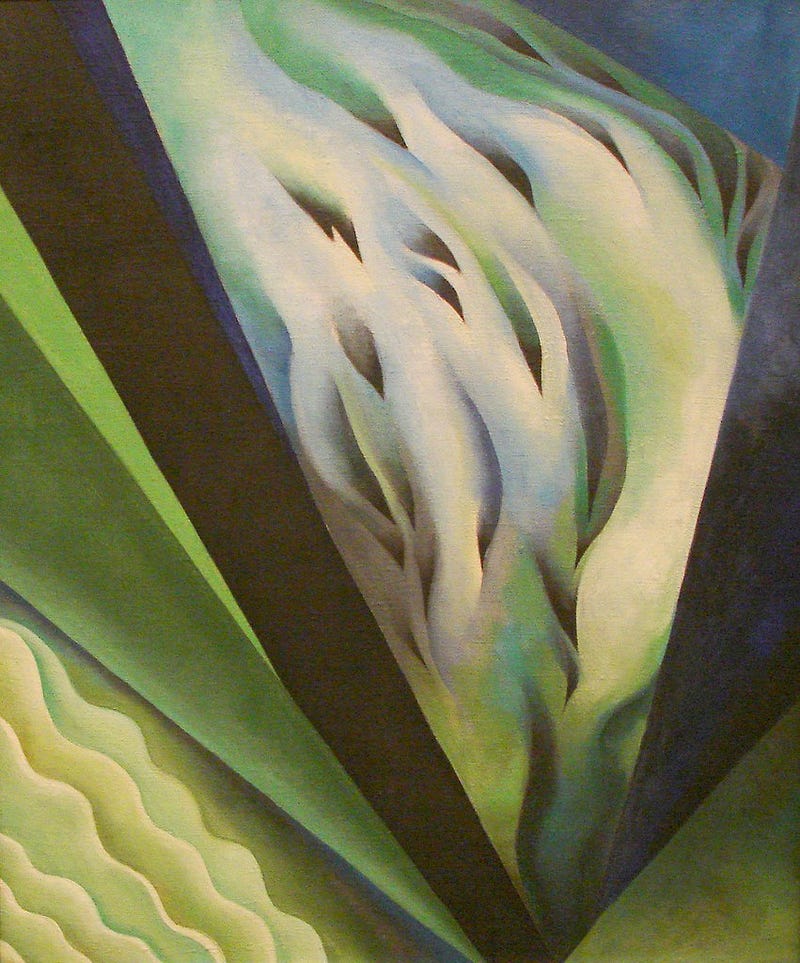
Lesson #2: Great work takes time and is timeless
We’ve all heard the saying, “Rome wasn’t built in a day.” Nothing great ever was. Beauty isn’t produced instantaneously. Work isn’t completed in the blink of an eye.
Great artists take their time. The creation of beauty is not something to be mass-produced or pushed through on an assembly line just for the sake of income. Quality can’t be rushed.
“He who wishes to be rich in a day will be hanged in a year.” — Leonardo da Vinci
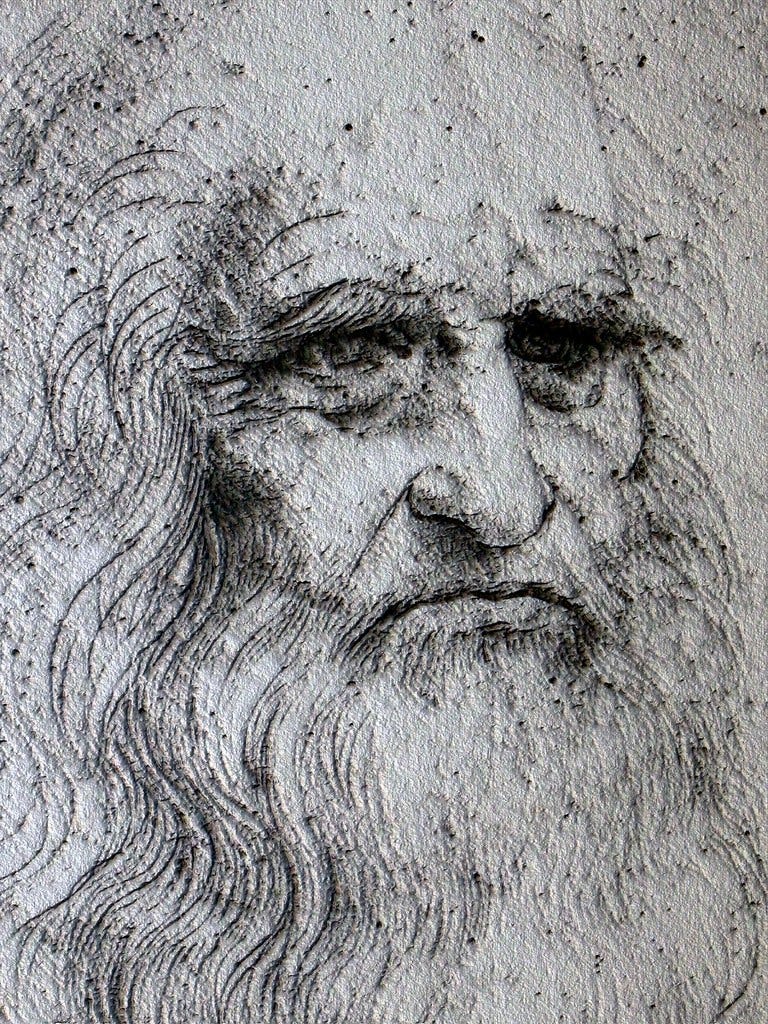
Not only does great art take time to produce, but it is also timeless. It is not focused on past trends, but existing in a time zone of its own.
“To my mind one does not put oneself in place of the past, one only adds a new link.” — Paul Cézanne
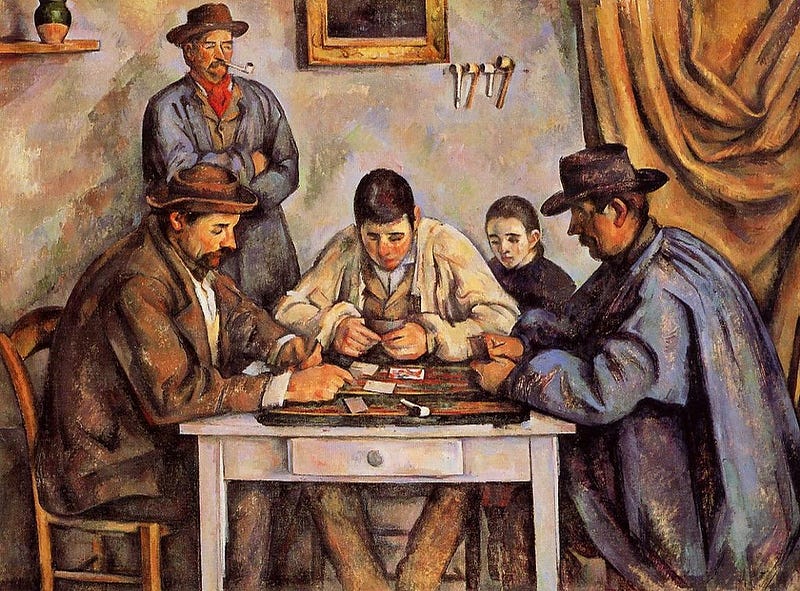
Lesson #3: Art is propelled by emotion
Artists know that the ability to spend endless hours, sometimes years, producing work takes a commitment fueled by emotion. Any work created without emotion will be bland or banal. If you don’t “feel” what you’re working on, it will never be great.
“The works must be conceived with fire in the soul but executed with clinical coolness.” — Joan Miró
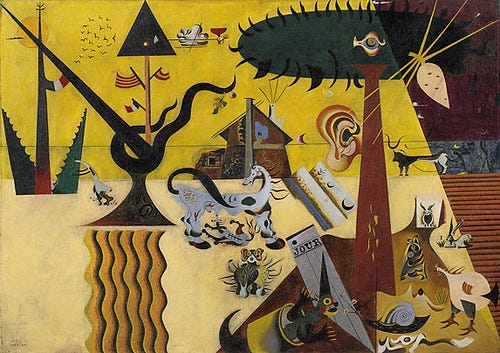
“Where the spirit does not work with the hand, there is no art.” — Leonardo da Vinci
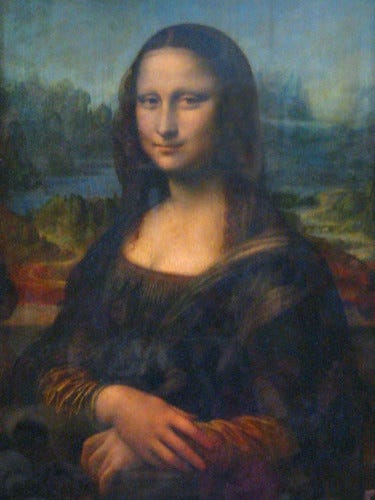
The ultimate guiding principle explaining what makes great art comes from Auguste Rodin:
“The main thing is to be moved, to love, to hope, to tremble, to live.” —
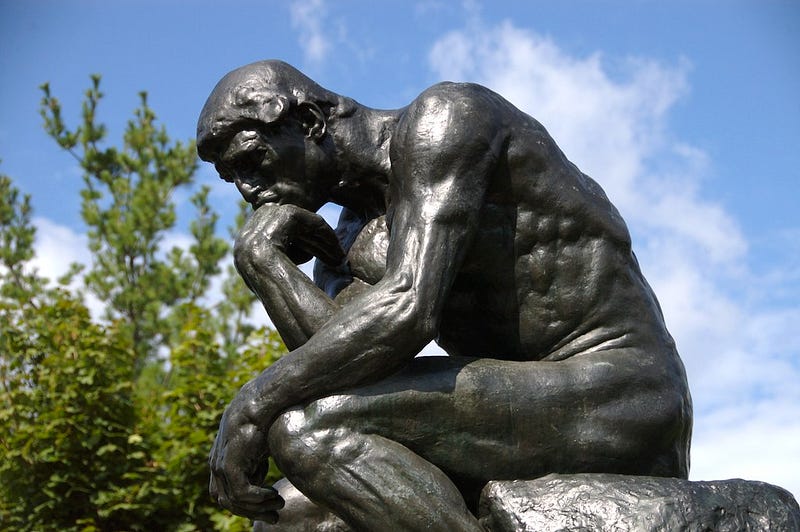
Lesson #4: Great art requires great technique
No doubt, great artists have great technique, skills perfected through years of practice and study. But superb technique doesn’t equate to elaborate or excessive. Art, like writing, is masterful when it is simple. Vincent Van Gogh said it best:
“The great artist is the simplifier.”
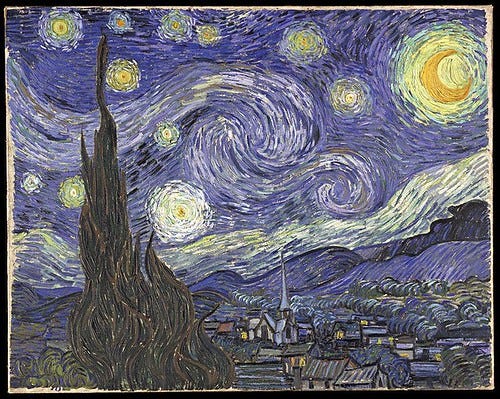
While mastery of technique is essential to creating art, no amount of skill will ever result in perfection.
Millions of artists never show their work, worried that it’s not perfect, that they aren’t good enough yet.
Writers suffer from the same problem, obsessing over the perfection of a manuscript that they never send it out, choosing to re-read it and re-work it dozens of times.
Great artists tell us — in no uncertain terms — that trying for perfection is a hopeless task.
“Have no fear of perfection, you’ll never reach it.” — Salvador Dalí
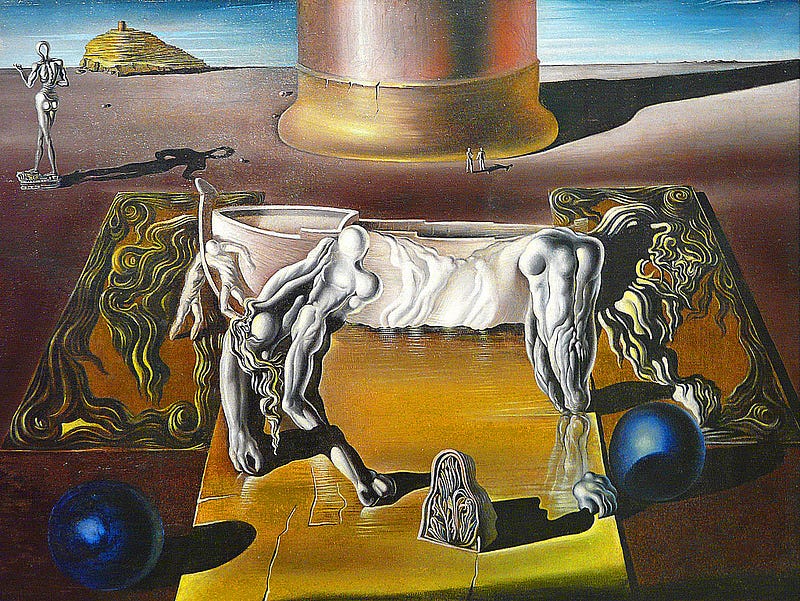
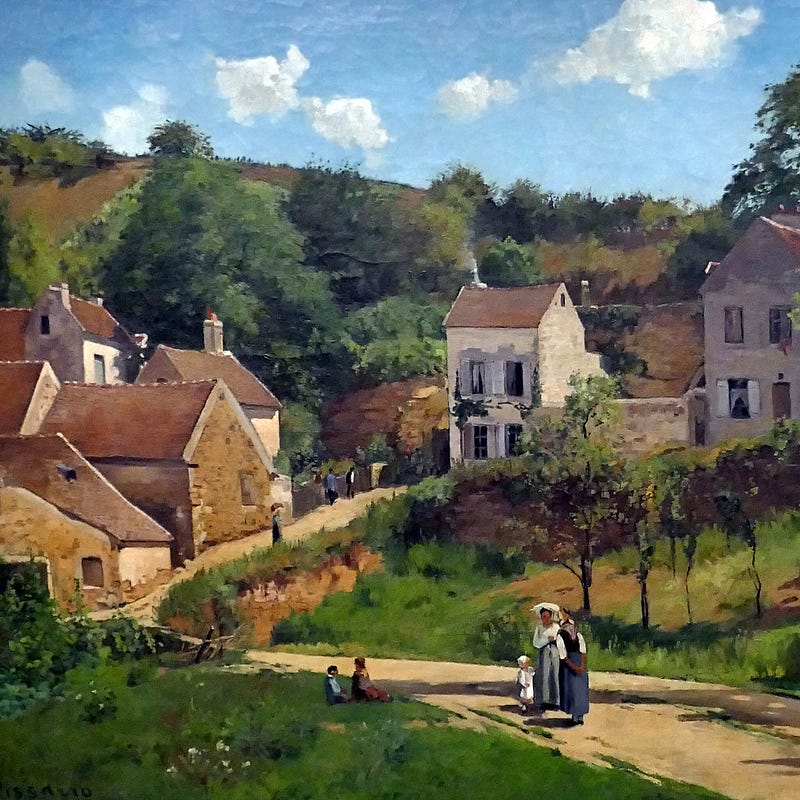
Dali’s thought is echoed by Camille Pissaro:
“It is absurd to look for perfection.”
Lesson #5: Just Do It
Artists know that lots of people think they can be artists. Writers know that lots of people think they can be writers. The reality is, that lots of people can think about being an “artist,” but far fewer people do it than think about it.
Like the words of the old Nike ad, great artists urge us to “just do it.”
Leonardo da Vinci felt the drive to produce every single day of his life. He left behind nine thousand pages of notebooks filled with ideas and studies and plans. He said,
“I have been impressed with the urgency of doing. Knowing is not enough; we must apply. Being willing is not enough; we must do.”
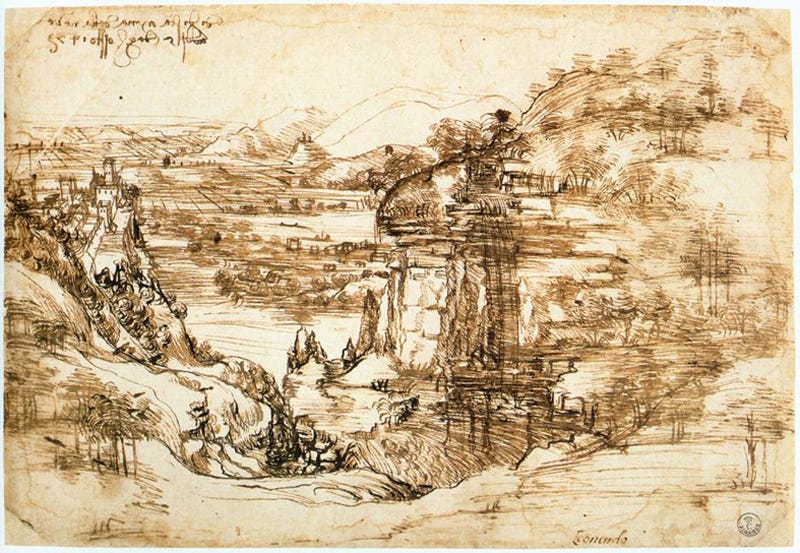
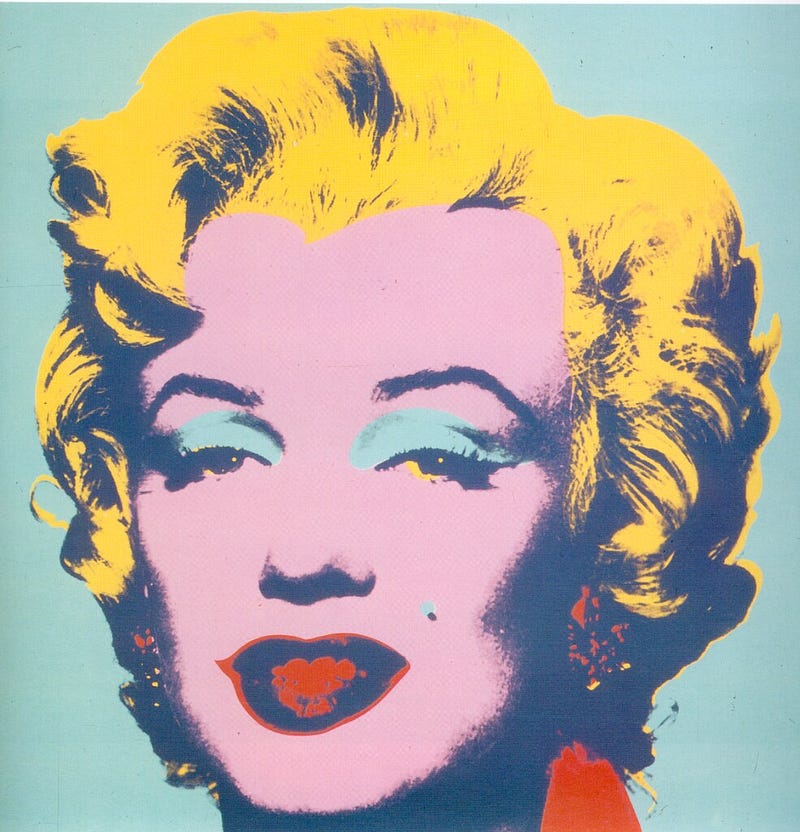
da Vinci’s thoughts are echoed in the statement of modern artist Andy Warhol, a quote that is filled with wisdom for writers, too:
“Don’t think about making art, just get it done. Let everyone else decide if it’s good or bad, whether they love it or hate it. While they are deciding, make even more art.” — Andy Warhol
Five lessons + one
Great artists of the world advise us that faith in oneself, time spent in creating an ageless product, emotional connection, mastery of technique, and decisive action are necessary for making memorable work.
Definitely, these five lessons from artists help writers.
But there’s one caveat:
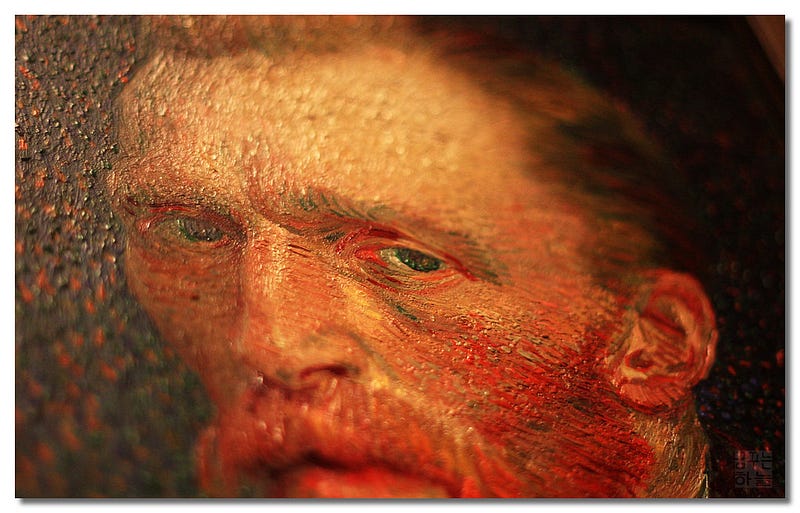
The trick to producing great art — and living to see its success — is to find the balance between obsession and drive; between passion and practicality; between talent and technique. Otherwise, artists and writers can lose themselves in the pursuit. Finding balance is what keeps us from becoming like Vincent van Gogh, the talented artist remembered for cutting off part of his own ear and dying by suicide when he was just 37.
I put my heart and my soul into my work, and have lost my mind in the process.
Melissa Gouty still has her mind — and is still putting her heart and soul into her work. Her debut book, a memoir, The Magic of Ordinary, is available from Amazon, Barnes & Noble, and online book vendors everywhere. Follow her at www.LiteratureLust.com.