
Five common mistakes that brands make when working with influencers.
Plus, some advice from actual brands & influencers on what to do instead.
Do you follow influencers on Instagram? Probably. Have you ever stopped to really think about why you follow them? For some of us, it might be because they portray a lifestyle we aspire to. For others, it might be because they are experts in a particular field like fitness, food or travel that we are equally passionate about. Or maybe you actually get your style, fashion and beauty advice from them? The list goes on.
After Instagram launched, the platform quickly became a media and advertising extension. As a result, brands have been navigating what is considered a very chaotic industry. Unlike traditional digital advertising platforms — such as banners, email marketing & video ads — influencer marketing is relatively unregulated. There are no standardized IAB regulations for advertising factors like pricing, transparency, opt-ins/opt-outs, etc. Most influencers are also independent freelancers which creates another layer of complications when it comes to legal protections, contractual agreements and fulfillments. Even more frustrating, Instagram influencer campaigns are still not measurable since you cannot include links in posts.
Across the world, small and large brands have dedicated persons and teams working on securing influencers for programs and campaigns to help promote their product or service. While these campaigns are very successful — some, very often, fall flat or short of expectations.
As I stated above, it’s very difficult to measure success on an Instagram influencer campaign so this post will not be advice on how to create a campaign but will be thoughts and directions on what not to do from heavy-hitters in the influencer marketing industry.

1. Treat influencers like people — not transactions.
“The best relationship a brand can forge with creators is one that begins with respect,” says fashion/lifestyle blogger, Justin Livingston (@justinliv). He continues, “The vast majority of us work hard to produce quality content and fewer things irk me more than when a company makes an initial introduction and immediately begins demanding things. Write personalized emails and take the time to look at my feed. If you’re a food brand and like my ‘Friday Food’ posts, then mention that. Show you’ve done your research. DO NOT send blanket fill-in-the-blank emails.”
Key Takeaway: Most influencers have gotten to where they are because they have a great eye for design and photography and because they’ve forged meaningful relationships. The more care you put into that introductory email, the higher likelihood that they will A) respond, B) be interested and, for your benefit, C) be willing to negotiate fees.
2. Let the creators create.
“The worst is when a brand stifles an influencer’s creativity,” — Lucia Litman, Head of Social Media at startup brand, Allbirds. She goes on, “You’re choosing to work with these people because they have their own brand and ideas so let them do their thing and don’t overly limit their creativity!”
“Approach influencers like you would any other company you’re collaborating with,” Livingston adds. “Brainstorm ways that we can overlap our identities rather than demanding that I solely conform to yours.”
“Setting parameters is fine,” says Chicago-based John Thompson, “but give that influencer enough wiggle room to create the content.”
Key Takeaway: You are hiring influencers because they have accumulated a following based on their aesthetic and their creativity. Unless you are hiring them for specific content, don’t jump out the gate with instructions telling them how to promote your product in your brand’s style & aesthetics. I recommend going to an influencer and letting them know about your brand and your product, walking them through campaign messaging and goals and asking them to send back their own ideas. This way it truly is a partnership instead of an ad.
3. Yes. You should pay.
“People often forget that for some influencers, Instagram is their main career and they spend most of their lives doing it,” Elisabeth Bromberg — Global Social Media Director at a beauty brand. “They should be fairly compensated for the time and work that goes into them creating content for you — just like you would any creative freelancer.” she adds.
San Francisco based duo Yummertime spends several hours every morning in the comfort of their home.… answering emails. “We’re beyond lucky to be a team of two, but even then, we spend around 3 hours together each morning solely filtering through our inbox to discern email inquiries that actually make sense,” — Chris Lin of Yummertime explains.
He continues, “The back and forth emails can go for days and then we have to pitch an idea then need to get approvals from even more persons. From start to finish, we can spend 6–10 hours over the course of 2–4 weeks before we even head into production… and that’s just for one client!”
The real value proposition for influencers is that they have what is known in the marketing industry as “qualified leads.” Their followers have made a decision to follow them and tune in to their lives as a trusted source of entertainment, interests and yes, even product recommendations. 10,000 views on a 7-second Instagram story is way more effective than 100,000 page views on a banner ad.
Key Takeaways: Influencers take their jobs very seriously and work very hard to make their clients satisfied. The value you are getting from an influencer promoting your product can, if executed and approached methodically, be significantly more valuable than traditional advertising as their followers have essentially opted in to receive ads.

4. Don’t always assume that the obvious answer is the right one.
“When thinking of an influencer for a product, you should also search for instagrammers who aren’t specific to that industry,” Bromberg adds. “For example, if you work at a beauty brand and your product includes natural food-like ingredients, consider working with a personal chef or healthy living influencer instead of a straight-up beauty blogger
Let’s say you are a men’s t-shirt company and are launching a premium merino-cotton t-shirt that’s direct-to-consumer. Your immediate thought process and strategy is probably to only reach out to men’s fashion bloggers to help promote your product. While there is sound logic in this approach, what you should keep in mind is that their followers are constantly used to seeing clothing in their feed so seeing your t-shirt tagged in a photo may just be a small ripple in their huge pond.
Key Takeaway: Consider influencers in every industry. There are higher risks involved as an alternative industry influencer may be uncomfortable promoting an atypical product, but the reward can be worth the risk.
5. Don’t forget about the little guys
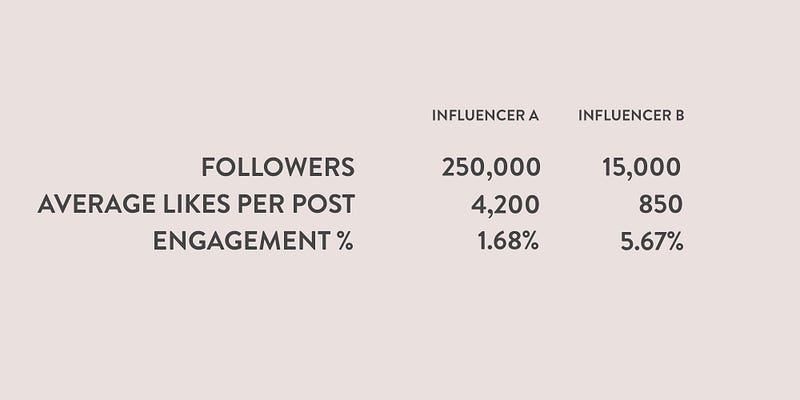
“Quality over quantity,” says Brooklyn lifestyle blogger and former Social Media lead at ONA, Christine Amorose. “Opt for people who are good fits for your brand instead of just trying to work with the person who has the most followers. The ones with smaller followings will likely be more stoked to work with a brand (especially if it’s something they genuinely love), so they’ll likely do more and better work and for a lesser fee.”
She adds on to that, “Find people who already love your brand and celebrate them. Think of them as your ambassadors and give them extra love on social and real life. Send them an advance product, always like and comment on their photos, try to genuinely build a relationship with them. Building up that kind of goodwill creates people who not only share on social but who will also spread great real-life word of mouth.”
Some brands immediately just go after the biggest influencers in the market place. While there is sound logic in this, it doesn’t always work for smaller to medium sized brands. Pay attention to engagement numbers when roving the internet for influencers. An influencer with a highly engaged audience but not so great follower count might frequently be overlooked but these influencers will be excited to work with you and will often go above and beyond what you ask of them — often giving you multiple content options for your own brand’s feed plus the post on their personal feed.
Key Takeaway: Quality of engagement with followers is equally as important as the number of followers. Building your influencer network off of highly engaged instagrammers, that may not have high follower counts, can establish an early relationships that can lead to them evolving into huge brand advocates instead of just transactional ads.
In Summary:
- Do your research before reaching out to an influencer so you have talking points ready. Make sure your initial contact is personalized, positive and upbeat. Make them feel like you care about what they do and how impactful and seamless you think the partnership can be — for both parties.
- You are reaching out to them because they are creating great content so let them create that content in their own voice. It’s okay to ask them for specific things but you shouldn’t treat them like a digital puppet.
- Just like you would pay any other creative for a project, influencers should be compensated for their time and content. If you are disappointed with your results from them, move on and continue to search for influencers who work better with you and your brand.
- Always be on the lookout for influencers who might be outside of your typical brand partners. They represent opportunities to break into different markets and establish your brand within a new community.
- Quality over quantity. High numbers don’t always mean high engagement. Look for a variety of influencers with all sorts of follower counts to start building a relationship with. They can quickly become important brand ambassadors.
Know someone at a brand who you think this would be helpful for? Share this article with them. Also, if you like this article, please tap the little heart below :)
If you’re a brand looking for help with your influencer marketing, you can email me at [email protected] and/or follow along my own Instagram life at @natepoekert.