
Fitness Goals Are Common, but They Aren't All Created Equal
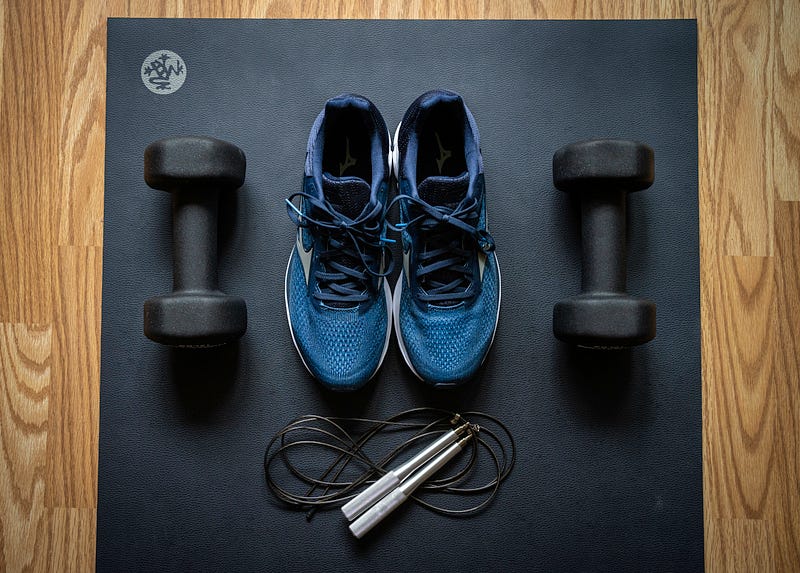
As a personal trainer, I've seen more failed New Year's Resolutions than I care to remember.
I have never been a fan of fitness-related New Year's Resolutions for two reasons.
- There is no reason to wait for a new year. You can and should worry about your health year-round.
- Most fitness goals aren't well thought out.
The second reason is the one that I want to focus on today.
Most fitness goals could be improved. It's essential to set a reasonable goal to get the actual result you are looking for.
Here are three common fitness goals and ways that they can be improved.
1. Lose weight
Losing weight is by far the most common fitness goal of all time. As a trainer, I absolutely hate the goal.
First of all, it's not nearly specific enough. When people say they want to lose weight, they want to lose fat. Losing muscle or water weight is not what they are after, yet it's what they sometimes settle for.
Secondly, losing fat is somewhat overrated if your goal is to be healthier. One recent study found that working out is more important than weight loss when it comes to increasing your life expectancy.
Rather than focusing on the scale, I would recommend focusing on things that matter. How much physical activity you get, your diet, energy levels, sleep quality, and many other things are far more important than what the scale says.
2. Exercise more
This is a case of me liking the idea but hating the goal.
Exercise more is far too vague. Vague goals are hard to accomplish because they are impossible to measure. If your goal is to exercise more, you need to figure out exactly how much you exercise now.
Once you establish how much you exercise, you need to decide what counts as more. It could be taking more steps, going to the gym more often, using a standing desk, or many other things.
3. Eat healthier
Eating healthier is another vague goal. A great place to start is to look at the CDC's diet recommendations.
According to the CDC's website, a healthy diet:
- Emphasizes fruits, vegetables, whole grains, and fat-free or low-fat milk and milk products.
- Includes a variety of protein foods such as seafood, lean meats and poultry, eggs, legumes (beans and peas), soy products, nuts, and seeds.
- Is low in saturated fats, trans fats, cholesterol, salt (sodium), and added sugars.
- Stays within your daily calorie needs.
Fixing your diet can be overwhelming. Rather than overhauling your whole diet, try fixing one or two things first.
For example, if you don't eat enough fruits and vegetables, make sure to eat at least one serving of fruit or vegetable with each meal. Or, if you eat too much salt, focus on slightly reducing your salt intake over time.
Final Thoughts
Fitness goals are great, but they are often frustratingly vague or misguided. Next time you set a fitness goal, whether it’s New Year’s or not, take some time to make sure it's a good goal.
Note: Please consult your doctor before starting a new exercise or diet plan.
If you enjoy reading stories like these, consider signing up to become a Medium member. It’s $5 a month, and it gives you unlimited access to every story on Medium. If you sign up using my link, I’ll earn a small commission.


