
Fishing Around The World
How to Catch Fish, Trolling at 5–7 Miles Per Hour
It was no different than any other day fishing — a 100-pound line wrapped around a Cuban yo-yo, dragging behind the boat as I sailed around the world at 5–7 knots for the last 20,000 miles — but today, instead of catching a piece of trash or a god-forsaken, blue-footed booby, I actually caught a 4-foot wahoo in between Cocos Keeling and Rodrigues!
How It All Started
For the past two years I had been sailing around the world on other people’s boats, a process I call Global HitchHiking. Ever since I started in Virginia, in November of 2016, I had a desire to provide something more than just taking my shifts at the helm.
I started this journey at 51 years old and hadn’t really fished much before. It was a daunting task, but one I felt a desire to perform. After all, most people on boats love fish!
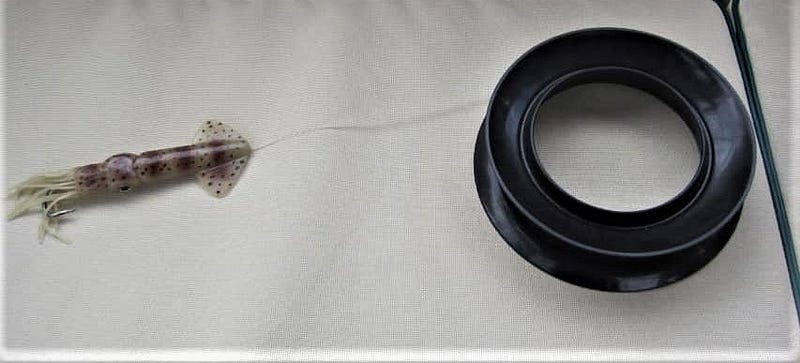
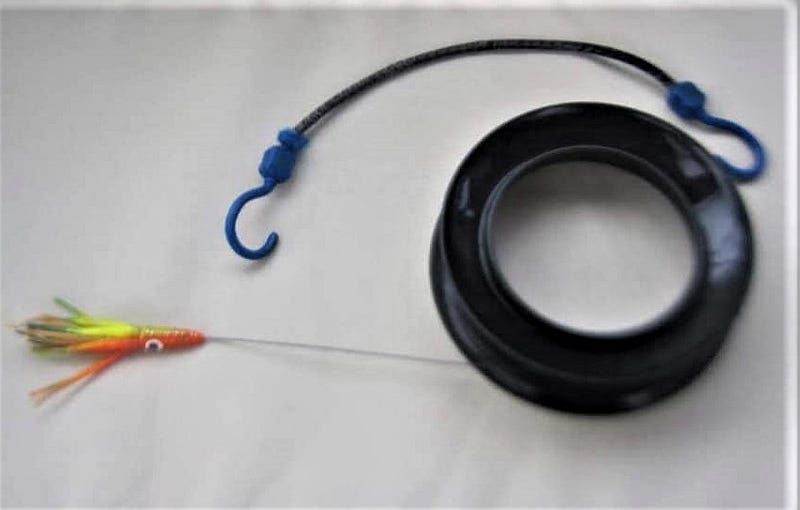
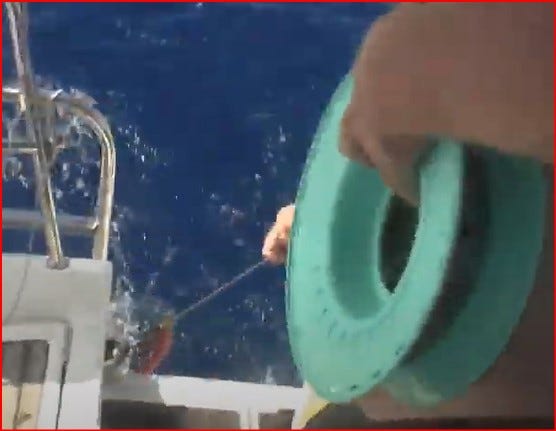
I did some research on the best fishing tools for sailboats and discovered something I had never heard of before — Cuban Yo-Yos. These hand reeling devices allow you to quickly haul in your catch with none of the complications of poles and traditional reels.
Best of all they were small and easy to store compared to traditional fishing poles and reels. So I bought a couple of them along with lines, lures, and hooks. I was ready to fish!
It’s Key to Keep Fishing Through the Dry Spells
From Virginia to Florida, traveling down the Intra-Coastal Waterway, I trolled out the back of the 65-foot boat, but never caught a thing. I was starting to lose confidence in my ability.
I continued trolling across the Gulf Stream on the way to the Bahamas. Nothing. Finally, in the Bahamas, I started catching fish.
There really was no rhyme or reason why some days I would catch fish and others I wouldn’t. Most of the boats I was on traveled at 5–7 knots and I typically used the same kinds of lures most of the way. I would change it up here and there, depending on what I could find at a local fishing shop.
But I caught enough fish over 3 years of sailing, that I almost always had a line out the back of the boat. It kind of reminds me of collecting water. On a boat — particularly one that doesn’t have a water desalinator — you’re always prepared to catch rainwater when it comes, to resupply your tanks as much as possible.
The same is true of fishing. Unless you have a freezer full of fish already, you always drop a lure or two in the water to drag behind you while you’re sailing along.
What else are you going to do when you’re at sea for months on end, going 5–7 knots per hour, all the way around the world?
Barracudas: Choose Your Toxins Wisely
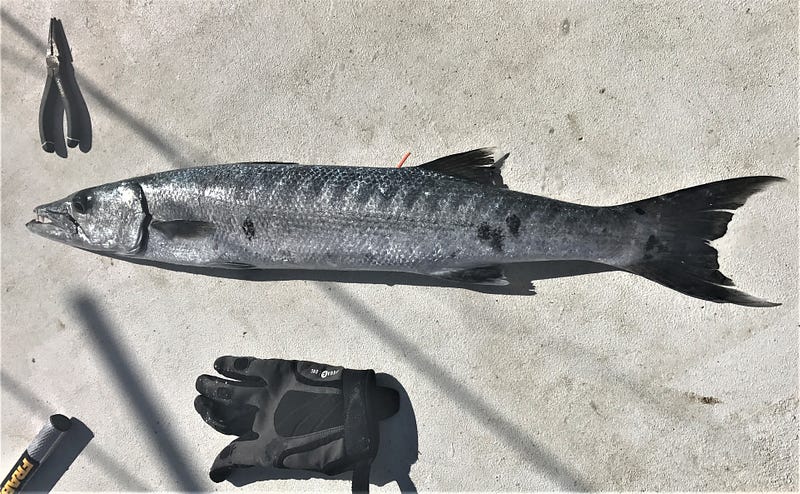
In the Caribbean, we caught lots of barracuda. We heard stories that they could be toxic. After some reading, we learned that most reef fish — fish that live off the reef or eat other fish who live off the reef — have the capacity for this toxin.
We decided to only eat barracudas that were arms-length or smaller. The bigger the fish, the more chance of toxins.
Barracudas are delicious white fish with small scales that can be easily removed. We even enjoyed eating the skin. Aside from the toxic anxiety, they are one of my favorite fish to grill. Very tasty.
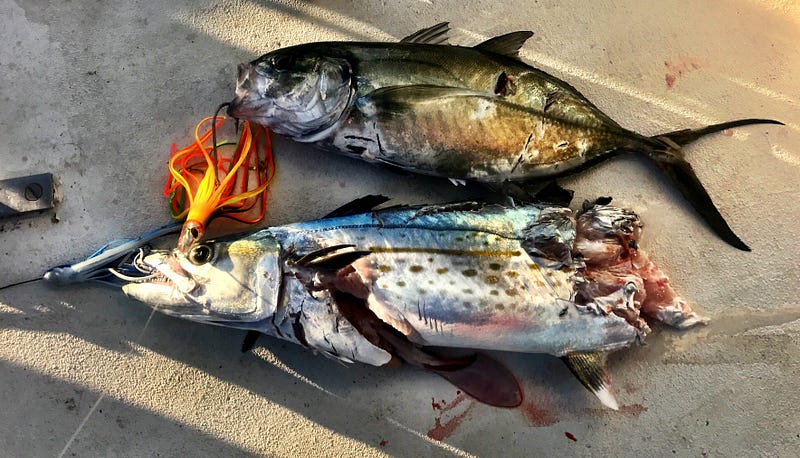
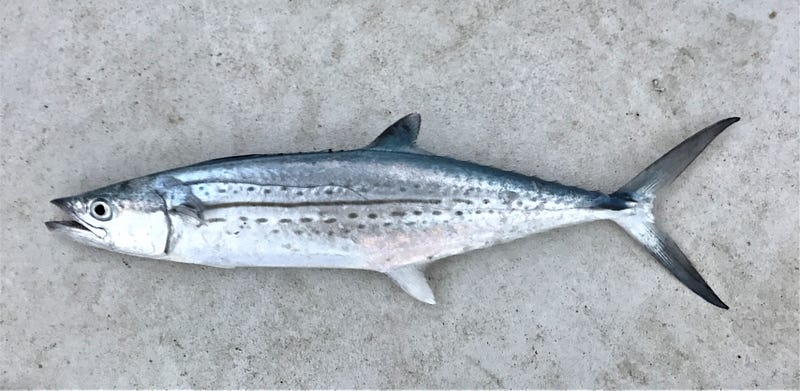
The first fish I ever caught was a cero mackerel. I hadn’t caught a single fish in two months of fishing. I got in the habit of putting the lines out in the morning and pulling them in at night.
Because I wasn’t catching anything, I didn’t check them regularly. By the time I hauled in my first fish, not only was it way bigger than we wanted to keep, it was half gone, eaten by sharks.
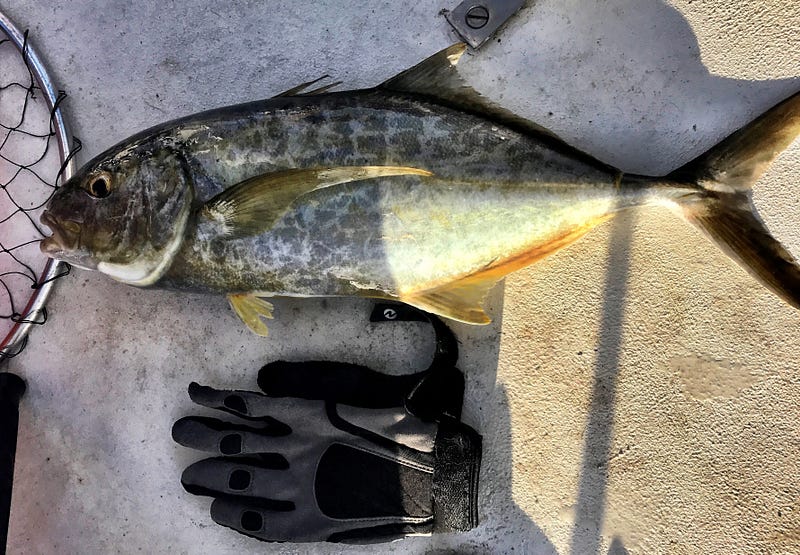
On the same day, I caught another fish as well, a jack. After that first catch, I started paying more attention and I started catching more fish.
Mahi-Mahi, Delicious When Cooked, Be Careful When Eating Raw
The one fish I had been wanting to catch all along was mahi-mahi (also called a dorado) as I heard they were a delicious fish. I caught more barracudas and a smattering of other fish as I traveled through the Caribbean, but the mahi-mahi continued to elude me.
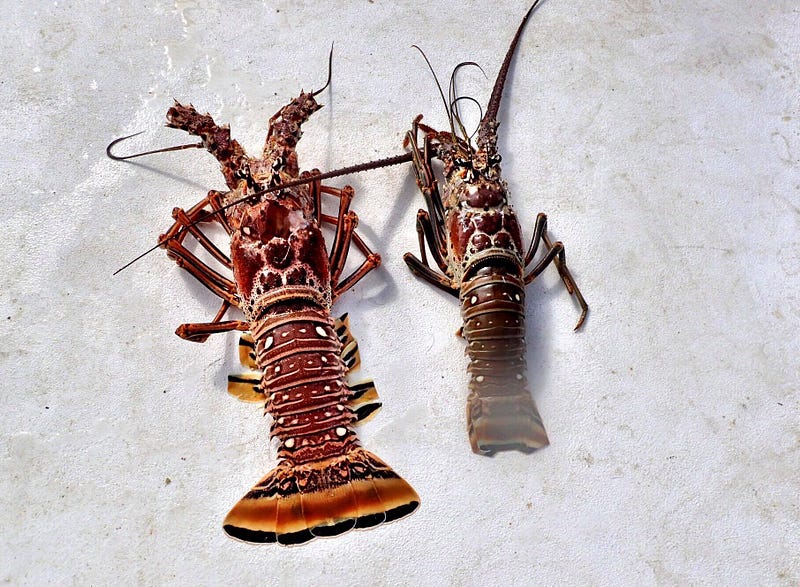
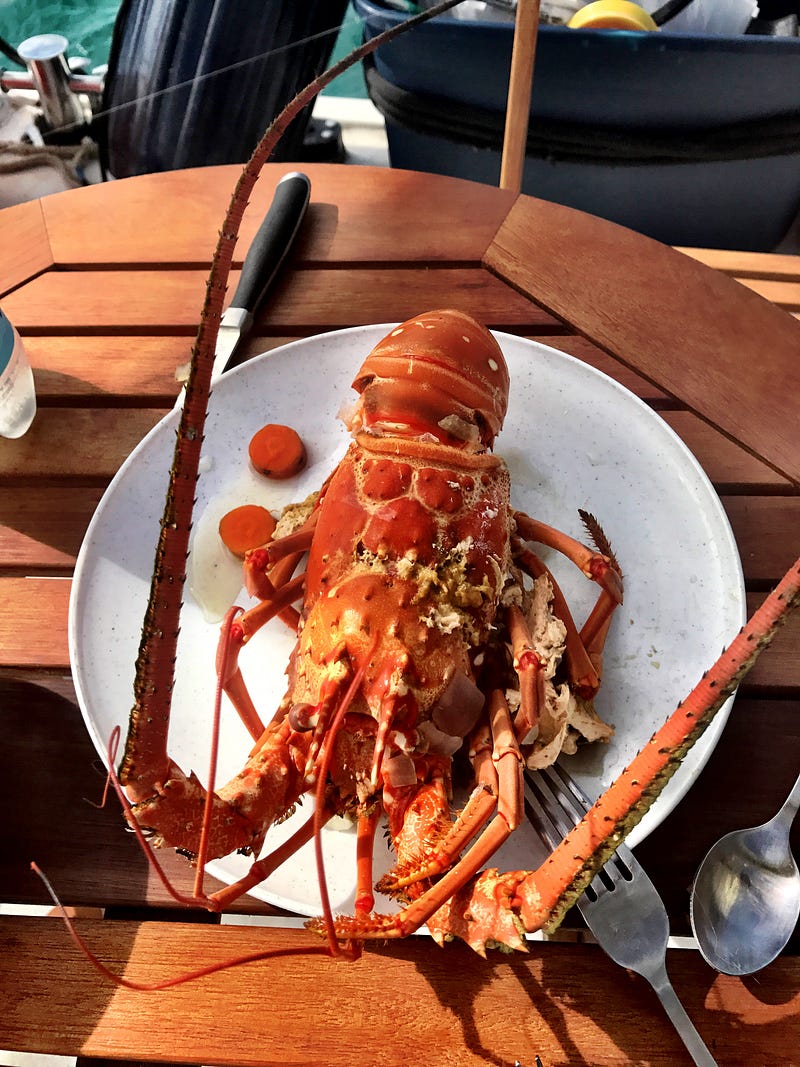
I even snorkeled for some lobster in the Bahamas, although I am allergic to them. My captain thoroughly enjoyed them.
Something I learned about myself — I was a little squeamish about killing fish. I hadn’t grown up in a sporting family and was somewhat new to fishing. It didn’t give me any pleasure to kill the fish once I got it on board. I did it because I knew it had to be done.
I also found out I wasn’t the only one. At least two of my captains were only interested in eating the fish. They didn’t want to participate in the catching or killing. I think we have lost the connection between our food and where it comes from. Fishing made me face that every time I caught, killed, and prepared one.
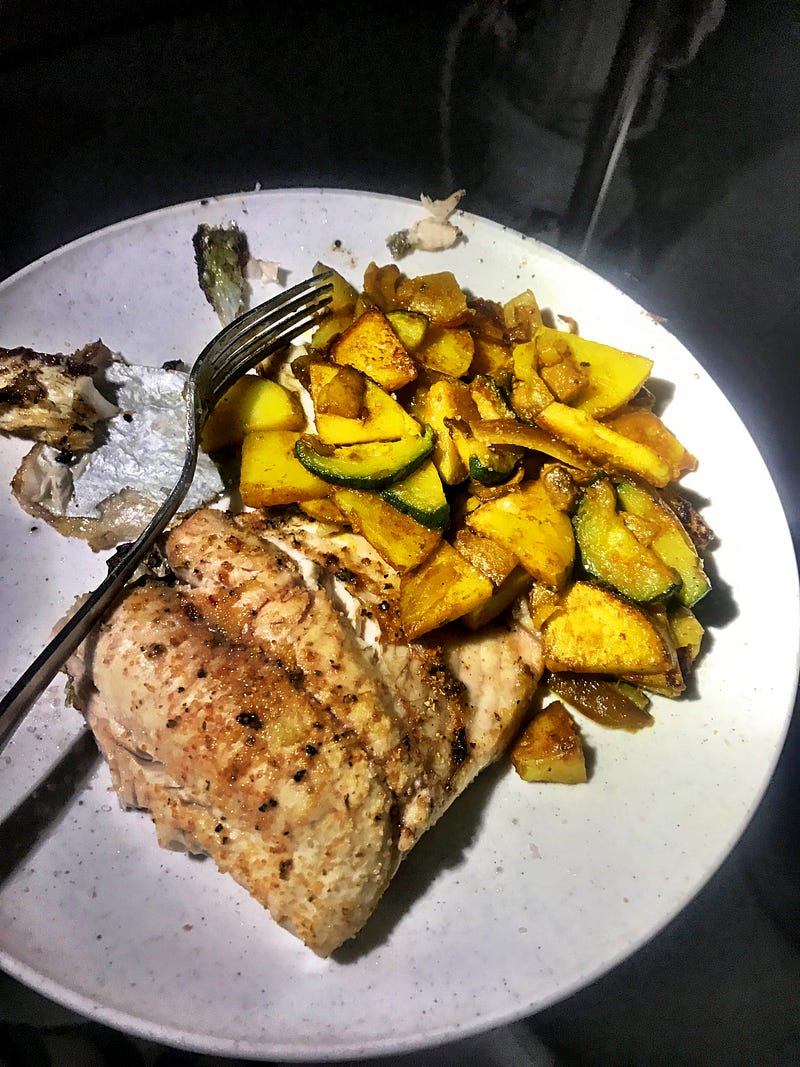
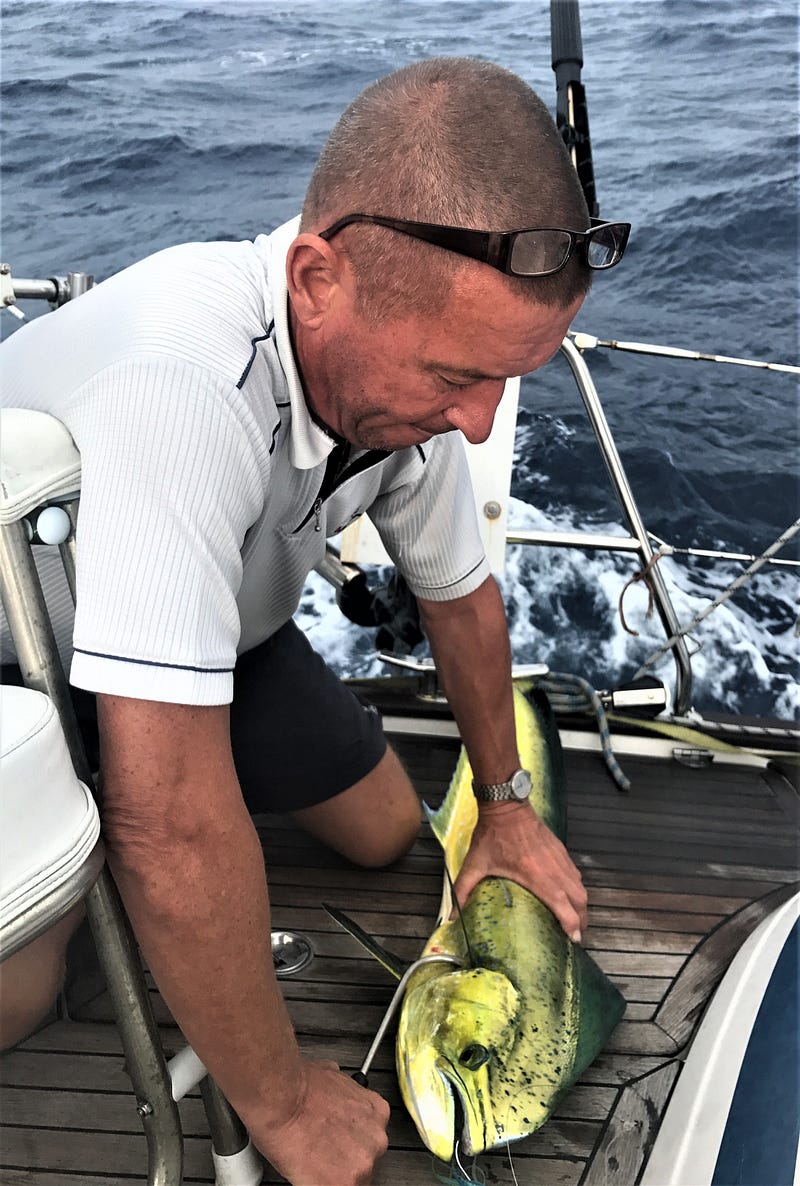
At last, the day came when I caught my first mahi-mahi. It was somewhere in the Bahamas, just north of Farmer’s Cay. I was so excited about it I did what came to be known as the mahi-mahi dance, seen in the image below. And the mahi-mahi did not disappoint. It was a delicious white fish that grilled perfectly.
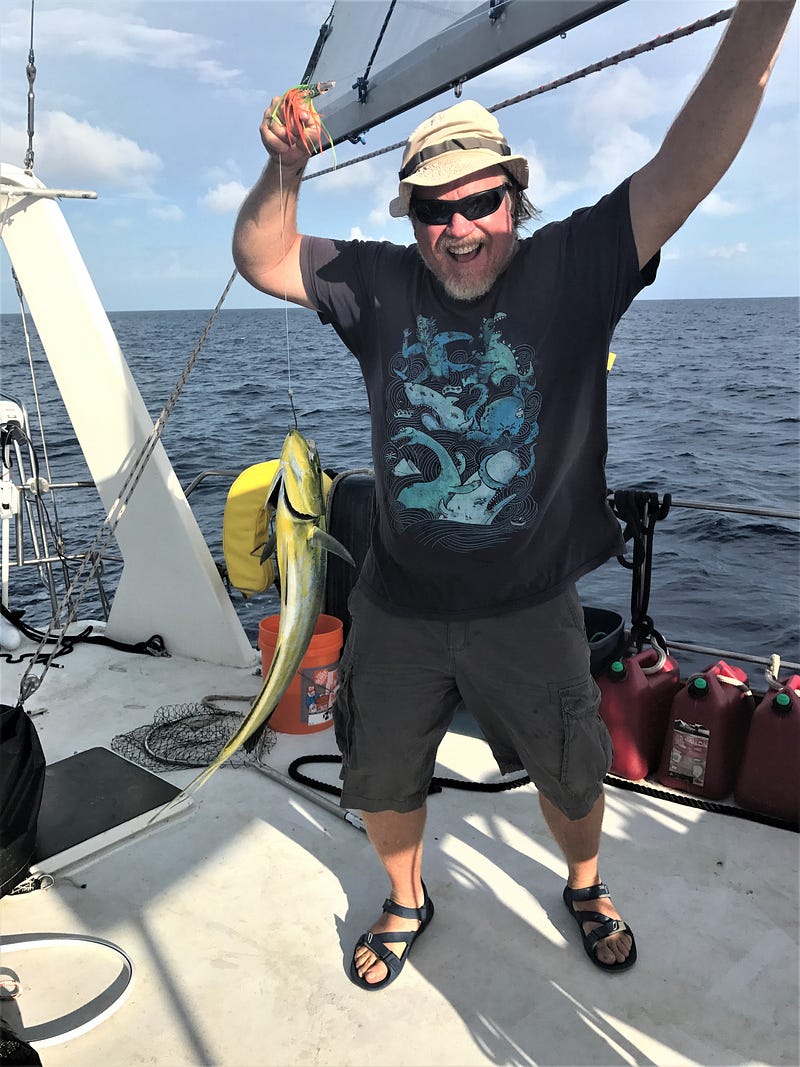
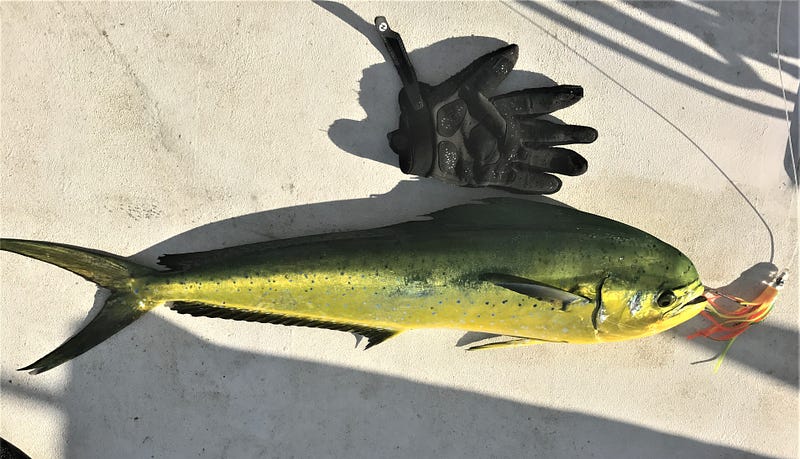
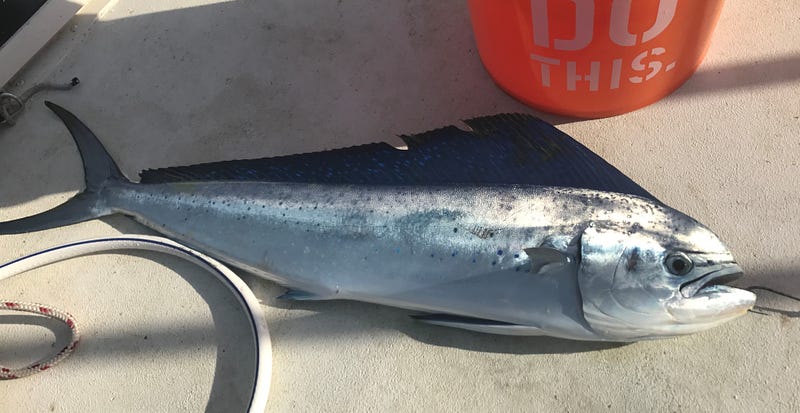
An interesting thing I learned about mahi-mahi is they are bright green when you catch them. But within a few minutes, after they die, they turn almost silver. You can see the before and after in the pictures above.
While sailing across the Pacific Ocean with three Kiwis (New Zealanders) we caught a few fish between Ecuador and Tahiti. I remember one mahi-mahi we decided to make sashimi out of and the next day we were dreadfully sick, puking our brains out. Turns out mahi-mahi isn’t the best to eat raw in some locations. Sailors, be warned!
Tuna Out The Wazoo
Sailing between Tonga and Malaysia I was with a captain who was from Sweden and an avid fisherman. He made his own fishing lures out of lead weights and a rubber squid he fit over the weight.
Instead of using real Cuban yo-yos, we would use empty two-liter coke bottles and wrap the line around that. He was quite serious about fishing and we counted on catching fish as part of our provisioning. However, he didn’t have a freezer, so when we caught a fish, we typically ate it for breakfast, lunch, and dinner as a fish would only last three days in the fridge.
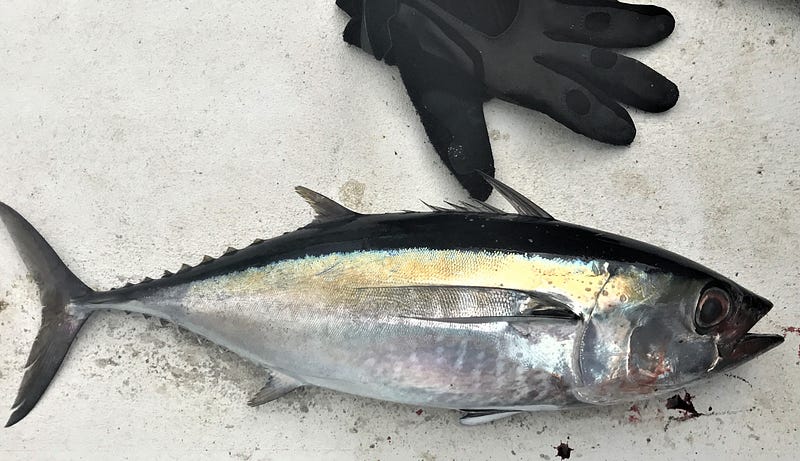
For a stretch, we were catching tuna, 2–3 times a week. Nothing but tuna. And because we were eating it with almost every meal, I started to get sick of it. I began hoping we’d catch something other than tuna.
I realize this sounds crazy, but it’s like anything if you get too much of it. We did finally catch a mahi-mahi or two, which was a welcome relief.
Lulling a Shark to Sleep
I ended up staying in Malaysia for six months at my skipper's invitation and traveled around Southeast Asia. Then in 2018, I joined my next boat going west across the Indian Ocean.
This boat, crewed by two Canadians, had been half-way around the world and neither of them was interested in fishing. However, they welcomed the idea of having fresh fish to eat. I bought a couple of yo-yos in Darwin and prepared myself to fish. Unfortunately, it didn’t happen as soon as I’d wanted.
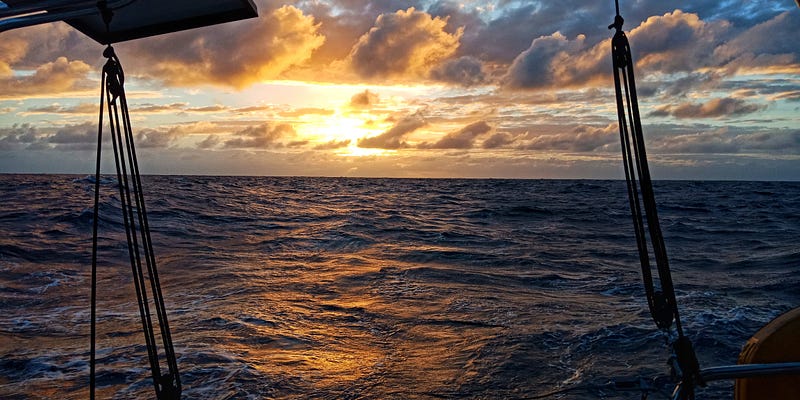
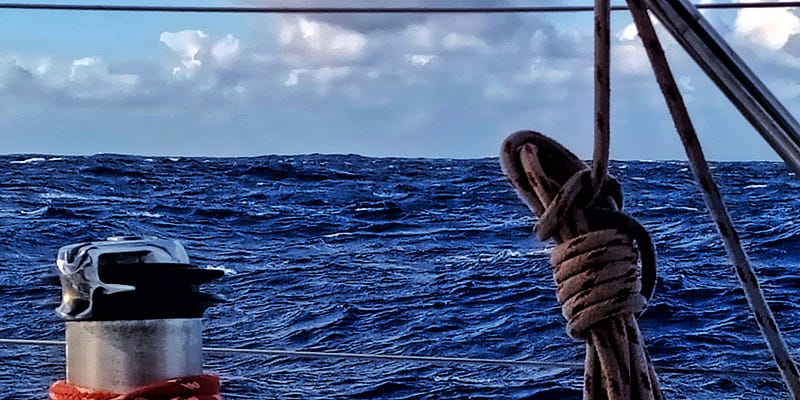
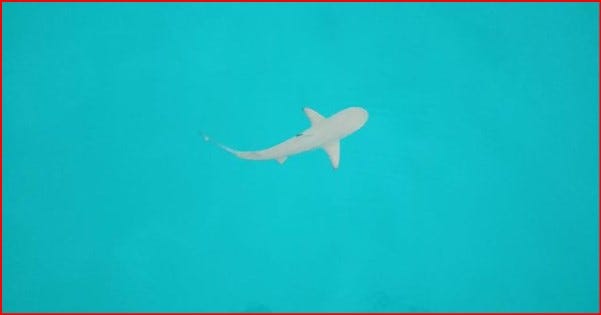
I started putting lines out every day, but for weeks all I caught was trash and a small hammerhead shark. I had never eaten a shark before and I really wasn’t sure how to get it off my line without losing a finger.
I also didn’t know how to prepare it, so I decided I would let it go. I reeled it in, grabbed it, and flipped it on its back after donning some gloves. It immediately seemed to go to sleep on me.
I was then able to retract the hook and throw it back in the water. It came back to life and swam away. I read later that putting a shark on its back is exactly the right way to cause it to become docile.
Beware of the Blue-Footed Booby!
We arrived at Christmas Island and among other things took a tour with a local who told us about the wildlife including the fishing. He told us there were many wahoo fish around the island and our best luck would be if we dropped our lures as we were leaving.
Of course, we followed his advice and within 15 minutes we got our first strike! The assault didn’t come from the water, however, but instead, it was an air attack — in the form of a maniacal bird known as a blue-footed booby! Stupid booby. It thought my lure was a real fish.
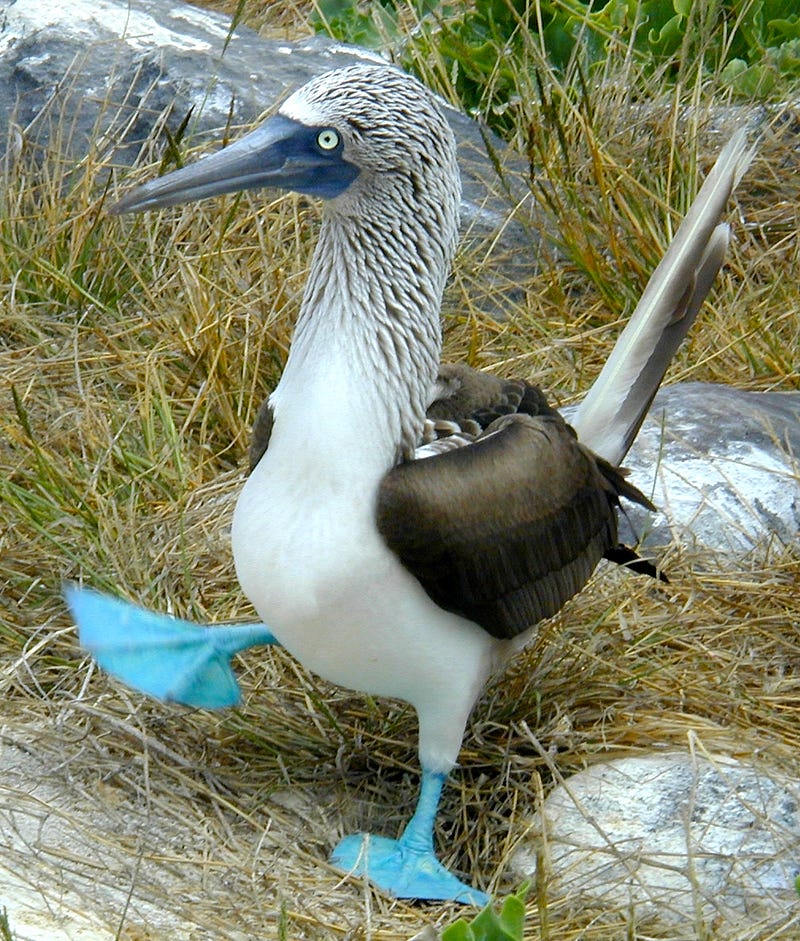
I had to reel it all the way in and release it, half dragging/drowning it in the process. Ten minutes later another booby did the same thing. So much for catching wahoo. I reeled the lines in after these two boobies, frustrated and dejected. I would have to try again later.
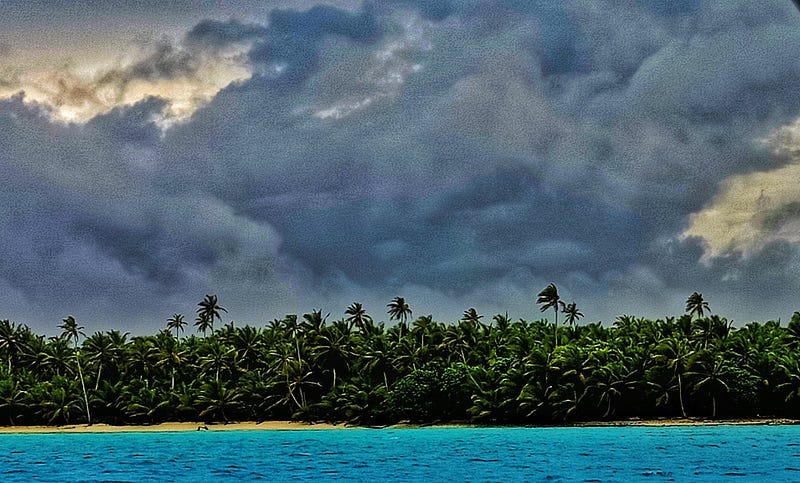
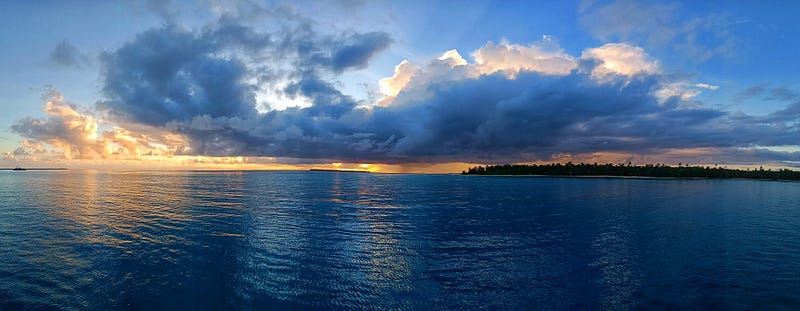
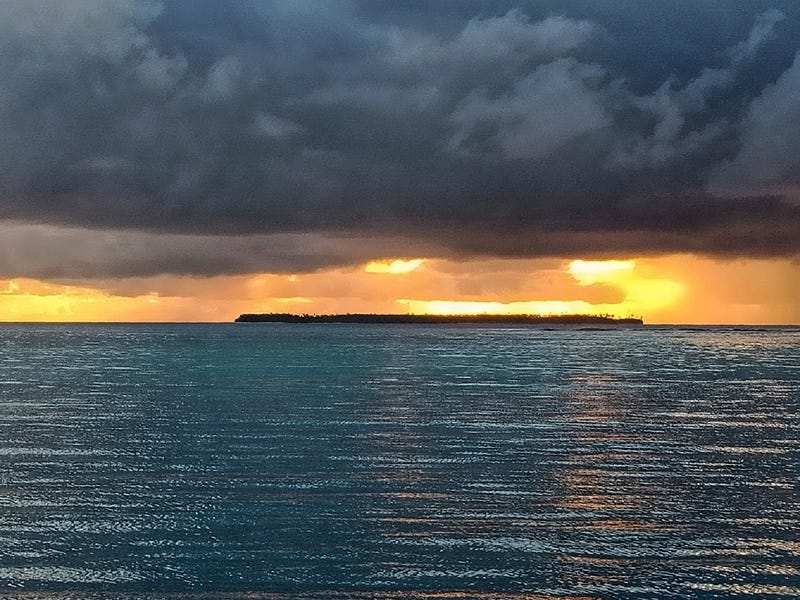
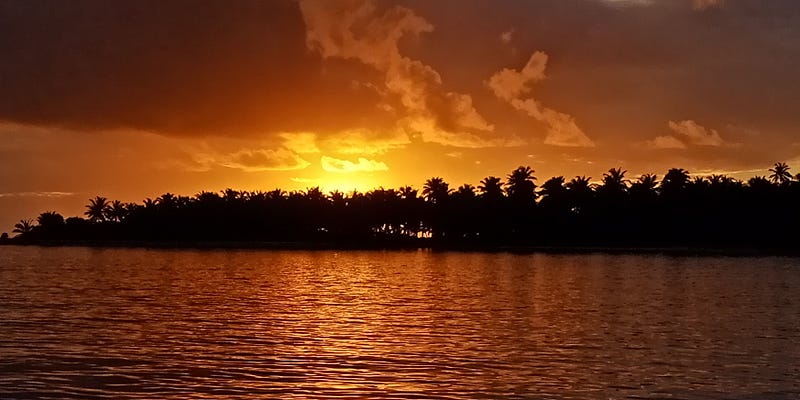
After a week of sailing, we arrived at our next destination, Cocos Keeling, which was a beautiful set of islands, pictured below. After leaving there, we had a three-week sail to our next stop, Rodrigues.
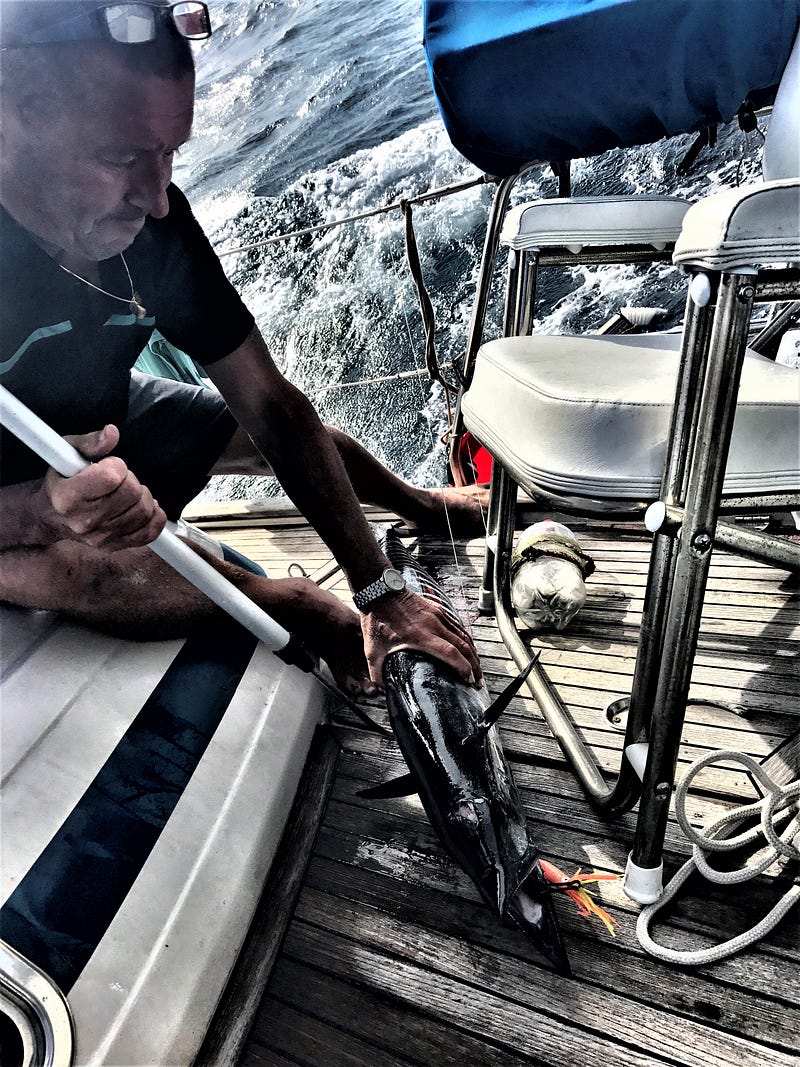
About halfway between Cocos Keeling and Rodrigues, I caught another fish. And it was a doozy! A four-foot wahoo, weighing in at 30 lbs or 15 kilos. It was an amazing catch, perhaps the pinnacle of my fishing experience around the globe.
I realize that much bigger fish have been caught, but this was the biggest fish I had ever caught. It was a delicious pelagic fish for us to eat for weeks to come. Here’s a video from my skipper’s YouTube page that catches the entire process. If you want to get right to the action, skip ahead to 2:00.
I continued fishing on this boat across the Indian Ocean, on to South Africa, Namibia, the Southern Atlantic, and up to Grenada. My journey around the world went from Panama to Panama, and I fished almost the entire way.
If you fish for 30,000 miles, you’re bound to catch a fish or two. I learned to enjoy fishing and all of the people I crewed with enjoyed eating what I caught. Fishing is a great way to pass the time as you sail around the world.
Here are a few of my other articles, if you’re interested in reading more about my journey.

Sign up for our new newsletter to stay informed with up-to-date curations from our editors:👇


