
Fish Tape Worm- Causing Megaloblastic Anemia
Vitamin B12 is one of the eight B vitamins found in the human body. Its main functions are metabolism and red cell formation. It is a water-soluble vitamin, also known as cobalamin.
Its deficiency can lead to anemia, predominantly megaloblastic anemia.
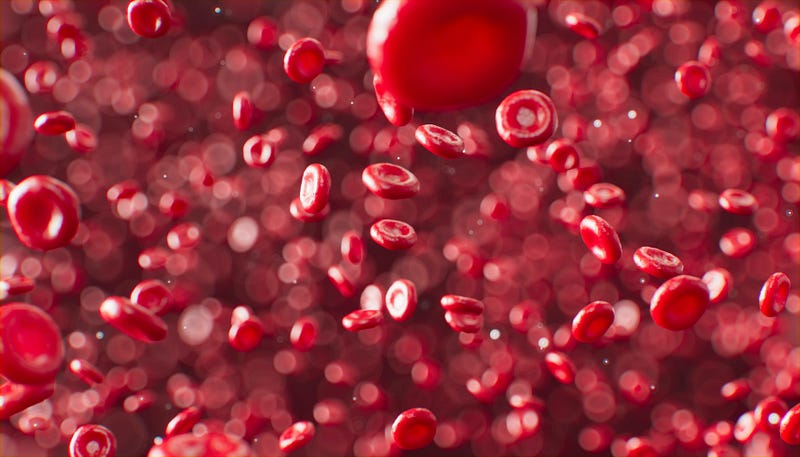
What is Anemia?
It is a blood disorder, mainly of red blood cells. It is defined as a reduction in the blood hemoglobin concentration below normal for a specific age and sex.
However, the laboratory values of hemoglobin concentration can vary. Typically, the following values are the WHO diagnostic criteria for anemia:
Hemoglobin in adult males less than 130g/l
Hemoglobin in adult females less than 120g/l
What are the Important Types of Anemia?
Generally, it is classified into the following three types:
· Microcytic, hypochromic
· Normocytic, normochromic
· Macrocytic
What are the General Symptoms and Laboratory Findings of Anemia?
The following symptoms are generally found in all types of anemias:
· Lethargy
· Headaches
· Palpitations
· Shortness of breath
· No exertion
Its general laboratory findings include the evaluation of the following three main blood cells parameters:
· Hemoglobin concentration
· MCV (Mean Corpuscular Volume)
· Microscopic examination of RBCs to identify abnormality in their size, shape, and color.

Megaloblastic Anemia: Its Definition, Clinical Features, Laboratory Findings, and Causes
It is a type of macrocytic anemia. In fact, it is a group of hemoglobin deficiencies in which erythroblasts in the bone marrow show abnormalities. Basically, there is a delay in the nucleus maturation as compared to the cytoplasm. This happens as a consequence of defective DNA synthesis.
This defective DNA synthesis is caused either by vitamin B12 deficiency or folate deficiency.
Clinical Features
The following symptoms can lead to a diagnosis of this disease:
· Jaundice
· Glottisitis
· Angular cheilosis
· Mild symptoms of malabsorption
· Purpura
· Dyspnea
Laboratory Findings
The following laboratory findings ensure a positive diagnosis of megaloblastic anemia:
· MCV>98fl
· Ovalocytes in blood film
· Reticulocyte count is low
· Total white blood cell count is moderately low
· Platelet count is moderately low
· Neutrophils show hyper-segmented nuclei
· Bone marrow shows hyperactivity
· Erythroblasts are enlarged
· Erythroblasts show an open, fine, lacy primitive chromatin pattern
· Erythroblasts show normal cytoplasmic hemoglobinization
· Presence of abnormally shaped and giant metamyelocytes
· Raised serum unconjugated bilirubin
· Raised serum lactate dehydrogenase level.
Causes
Deficiency of the following two minerals is the main cause of this disease:
· Vitamin B12
· Folate
Thus, if vitamin B12 is depleted in your body, you may become anemic straight away. There are several reasons that can lead to this vitamin deficiency. Among all these causes, a parasite is one of the most common causes of its depletion.
Which Parasite Can Cause Megaloblastic Anemia?
Fish tapeworm is the correct answer to this question. Medically, it is known as Diphyllobothrium latum. It belongs to the cestode class of parasites. Unlike, other cestodes, its scolex has two elongated sucking grooves by which it gets attached to the human intestine.
It is the longest tapeworm measuring up to 13 m. Its eggs are oval in shape and have lid-like openings. Moreover, its proglottids are wider than they are long, and the gravid uterus is in the form of a rosette.

How Humans Can be Infected with Fish Tape Worms?
Pathologically, it is found that humans can be infected by this worm by ingesting raw or undercooked fish containing larvae. In the small intestine, the larvae attach to the gut wall and develop into the adult worms.
Life Cycle of this Parasite
In an infected human, the parasite’s gravid proglottids release fertilized eggs through the genital pores. The eggs are passed in the stools. The immature embryo must be released into the freshwater to continue its life cycle.
The embryos emerge from the eggs and are eaten by copepod crustacean which is the first intermediate host of these parasites. After this, that copepod crustacean is ingested by a freshwater fish that can be pike, trout, perch, and many more. This uncooked fish when eaten by a human can cause anemia in that human being.
How Fish Tape Worm Can Cause Megaloblastic Anemia?
Pathologically, the infection by D.latum causes small intestine infection in humans. In most cases, this microbe causes vitamin B12 deficiency in the infected individuals. This happens because the organism preferentially uptake the vitamin from the infected individual’s body.
What are the Clinical Findings of Infected Patients?
Most often, these patients show no symptoms. Whereas, the following two are the symptoms commonly observed in such infected individuals:
· Abdominal discomfort
· Diarrhea
What is the Laboratory Diagnosis for This Tape Worm?
Diagnosis depends on finding the typical eggs in a patient’s stool sample. There is no serological test for its diagnosis. The following are the particular diagnostic features of these eggs:
· Oval shaped
· Operculum at one end
· Yellow-brown eggs.
What is the Preventive Measure to avoid this Parasite?
The following prevention is suggested to avoid D.latum infection:
· Properly cook fish
· Adequately dispose of human feces.
Final Thoughts
Certainly, the megaloblastic anemia has adverse outcomes. It can even lead to sterility. Therefore, try your best to protect yourself from it. Have a check on your die. Ensure yourself the appropriate ingestion of folate and vitamin B12. Avoid eating raw or improperly cooked fish to prevent yourself from the fish tapeworm infection, that sucks your body’s vitamin B12.