
First Powerful Step to Overcome Every Inequality- Racism, Sexism, Colourism you name it
Hint: The answer is in history.
I’ve always been a huge feminist. To be honest, I’m Borderline radical.
I have a keen eye for the slightest sexism or misogyny around me and I can’t ever let it go. But a big question(it's probably because I have an analytical brain) that I have always failed to answer is.
Why do communities and countries all over the world have patriarchy? How is it that through centuries of oppression and inequality almost no culture realises how powerful an equal society would be? How is it that for years every community has raised its voice against unfairness. Yet we don't have any place without- Genderism, Racism, Casteism, Colourism…the list is endless
And the answer I realized today is something that's so obvious. It has always been in front of us. It's our History.
As George Santayana said — “Those who cannot remember the past are condemned to repeat it.”
It's so simple, yet powerful.
History is our lens into the past, and our path to the future. One of the quickest and most successful ways to uproot someone's identity is to erase their history. It's a tactic that has been used through time and wars.
But this same tactic is also the quickest way to connect someone to a person’s culture and identity. History has the power to make people empathise with a story that was never their own, yet accept it as though they were a part of it.
History is what teaches people to repent and change. And this is why it is so important for every individual to be connected to their history no matter how far back in time it is.
In post-WW2 Germany, children till today i.e 2020 are taught about their ancestors who turned into Nazis, who massacred Jews and were the reason behind genocide and a war that killed Millions.
Germany has the names of every Jew it ever killed engrained in the sidewalks on which people walk to work and school every day. It has museums, the Berlin wall — remnants of its history. That reminds the future what violence, intolerance and inequality can do to a culture.
This is the power of history is to remind people of the atrocities. To sensitise them and make them wary. To never repeat what has been done in any form or way.
Overcome Oppression with Empathy
If every country, community could teach us our history of oppression, inequality, injustice. No matter what form or way we committed it. If we can learn to see what the people before us suffered from. If we can learn what the actions of our ancestors have caused and what the waves of change have created.
We might be able to finish inequality. We would no longer fight for the rights of the LGBTQ. Our culture of equality would grant them those rights as a form of natural law. We would not oppress a race that has been in our country for hundreds of years and has shaped our history in innumerable ways. We would accept them because we would see the entwined cultures even if they belonged to a different race.
We would not judge gender and stereotype it. Because we would be sensitised to the hazards mental, physical and emotional for any gender to be stereotyped whether we belong to it or not.
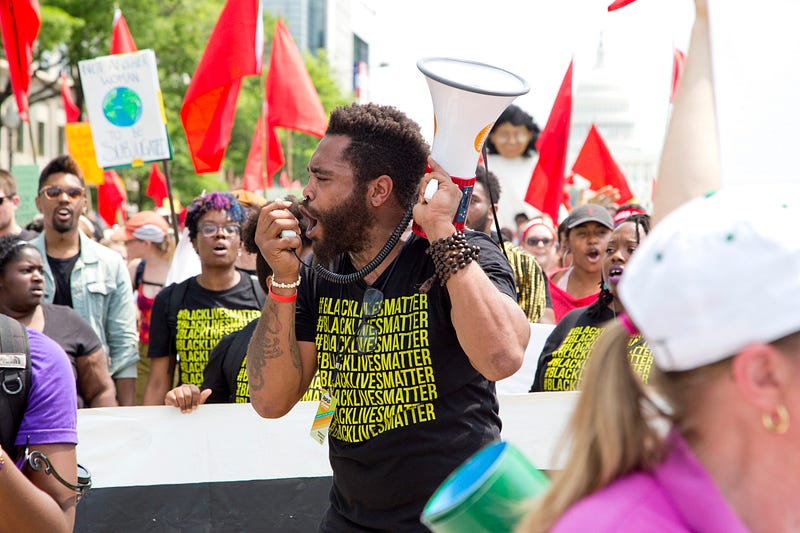
Another example of this is America celebrating Juneteenth. Why was such an important day in American history never celebrated before? The day black slaves were emancipated in America. The day black people gained their freedom as citizens of a country. The day white people stopped behaving like overlords and slave traders. But began treating Blacks as equals.
Had the young people been educated much earlier about the culture of the races that live and call America home. People would be more tolerant of the diversity present around them. They would work to uplift every one of these races, not predominantly white or predominantly black or even red.
The celebration of Juneteenth is a remarkable step forwarding in educating and empathising with a community of people that you aren’t part of, but are a part of your history.
If this example could be followed and replicated for every case of inequality.
If for Gender equality we taught young people about the women’s marches. The economic progress we’re making in countries because of changing social structures which promote equality. The yin-yang which is masculine and feminine energy…if we could speak a little more about the power of creating equality of any form in a country. If we could speak a little more of the disasters of creating an unequal society. We could change so much…
We might be able to live in an egalitarian society.
Yes, it might sound like a high and mighty ideal world. Because as humans we gain our strength and power from pushing ourselves above others. While this will create certain power struggles for a few entities or individuals as it always has through history. But it would help change perspectives of society for society.
Maybe, just maybe we would wake up to a world where people cared and valued each other because they knew their story. That story which helped them not only empathise but empower each other.
As Maya Angelou said — History, despite its wrenching pain, cannot be unlived, but if faced with courage, need not be lived again.


