avatarPrashansa Gadgil

Free AI web copilot to create summaries, insights and extended knowledge, download it at here

3259

Abstract

e doing until they’ve done it. Nor do they go about their business feeling dewy and thrilled…We all often feel like we are pulling teeth, even those writers whose prose ends up being the most natural and fluid. The right words and sentences just do not come pouring out like ticker tape most of the time.”</p></blockquote><p id="bb93">This sentence from Lamott’s essay struck a chord with me. I began writing with whatever came to my mind, however imperfect or naïve, or unrelated.</p><p id="f189"><b>3. You can’t write the second draft directly</b></p><p id="a3f6">Writers do not end up with the good second drafts directly; they have to go through the first imperfect and unacceptable draft. You need to have something with which you can work. Writing first drafts even for Lamott was not that enjoyable as she wrote —</p><blockquote id="dc90"><p>“For me and most of the other writers I know, writing is not rapturous. In fact, the only way I can get anything written at all is to write really, really shitty first drafts.”</p></blockquote><p id="48d0"><b>4. No one is ever going to see that first draft</b></p><p id="1726">Doesn’t that sound so comforting? No one is going to see that draft.</p><p id="3912">You DO NOT have to PUBLISH the first draft. Really! It is just for your eyes.</p><p id="63aa">So, you don’t need to fear. Whether or not it will be worth the second draft and whether there’s any hope for it can be decided (of course by you) when you have that first draft ready. And so you can be as relaxed and stress-free while writing that first draft, knowing well that the wastepaper bin (or delete button) is your friend.</p><figure id="d94d"><img src="https://cdn-images-1.readmedium.com/v2/resize:fit:800/0*VPbK-O0X0NSDBiOA"><figcaption>Photo by <a href="https://unsplash.com/@steve_j?utm_source=medium&amp;utm_medium=referral">Steve Johnson</a> on <a href="https://unsplash.com?utm_source=medium&amp;utm_medium=referral">Unsplash</a></figcaption></figure><p id="f1bc"><b>5. Pause your perfectionist mind and just let the fingers move</b></p><p id="f9cc">The first draft is allowed to wander where it pleases. The first draft will give you a sense of where you want to go with the story. And you will have various other drafts to correct different parts of it, polish them, and replace and cut and edit.</p><p id="0eae">But for the first draft, we can keep the part of our mind which wants to win the Nobel Prize silent. So please do not allow it to interrupt. Do not let it tell you that your idea is shitty.</p><p id="6c1d">Tell your mind you know it is shitty, and that is what you intend to write in the first draft. You are not looking to sell but to get down your story as you see it at this moment. You’ll have time to find the perfect words later on.</p><figure id="d9b6"><img src="https://cdn-images-1.readmedium.com/v2/resize:fit:800/0*gPQqmfC8bkJypedr"><figcaption>Photo by <a href="https://unsplash.com/@waguluz_?utm_source=medium&amp;utm_medium=referral">Andreas Wagner</a> on <a href="https://unsplash.com?utm_source=medium&amp;utm_medium=referral">Unsplash</a></figcaption></figure><p id="df2b"><b>6. Too long, incoherent, and hideous — That’s a perfect first draft!</b></p><p id="b665">Look at what Lamott said about one of

Options

her first drafts —</p><blockquote id="c656"><p>“The whole thing would be so long and incoherent and hideous that for the rest of the day I’d obsess about getting creamed by a car before I could write a decent second draft. I’d worry that people would read what I’d written and believe that the accident had really been a suicide, that I had panicked because my talent was waning and my mind was shot.”</p></blockquote><p id="40a6">And so, when you believe that you have come to the end of the first draft and you find it to be all the above, then you need to be happy. Not because the first draft is terrible. But because you have something on which you can work the magic. You are on that path now. You got the ball rolling. You can now proceed to make that story a little better.</p><p id="a383">In a few more drafts, you can learn some rules along the way. Then, by applying the rules you’ve acquired, you will produce a coherent and engaging story. And then, your novel will finally be perfect. It will speak to the readers and entertain them or give them something to think about or a new perspective or whatever you would have them experience or feel.</p><p id="c0ce"><b>7. It is a process. Remember this while starting every First Draft.</b></p><figure id="d328"><img src="https://cdn-images-1.readmedium.com/v2/resize:fit:800/0*Q9GMuPQovm-qNEAF"><figcaption>Photo by <a href="https://unsplash.com/@debbieducic?utm_source=medium&amp;utm_medium=referral">Debbie Ducic</a> on <a href="https://unsplash.com?utm_source=medium&amp;utm_medium=referral">Unsplash</a></figcaption></figure><p id="4e6d">Experience comes with much practice and time. And if a writer like Anne Lamott can say that her process for every new piece is the same as that of going through with a bad first draft, then I have to remind myself of that too until I have my process sorted out and that can be awhile.</p><p id="0926">Editing your work and thinking about making it better and tighter and cleaner is a whole different ball game and learning process. But then again, you cannot take that journey unless you cross this bridge first — getting that first draft down.</p><p id="26b8">And so, as long as it takes, no matter when I want to write something new, I will remember this. That the process will be the same and that — I am <b>Allowed to Write </b>a <i>Shitty First Draft</i>. I want to end with another quote from Lamott, which I can always fall back on while starting on a first draft —</p><blockquote id="bd05"><p>“Almost all good writing begins with terrible first efforts. You need to start somewhere. Start by getting something — anything — down on paper. A friend of mine says that the first draft is the down draft — you just get it down. The second draft is the up draft — you fix it up. You try to say what you have to say more accurately. And the third draft is the dental draft, where you check every tooth, to see if it’s loose or cramped or decayed, or even, God help us, healthy.”</p></blockquote><p id="d331"><b>I hope these points encourage you to pick up your pen or laptop and begin writing that First (shitty or not) Draft!</b></p><p id="da45"><b>Work Cited</b></p><p id="43b3">Lamott, Anne. <i>Bird by Bird</i>. Anchor Books, 1994.</p></article></body>

First Drafts Can Be Shitty

Don’t overthink. Write that first draft!

Photo by Velizar Ivanov on Unsplash

NaNoWriMo is around the corner. Will you dare to attempt it or will you shudder at the thought of penning that monstrous first draft?

I kept myself from writing longer forms like story collections or a novel for a very long time because I was wrongfully expecting my first draft to come out perfect. I thought I had to be adept in writing before I even begin writing a large project.

I read an essay called “Shitty First Drafts” by the fantastic writer Anne Lamott in her book Bird by Bird. It was very freeing to my mind. As a result, I have been able to muster the courage to begin writing.

Here are a few ideas from her essay and my thoughts on them.

  1. All great writers write “Shitty First Drafts”
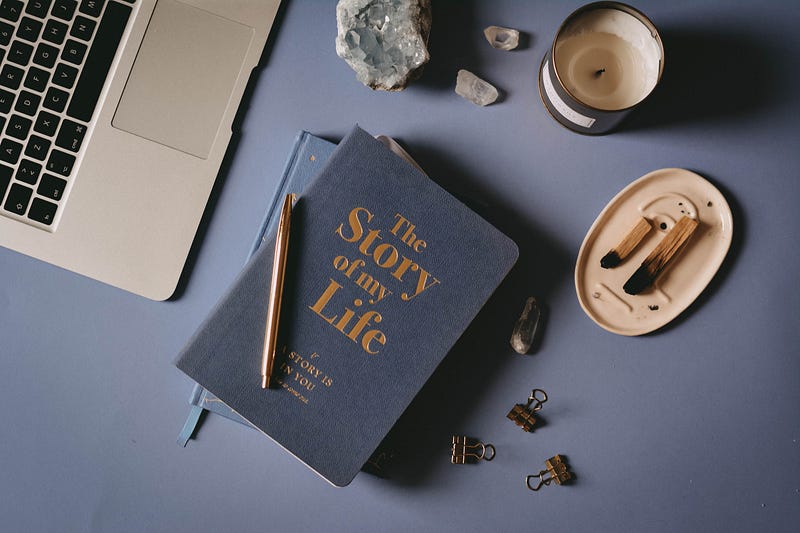
Photo by Content Pixie on Unsplash

Well, there may be exceptions, but Anne Lamott does not speak very fondly of those writers. Her words about “Shitty First Drafts” are thus —

“All good writers write them. This is how they end up with good second drafts and terrific third drafts. … I know some very great writers, writers you love who write beautifully and have made a great deal of money, and not one of them sits down routinely feeling wildly enthusiastic and confident. Not one of them writes elegant first drafts.”

The above quote was freeing for me to read. I wondered that if writers of the likes of Anne Lamott could cringe at the thought of the first draft and could confess that they all wrote terrible first drafts; I need not worry about my fears. They are justified. as I am just starting. I can still aim to write that first draft.

2. There’s no way to know what you want to write until you’ve written it
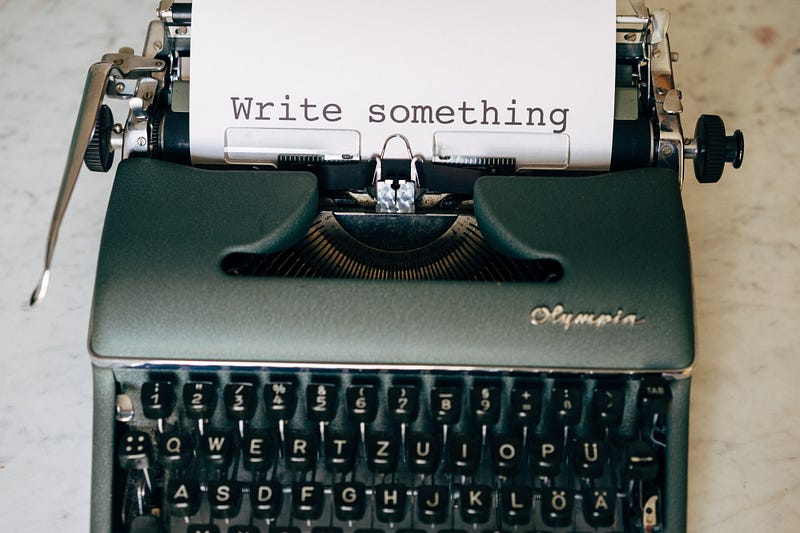
Photo by Markus Winkler on Unsplash

I have found myself thinking and thinking endlessly about the ideas that I have had without even writing down a single word. Not knowing where exactly to begin is one of the biggest dilemmas for novice writers.

Anne Lamott puts it this way —

“Very few writers really know what they are doing until they’ve done it. Nor do they go about their business feeling dewy and thrilled…We all often feel like we are pulling teeth, even those writers whose prose ends up being the most natural and fluid. The right words and sentences just do not come pouring out like ticker tape most of the time.”

This sentence from Lamott’s essay struck a chord with me. I began writing with whatever came to my mind, however imperfect or naïve, or unrelated.

3. You can’t write the second draft directly

Writers do not end up with the good second drafts directly; they have to go through the first imperfect and unacceptable draft. You need to have something with which you can work. Writing first drafts even for Lamott was not that enjoyable as she wrote —

“For me and most of the other writers I know, writing is not rapturous. In fact, the only way I can get anything written at all is to write really, really shitty first drafts.”

4. No one is ever going to see that first draft

Doesn’t that sound so comforting? No one is going to see that draft.

You DO NOT have to PUBLISH the first draft. Really! It is just for your eyes.

So, you don’t need to fear. Whether or not it will be worth the second draft and whether there’s any hope for it can be decided (of course by you) when you have that first draft ready. And so you can be as relaxed and stress-free while writing that first draft, knowing well that the wastepaper bin (or delete button) is your friend.
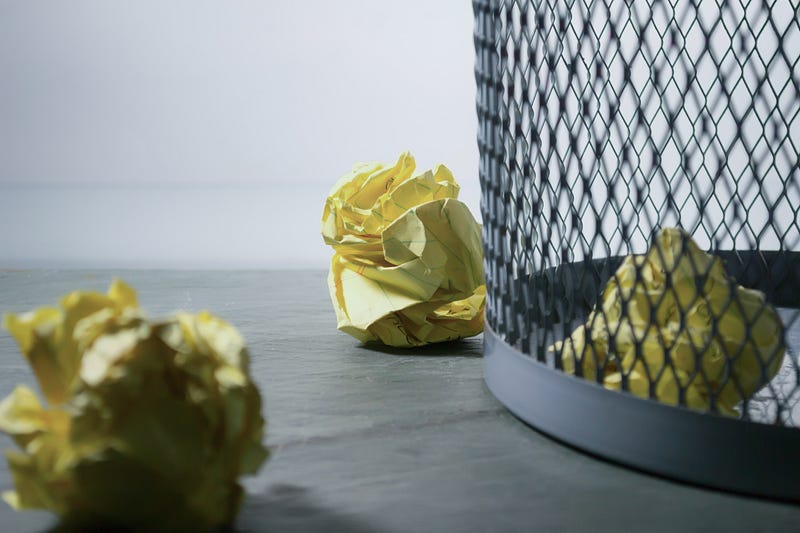
Photo by Steve Johnson on Unsplash

5. Pause your perfectionist mind and just let the fingers move

The first draft is allowed to wander where it pleases. The first draft will give you a sense of where you want to go with the story. And you will have various other drafts to correct different parts of it, polish them, and replace and cut and edit.

But for the first draft, we can keep the part of our mind which wants to win the Nobel Prize silent. So please do not allow it to interrupt. Do not let it tell you that your idea is shitty.

Tell your mind you know it is shitty, and that is what you intend to write in the first draft. You are not looking to sell but to get down your story as you see it at this moment. You’ll have time to find the perfect words later on.

Photo by Andreas Wagner on Unsplash

6. Too long, incoherent, and hideous — That’s a perfect first draft!

Look at what Lamott said about one of her first drafts —

“The whole thing would be so long and incoherent and hideous that for the rest of the day I’d obsess about getting creamed by a car before I could write a decent second draft. I’d worry that people would read what I’d written and believe that the accident had really been a suicide, that I had panicked because my talent was waning and my mind was shot.”

And so, when you believe that you have come to the end of the first draft and you find it to be all the above, then you need to be happy. Not because the first draft is terrible. But because you have something on which you can work the magic. You are on that path now. You got the ball rolling. You can now proceed to make that story a little better.

In a few more drafts, you can learn some rules along the way. Then, by applying the rules you’ve acquired, you will produce a coherent and engaging story. And then, your novel will finally be perfect. It will speak to the readers and entertain them or give them something to think about or a new perspective or whatever you would have them experience or feel.

7. It is a process. Remember this while starting every First Draft.

Photo by Debbie Ducic on Unsplash

Experience comes with much practice and time. And if a writer like Anne Lamott can say that her process for every new piece is the same as that of going through with a bad first draft, then I have to remind myself of that too until I have my process sorted out and that can be awhile.

Editing your work and thinking about making it better and tighter and cleaner is a whole different ball game and learning process. But then again, you cannot take that journey unless you cross this bridge first — getting that first draft down.

And so, as long as it takes, no matter when I want to write something new, I will remember this. That the process will be the same and that — I am Allowed to Write a Shitty First Draft. I want to end with another quote from Lamott, which I can always fall back on while starting on a first draft —

“Almost all good writing begins with terrible first efforts. You need to start somewhere. Start by getting something — anything — down on paper. A friend of mine says that the first draft is the down draft — you just get it down. The second draft is the up draft — you fix it up. You try to say what you have to say more accurately. And the third draft is the dental draft, where you check every tooth, to see if it’s loose or cramped or decayed, or even, God help us, healthy.”

I hope these points encourage you to pick up your pen or laptop and begin writing that First (shitty or not) Draft!

Work Cited

Lamott, Anne. Bird by Bird. Anchor Books, 1994.

Writing
NaNoWriMo
Shitty First Drafts
Beginning
Novel Writing
Recommended from ReadMedium