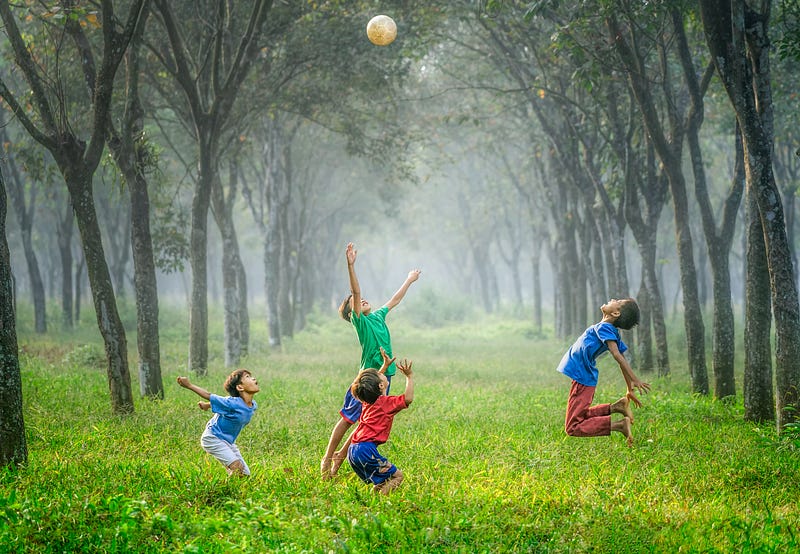
Summary
The article encourages writers to embrace different life stages in their writing process, from the uninhibited creativity of childhood to the refined wisdom of an elder.
Abstract
The text outlines a metaphorical approach to writing that likens the creative process to the stages of human life. It suggests beginning with the unfiltered, spontaneous expression characteristic of a child, progressing to the playful experimentation of a teenager, then moving to the more critical and discerning editing phase of an adult, and finally adding depth and nuance as a wise elder would. The overarching message is that each poem represents a life in itself, allowing the poet to experience multiple lives within a single day.
Opinions
- Writing should start with uninhibited expression, akin to a child's unselfconscious scribbling.
- The writing process should include a phase of playful exploration and revision, similar to a teenager's experimentation.
- As an adult in the writing process, one should critically assess their work, stripping it down to its essence.
- In the final stage, the writer, like a wise elder, should enrich the work with depth and detail.
- The article conveys a deep respect for the creative process, viewing each poem as a unique life experience.
- It emphasizes the privilege of writers to live multiple lives through their craft, highlighting the profound and transformative nature of writing.