
Anger is Like Fire
And this is how you handle it so it can cook for you and not burn your house down.
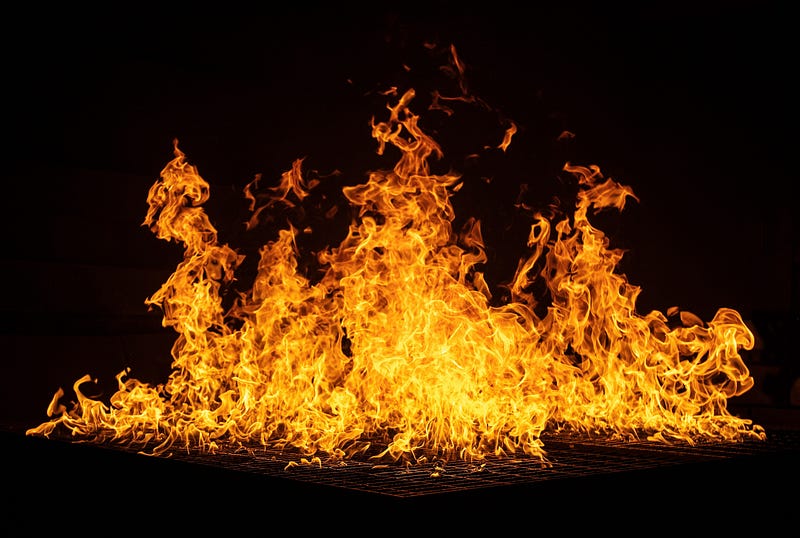
“Emotions, particularly anger, are like fire. They can cook your food and keep you warm, or they can burn your house down.” -Cus D’Amato
Fire is a natural and normal occurrence. It can even be a beautiful thing to watch, but it can get out of control and turn into a raging inferno that consumes you and all else in its path. Like a fire, anger too can feel good sometimes. Anger can move you to action, to rise against injustice, or to protect yourself and the people you care about.
However, just like a fire, anger too can turn into a raging inferno and consume you. If it takes control of you, it can diminish your ability to think, and sadly, that is how it is for some people. Its power feels so overwhelming that they feel powerless against it. Even if they do not realize it, they are always at its mercy. This way anger has ruined many relationships, destroyed life long bonds, caused problems at work, and its various manifestations it takes a toll on health.
We cannot escape the situations that cause the initial sparks. It can be anything: being cut off in traffic, an unacknowledged courtesy, your child not picking up after himself, a sink full of unwashed dishes, the list is inexhaustible. However, you can control how you react. It is within your power to douse the flames, minimize its outward expressions, and redirect the energy before it rages out of control.
People deal with anger in unique ways:
- Some can bottle it up and go about their business without giving it any expression. Except this can lead to other problems. Suppressed anger can be an underlying cause of anxiety and depression. And even if they eventually direct all that pent up energy towards something positive, the lack of expression can lead to passive aggression against the object of their anger. What is worse is that sometimes the person at the receiving end of that aggression may not understand why? Such behavior can put a strain on relationships.
- Some never shy away from giving expression to their anger. They can rage like the incredible Hulk to let you know exactly how pissed they are, or what they plan to do about it. Giving expression to your anger can be an agreeable thing, but there is a right way to do it that can lead to positive outcomes, and the experts advise you to exercise it sparingly. Also, when you give expression to your anger, be sure to have a rational idea of what the problem is, what it is you need to do, then express it in an assertive but restrained, nonaggressive, and nonviolent manner. That (bad) advice that you should let the fire rage and burn itself out, I discovered to my dismay, usually leads to unintended casualties and regrets. I have rarely made a speech in anger that I didn’t live to regret at least some part of it. This has led to the permanent end to a particular relationship that I sorely miss to this day.
- Finally, some can douse the flames completely. These are my favorite people! These people have mastered the art of two things: first, they can control the outside expression of the anger and two, they can calm the rage inside till it subsides. They use some very effective strategies that over time become second nature to them. I have learned to use a few of them myself and to great success. You can achieve this calming too if you adopt some simple but effective strategies. Here are a few:
- Breathe: you take slow, deep breaths, and breathe deeply from way down in the pits of your stomach. Breathing is the number one technique for calming your rage, and there are different breathing techniques to help you achieve this.
- Drink some cold water: water has always been the antidote for fire.
- You can change your position: if you are on your feet, take a seat; if you are already sitting down, you can recline.
- Have a change of scene: if the cause of your annoyance is in the present environment, leave! A change of scene can do you a world of good.
- Take a timeout: if the point above is not practical, then at least take a time out. Yes, I know you are not five years old, but giving your adult self a short, quiet time away from the source of your anger usually does a lot of good. It gives you time to simmer down, gather your thoughts, and gain some perspective.
“Speak when you’re angry and you’ll make the best speech you’ll ever regret.”–Groucho Marx.
- Stop talking: speaking in heat of the moment often assures you say things that you can only wish you could take back. Take the silent time to collect your thoughts.
Conclusion
Anger doesn't have to be a destructive thing. It is a normal and sometimes vital human emotion because it can ensure our survival by fueling our response to fight when we find ourselves in danger. The expression of our anger can serve as a signal to our antagonists that enough is enough. However, when it gets out of control there can be undesirable consequences.
It is therefore best to get a handle on it. The best way is to learn how to control your outward expression of it and then calm the tension you feel inside. We achieve this with a few simple strategies and we will get better over time with constant practice.
Being a master of all your emotions can be a bit of a challenge for most people. So if you find your anger is always out of control despite your best efforts, then you should seek help from licensed professionals. They can help you handle it better with various effective techniques to help tame the flames.
I have rarely made a speech in anger that I didn’t live to regret at least some part of it. This has led to the permanent end to a particular relationship that I sorely miss to this day.


