
Finland’s steadily dropping birthrate presents another internal existential threat.
Beneath Finland’s idyllic exterior of snowy winters, saunas, exceptional healthcare , and economic success lies a nation grappling with a serious crisis. As it once again finds itself at the forefront of geopolitical tensions with Russia, Finland is also facing an existential threat from within due to its rapidly declining birthrate. This poses a risk not only to the country’s stability and economy but also to its very existence — as well as that of Europe and the western world.
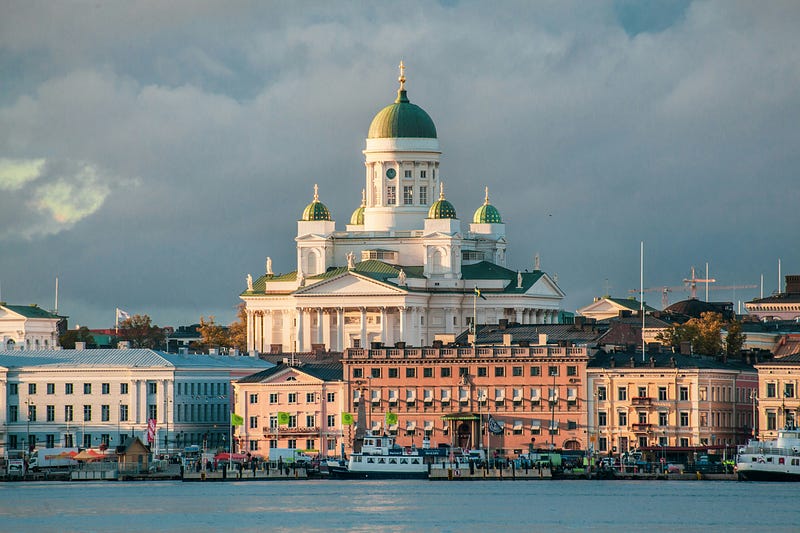
Located on Europe’s eastern edge, Finland has historically ceded territory to Russia during past conflicts, which has instilled deep-seated distrust toward its eastern neighbor. However, this adversity has also engendered powerful national pride and resilience — reflected in recent presidential elections where former Prime Minister Alexander Stubb emerged victorious on a platform of bolstering efforts against Kremlin aggression.
Despite not aligning with Nazi Germany during World War II, Finland fought alongside them against Soviet Union forces in order to reclaim lost territories, including Karelia. This Continuation War was marked by fierce battles along the Finnish-Russian border until 1944 when they were forced to sign an armistice resulting in further territorial concessions.
After World War II, despite experiencing Russian aggression firsthand, Finland chose not to join NATO or enter into any military alliances as outlined in the Paris Peace Treaty signed in 1947 which committed them instead towards neutrality. Through careful foreign policy navigation over time since then however, their society flourished leading up until recently when falling birth rates began posing significant challenges for their future security. With fewer children being born combined with rising life expectancy rates and aging population demographics overall leaving critical labor shortages especially felt among key industries like engineering or renewable energy sources; there are concerns about long-term sustainability without drastic measures taken quickly enough such as joining NATO membership sooner rather than later given renewed threats from Russia today.
Finland may struggle building up adequate defenses given over twenty percent of their population is now over sixty-five years old while simultaneously facing potential invasion risks should Russian aggression escalate further into neighboring countries like Estonia/Latvia/Lithuania where pro-Russian factions already exist along with language/cultural propaganda spreading throughout these regions aimed at stopping NATO influence altogether if possible according Estonian intelligence services quoted by The Economist recently predicting war between Russia/NATO within next decade unless something changes soon enough politically/economically/socially across all affected nations involved here (including Finland).