
Finland’s Coffee Obsession
The influence of coffee In Finnish lifestyle will amaze you
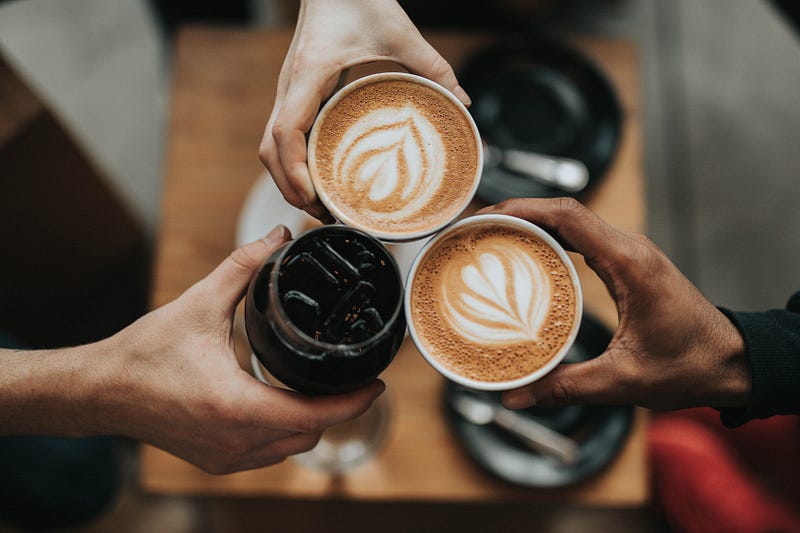
Finns are one of the largest coffee consumers in the world. According to Statista, a Finn drinks between 3 to 5 cups of coffee per day, averaging approximately 10 kg of coffee per person each year.
Did you know that it is normal in Finland to pay several euros for one small cup of coffee?
Factors That Influence Coffee Consumption In Finland
There are several psychological and social factors that play in coffee consumption and purchase.
The consumption of coffee isn’t restricted to a specific event.
It is a socially acceptable act in Finland to consume large amounts of coffee a day.
Coffee is consumed as a ‘hot’ drink that is associated with comfort, warmth, and joy.
Social factors can determine the quantity of coffee purchased. For example, in gatherings or meetings, it is more likely to purchase a large amount of coffee as normal for Finns to consume more than one cup of coffee per sitting.
The Influence of Coffee In Finnish Lifestyle
The majority of Finn's lifestyle revolves around coffee drinking.
It is normal for regular Finns to drink coffee in the morning and have two coffee breaks at work than have an afternoon coffee when they return home. This applies to a heavy coffee drinker.
However, I have not met a Finn that doesn’t drink coffee but I think they would rather drink decaffeinated herbal teas throughout the day. This is an increasing trend nowadays as many people have become sensitive to caffeine due to overconsumption or digestive issue.
Coffee is being brought in every situation and event that I know including in work, homes, meetings, events such as birthdays and weddings as well as funerals.
Different Types of Coffee Buyers
- Students who consume coffee throughout the day especially in the morning and throughout exam times
- Employers who consume coffee during their breaks and purchase coffee for their employees and staff at work.
- An employee makes sure his home is stocked with coffee so he may have a cup in the morning and upon returning from home.
- Parents who drink coffee nonstop so they can survive the hectic life with their toddlers.
- Elders who consume a cup of coffee in the morning and one in the evening.
Factors In Repurchasing of Coffee
The taste, quality, and price of coffee determines if the coffee will be repurchased by the customer.
The shop environment is important when buyers are deciding to buy coffee, they need to have different brands and strengthens (roast levels) of coffee to adjust to the different coffee preference of customers and their brand loyalty.
The shop should be laid out in an organized and neat manner where they showcase their range of coffee.
Customers are more likely to purchase coffee on the go, where coffee is prepared using a vending machine same as in local franchise supermarkets where they have a separate machine for freshly prepared coffee.
Coffee Market In Finland
The most sold coffee brands in Finland are Gustav Paulig’s Juhla Mokka and Meira’s Kulta Katriina.
Longlasting favorites are Juhla Mokka.
The retail price can be divided into 3 segments: upper-end, middle-end, and lower-end Upper-end.
- Upper-end: from about €30 per kg to €67.70 per kg
- Middle-end: from about €12 per kg to €29 per kg
- Lower-end: from about €6 per kg to €12 per kg
Marketing is usually done through TV, banners as well as social media posts by both stores and brand channels.
Coffee Buying & Consumption
Coffee consumption has been greatly affected by trends and preferences as well as the flavors of coffee.
Different cultures introduce their ways of making, producing, and consuming coffee. For example, during the last 10 years Finns have gotten used to using darker roasts when in the previous generation, lightly roasted coffee was the traditional form of coffee consumed.
Espresso is also new to Finns, which changed the buying preference of coffee.
Resources:
- Coffee In Finland — Finn partnership report
If You would like to support my journey, then kindly subscribe to my youtube channel where I will be sharing updates as well as step-by-step guides on my passive income journey as well as business strategies and tricks. Subscribe here.
Access unlimited high-quality content on Medium by subscribing here. By using my link, you support me in continuing to write on this platform and provide my strategies and tricks on building a passive online income.
About The Author
Noor is a second-year business student at Tredu. She is passionate about marketing and content creation. She recently launched her YouTube channel specializing in holistic healing.


