
Finland Expat: What It’s Like To Move To Northern Finland
From a personal perspective of an East Asian woman who recently moved to Finland
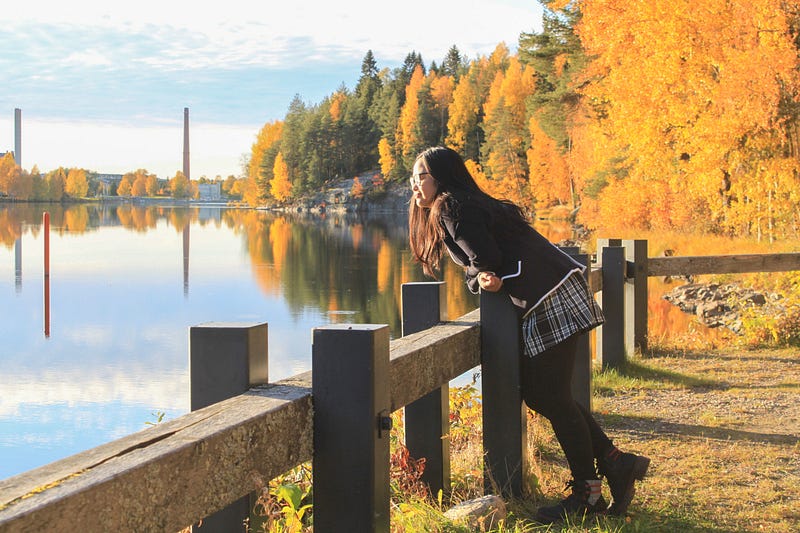
When my husband and I met for the first time in Singapore back when were both students, he asked me whether I know where Finland is. I shamelessly lied “yes” right away and pinpointed a location somewhere in Russia. The only thing I knew about Finland is that its capital is named Helsinki. I knew absolutely nothing.
Fast forward, I left for Finland in April 2021 amid a pandemic. I took the Finnair trip to Helsinki on an almost empty plane. It had been delayed due to the current situation. Before I flew to Finland I already made my research on jobs, language and culture. I researched on multiple forums and see what people would say to get mentally prepared.
- The Culture shock.
My culture and Finnish culture are opposites. Understanding the Finnish culture was extremely important to better get along with my husband’s family and to better understand my husband’s dark humour (seriously though!). I may be the first east Asian in the clan.
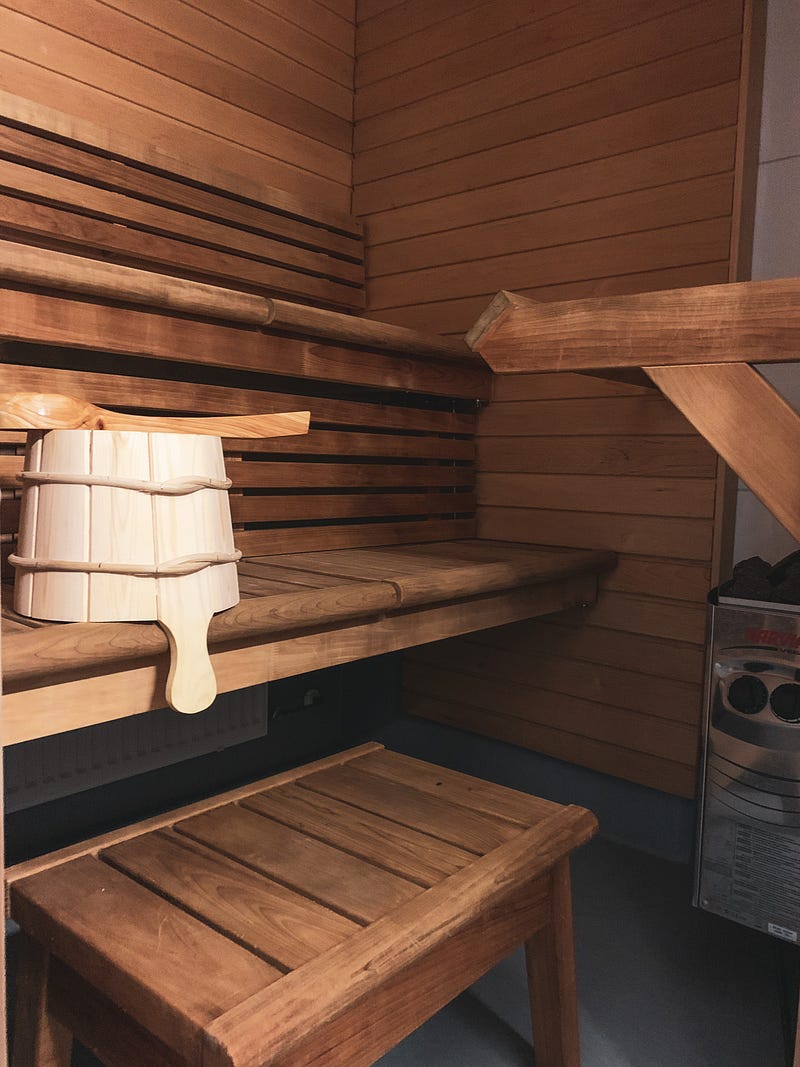
Their love for liquorice is astonishing. Sauna in the midsummer. They love to complain about how hot it could get in midsummer but insist on a sauna on a hot afternoon. I fell in love with the sauna too, we have it at home and use it at least once a week but eating liquorice does not have any liking to my palate. Finnish ice cream with liquorice is good though.
No small talk everywhere. It is just polite to leave people alone and keep a distance away from their personal space unless they are a close member of your family. I’m an introverted person who grew up in a group-oriented culture, I am not shy but small talk to someone not close to me drains my energy so I had no issue with this so far and I don't like forcing conversations either.
You say “terve!” to your neighbours if you live in an apartment building but you don’t get to know them ever. In my country, it is common that you to know everyone. It's hard to get to know any Finns outside your family, work and studies. They said the best way is to join clubs for your hobbies. I haven't found mine yet.
You don’t say, sir or ma’am to your teachers and they are more approachable like buddies when you need to ask questions. If you are unsure of something, just ask. Finnish logic!
Colognes and perfumes are not welcome in schools, dentist clinics and hospitals as a lot of Finns are allergic to them. I decided not to use them anymore.
2. Beautiful Nature. Cold Temperatures.
Finnish forests are enchanting and rich in wild foods. Mushrooms, and lots of wild berries. Lingonberries, bilberry, bog berries, cranberries, cloudberries and more! Collecting berries and mushrooms can be addicting. Beware though as there are poisonous ones. We froze the berries for baking and making jams.
Finland has four seasons. It's not part of Scandinavia but it is a Nordic country. The daytime during midsummer can be extremely long and get as much cold starting autumn. I have yet to experience real winter soon. In northern Finland, you may also spot Aurora Borealis.
3. Learning the Finnish Language should be your top priority.
The two main official languages of Finland are Finnish and Swedish. In our region, Finnish is widely spoken. An acquaintance of mine has lived in a coastal area where Swedish is widely spoken.
It's almost impossible to find an English job in northern Finland unless you look for remote gigs outside of Finland, which I did for a while. Almost all job ads in northern Finland where we live say that you must have good Finnish skills in both oral or written, which includes cleaning jobs. I mentally prepared for this scenario of not being employed right away due to the language barrier, I got a gig going that makes my side income until I attain good Finnish skills to apply for full-time work.
Health care, banks and bureaucracy are all handled in Finnish which makes them difficult to access. Finnish health care is one of the best however if you live outside of the bigger cities, you might not access it without the help of a Finnish family or Finnish speaking friend.
Due to this, learning the Finnish language has become my top priority. They say you can just get by with English, but in my personal opinion, I don't think so. You may find yourself unemployed in the long run, and not fully integrated into Finnish society. This is the case of some friends who studied in the university of applied sciences somewhere in Finland, on an English degree course but still find themselves unemployed after long years of study and living here.
There’s an immigrant training program from the TE office when you just arrived in Finland and are interested in learning the language right away. The orientation program runs for a continuous 7 weeks, Monday to Friday. I learned some basic Finnish before moving to Finland using multiple resources such as youtube FinnishPod101 and the language app, Duolingo, which is an easy and user-friendly app.
By the time I finished the 7-week orientation program, they moved me to advanced learners in another school, Oma Suomi 2 class, where I was sent to study with other immigrants and refugees. Everyone in the class except me has already lived in Finland for at least a year or even longer.
I have recently just moved to Finland (barely just turned 5 months) and I was already sent to study with them. I find it extremely tough but I am willing to throw myself at the fire. The class is conducted entirely in Finnish.
4. Food and Beverages
As of this writing, I don’t find anything spectacular regarding Finnish cuisine. They are the typical western food although there are a few favourites like lohikeitto (salmon soup). Wild mushroom from the local forest like chanterelle, when made into toppings such as pasta and pizza, is a sure hit.
When you walk into a grocery like Prisma, you won’t be able to find a lot of canned goods except for tuna and preserved fruits. Snacks with liquorice fill the candy section aisle. If you are lactose intolerant, you will never run out of choices. The cold stuff section is filled with ready-to-go foods.
Finnish coffee, Juhla Mokka is my favourite. I am a caffeine addict before moving here, I drink more coffee and milk than my Finnish husband from breakfast to supper. Ruisleipä (Finnish rye bread), leipäjuusto (squeaky cheese),and karjalanpiirakka (karelian pies) are must try.
The pros…
Finland enjoys one of the world’s most advanced and comprehensive welfare systems in the world.
When I registered as a job-seeker and started my immigrant integration program, Kela pays monthly benefits. I am grateful for this as looking for a job without Finnish skills outside of Helsinki is extremely difficult. You can do a part-time gig while learning the language (Upwork, Redbubble for example). The Kela benefits plus some side income do help a lot. You have to report your side income regularly which you can do online very easily.
Education in Finland is one of the best in the world. They have a different educational system and it's free. My teacher said it’s research-based. They say, in Finland, you are paid to go to school. An acquaintance of mine is studying in an ammattikoulu, a Finnish vocational school and gets some financial support. I have applied for a program in a vocational school but have yet to see if I got in.
Finland is a safe and peaceful country to live in. When I first moved here I thought there was something wrong with my hearing as I just couldn’t hear anything.
Bicycling around is easy. There are networks of safe bicycle routes. Children usually bicycle to school. Both old or young are enjoy cycling. On several occasions, I have spotted some kids and old people bicycling on the snow-covered pavements.
The cons…
It’s difficult to make new friends and I still try to attend networking events. The few people I’ve met are from my country however their mother tongue is entirely different from mine. Finns can speak English very well but they are shy to begin a conversation in English, especially with someone they barely know. On several occasions though, older people try to strike a conversation which I happily respond to. It's also a way to practice speaking.
I find it extremely difficult to get into the same industry as I did previously. I did both telecom engineering and network engineering but there are no such job ads in my area. Apart from the language barrier, I live in a small city. The most in-demand jobs are in health care, construction and service workers such as cleaners. They all require some Finnish language skills and of course Finnish education if you are applying in the health care sector. Everyone in my class is talking about shifting to health care and getting back into studying in a vocational school.
In order to study in the same profession at the University of Applied Sciences, for example, Engineering and IT, your Finnish skills should be good enough. There are English degree courses such as business meant for international students. I met some people who lived here after graduating several years ago from those courses and yet have difficulty integrating and getting employed. After meeting several people including those currently taking it, I still am not sure whether taking the English taught degree will integrate me better in the Finnish job market unless there are companies that doesnt require Finnish, which is rare I guess.
Moving abroad isn't always easy and being an immigrant have a lot of bumps in the road. At the moment, I find myself battling with the language barrier and changes in life. The future of my career is a little dim at the moment. My utmost priority is to be able to provide for my family… to be a dependable wife and a mother to my future children. I speak four languages, I hope to speak Finnish fluently someday and live like a local.
If you have any similar experiences or have any techniques in learning the language, let me know and comment down below.