
TEASER
Finishing Schools: They Train Body And Mind!
Learning etiquette, manners, how to sit, to dance… and to interact with others
One thing that had always fascinated me, especially when I was younger, was finishing schools. I loved reading novels about young women going to those schools to learn etiquette and dance and everything needed to move around in high-class social circles, mostly with the prospect of finding a husband.
The first finishing schools dated from the late 1800s. Back then, boys attended boarding school, where they learned different languages and the skills to take over the family business. Schools also aimed to turn them into gentlemen.
There was a need for young women to be prepared for adulthood too, hence the creation of finishing schools. Here, their manners and etiquette were polished, and they learned how to manage a household. Sometimes they also learned art, music and some languages.
Nowadays, women have their own careers and there is little need for finishing schools, but they do still exist — for both men and women. Today, terms such as ‘etiquette’ or ‘manners’ seem outdated, replaced by ‘soft skills’ and ‘cultural competencies’.
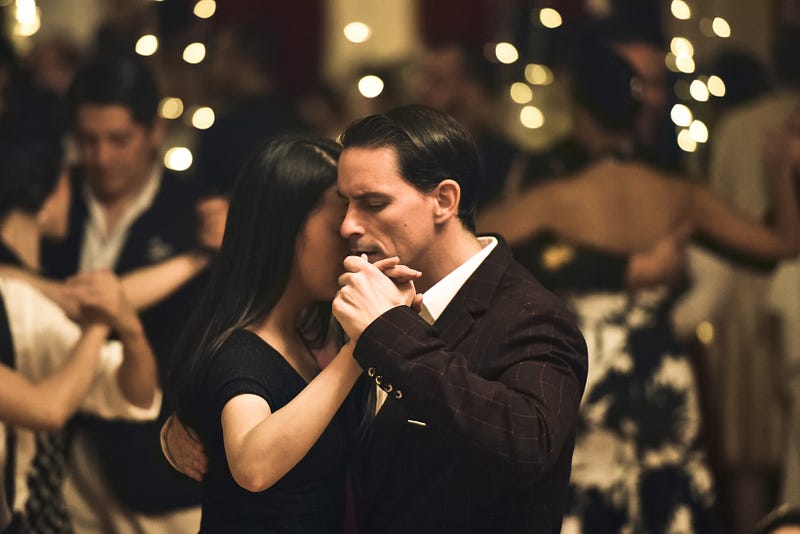
One thing the young women always had to learn in those books I read was how to carry themselves. How to walk, how to sit, and… how to dance. Then they interacted with the young men from the boarding school to practice their newly gained skills, and obviously one or two love affairs started.
As a young teenager and avid reader, I dreamed of going to a finishing school, not to learn all those skills, but to dance! But, just like my mom taught me etiquette and manners, she taught me to dance, and (if I may say so myself) I turned out to be a natural.
I’ve attended many dancing evenings in my young adult years, but thankfully never to one where men disappear, the way they do in my story.
Marie A. Rebelle is the owner of Serial Stories, editor of Tantalizing Tales and Teaser Tales, writer of fact and fiction, sometimes transgressive, sometimes erotic, and always about life. Likes to share, and treats everyone with the respect they deserve. Top writer in Short Stories, Fiction & LGBTQ. Twitter: @rebelsnotes


