avatarChing Ching

Free AI web copilot to create summaries, insights and extended knowledge, download it at here

3368

Abstract

e gates of this village after missing a few buses.</p><p id="9627"><a href="http://www.kaitaku.or.jp/en/en.htm"><b>Kaitaku no Mura</b></a><b> </b>is an open-air museum. There are 52 buildings relocated and restored to exhibits the Meiji and Taisho Periods villages from 1868 to 1926.</p><p id="bec1">Once again, I was almost alone there. The weather was cold with a gentle wind blowing. It snowed as I strolled through the village. As it was the end of the season, other than a few locals and some cleaning people, I had the whole village by myself. We bow respectfully to each other as we pass.</p><p id="7a81">It was an excellent opportunity to explore away from all the city’s noise.</p><figure id="f273"><img src="https://cdn-images-1.readmedium.com/v2/resize:fit:800/1*fcTwxfL5LZZn8QrIpwPvvQ.jpeg"><figcaption></figcaption></figure><figure id="28cb"><img src="https://cdn-images-1.readmedium.com/v2/resize:fit:800/1*nTaoYKO3GSmN1zTOBCcF4g.jpeg"><figcaption></figcaption></figure><figure id="2503"><img src="https://cdn-images-1.readmedium.com/v2/resize:fit:800/1*VCMwxa_Qe6dGopjo0x7N7w.jpeg"><figcaption>Pictures by author</figcaption></figure><p id="99a6">My mind continued its zen mode but I was curious to see what life was like in this ancient historical village.</p><p id="44e2">Like everywhere in Japan, each building was kept in pristine conditions. I took off my shoes as I stepped into the building. The floor felt cold. I wore the slippers that were set by the door.</p><p id="6a95">As I wandered around the rooms, the green grass smell of the Japanese tatami filled the space (almost similar to the smell of hot green tea but more earthy).</p><p id="2ce3">The rooms were decorated with items from the past. Each organized in its proper place as if there is a story to tell of the room’s previous owner. Each room displayed the bare minimum tools for every day's living.</p><blockquote id="47d7"><p>It makes me reflect on the number of cups and pots I have as I enter the kitchen area. Less is definitely more here in the village.</p></blockquote><p id="6b37">My favorite place in the village was the Kawanishi’s Rice Storehouse. It dates back to 1883. Inside there were stacks of rice sacks. The store house was warm and well insulated from the cold.</p><p id="14a4">As I moved close to the sacks, I found that there was actual real rice in each sack. The smell of the husky harvested rice and the hays around the bags smelt a bit like home. I sneezed a few times due to the dust.</p><p id="0a7d">I spent several hours wandering and thought about how much the world has changed. Things have evolved and change so much in the past centuries.</p><blockquote id="9c46"><p><b>Afterthoughts:</b> Never have we thought we would have a pandemic to deal with today. Significant changes are expected in every way of life. Are we ready for this wave of change? Or do we wait and soon become a decorative item of the past. A question I ask myself often these days.</p></blockquote><p id="8b75">I left the quiet, isolated village of the past.</p><figure id="9f91"><img src="https://cdn-images-1.readmedium.com/v2/resize:fit:800/1*5OqR6mtSd8tJCBmGQR0vvw.jpeg"><figcaption>Picture by author</figcaption></figure><p id="dcd1">I head off to the famous Asahikawa Zoo outskirts of Sapporo. The bus ride gave me more time for self-contemplation as I watch the snow-covere

Options

d forest as we drove by. Beautiful and serene.</p><p id="4896">This zoo is famous for the way it uses glass tunnels and domes to allow visitors to fully experience what it feels like to be close to animals. The area around the fierce animals is almost as open as it can be to allow visitors to walk around the animals.</p><p id="55cd">I remembered having a staring competition with the tiger there. In some enclosures, you can almost stroke the giraffe’s neck or pat the polar bear. The proximity to animals was incredible, that you soon find your nose filled with the natural animal ‘perfume’. Each with its own distinct smell.</p><p id="b2cc">The most memorable place in the zoo was the Hippopotamus enclosure. As I approach the barrier, I could only laugh when I read the signage.</p><p id="1e53">I guess amid all the zen and stillness; the Japanese managed to squeeze in some humor to complete this beautiful trip.</p><p id="8fec">LOL…</p><p id="3d08">I backed away from the hippos immediately!!</p><figure id="4591"><img src="https://cdn-images-1.readmedium.com/v2/resize:fit:800/1*s76E8lYMSyqvd46qf7FXnQ.jpeg"><figcaption></figcaption></figure><figure id="e13d"><img src="https://cdn-images-1.readmedium.com/v2/resize:fit:800/1*WTrR9_nhsxr0Tz2slKV8dA.jpeg"><figcaption>Pictures by author</figcaption></figure><p id="54cf">Things to remember if you are travelling in Japan.</p><ol><li>Turn your phone to ‘silent’ mode when you are in public transportation. Speaking loudly in public is frown upon.</li><li>Japanese people bow to show respect. Do return the same gesture.</li><li>If you are eating noodles, don’t twirl them like spaghetti. You are meant to slur them.</li><li>Try not to use your chopsticks to stab at your food. Don’t be shy to ask for a fork if you are struggling with chopsticks.</li></ol><p id="72c9">I hope this gave you a glimpse of Hokkaido.</p><div id="b6d7" class="link-block"> <a href="https://readmedium.com/full-moon-dungun-east-coast-of-malaysia-633a69ee0c8"> <div> <div> <h2>Full Moon @ Dungun, East Coast of Malaysia.</h2> <div><h3>Beautiful beaches of Malaysia. How the moonlight serves as a guide.</h3></div> <div><p>medium.com</p></div> </div> <div> <div style="background-image: url(https://miro.readmedium.com/v2/resize:fit:320/1*wEA0c1cSr4bc9iRuRxuRgg.jpeg)"></div> </div> </div> </a> </div><figure id="8e56"><img src="https://cdn-images-1.readmedium.com/v2/resize:fit:800/1*u47U9ob7GJqx71PhBClRIQ.png"><figcaption></figcaption></figure><p id="8a70"><b><i>Sign up for our new newsletter to stay informed with up-to-date curations from our editors:👇</i></b></p><div id="17f1" class="link-block"> <a href="https://codyjameshowellphd.substack.com/"> <div> <div> <h2>World Traveler's Blog</h2> <div><h3>Digital nomad tips and travel stories from around the world</h3></div> <div><p>codyjameshowellphd.substack.com</p></div> </div> <div> <div style="background-image: url(https://miro.readmedium.com/v2/resize:fit:320/0*duLP7DbvJzjb7icC)"></div> </div> </div> </a> </div></article></body>

Finding Zen and ‘Hippo’ Humour in Hokkaido, Japan

Even after the 2018 earthquake
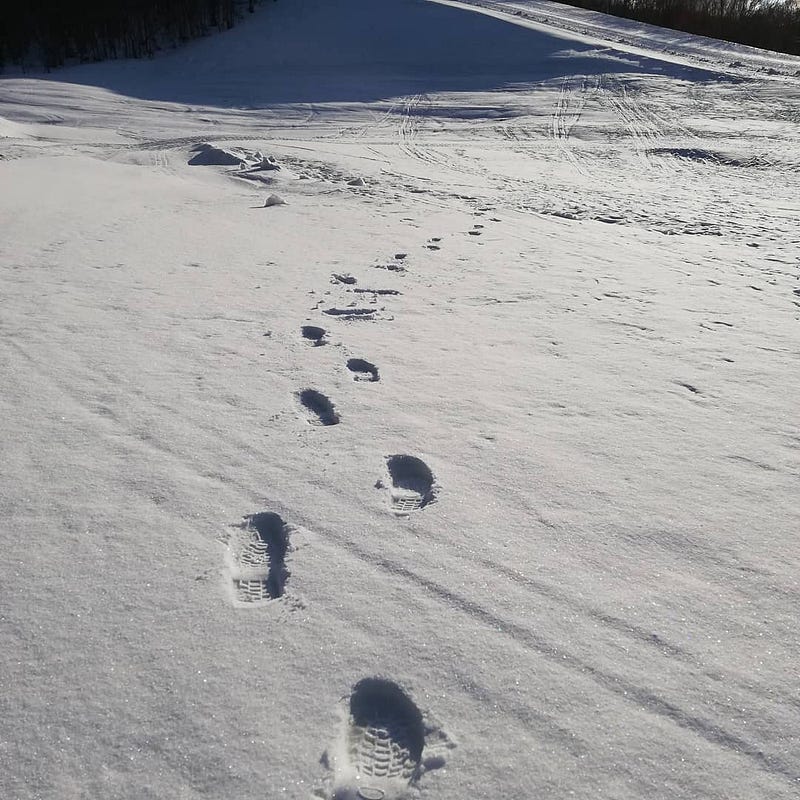
Picture by author

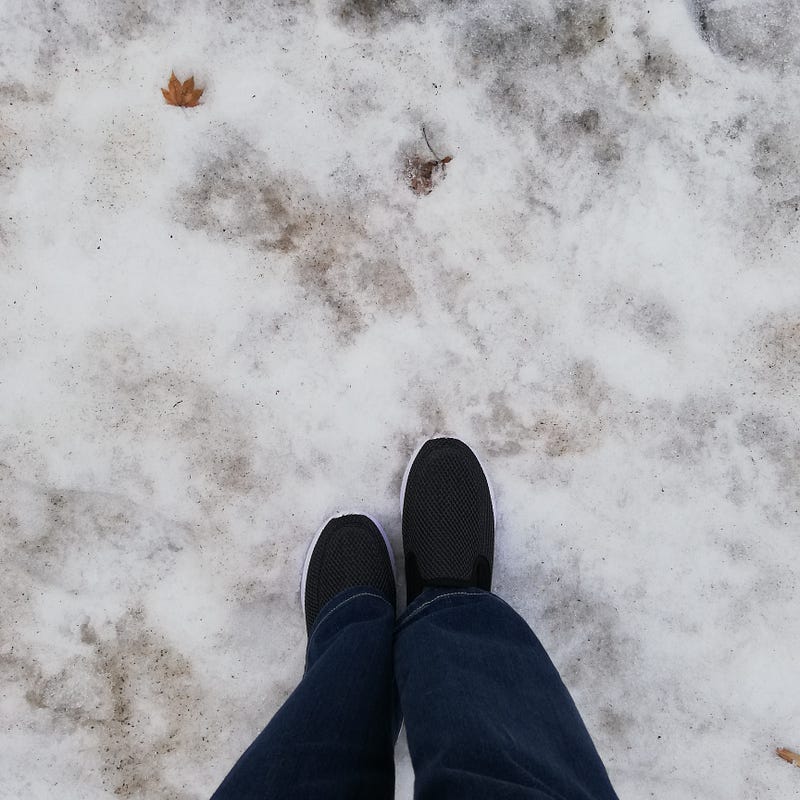
When I read Anne Bonfert’s article on Finding Quietness and Silence in Thailand, it brought me memories of my Hokkaido trip in early 2019.

I traveled to Hokkaido 6 months after their earthquake in Sept 2018. They still had aftershock till mid-Feb of 2019. My friends were wary of my decision. But I went ahead anyway since the airport was opened, and flights were on schedule.

I did not have any specific itinerary this time. I thought it would make better sense to do it when I land. I did have my hotel booked and discovered that the local government subsidized the rates to encourage Hokkaido’s tourism. So yay... 😊

This trip to Hokkaido was memorable. It was the first time I traveled without any specific daily agenda.

But I did ask friends who have visited and checked out their FB.

I landed at Sapporo International airport after an 8-hour flight. I was efficiently ushered out of the airport into the welcoming cold crisp air. I took a few deep breaths to clear my head and hopped onto the bus that would bring me to the hotel.

Halfway through the journey, I realized it was so quiet.

It was a big contrast to the airport. All the loud white noises had fade quietly to the background.

The ride was smooth. No one spoke on the bus.

I sank into a peaceful lull which allowed me to contemplate life.

I don’t know if the quietness was due to the recent earthquake. Hence the sad, somber mood.

(Note to readers: Hokkaido had recovered well by then. There were some cracks on some walls/ buildings but nothing too severe)

Or it was off-peak season- end of winter. Everyone was waiting anxiously for spring to come.

Or it is the Japanese way of zen, where one becomes more aware of their surroundings and finds peace, among others.

There are very few countries that offer this kind of quiet experience. The Japanese have the natural ability to interpret nature harmoniously with the ‘qi’ of the environment.

So, the only thing left to do is to go with the flow. My thoughts and my heartbeat move into a smooth and steady rhythm. Almost meditative.

I timed out and sank into this Japanese zen.
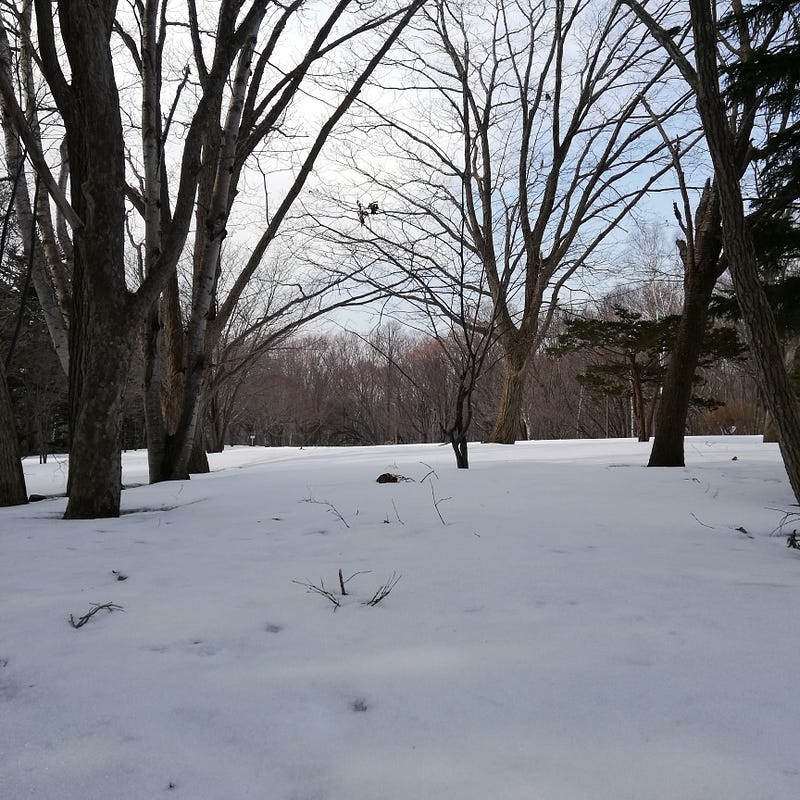
Pictures by author

I found a tourist brochure at the concierge and picked to visit the historical, cultural village. It’s a bit way off from Sapporo city and requires a change in buses.

I set off as mindful as I could and arrived at the gates of this village after missing a few buses.

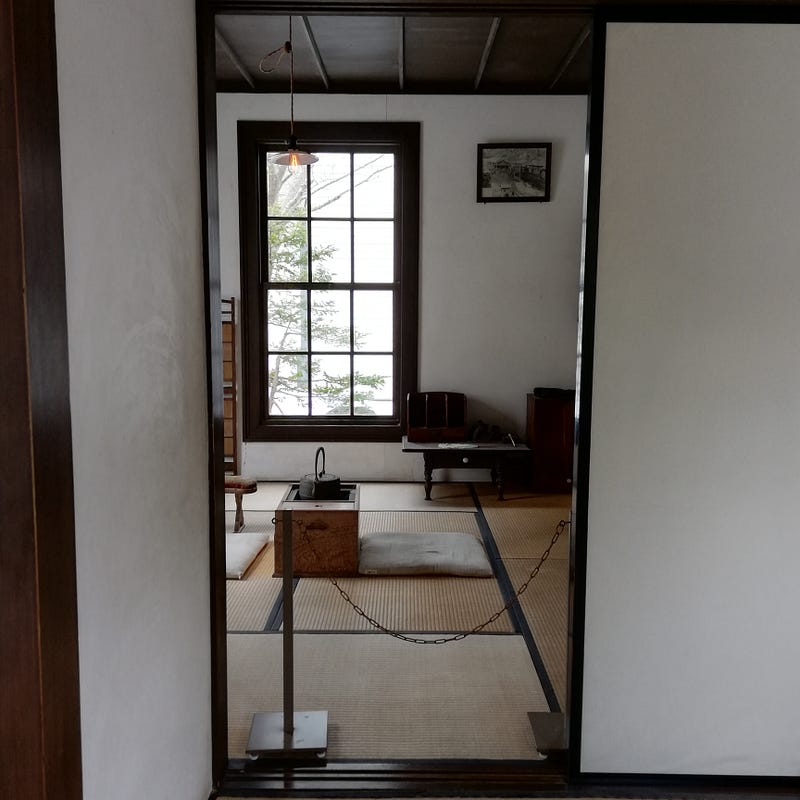
Kaitaku no Mura is an open-air museum. There are 52 buildings relocated and restored to exhibits the Meiji and Taisho Periods villages from 1868 to 1926.

Once again, I was almost alone there. The weather was cold with a gentle wind blowing. It snowed as I strolled through the village. As it was the end of the season, other than a few locals and some cleaning people, I had the whole village by myself. We bow respectfully to each other as we pass.

It was an excellent opportunity to explore away from all the city’s noise.
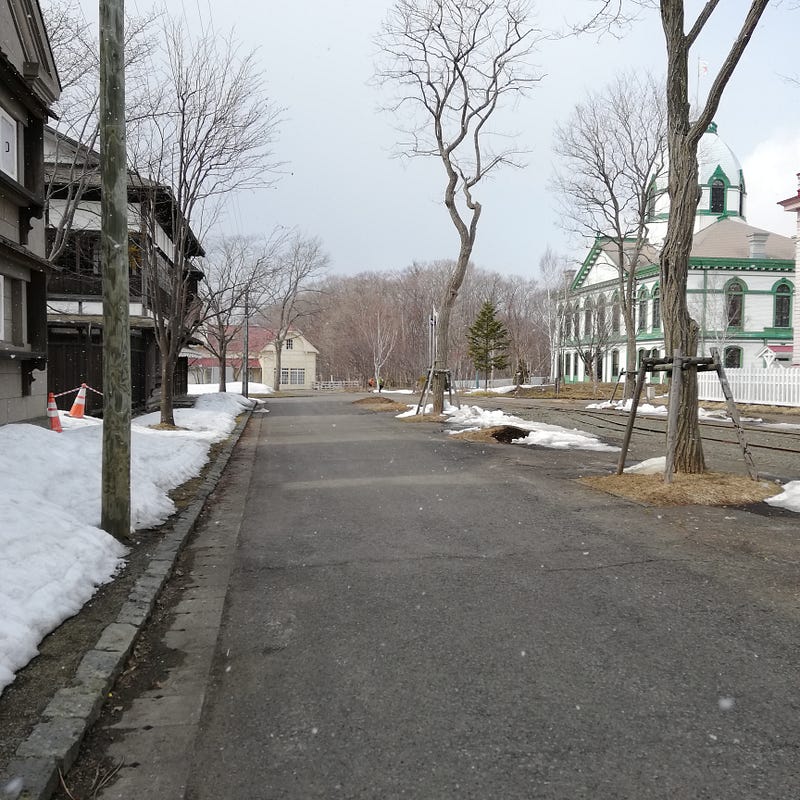
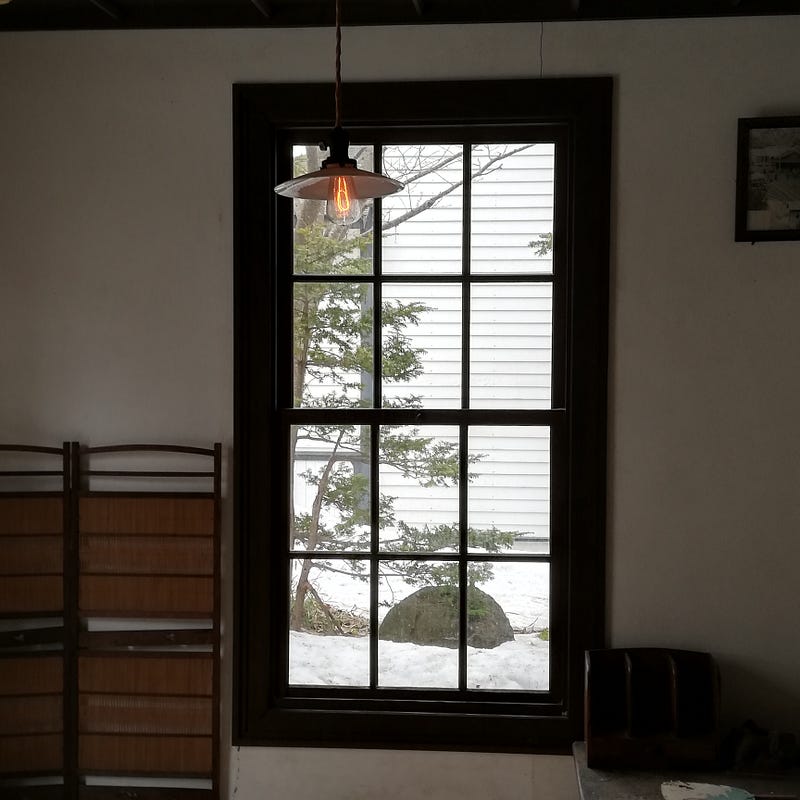
Pictures by author

My mind continued its zen mode but I was curious to see what life was like in this ancient historical village.

Like everywhere in Japan, each building was kept in pristine conditions. I took off my shoes as I stepped into the building. The floor felt cold. I wore the slippers that were set by the door.

As I wandered around the rooms, the green grass smell of the Japanese tatami filled the space (almost similar to the smell of hot green tea but more earthy).

The rooms were decorated with items from the past. Each organized in its proper place as if there is a story to tell of the room’s previous owner. Each room displayed the bare minimum tools for every day's living.

It makes me reflect on the number of cups and pots I have as I enter the kitchen area. Less is definitely more here in the village.

My favorite place in the village was the Kawanishi’s Rice Storehouse. It dates back to 1883. Inside there were stacks of rice sacks. The store house was warm and well insulated from the cold.

As I moved close to the sacks, I found that there was actual real rice in each sack. The smell of the husky harvested rice and the hays around the bags smelt a bit like home. I sneezed a few times due to the dust.

I spent several hours wandering and thought about how much the world has changed. Things have evolved and change so much in the past centuries.

Afterthoughts: Never have we thought we would have a pandemic to deal with today. Significant changes are expected in every way of life. Are we ready for this wave of change? Or do we wait and soon become a decorative item of the past. A question I ask myself often these days.

I left the quiet, isolated village of the past.
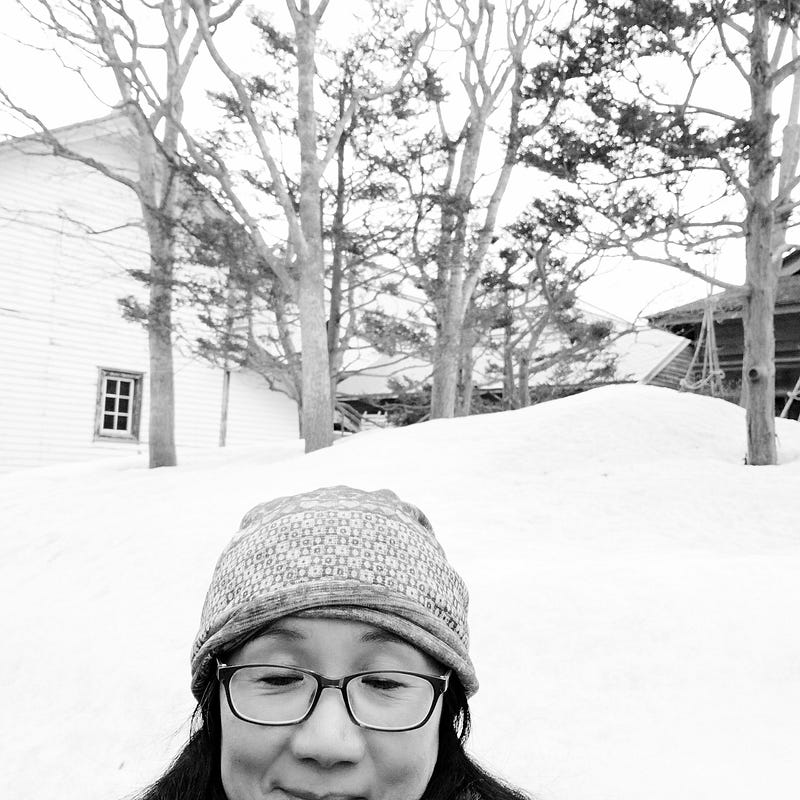
Picture by author

I head off to the famous Asahikawa Zoo outskirts of Sapporo. The bus ride gave me more time for self-contemplation as I watch the snow-covered forest as we drove by. Beautiful and serene.

This zoo is famous for the way it uses glass tunnels and domes to allow visitors to fully experience what it feels like to be close to animals. The area around the fierce animals is almost as open as it can be to allow visitors to walk around the animals.

I remembered having a staring competition with the tiger there. In some enclosures, you can almost stroke the giraffe’s neck or pat the polar bear. The proximity to animals was incredible, that you soon find your nose filled with the natural animal ‘perfume’. Each with its own distinct smell.

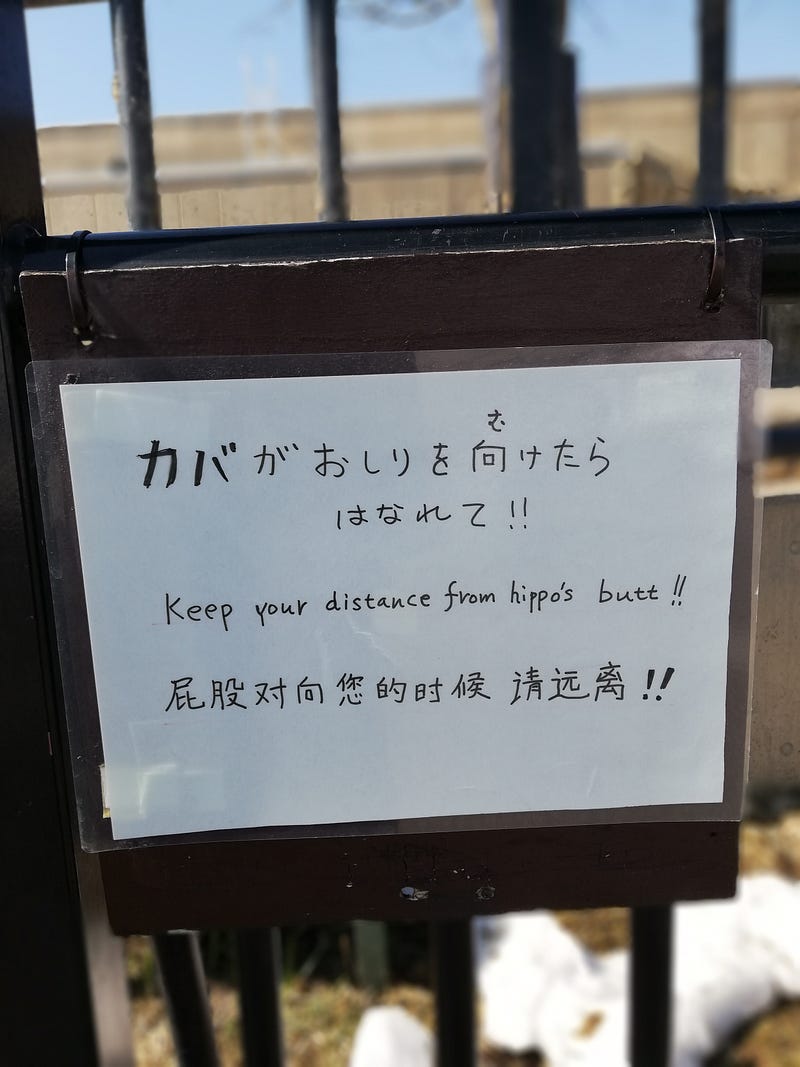
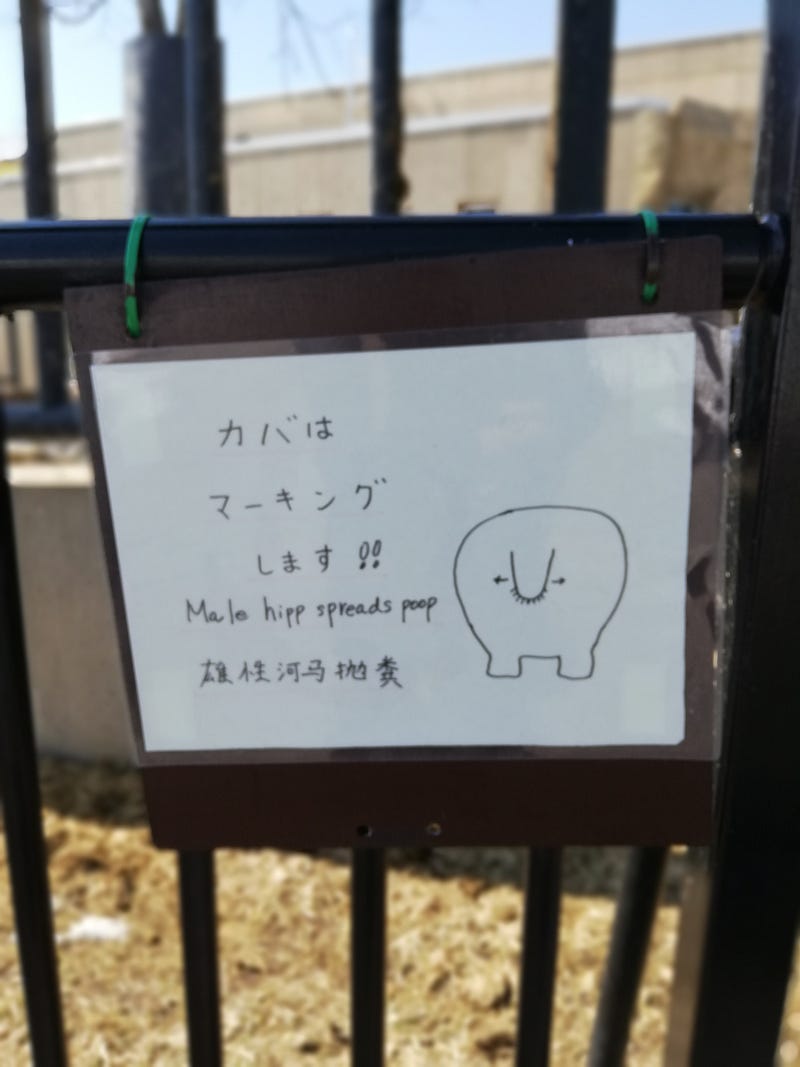
The most memorable place in the zoo was the Hippopotamus enclosure. As I approach the barrier, I could only laugh when I read the signage.

I guess amid all the zen and stillness; the Japanese managed to squeeze in some humor to complete this beautiful trip.

LOL…

I backed away from the hippos immediately!!
Pictures by author

Things to remember if you are travelling in Japan.

  1. Turn your phone to ‘silent’ mode when you are in public transportation. Speaking loudly in public is frown upon.
  2. Japanese people bow to show respect. Do return the same gesture.
  3. If you are eating noodles, don’t twirl them like spaghetti. You are meant to slur them.
  4. Try not to use your chopsticks to stab at your food. Don’t be shy to ask for a fork if you are struggling with chopsticks.

I hope this gave you a glimpse of Hokkaido.

Sign up for our new newsletter to stay informed with up-to-date curations from our editors:👇

Solo Travel
Hokkaido
Travel
Writing
East Asia
Recommended from ReadMedium