
Finding Your Artistic Self in the Slush Pile
If you want to be a better writer, start reading for magazines and publishers.
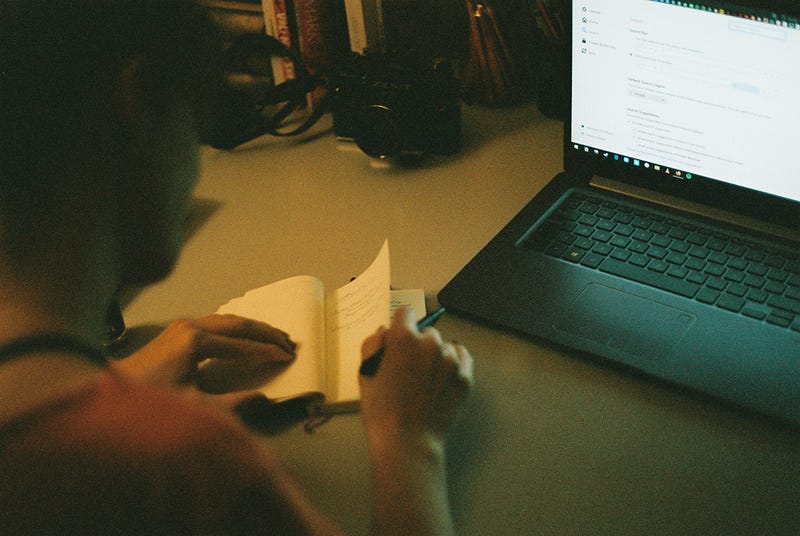
Like most of you, I spend most of my time in front of the glow of a screen, reading words upon words upon words of stories. Unlike a majority of you, though, I am one of the nameless hoards.
No, not zombies. I am an associate editor or slush reader. I read the stories submitted to a magazine and podcast before the editors get a chance to read them.
My job is to weed through all the crap to find the small traces of hope, talent, and story hidden within the slush pile. I could be talking over a lot of people’s heads when I sling words out there like slush or associate editor. I’ll break it down so that it’s easy to understand for the sake of this article.
Associate editor/slush reader: the person who reads manuscripts to determine whether they are worth the editor’s time.
Slush: where all submissions go when they are sent off to be reviewed for a publication.
I’ve lived in that murky land with other readers who trudge through thousands of stories a year in search of the best ones. Before I started out, I was an unpublished fledgling writer just looking to make a name for herself in the speculative fiction community.
Five years later, I’ve published over 100 pieces and make a living solely from writing.
But that’s just the braggy stuff. Not the stuff that really matters. In these small years, I’ve learned a lot about story and what editors want. More importantly, though, through all that slush, I found myself and what type of writer I wanted to be.
When I talk to most writers about becoming a slush reader, they scoff at the idea. Why spend time reading other people who want to get published when they themselves are trying to break in?
It’s a good question, but not an introspective one. As a writer, there is no quicker, freer way to learn how to write pieces that sell, then by reading for a publication. I’ll get into what I learned and how it helped me throughout this article by giving you a glimpse into my training and growth.
Where I Got Started
Like any diligent writer, when I first took the plunge into being a professional, I searched out the publications that were publishing the types of stories that I wanted to write. After a year, I was able to nail down the top twenty or so and had been reading them for a few months enough to have a handle on their editorial lean and be willing enough to subscribe to their newsletter.
One day, I saw that one of the publications was in need of some slush readers. Back then, I had no idea what that was. All I knew was that it meant working with the people I was trying to get an in with.
The Editors.
I knew that by landing a role on the team as a slush reader it would give me the first-hand knowledge that I needed to break over the barriers to traditional publishing. I’d also be able to become known in the community even if just by name at first.
So, I applied and was given a test to join their ranks.
Now, this wasn’t a test like you would think. I didn’t have to identify the inciting incident or the middle build. Naw, none of that really mattered.
What mattered was my grasp and understanding of story on an emotional and intuitive level.
The Test My objective was to read through a batch of 20 stories in a week. I was meant to rate each one on a scale between 1 and 10, then summarize the story in a couple of sentences, before giving my opinion of the story.
For my opinion response, I was meant to get into anything that didn’t work for me and why. When it came to summarizing the story, they wanted to know everything about it from beginning to end in less than 3 sentences.
Before anyone thinks that this doesn’t sound that hard. I should let you know that I read for a speculative fiction magazine that covers some pretty far out there topics that sometimes don’t really have a story to summarize.
Rating was easy. It was based on the writer’s ability to follow the submission guidelines, story content and execution, and general alignment with the magazine’s tone and content.
Taking that initial test alone taught me that editors have to read a ton of stories all at once and don’t have time to waste within someone's story. This turned me into a firm believer in getting to the point in your stories sooner rather than later.
There are a lot of writers who think that you have time to spend writing flowery prose and set dressing before getting to the story. Some of them believe this because classical literature started like that, and they haven’t bothered to read anything current to see the latest trends. Other writers do this because it is their style and own personal voice.
Every editor and agent I’ve ever worked with, read, interviewed, or took a class from has cautioned greatly against this. It’s simple math. On average, professional or semi-professional magazines with a wide audience base gets over a thousand submissions a year.
Some get upwards of 10,000 submissions a year. So, the quicker you get to your story, the better chance you have of an editor reading it and spending time considering it for the magazine.
Reading just 20 stories in 5 days also taught me that I didn’t need to have a fancy degree or tons of accreditations to understand the story or be a published writer. I just needed to pay attention to what the writer was doing and understand it on a level that worked for the story’s mechanics.
Once I got my slot on the team, I saw that most of the people who submitted stories and got published weren’t all college grads with MFAs. Actually, a majority of stories that came from writers with MFAs weren’t skillfully written.
All stories have these gears that we as writers work to get functioning in order to move the reader along through the story. When one of those gears, say characterization, is off or broken, then the reader has a bumpy ride through the story and may even stop the ride because it isn’t enjoyable.
On average, MFA writers who sent in work had all of the necessary gears but no grease or oil. By that I mean, their stories are all function and no emotions. There isn’t a driving relatable force to many of their stories.
Yes, their words are nice and they can obviously construct a story, but not how to tell a story and how to win over editors/readers by pulling them into the story.
I digress. Let’s get back to my test to get in before getting into the real nitty-gritty of the slush.
Taking the slush reading test forced me to think about story in a way that I never had before. Like an experience. Readers come to magazines and publications because they are looking for a particular experience that the magazine specializes in.
When submitting stories in, I never considered that. Yeah, I thought about niche and all that fun stuff. What I didn’t think about was how my story sits among those surrounding and preceding it.
I began asking myself if my stories deepened or heightened reader experience in some way. What themes am I working with that align or go into conversation with previous themes explored by the magazine?
The Results
If you’ve read my bio or any of my work, you know that I am an associate editor for Strange Horizons and Nightlight Horror Podcast along with other publications and competitions.
So you already know the physical end result of that test. I got in. I was added as a slush reader to one of my favorite magazines, publishing, and working with writers I wished to one day stand among.
That was my first big burst of writing confidence. I knew story. And I knew it enough to help build a list of stories and authors with a great editorial team.
No matter what anyone said in a critique group, I knew how to identify story and that grounded me in my work, in the work that is to be my life’s work.
That confidence is my foundation. It is what I gained from earning that position that no one could see. It changed everything, though. Just knowing that I had the intuitive knowledge of story inside of me allowed me to take risks with my art and to push myself.
It wasn’t until I started my own writing group did I discover that confidence is one of the hardest things for a writer to find. No matter if they are a beginner or a professional working in the industry for decades.
My confidence was the bridge I needed to cross to get to the artistic me hidden within all the academic learning about story. That confidence allowed me to take what I know and challenge it from a seat of authority.
Reading those stories in that test and having to respond to them showed me that I wanted to be a writer that grabbed her readers from the first line and never let go. I wanted to be a writer whose work and not accomplishments stood for itself.
The image of the type of writer I wanted to be began to form when I got added to the team of slush readers. And I’ve been working on shaping and developing myself into it over these last few years. I know that the image will change, grow, and mature into a new one as time goes on and I learn more.
That’s okay, though. That’s the type of writer I want to be—one whose art and self never stay stagnant.
What I’ve Learned Since
I don’t know exactly how many stories I’ve read in the past few years. I know that I could go and figure it out through math and stuff. But the amount isn’t as important.
I’ve definitely read more than a 500 and possibly even a thousand in the last few years. There are, of course, editors and slush readers out there who read 10–20 stories a day and see well over a thousand stories in one year.
But that’s not me. And I’ve learned to be okay with that. That acceptance is actually written into the orientation for associate editors at one of my magazines. Don’t try and focus on reading as many stories as possible. Just focus on reading what you can manage and be happy with it.
That sentiment is something that isn’t shared or talked about a lot in writing. There’s this constant push to publish more and do more and push push push. But the quantity of your publishing means nothing if it’s all repetitive, boring, or nonsensical.
We as writers need to slow down and take our time with our craft. Take it slow and intentional, aiming to do what we can manage and not the heights that we want to flex to the world. Turning that lesson toward my writing has been a continuous effort.
It’s hard to break out of that push push push mentality. There’s more articles out there on ‘how you must write everyday to be a writer’ then I want to count. Not as many that say stop and reflect on your creative well before pushing on to the next thing.
So, for me, I have to remind myself some days that there really isn’t a need to pump out content. Yes, I have the stories, but can I manage to pump them all out and stay happy?
Your Artistic Self
I’ve splattered this article with what I’ve learned and who it has helped me see within myself. But I haven’t talked directly to you, dear reader, about what you could see in your self from becoming a slush reader.
That’s because I have absolutely no idea who is buried inside you behind this screen. It is up to you to find this deeper artistic self through examining the process to publishing from a different angle.
Learning what I’ve learned has been great. I wouldn’t trade it for a ‘good deal’ in Publisher’s Weekly. But reading all those stories helped me see deeper into the artist and its constant attempts to reach publication, a readership.
In some writers’ cover letters, it is obvious that publication is more important than story to some of them. They are the ones that get rejected. They are the ones who beg to be published in the publication because they have tons of stories just ready to go.
They don’t see that publishing and writing have many different angles. They are only viewing the one angle into writing. Writing for recognition, for publication. But editor’s and readers don’t look at stories like that, so why should we as writers?
Looking at publishing from the angle of an editor, keeps the reader and experience of story at the forefront of your mind. Being a slush reader allows you that chance without sacrificing seeing story as a reader. You get two different ways of looking at a story from being a slush reader.
Those angles will allow you to not only view your writing and stories in a new light but yourself as well.
Do you want to be the writer that sends out unoriginal and ill-put together stories? How will you know if you can’t tell what that looks like? There are many writers I’ve worked with as a hired editor who believe they have a very original and unique story on their hands.
But that’s just because they haven’t read widely within their genre or niche to see that the story has been overdone. They didn’t prepare themselves with the tools needed to be a professional writer. It doesn’t just stop at being able to write a story, but goes further into analyzing a story and yourself to see what it’s really about and how to relate it to readers.
You can take my word and experiences as truth or you can take up the gig yourself. You can become a slush reader and learn from the folly, failures, and fortunes of other writers doing what you’re doing.
Your Takeaway
Become a slush reader or don’t. That’s up to you. I highly recommend it for writers who are serious about getting published. There’s no other free way to really get inside the head of an editor and what readers are looking for.
If you want to connect with that part of yourself that helps you tell the stories that are authentic to you, find the space and time to work with yourself and writing in close proximity to great works, works that move you.
When you sit down to write, write with purpose, even if that purpose is just to get to the end of the sentence. Have confidence that you know story through reading and analyzing it. Don’t leave yourself, your craft, or passion unexamined.
Aigner Loren Wilson is a queer Black SFWA, HWA, and Codex writer. She was listed on the honors list for the Otherwise Fellowship award for 2019. She offers a writing craft newsletter to people who want to become better writers and publish quality pieces.


