avatarRipton Green

Free AI web copilot to create summaries, insights and extended knowledge, download it at here

1547

Abstract

ally offending someone with the wrong term feels suffocating.</p><p id="b8fc">Maybe I’m old-fashioned, and that’s okay. I just want to be able to address someone respectfully, without the constant worry of social faux pas.</p><figure id="94f2"><img src="https://cdn-images-1.readmedium.com/v2/resize:fit:800/0*hLbL3F6FzK62CBbD"><figcaption>Photo by <a href="https://unsplash.com/@timmossholder?utm_source=medium&amp;utm_medium=referral">Tim Mossholder</a> on <a href="https://unsplash.com?utm_source=medium&amp;utm_medium=referral">Unsplash</a></figcaption></figure><p id="c563">But here’s the thing: I don’t want to be ignorant. I want to learn, to be more aware.</p><p id="7236">That’s why I’m opening this conversation. Just like Ralph Waldo Emerson wrote, “To be yourself in a world that is constantly trying to make you something else is the greatest accomplishment.” Let’s strive for that greatness together.</p><figure id="8be2"><img src="https://cdn-images-1.readmedium.com/v2/resize:fit:800/0*TdZkpfWTEA9Ckrnm"><figcaption>Photo by <a href="https://unsplash.com/@raphi_rawr?utm_source=medium&amp;utm_medium=referral">Raphael Renter | @raphi_rawr</a> on <a href="https://unsplash.com?utm_source=medium&amp;utm_medium=referral">Unsplash</a></figcaption></figure><p id="970f">The issue of pronouns is a good example. Respecting someone’s preferred pronouns is about basic human decency. It’s about acknowledging their identity and making them feel comfortable.</p><p id="5d19">Of course, adapting to new forms of address can be tricky. There

Options

’s a learning curve, and that’s perfectly alright. The key is to approach it with empathy and a willingness to understand. Numerous resources are available online, like pronoun guides and websites, that can help people navigate this new landscape.</p><figure id="6851"><img src="https://cdn-images-1.readmedium.com/v2/resize:fit:800/0*5_nF9Si1lsQefipY"><figcaption>Photo by <a href="https://unsplash.com/@skillscouter?utm_source=medium&amp;utm_medium=referral">Lewis Keegan</a> on <a href="https://unsplash.com?utm_source=medium&amp;utm_medium=referral">Unsplash</a></figcaption></figure><p id="433f">The point isn’t about being defensive or clinging to the past. It’s about open communication. Let’s have respectful conversations where we can learn from each other and clear up any confusion.</p><figure id="6988"><img src="https://cdn-images-1.readmedium.com/v2/resize:fit:800/0*j7rfmZBAaELYNFFJ"><figcaption>Photo by <a href="https://unsplash.com/@kylejglenn?utm_source=medium&amp;utm_medium=referral">Kyle Glenn</a> on <a href="https://unsplash.com?utm_source=medium&amp;utm_medium=referral">Unsplash</a></figcaption></figure><p id="aff0">Ultimately, we can all achieve greatness by staying true to ourselves while embracing the need for change. Let’s create a future where respecting individuality and adapting to a changing world go hand in hand.</p><p id="280a" type="7">So, tell me, how would you like me to address you?</p><p id="0a54">Share your thoughts in the comments below, and let’s keep this conversation going.</p></article></body>

Finding My Voice in a Changing World: Is “He,” “She,” or “They” Offensive Now?

Is common sense no longer common? Standing up for yourself in a world of change.
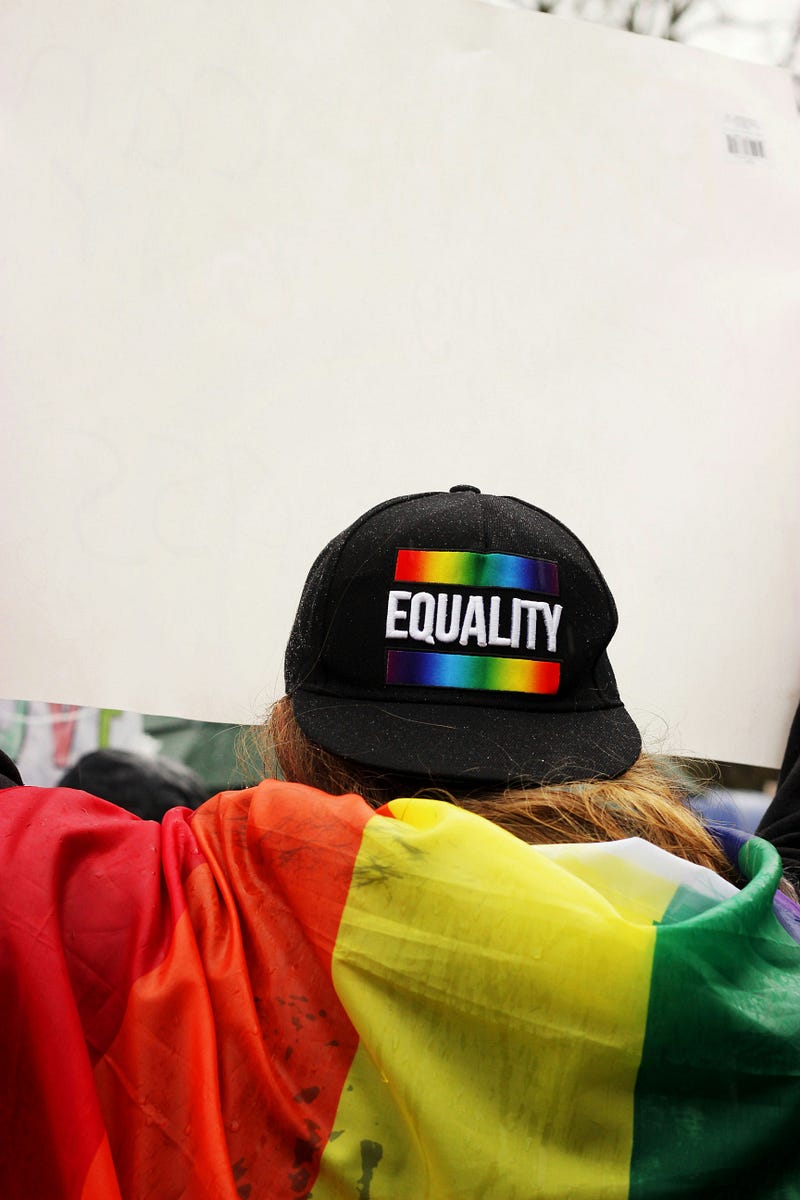
Photo by Elyssa Fahndrich on Unsplash

Recently, I turned 40-something — not exactly a spring chicken anymore. With that milestone comes a sense of self-awareness. I know who I am and what I stand for. However, the world around me seems to be in constant flux. Change is good, of course, but lately, it feels like a whirlwind.

I’m all for equality and justice. But when common sense, as I understood it, seems to be falling by the wayside, it makes me wonder — where do we draw the line?

Photo by Beth Macdonald on Unsplash

A simple conversation the other day left me feeling like I was trapped in a minefield. Should I use “him” or “her”? “Ms.” or “Mrs.”? “Mr.” even? The fear of accidentally offending someone with the wrong term feels suffocating.

Maybe I’m old-fashioned, and that’s okay. I just want to be able to address someone respectfully, without the constant worry of social faux pas.

Photo by Tim Mossholder on Unsplash

But here’s the thing: I don’t want to be ignorant. I want to learn, to be more aware.

That’s why I’m opening this conversation. Just like Ralph Waldo Emerson wrote, “To be yourself in a world that is constantly trying to make you something else is the greatest accomplishment.” Let’s strive for that greatness together.
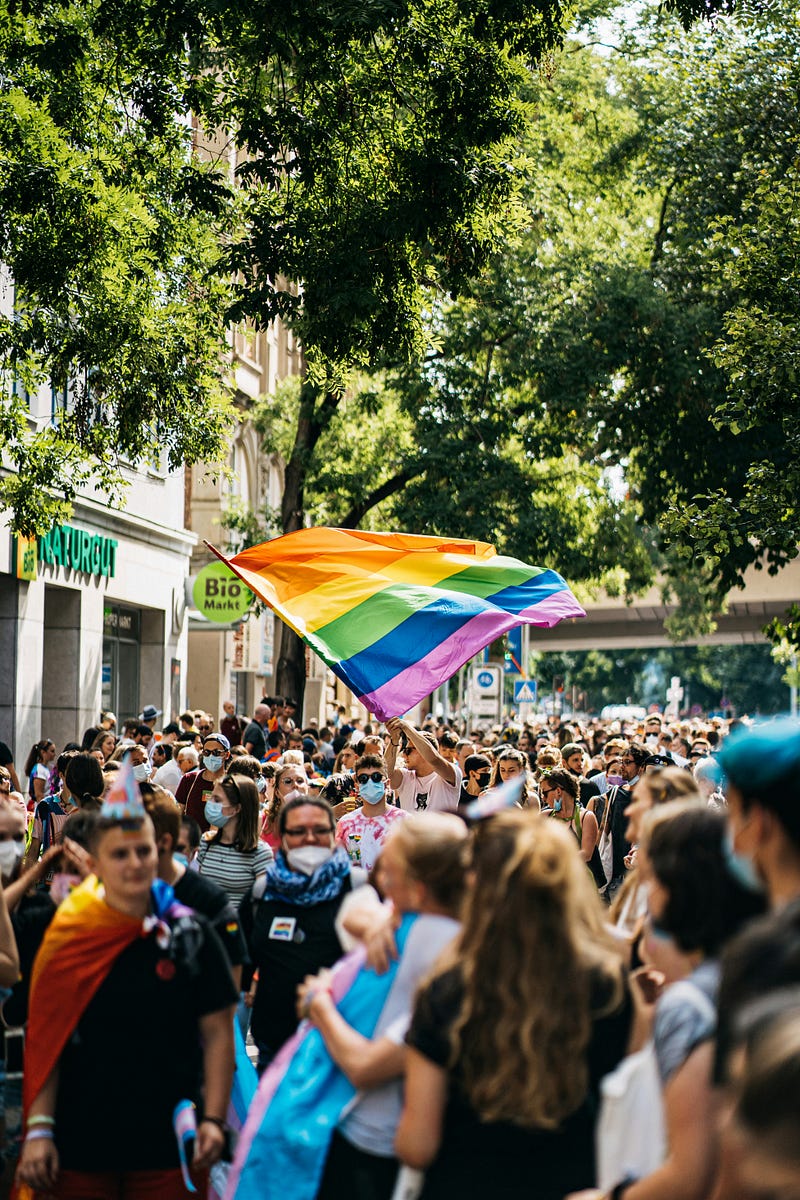
Photo by Raphael Renter | @raphi_rawr on Unsplash

The issue of pronouns is a good example. Respecting someone’s preferred pronouns is about basic human decency. It’s about acknowledging their identity and making them feel comfortable.

Of course, adapting to new forms of address can be tricky. There’s a learning curve, and that’s perfectly alright. The key is to approach it with empathy and a willingness to understand. Numerous resources are available online, like pronoun guides and websites, that can help people navigate this new landscape.
Photo by Lewis Keegan on Unsplash

The point isn’t about being defensive or clinging to the past. It’s about open communication. Let’s have respectful conversations where we can learn from each other and clear up any confusion.
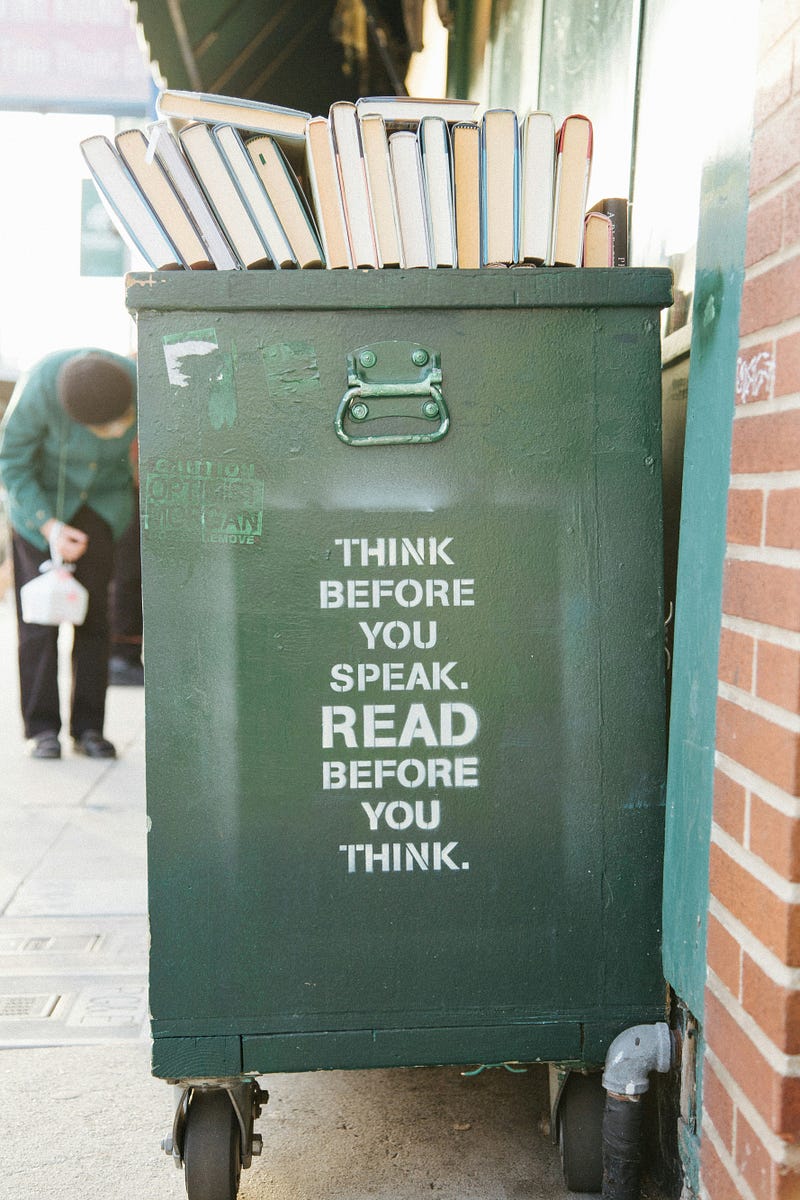
Photo by Kyle Glenn on Unsplash

Ultimately, we can all achieve greatness by staying true to ourselves while embracing the need for change. Let’s create a future where respecting individuality and adapting to a changing world go hand in hand.

So, tell me, how would you like me to address you?

Share your thoughts in the comments below, and let’s keep this conversation going.

Gender Identity
Inclusive Language
Personal Growth
Social Change
Respectful Communication
Recommended from ReadMedium