
Finding Medieval France
Touring Carcassonne’s medieval castle and fortified ramparts
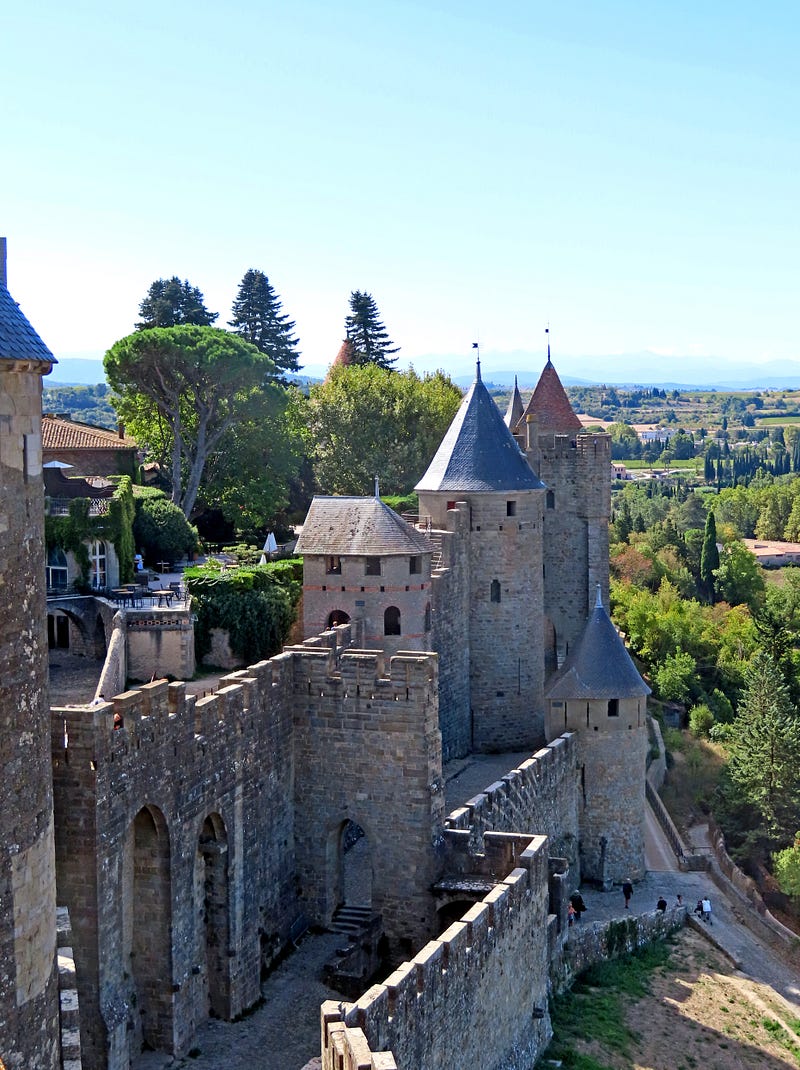
As we headed out of Toulouse with our rental car, we had just an hour to get to our first stop, Carcassonne, and its famous fortified city and castle.
France has more chateaus and castles than just about any other country in the world, an estimated 45,000! They are scattered across the country with many in the Loire Valley, the Dordogne region, and of course Paris (the Louvre) and surrounding areas like Versailles. But one that stands out as Europe’s largest medieval fortified city, is the hilltop Château Comtal et Remparts de la Cité de Carcassonne, a UNESCO World Heritage site.
The 12th-century Romanesque and Gothic castle was crumbling and served as a rock quarry before it was rescued in the 19th century and underwent a massive 50-year restoration, the largest in Europe.
I had inadvertently set the GPS to take us to the “Carcassonne Castle panorama viewpoint.” It was a single-lane winding road through vineyards, not the best place to reach but the view was spectacular.
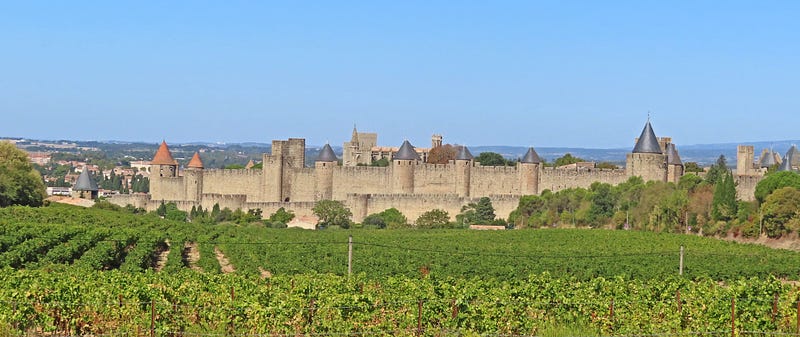
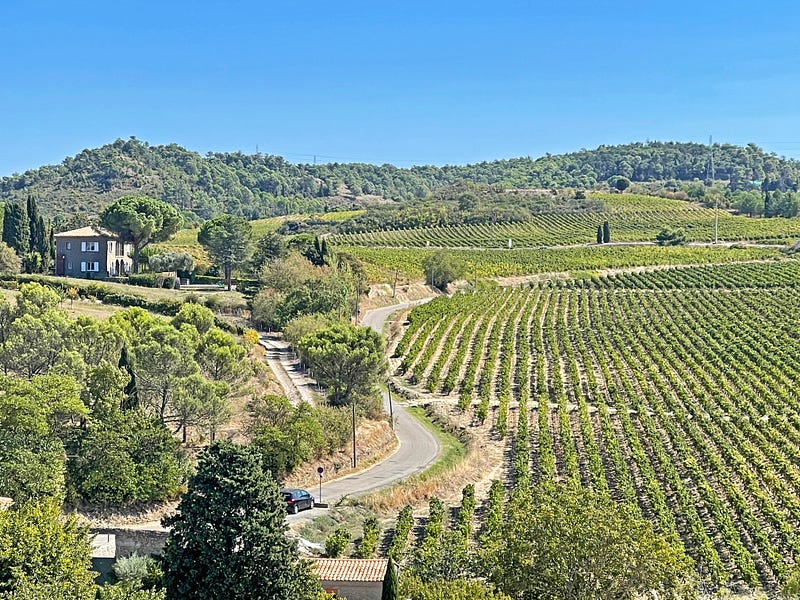
After we took a few photos we got back in the car and programmed the GPS again and within a few minutes, we were at the parking lot and the main gate.
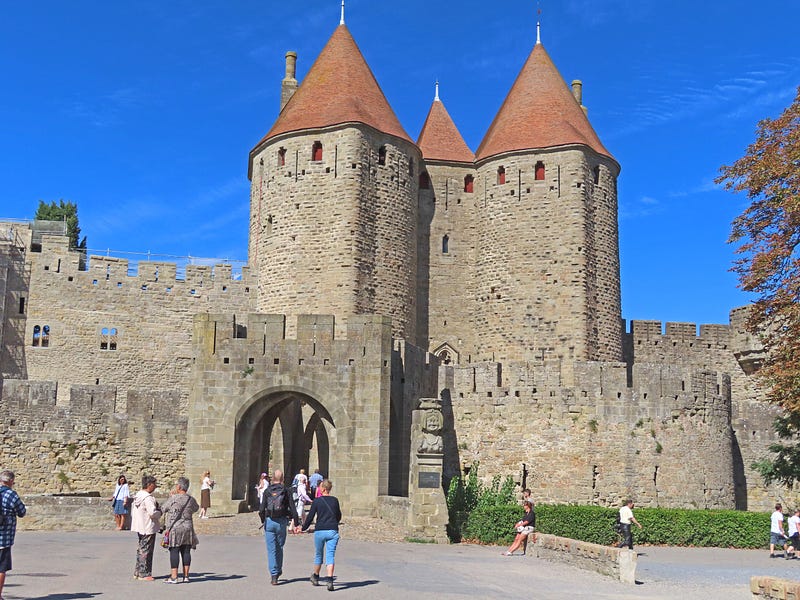
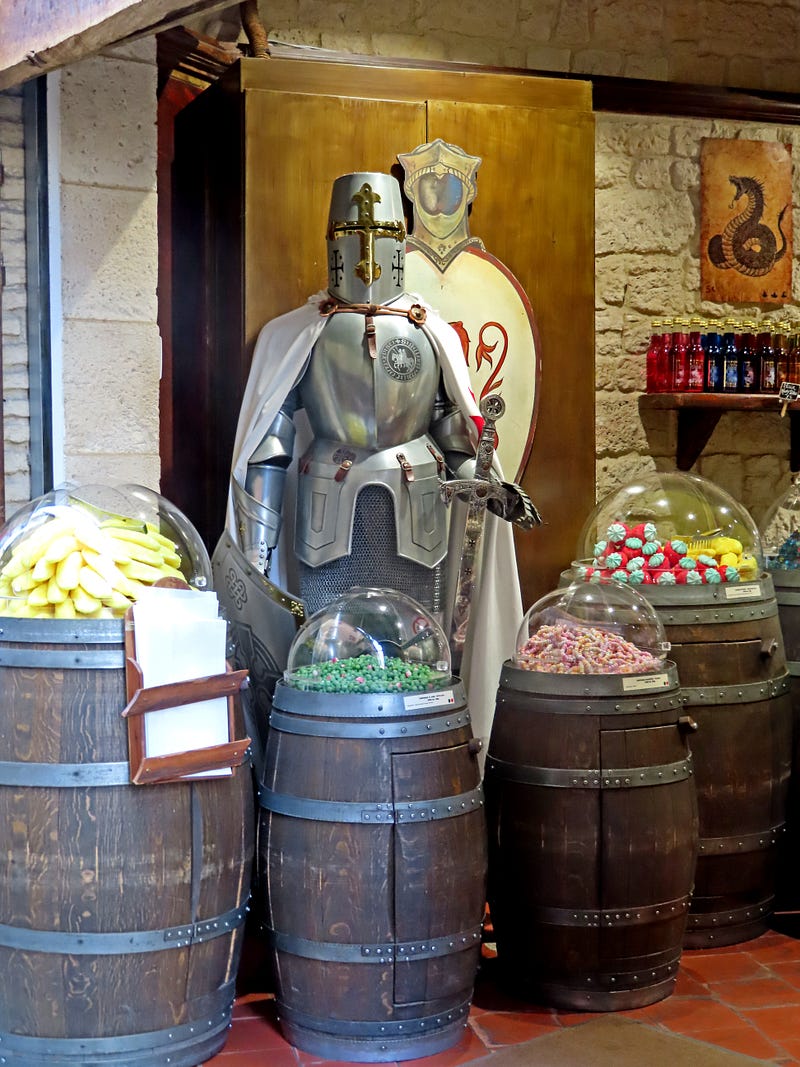
As we entered the front gates of this massive stone fortress and castle, I’d like to say we were transported back several centuries to Medieval France… but the main street is fronted on both sides by souvenir shops, cafes, and shawarma and ice cream shops. I’m pretty sure they are not relics of the past.
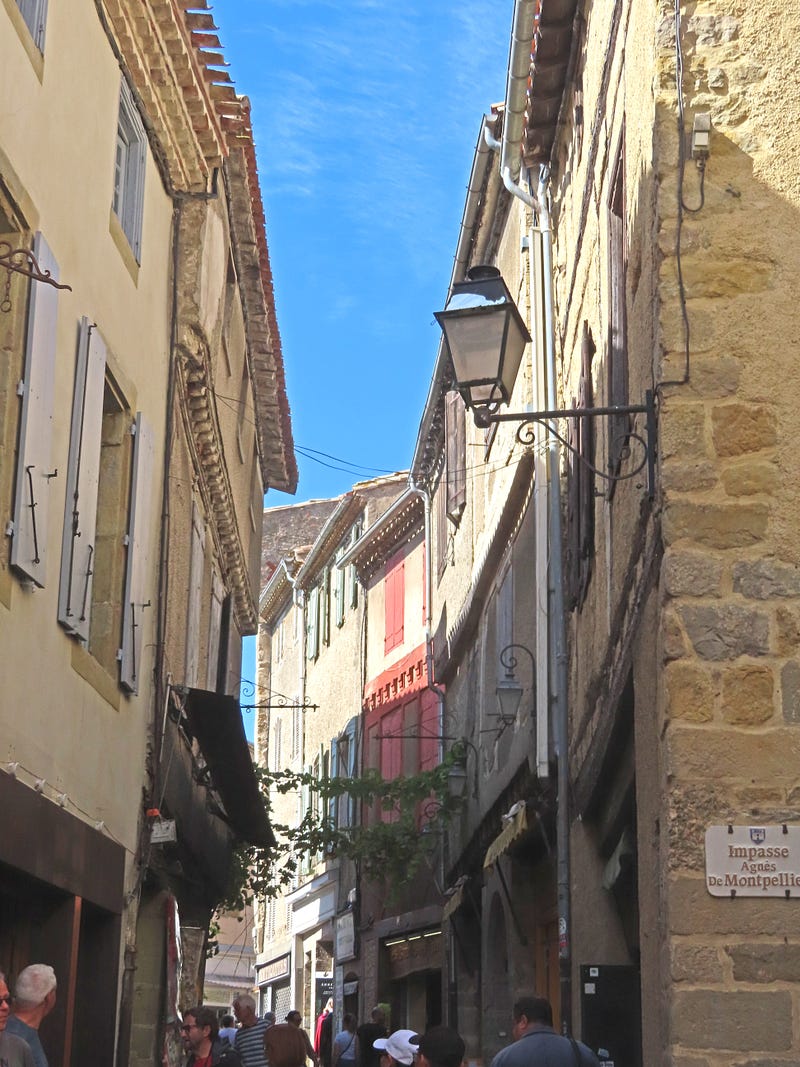
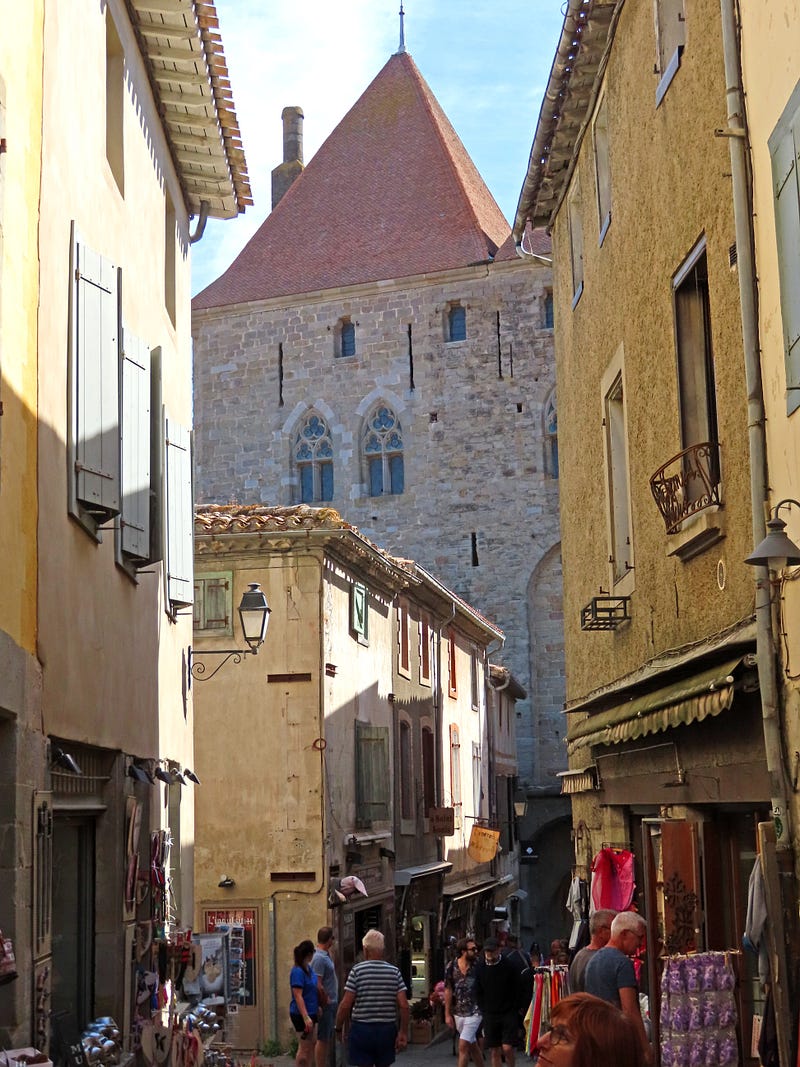
We had booked a timed entrance to explore the castle and the ramparts along the stone walls lining the site. We were a half hour early and while there were less than a few dozen people wandering around inside, they told us we had to wait for the correct time.
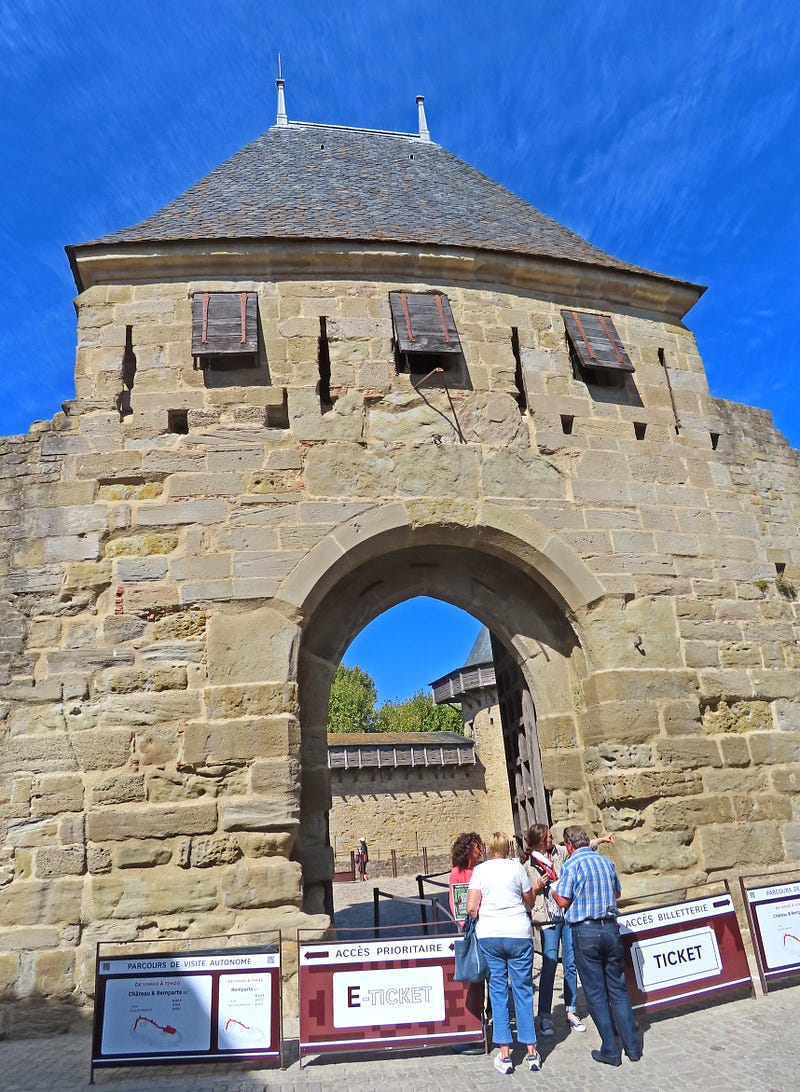
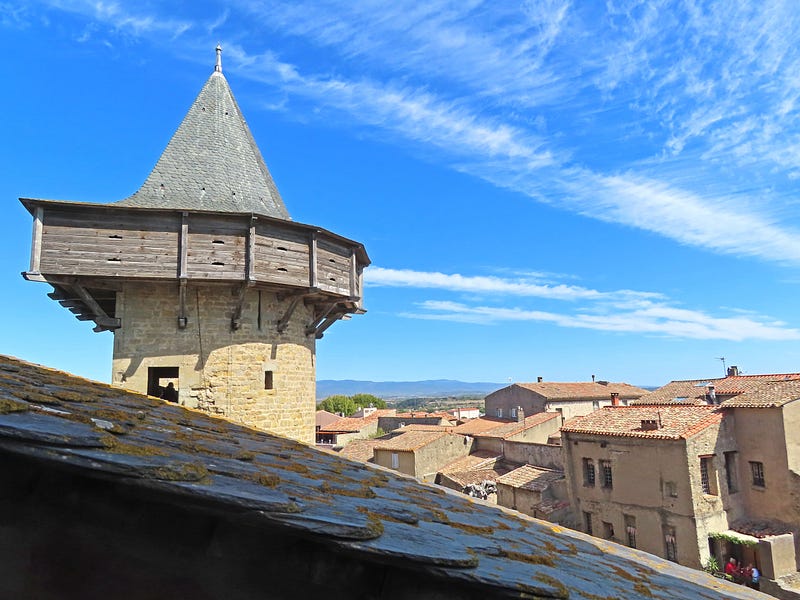
We went back at the appointed time — still no lineup — and went inside. As you cross the stone bridge over the dried-up moat, you are surrounded by the massive structure all around you. There are 3 kilometers of ramparts with 52 towers and two fortified enclosures and barbicans (fortified gateways).
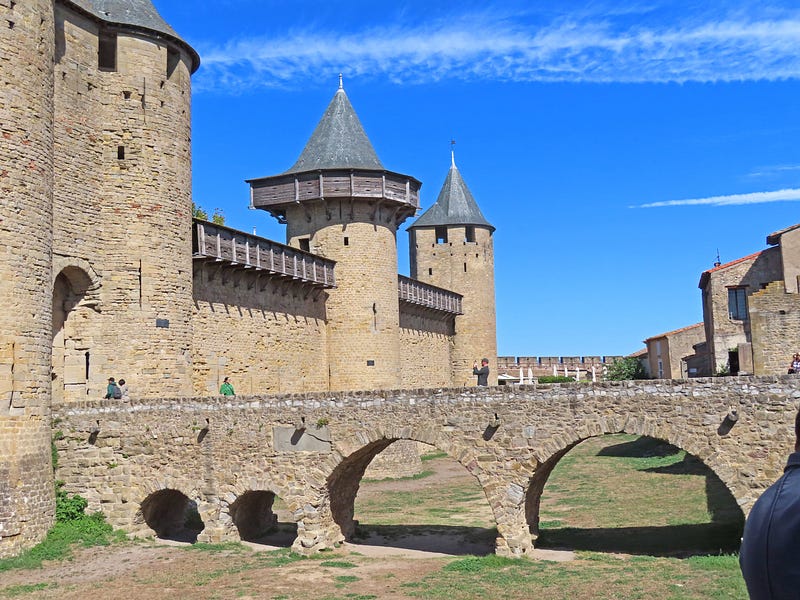
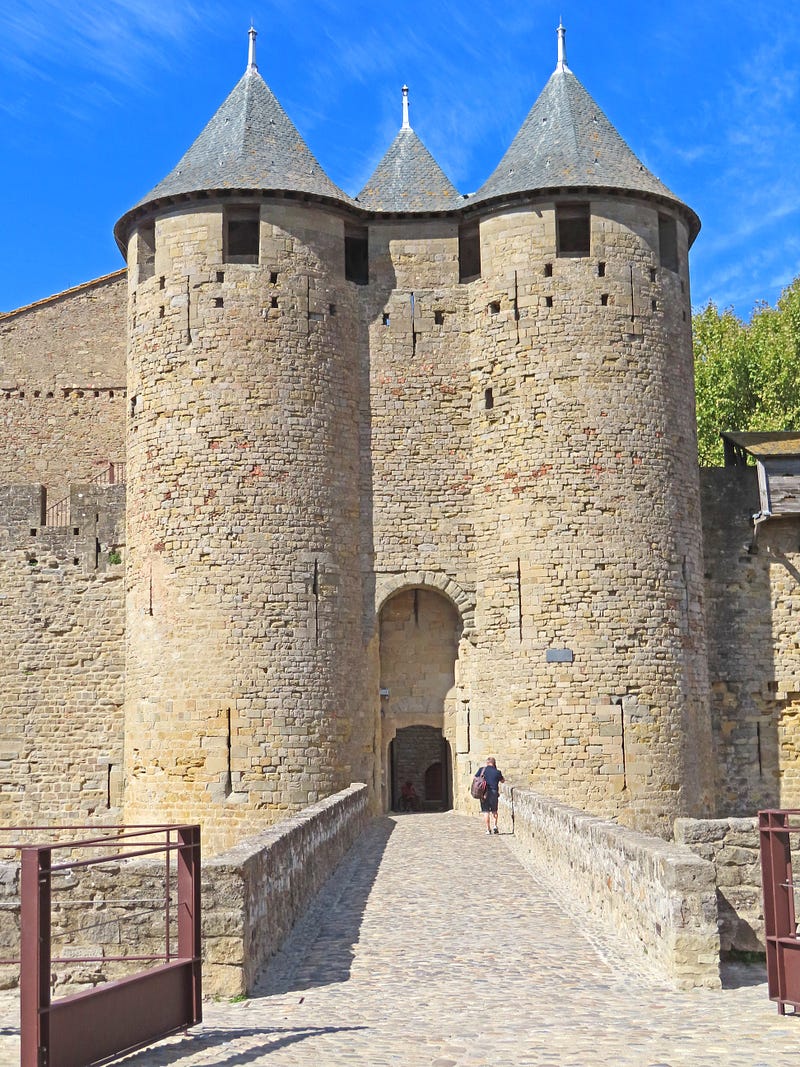
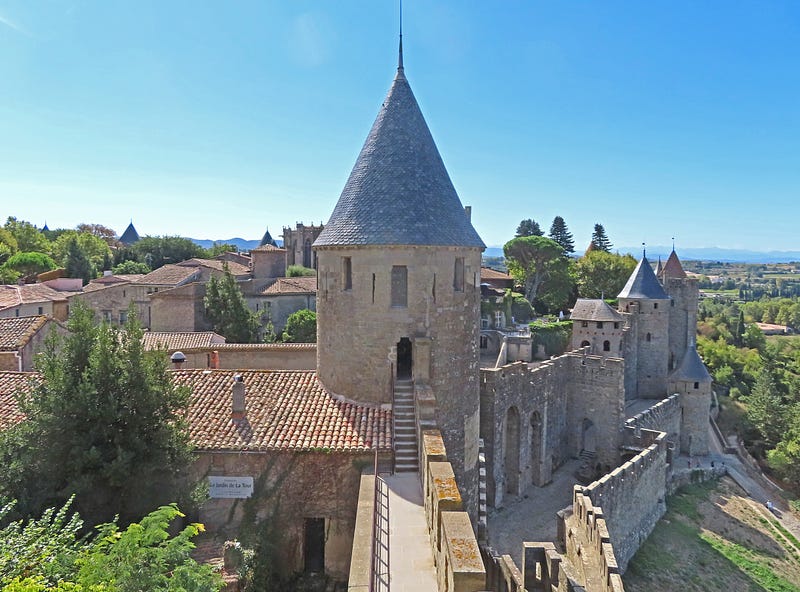
As you begin to climb the stairs to the ramparts you are warned that it will involve a lot of stair climbing and some tight spaces, like the circular staircases that are barely wide enough for the average-sized person. You are also told that there’s no turning back once you begin the tour. So up we went.
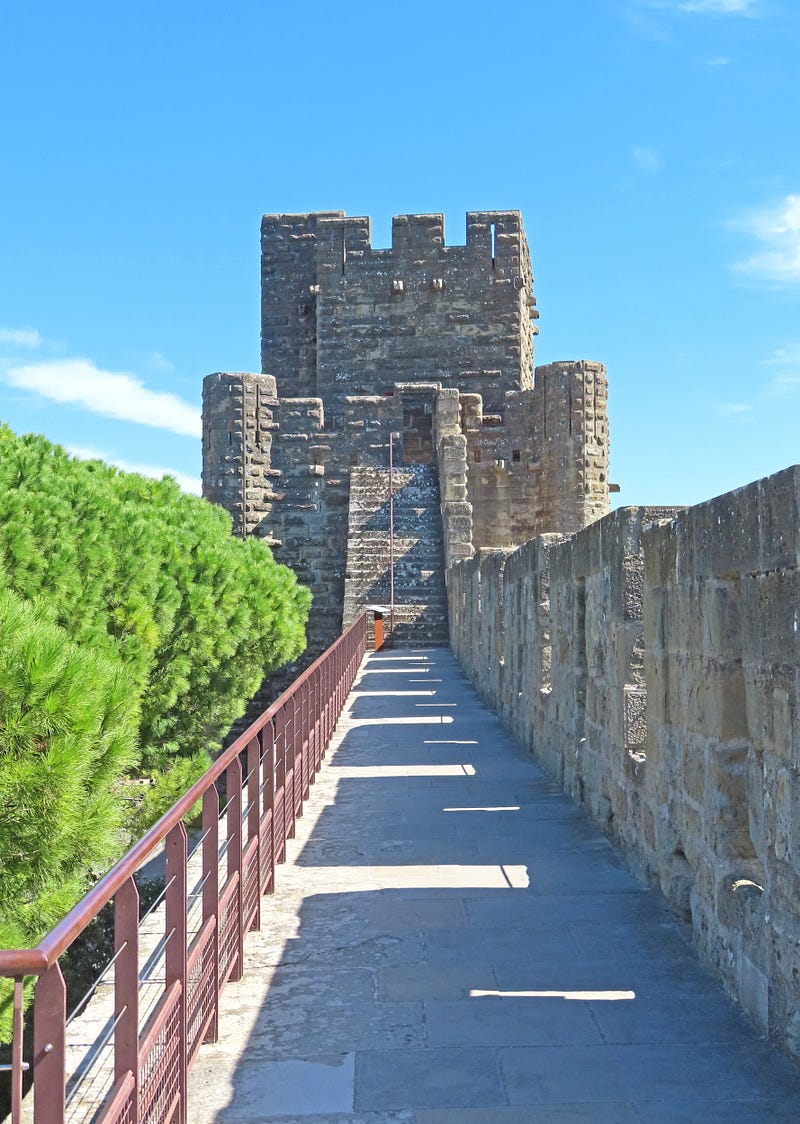
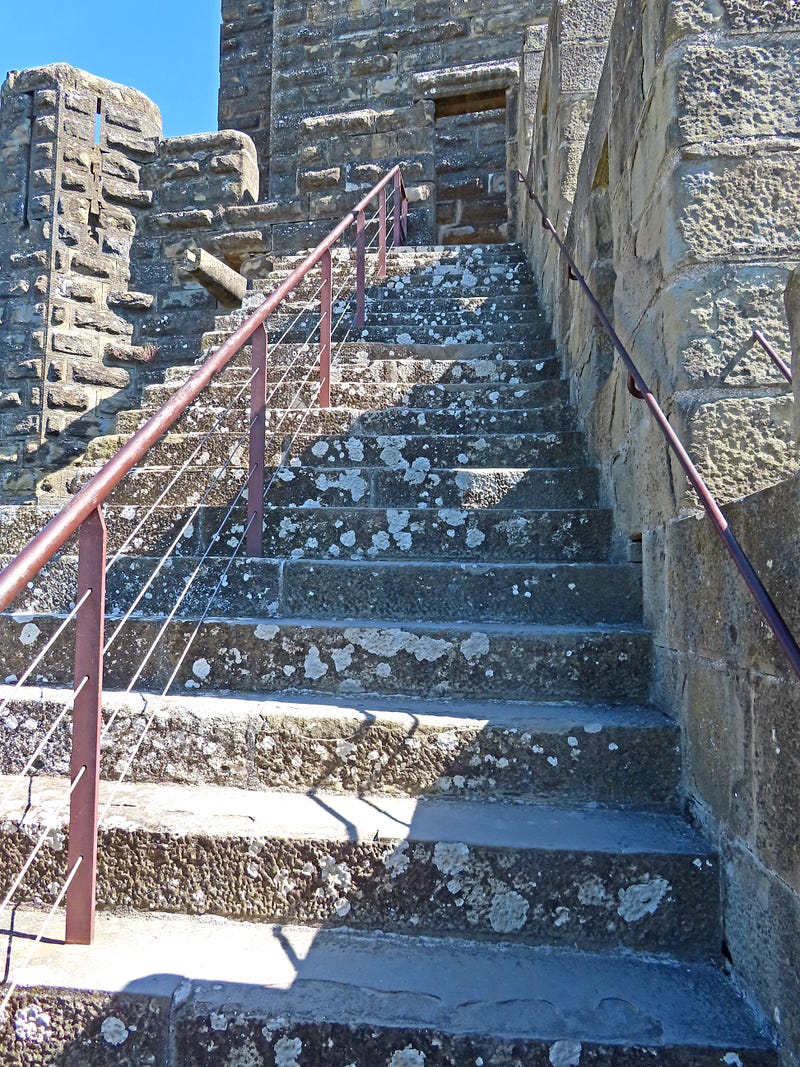
This would be another stairclimber workout — luckily there were railings to hold onto and to protect visitors from falling over the edge. I don’t know what they did in the 12th century without that safety railing.
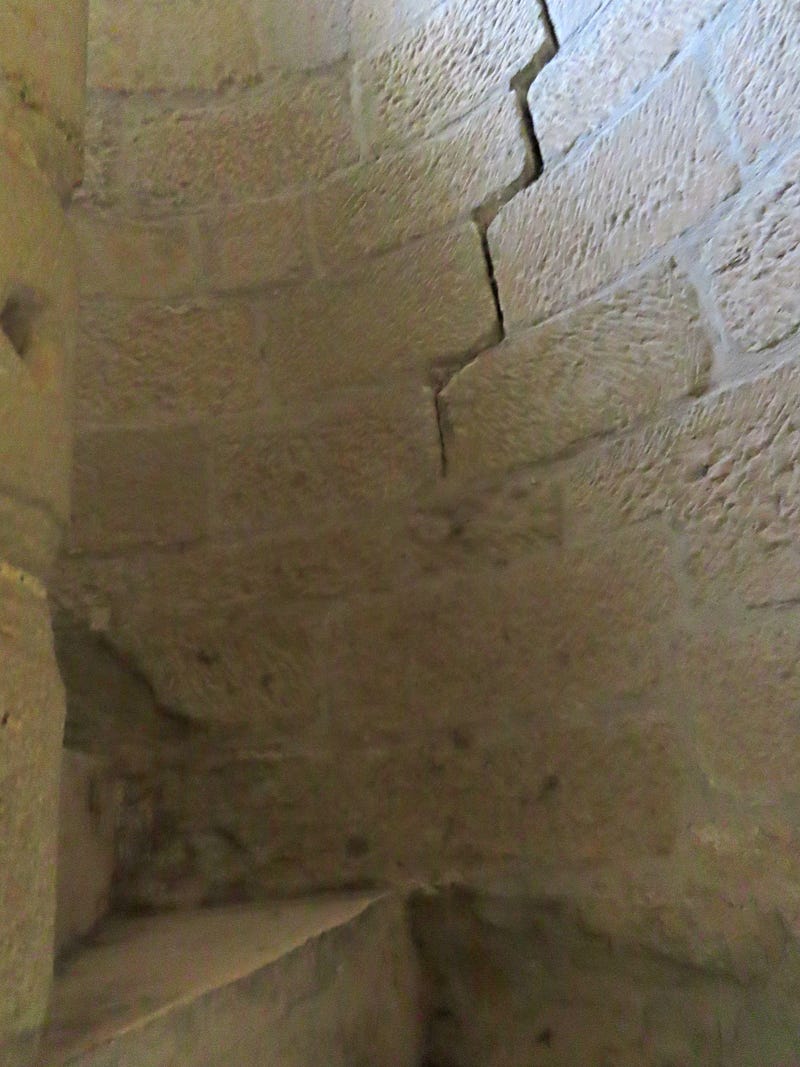
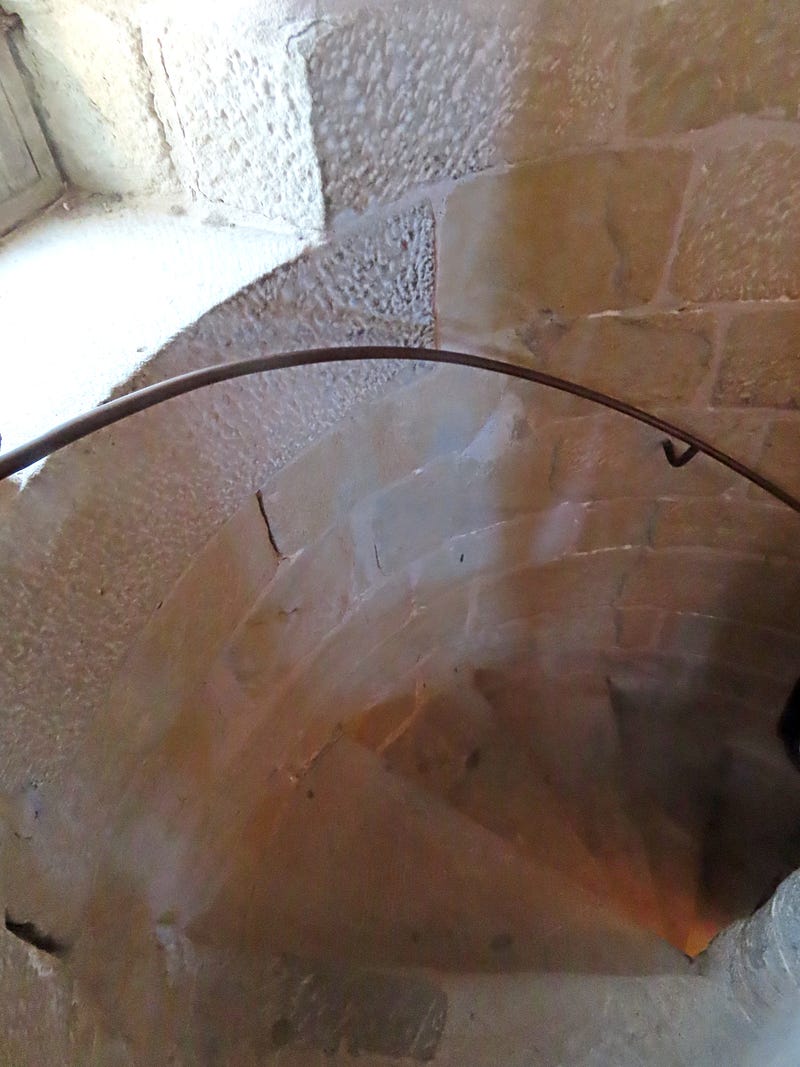
We climbed the steps to the first level and then again to higher levels of the ramparts, up to the top of the lookouts, and back down again. While it was a solid workout, the views of Carcassonne and the surrounding countryside were breathtaking.
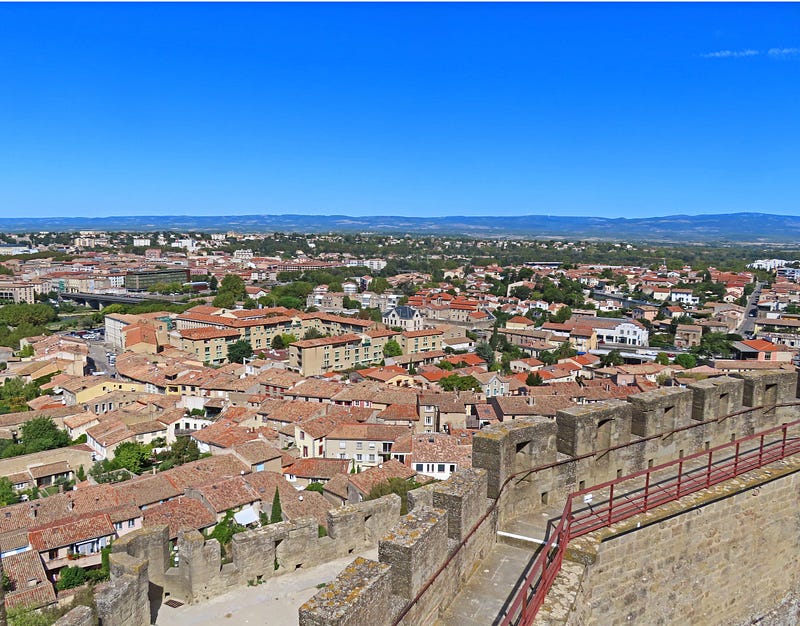
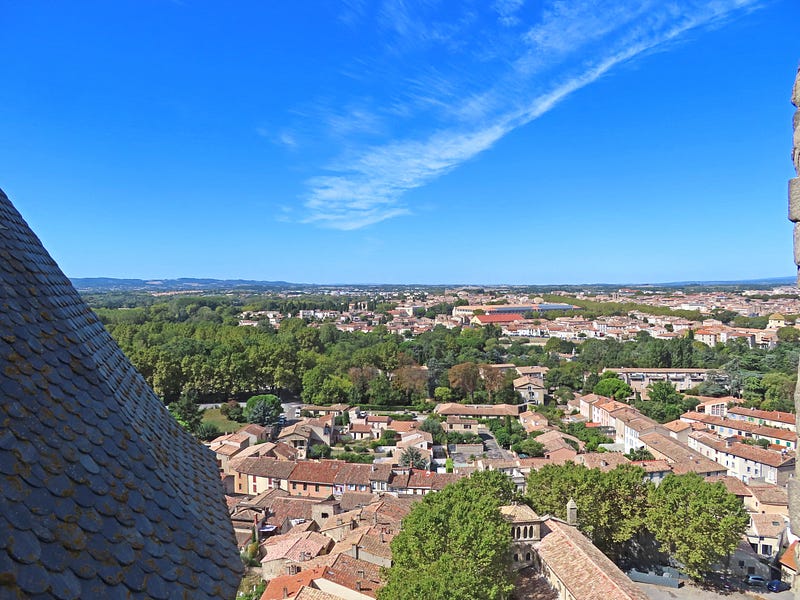
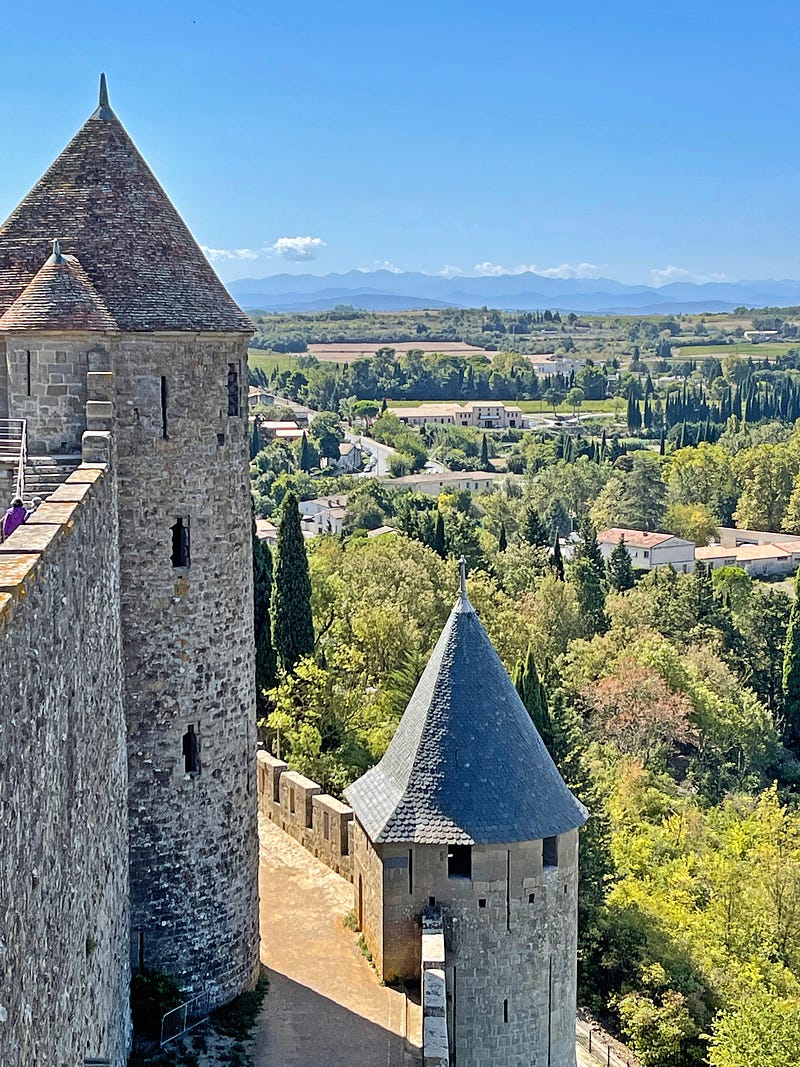
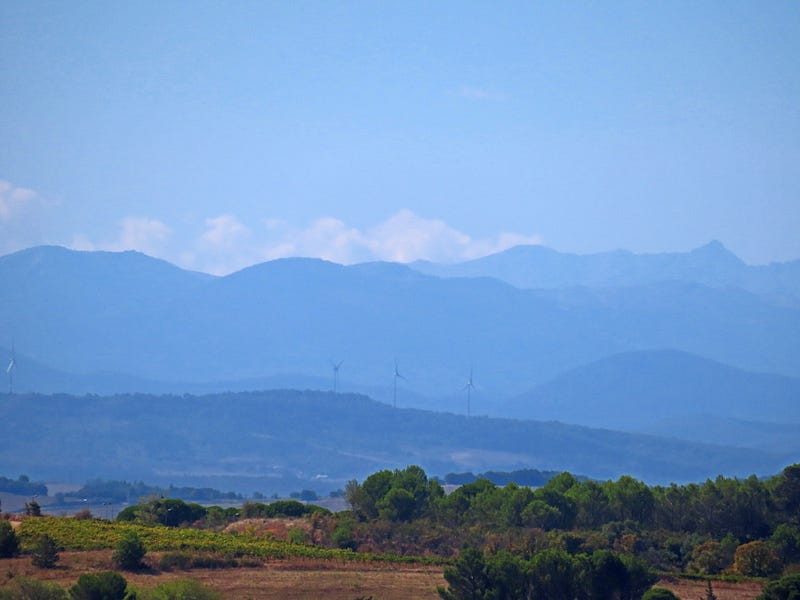
We could see as far as the Pyrenees Mountains which straddle the border between France and Northern Spain. And just up the hill, we could see the vineyard where we were earlier for our view of the castle.
As we looked down I could imagine what it must have been like for the sentries to see approaching armies on horseback as they approached, giving the defenders plenty of time to get in position.
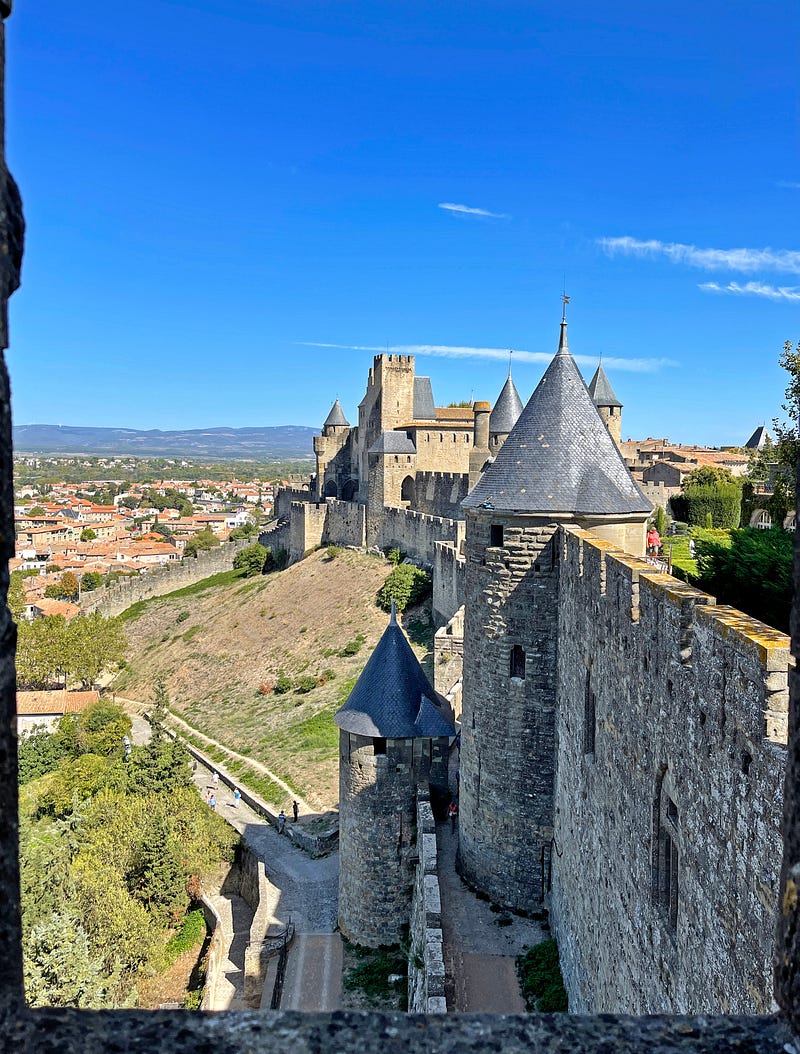
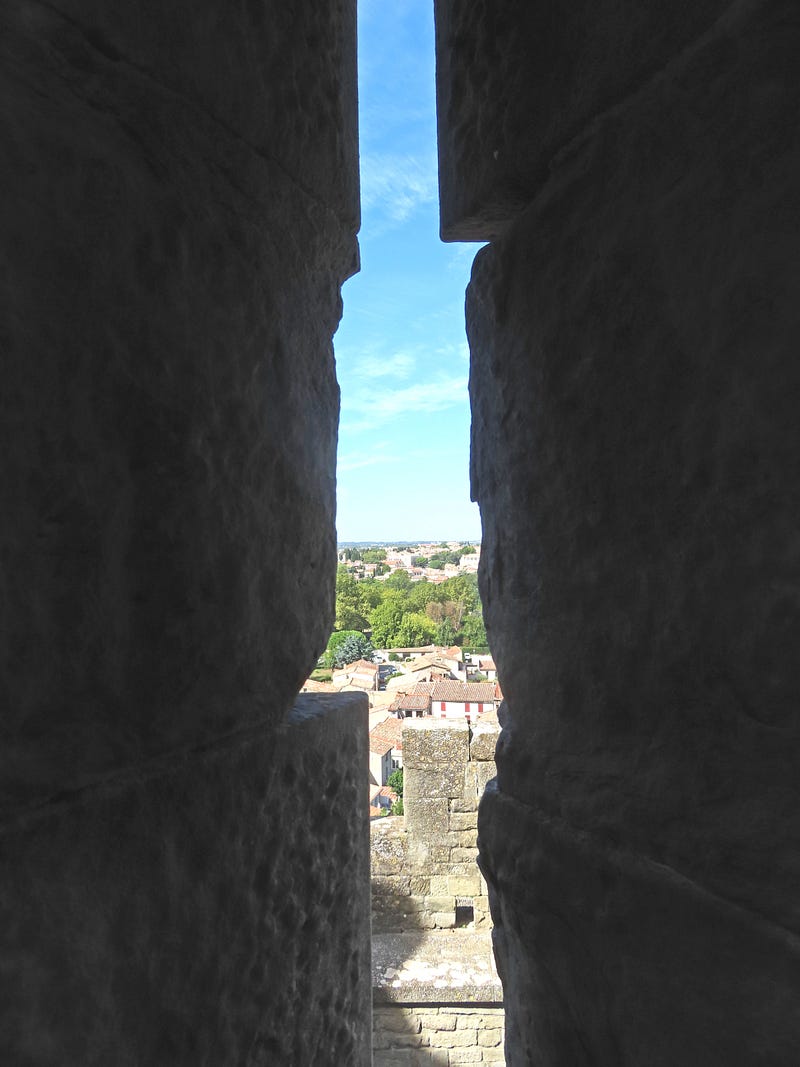
Wooden hoarding was used on top of the ramparts, and arrows could be fired and stones dropped through holes in the floors of the hoarding. The wood was also covered in wet animal skins to prevent fires. There were also arrowslits in the stone walls that defenders were able to fire their arrows through without exposing themselves to the invaders.
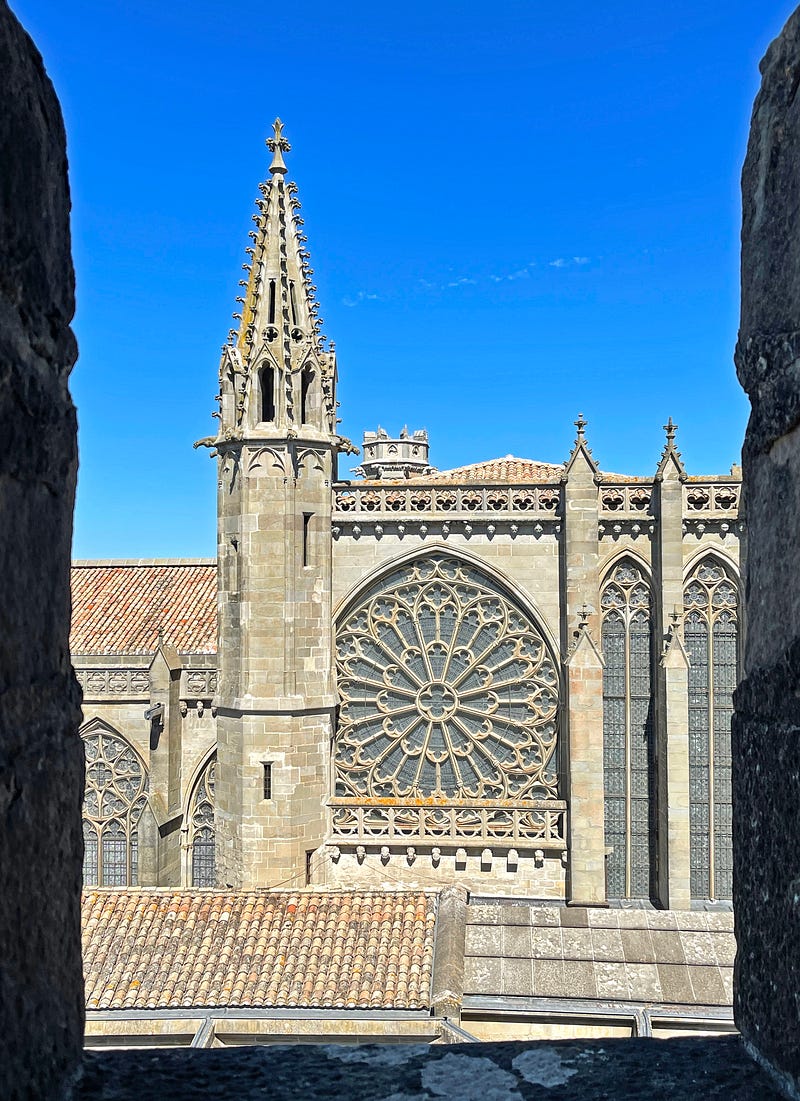
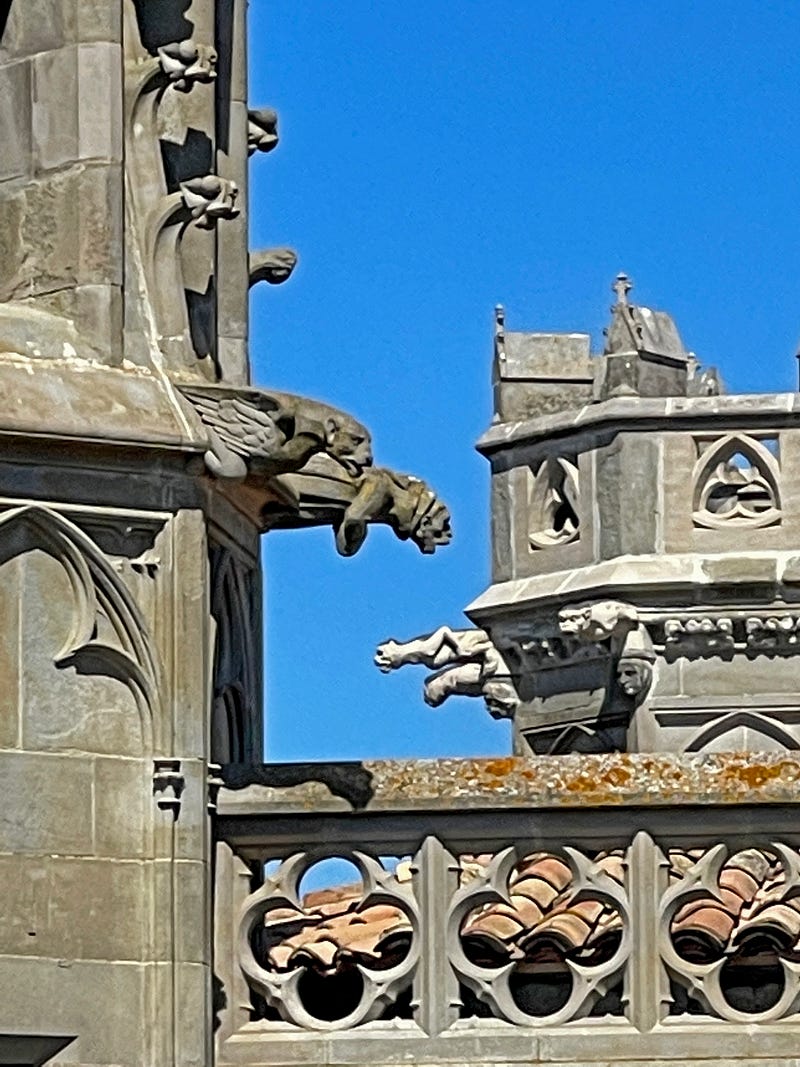
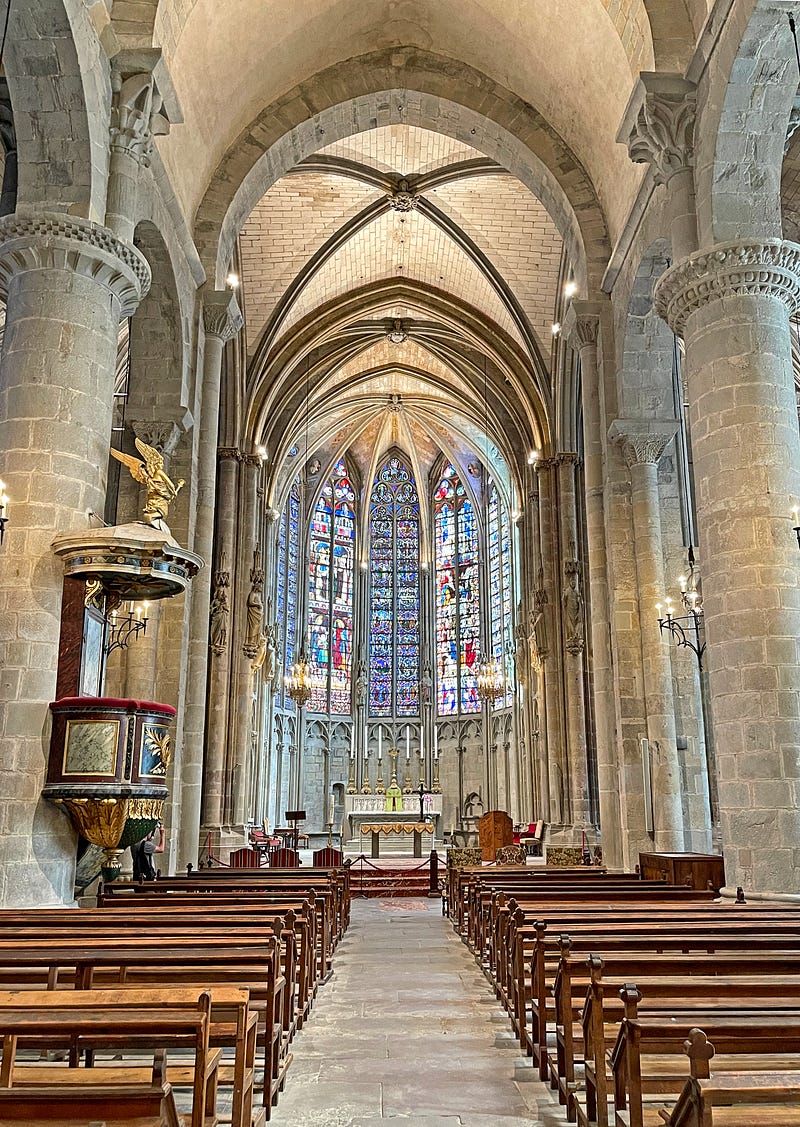
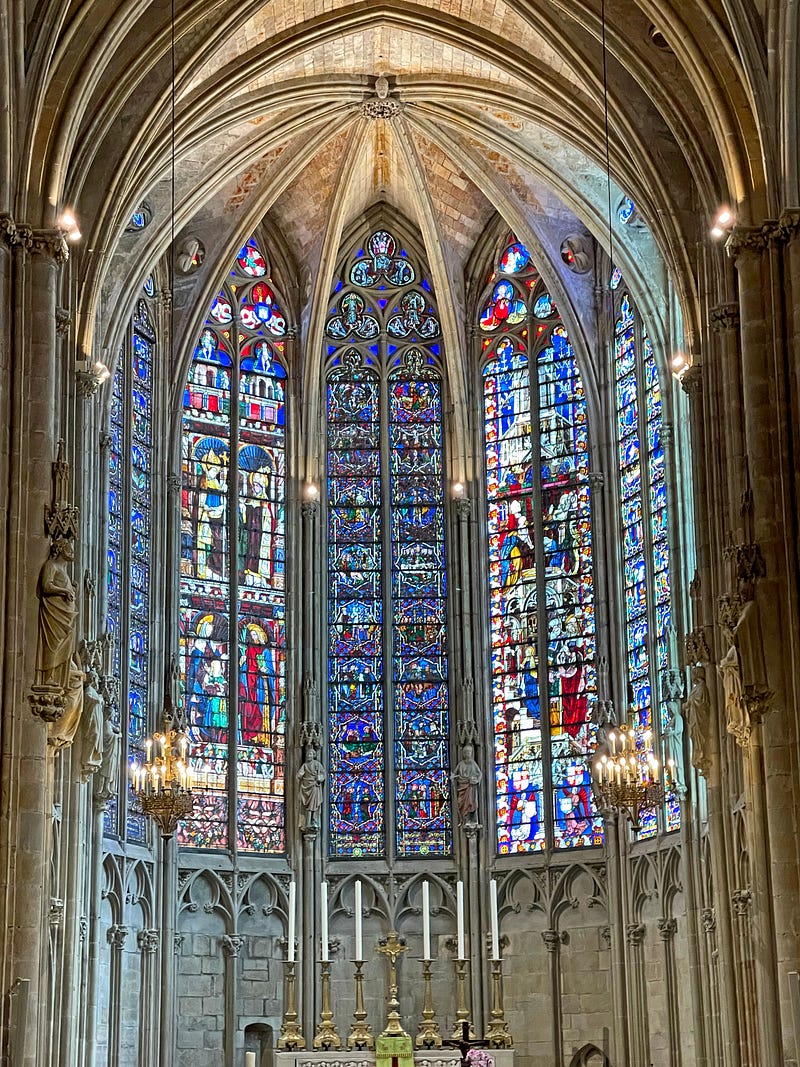
As we made the climb back down to street level, the 13th-century Saint Nazaire Basilica rose up in front of us. A massive gothic structure with numerous gargoyles, grotesques, and towers.
Inside the Basilica, prayers are still given and services are still held, with the massive stained glass window in front of the altar and the ribbed vaulted ceiling overhead.
Outside we stopped for a bathroom break before hitting the road again… squat toilets! I haven’t seen those since my time in India, but they’re probably better than what they had to use back in the 12th century.
We grabbed a sandwich at one of the shops on the way out and sat in a paved park area on the way outside the gates, eating our lunch before continuing our journey.
The next stop would be Camargue.
_______________________________________
You could read so much amazing content on Medium and it could be your next step in becoming a writer, for just a few bucks a month. And if you sign up with this link you will also be supporting my writing.


