
Self Improvement
Finding a Dream Worth Living
Every dream begins as a seed we must plant and nurture
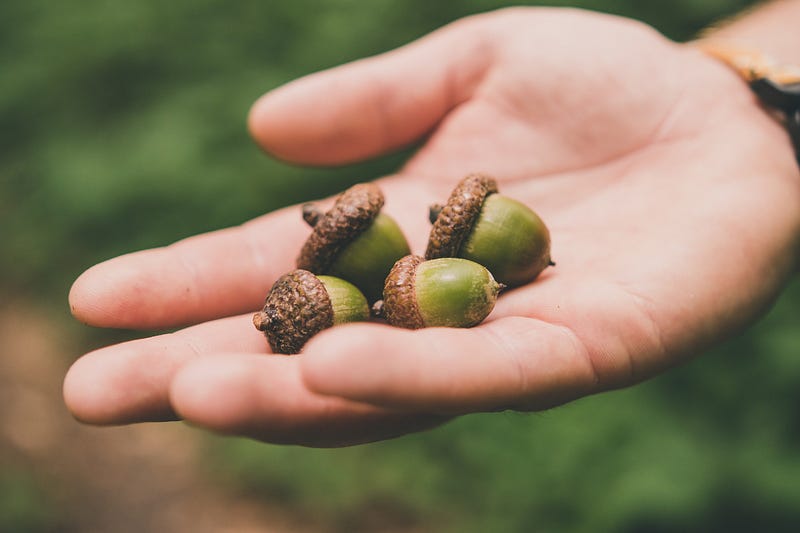
Could we each have been born to create? I do. While what we can create differs, our ability to do it seems to come from within each of us. I like the idea that we could use our creative energies to solve problems to make the lives of people better. When more individuals choose to unleash their imagination to create something, we are strengthening the fabric of our society too.
Where creativity starts
Our ability to create is both unique and common.
Remember as children when we created something new every day? We drew pictures with crayons and markers. We sang our favorite songs and made up new ones with our friends. How fun it was to finger paint!
What joy we experienced bringing something new into the world. We can still see it in our little ones today. Catch a glimpse of the magic while you can. For most, it will pass away as does their belief in things that cannot be seen.
Where does it go; the creativity to make something because we can? Many of us lose it a day at a time. How sad. It happened to me. It happened to many of my friends. Maybe it’s happened to you as well. I’m convinced that If we believe creativity is important when we stop building things, we become less healthy. Does that make sense?
We can be creative again
If we are open to change our behavior, we can become creative again. We only need to remember. Seeing through the eyes of a child can help. For example, when our daughter was young she received many books. We read to her whenever she wanted; especially at night. I miss those times.
In the early days, it was she who began helping me remember the importance of creativity, faith, and doing something others think isn’t very important. I began having more fun.
Inspiration to create can come from an unexpected place.
Have you ever read The Carrot Seed book by Ruth Krauss?
As the title of the piece indicates, in this book, the boy has a carrot seed. As I read the book to our daughter, the seed took on a special meaning for me.
The seed represents his dream (your dream). And it was a big one. He couldn’t describe it to anyone else, but somehow his imagination helped him see what no one else could. You might say he had a hope that fueled his daily work. He planted this seed in the ground and had faith that if he did what he knew to do, something remarkable would happen. He just knew it!
While he might have had doubts, I’m not sure. The book didn’t say. What I do know is his family did not encourage him in his endeavor. In fact, they told him continually, that the seed wouldn’t come up.
Has anyone ever told you that your dream isn’t worthwhile? That it can’t work? That you are not the right person to do it? Most of us would have to say, “yes”.
Creating something requires protecting your dream.
Believing that way of thinking is how we kill creativity in ourselves. Once doubt and unbelief take root, some look for ways to bring others down. We must resist this temptation. Wouldn’t our communities and world be better if we turned from the practice of discouraging others to applauding their efforts and cheering them on? What if we said, “Wow, your idea is awesome, how can I help?”
What the boy did to create something
Regardless of what anyone else said, the boy had a process he followed that led to success. What follows is an abstraction of his steps.
- Possessing the desire to create something: He had a desire to achieve something found only in his imagination. Onlookers would need to wait and see. To begin the process, he had to plant the seed.
- Knowing what to plant: The discernment to know what to plant. He selected the right seed for what he intended to accomplish.
- Selecting the right environment: Most seeds need special environments to germinate. Moreover, various plants require a particular climate with different growing seasons. He seemed to know what was possible.
- Preparing the ground: The micro-climate in which he worked, likely needed preparation before planting. When we don’t do this, what we plant may have a lower chance of success.
- Planting the seed: The boy’s dream couldn’t come true until he put the seed in the ground that had been prepared ahead of time.
- Caring continually: The diligent care and nurture of his dream were important. He didn’t give up or give in to discouragement. Many people: give up thinking it will take too long and it’s not worth it. Don’t give up on your dream to make something.
- Pruning: As a dream begins to grow, it may run in many directions. Letting it grow wild producing all sorts of growth may seem healthy, but it isn’t. Pay attention to prune along the way. When we don’t do this we risk having a lesser harvest
- Harvesting: Time to harvest what we planted. My hope is there is a celebration for you and others that helped along the way. And most important, the seed that your harvest produced can multiply. The new seed can be taken by others and sown in new places.
Last Thoughts
Just like the boy in the book who achieved his dream, nothing would have happened had the boy not had something inside that needed to come out. He had the courage to take action using his imagination to make something. What is inside you that needs to come into the world?
Shepherding: The art of becoming the leader others want to follow


