Self Help Mental Health
Find Yourself Getting In a Huff When Waiting in Line? You’re Not Alone.
My impatience stems from my innate desire to be in control and achieve immediate results. From long supermarket lines to rude drivers and, delayed flights, waiting tests my patience like nothing else.

One reason I get impatient is that we live in a fast-paced world where instant gratification is the norm. I’ve become accustomed to getting what I want when I want it, and waiting for anything feels like a colossal waste of it. Additionally, my busy schedule and constant multitasking have made me more impatient, as I’m always trying to fit more into my already overscheduled days.
Expectations are a major source of impatience. Whenever I allow myself to have unrealistic expectations for myself or others and those expectations are not met, it always leads to feelings of annoyance. I feel like time is slipping away or that I’m not making progress as quickly as I would like. Expectations will almost always kick my butt, causing additional unnecessary stress and frustration.
Patience is an art that is becoming increasingly difficult to maintain in today’s environment. In this age of instant gratification, even waiting a few seconds for a webpage to load may be aggravating. After all, Amazon will bring me anything I desire in two days or less without leaving my home. As a normal person, I can’t deny that impatience sometimes makes me want to rush things. When I have to wait, whether for someone to step on the gas when the light turns green or for the grocery store line to move faster, it’s always tempting to give in to my temper.
Time is our most precious commodity, and wasting it feels like the worst kind of crime. I can express my rage in a variety of ways, such as covertly drumming my fingers, sighing loudly, or ultimately snapping out loud at those responsible for delaying me. I sometimes appear to be filled with a restless energy that drives me to act without hesitation, even when it is not in my best interest. That usually occurs when I’m tired, anxious, or physically in pain. It helps when I remind myself to breathe.
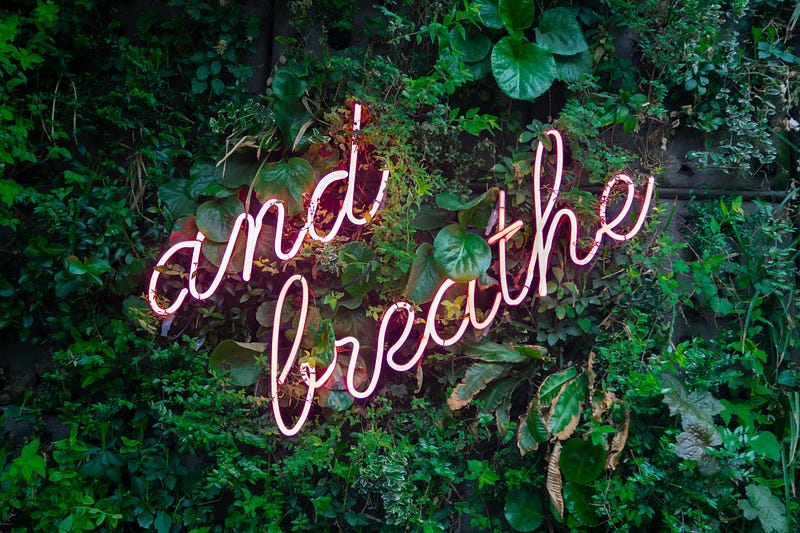
While impatience may seem like a harmless emotion, or even a self-righteous one, it damages my mental health. I found that constantly feeling impatient increased stress levels and contributed to feelings of anxiety and frustration. It also leads to a lack of focus and attention, making it difficult to complete tasks or enjoy the present moment.
It has the potential to alter every aspect of my life, from my relationships to my career. When I’m impatient, I am more likely to make decisions without considering the consequences. My impatience makes it difficult for me to understand and empathize with others, which increases the likelihood of misunderstandings and mistakes.
It’s difficult to escape the strain of always needing results immediately. I become trapped in a never-ending cycle of impatience, searching for the next fast fix to acquire whatever I desire. This never-ending quest for instant gratification leaves little time for introspection, growth, or developing meaningful relationships.
Finding calm in the midst of waiting
Impatience may be a natural response, but I’ve found it possible to find calm and contentment in the midst of waiting. The most effective way to do this is through practicing mindfulness.
Mindfulness is just the practice of being fully present in the current moment without judgment or attachment to the outcome. Don’t blow it off; it can be done if you truly want to experience it. By bringing my attention to the present moment, I can let go of my impatience and find peace within myself. As Ram Dass said so well, “Be Here Now”. Simple techniques such as deep breathing, body scan meditation, or focusing on my senses work.
By just paying attention to my thoughts and emotions, not trying to control them, I can become more aware of when impatience arises and choose to respond in a more calm and centered way. This awareness allows me to pause and reflect before reacting impulsively.
Difficult? You bet, especially in crowds of people where the cacophony of voices and jostling of bodies is unavoidable.

Cultivating patience through self-reflection and self-awareness
Self-awareness is also crucial in cultivating patience. By becoming more attuned to my thoughts, emotions, and physical sensations, I can catch myself in moments of impatience and choose to respond differently. This awareness allows me to pause, take a deep breath, and consciously choose a more patient and compassionate response.
Another effective way is to alter my perception of time. We don’t have to consider waiting to be a waste of time. Instead, we can regard it as an opportunity to reflect or unwind. I can transform times of impatience into times of tranquility and self-discovery by changing how I think about them.
I try to remind myself that it does no good to push the river; it is always best to just let it flow! And I;
Practice gratitude: Take time each day to reflect on what I am grateful for. By focusing on the positives in my life, I can shift my perspective from what I don’t have to what I do have.
Embrace uncertainty. Instead of resisting uncertainty, learn to embrace it. Remind me that the only certainty in life is uncertainty. Recognize that life is full of unexpected twists and turns and that waiting can often lead to new opportunities and growth.
It’s always the journey, not just the destination. Rather than solely focusing on the result, pay attention to the process and the lessons learned along the way. Appreciate the small victories and celebrate my progress.
Practice self-compassion: Be kind to myself during moments of impatience. Remind myself that it’s natural to feel frustrated and that I’m doing the best I can. Treat myself with the same compassion you would offer to a friend.
Ultimately, acceptance is the answer, no matter what the question.
Acceptance involves letting go of my resistance to the present moment and embracing it fully. Instead of wishing for things to be different, I can choose to accept and make the most of the situation at hand. This doesn’t mean I give up on my goals or stop working towards them, but rather that I learn to find peace and contentment in the present moment.
Please Follow Me for more personal insights. Thank You!