
Financial Wellness: Strategies for Managing Money and Securing Your Future
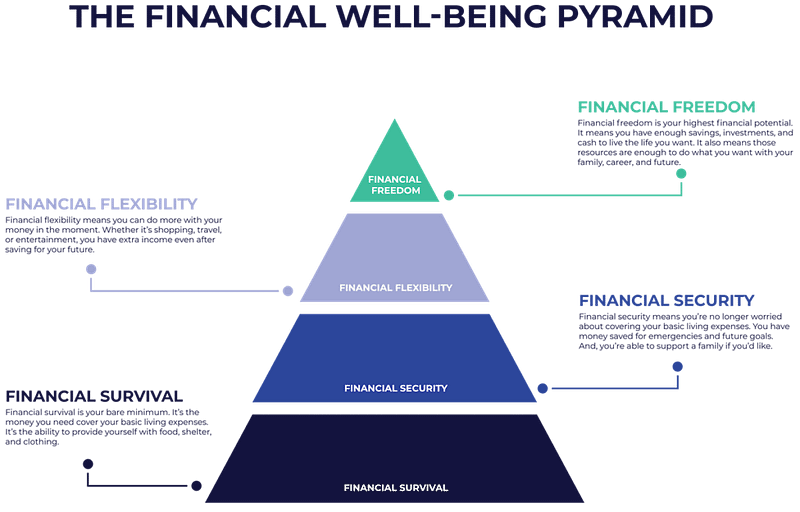
Financial wellness is a cornerstone of overall well-being, yet many individuals struggle with managing money effectively and planning for their future financial security. Whether you’re just starting your career, managing a household, or nearing retirement, adopting sound financial habits and strategies is essential for achieving your goals and building a strong financial foundation. In this article, we’ll explore key strategies for managing money and securing your future financial well-being.
Budgeting: The Foundation of Financial Wellness
Budgeting is the cornerstone of effective financial management. Creating a budget involves tracking your income, expenses, and savings goals to ensure that you’re living within your means and prioritizing your financial objectives. Start by listing your monthly income sources and fixed expenses such as rent or mortgage, utilities, groceries, and debt payments. Then, allocate a portion of your income to savings and discretionary spending categories, such as entertainment or dining out. Regularly reviewing and adjusting your budget as needed will help you stay on track and achieve your financial goals.
Emergency Fund: Building a Financial Safety Net
An emergency fund is a critical component of financial wellness, providing a financial safety net to cover unexpected expenses or income disruptions. Aim to save three to six months’ worth of living expenses in an easily accessible savings account. Start by setting aside a small portion of your income each month and gradually increase your savings over time. Having an emergency fund can provide peace of mind and protect you from the financial stress of unexpected events such as job loss, medical emergencies, or car repairs.
Debt Management: Strategies for Repayment and Avoidance
Managing debt is an important aspect of financial wellness. Start by prioritizing high-interest debt such as credit cards or personal loans and develop a plan to pay off balances as quickly as possible. Consider using strategies such as the debt snowball or debt avalanche method to accelerate repayment and minimize interest costs. Additionally, avoid accumulating new debt by living within your means, practicing mindful spending, and using credit responsibly.
Investing for the Future: Building Wealth Over Time
Investing is a key strategy for building long-term wealth and achieving financial independence. Start by establishing clear investment goals, such as retirement savings, education funds, or homeownership. Consider working with a financial advisor to develop a diversified investment portfolio tailored to your risk tolerance, time horizon, and financial objectives. Regularly contribute to retirement accounts such as 401(k)s or IRAs and take advantage of employer matching contributions when available. Remember that investing is a long-term endeavor, and patience and discipline are essential for success.
Financial Education: Empowering Yourself with Knowledge
Financial literacy is an invaluable tool for achieving financial wellness. Take the time to educate yourself about personal finance topics such as budgeting, saving, investing, and retirement planning. Seek out reputable resources such as books, online courses, or workshops to expand your knowledge and skills. Additionally, consider working with a financial planner or advisor to develop a comprehensive financial plan and receive personalized guidance tailored to your unique circumstances.
Conclusion
Achieving financial wellness requires proactive planning, discipline, and a commitment to long-term financial health. By adopting sound money management strategies such as budgeting, saving, debt management, and investing, you can take control of your finances and secure your future financial well-being. Remember that financial wellness is a journey, and small changes made consistently over time can yield significant results. By prioritizing your financial goals and taking action today, you can build a solid financial foundation and achieve greater peace of mind and prosperity in the years to come.