Summary
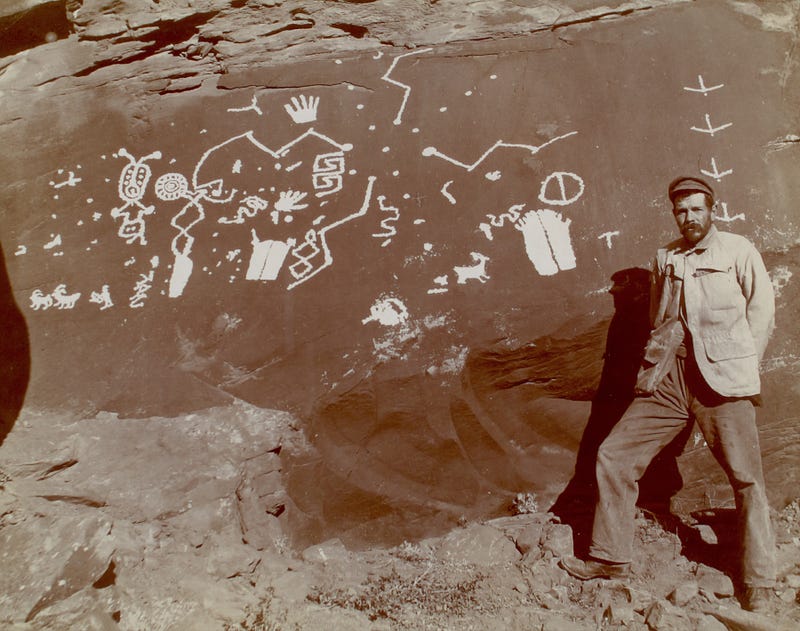
This poem reflects on the interconnectedness of past and present generations, expressing gratitude to ancestors for their resilience and the role they played in the speaker's existence.
Abstract
The poem titled "Finally Grateful for Our Ancient Us" is a contemplative piece that acknowledges the struggles and triumphs of the speaker's ancestors. It recognizes that the ancestors lived not for the speaker but for their own existence, yet their enduring legacy is what has allowed the speaker to exist in the modern age. The poem touches on the primal activities of life—breathing, feasting, finding pleasure, and ultimately dying—as shared experiences across generations. It suggests that if the ancestors had not been strong and determined to survive, the speaker would not be here to reflect on their lineage. The poem culminates in an expression of gratitude, with the speaker placing their thanks on a page, symbolizing the connection between the past and the present.
Opinions
- The speaker feels a deep connection to their ancestors, recognizing that their current life is a direct result of their ancestors' survival and perseverance.
- There is an underlying tone of humility and reverence for the ancestors' way of life and their ability to endure despite the challenges they faced.
- The poem suggests that the speaker's gratitude is not just for their own life but also for the collective existence of their entire lineage ("no me (us, we)").
- The use of parentheses around "our" and "dumb luck" implies a shared destiny among ancestors and descendants, as well as an element of chance in their survival.
- The poem conveys a sense of awe at the continuity of life, with the speaker feeling honored to be part of such a long line of survivors.
- By placing gratitude on a page, the speaker immortalizes their thankfulness, suggesting that this expression is not just personal but also a tribute to the human spirit and resilience.