
Food/Dessert/Sharing Foods
Filipino Desserts For The Sweet Tooth
Simple, sticky and sweet
A Filipino meal is not complete without a dessert. And I cannot survive a meal that has no dessert. I don’t mind about whatever the dish is on the table, as long as there’s a dessert.
I can still remember my grandfather, who craved for anything sweet after every meal. If there was nothing around, he just scoop a tablespoon of sugar. And he’s good.
Filipino native dessert is simple and revolves around almost the same ingredients. It’s a far cry from the high-end crème brûlée or tiramisu. Or from the intricately prepared, decorated, and presented Japanese and Korean rice cakes.
Kakanin
Rice cake or kakanin is one of our native desserts. It has three primary ingredients: glutinous rice, coconut milk, and sugar. Other ingredients can be added to give it a distinct flavor, color, and esthetics. It is usually presented in a bilao or winnowing tray with banana leaves underneath. Or just a plain paper plate.
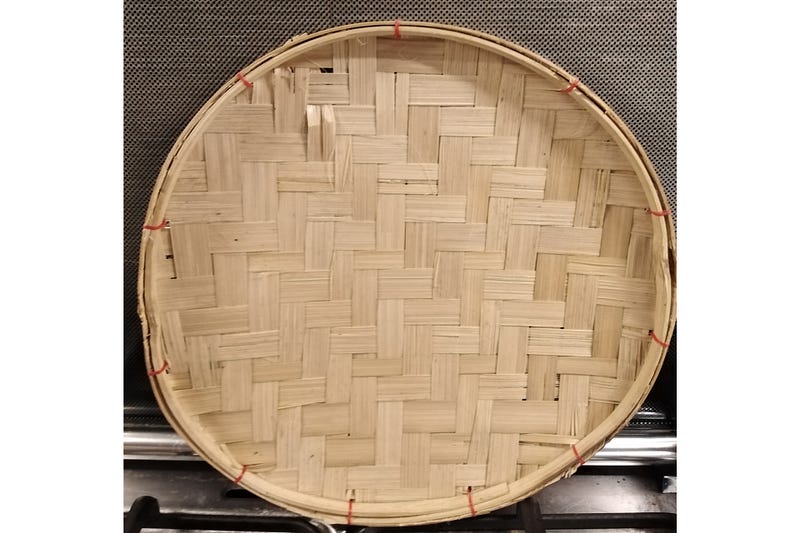
It can be bought in some supermarkets, public markets, and from peddlers on the streets with the bilao placed on top of his/her head shouting the name of the kakanin to call the attention of the people around.
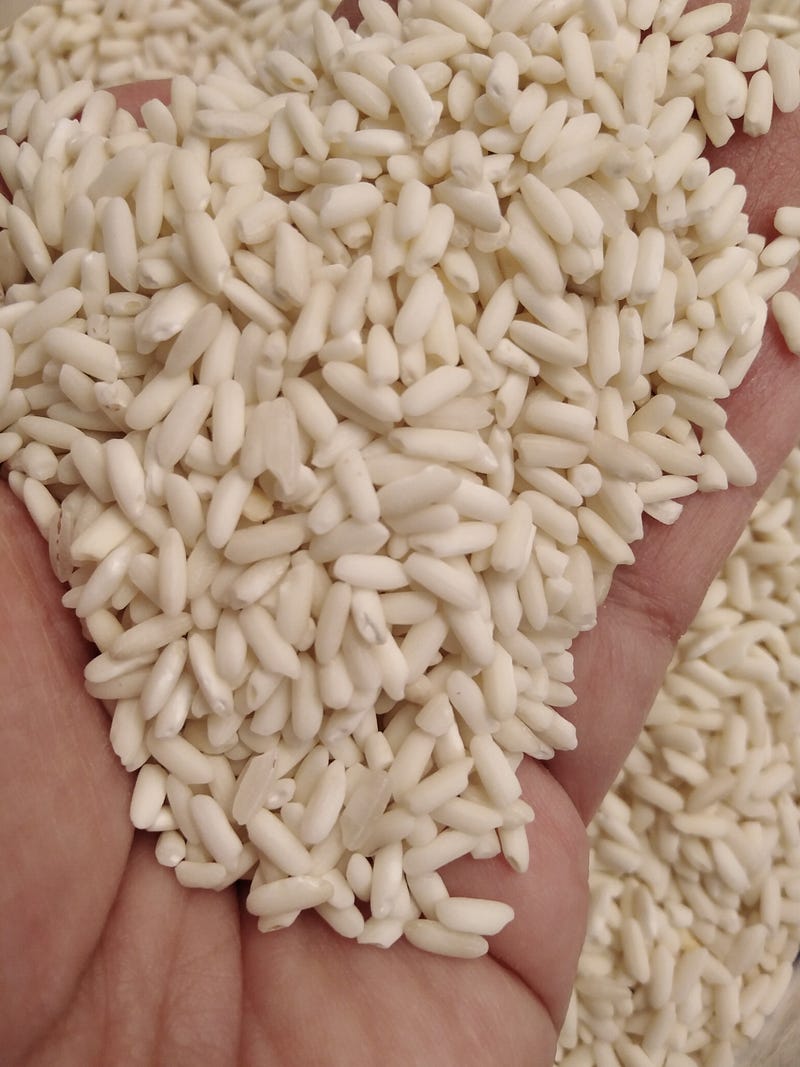
Glutinous rice is also called sticky rice. Malagkit na bigas in Filipino. Sugar can be white or brown. Other ingredients that can be added are cassava, coconut milk, coconut meat, condensed or evaporated milk, cheese, anise, and fruits such as banana, jackfruit, sweet yam, and taro.
Some are cooked by steaming and some are baked. Some are cooked with the labor of love. Why? Because as the ingredients are mixed together and placed in a pan under low fire, they need continuous mixing until cooked. Or else it will stick in the pan and the texture is not even. And because it takes several hours to prepare and cook, patience is a virtue here.
On special occasions, they are always present, especially during New Year’s Eve, Christmas celebration, and town fiesta. It is a belief that putting them on the table will maintain the close relationship between families and friends.
Stick like the sticky rice
And sing like Lionel Ritchie…”Stuck on You”…And the way I feel now I guess I’ll be with you ’til the end…I’m mighty glad you stayed.
Historically speaking, kakanin serves as an offering to the Gods to bring good luck. The Chinese introduced the idea that starchy desserts symbolize wealth sticking to anyone who consumes them.
Kakanin is the ordinary people’s cake and pastries. Kakanin is the snack that is heavy in the stomach and can bridge any hunger to the next several hours.
Since rice is our staple food and kakanin is made of rice, we always say — Rice is Life.
Yesterday, I went to the supermarket quite late. These were the only ones available.
1. Sapin-Sapin
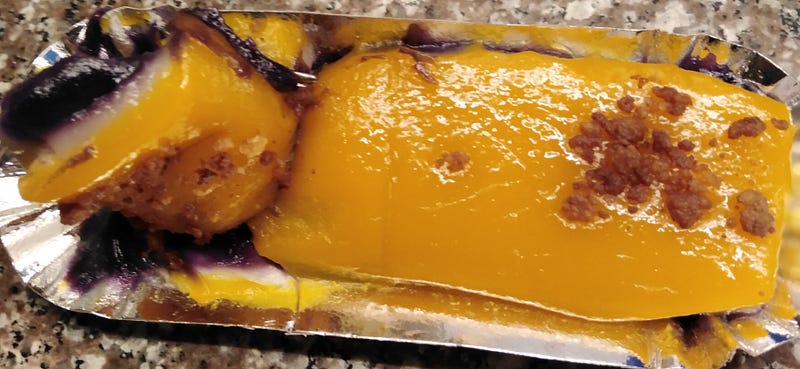
Sapin-sapin means in layers. This is made with galapong (glutinous rice dough), coconut milk, sugar, condensed milk, and purple yam and jackfruit flavoring and coloring. This festive and colorful dish has a dense, chewy pudding-like texture. Cooking sapin-sapin is by steaming and is a very long process. After the first layer is cooked, the mixture for the second layer is poured on the cooked first layer and the process is to be repeated again for the third layer.
Coconut milk that was cooked until thick, brown and oily is placed on top. And that is called Latik.
2. Suman
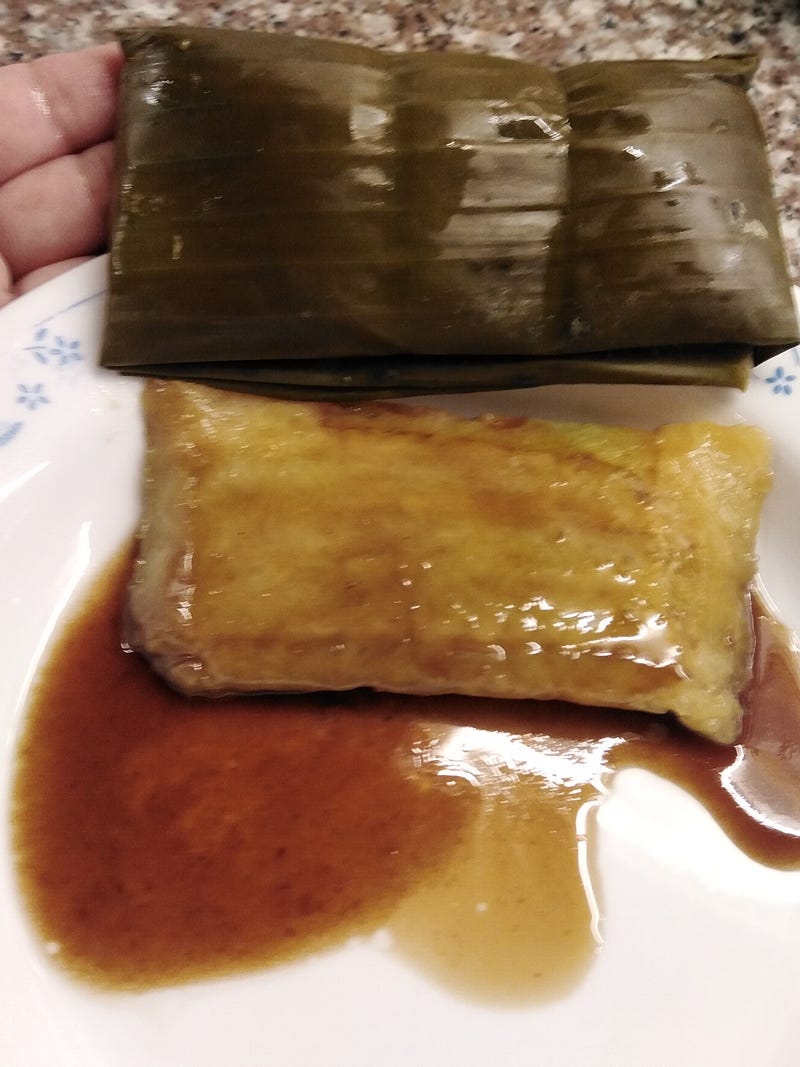
This is made with glutinous rice and coconut milk. Wrapped with banana leaves or young palm leaves and then steam. It can be dipped in sugar or caramel.
Another kind of dessert using sticky rice: Ginataang Bilo-bilo
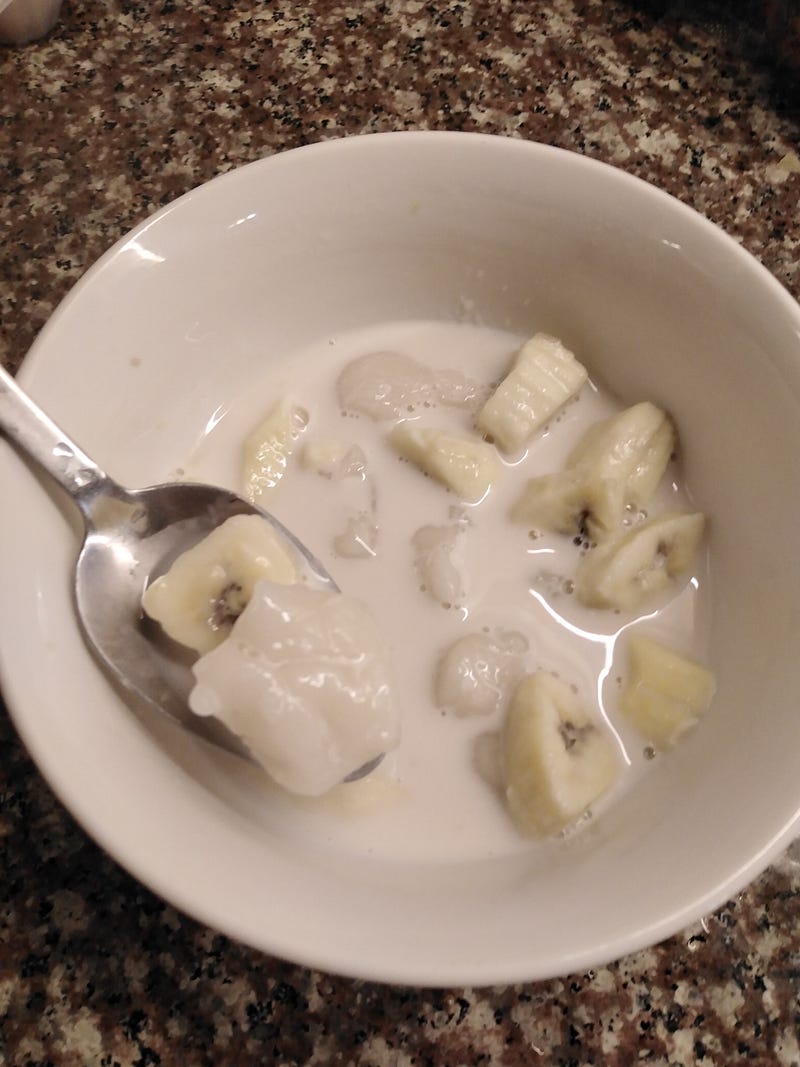
This is made with coconut milk, glutinous rice flour, and sugar added with any fruit or root crops that are available. Like banana, sweet yam, jackfruit, and taro. Tapioca can be added too. It’s like the more the merrier and colorful.
Gata is coconut milk, thus ginataan. Bilo-bilo is the glutinous rice flour made into dough and shaped round. The best way to eat it is when it is piping hot. Though, eating it cold, as in fresh from the refrigerator tastes good too.
There are still many native desserts as provinces have their own specialty. I hope one of these days I can share them with you.
Kain Na ( let’s eat).


