
Field Day, Gym Shoes, and Other Lost Things
Grief can show up differently in kids. Sometimes, it’s centered around gym shoes
My 9-year-old daughter didn’t express any grief at the closing of her school until the day she realized there would be no field day. Before that, she’d treated the quarantine as an extended snow day without the snow. And what kid doesn’t love a snow day?
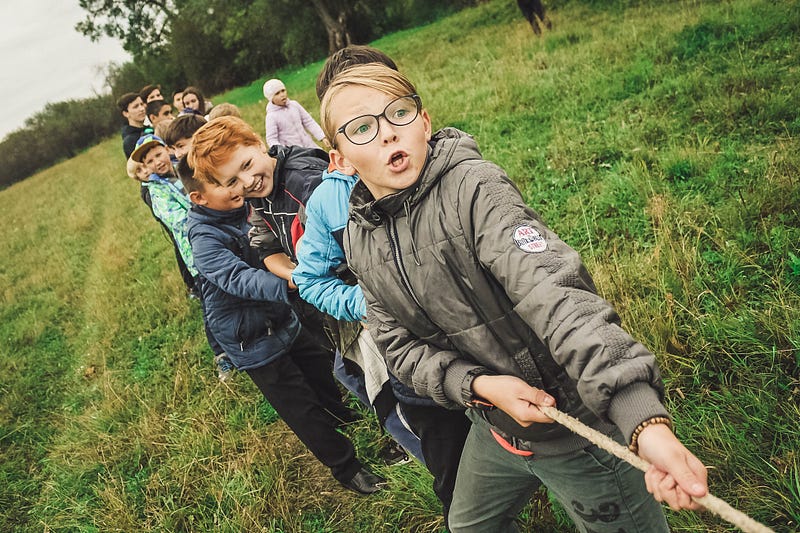
But then she remembered field day. Field day is a big day for the American kid. I don’t know if other countries have something similar. Field day in the US is an entire day at school, near the end of the year, filled with outdoor games in a grassy field. It’s best if the day is hot and you end up a little sunburnt. It’s a day filled with tug-of-war, relay races, bouncy houses, and no school work.
Last year, my daughter’s field day was rained out as the field near her school was flooded. They held a modified version, mainly indoors. Not the same at all. So this year’s field day was something she’d been planning on since last year’s dismal one.
She hadn’t yet mentioned field day, and I didn’t want to bring it up. But one morning it occurred to her, no field day this year. And the thoughts of field day led her to think of her gym shoes at school, still on a shelf. And all the anger, sadness, and disappointment came out projected onto the loss of those gym shoes.
It wasn’t really about the shoes
It didn’t matter that I told her we’ll get the shoes back eventually, or that they’re too small now anyway, or that we’ll buy new shoes this summer. She wanted her gym shoes back. Those gym shoes. The sparkly, lavender ones sitting unused in a dark classroom scattered with children’s abandoned belongings.
It’s a classroom that wasn’t closed for the year, neat and orderly. It’s a classroom that was left suddenly by its occupants. And it sits dark and empty, filled with children’s left-behind things: hoodies, soccer balls, rulers, pencils, all haphazardly left lying around. I can imagine it now when I close my eyes, quiet and still, 3rd-grade artwork still hanging on the walls, writing left on the whiteboard.
I couldn’t comfort her about those shoes because none of this was about the shoes. Not really. It was about so much more. It was about not getting to deliver her end-of-year present to her teacher personally and receive a big hug in return. It was about no yearbook signing, no fun end-of-the-year activities, no last day of school chaos with friends. And no field day.
She didn’t get to gather up her belongings from her desk and cubbyhole, including those shoes, and walk to my car at the end of the day. Happily ready to celebrate the beginning of summer.
Hidden in the sadness over gym shoes was the lost school year. And the dawning realization of her altered summer plans.
No vacations to see grandparents, no playing with cousins, no playdates with friends, no swimming pools, no parks, no fourth of July fireworks celebration, no birthday parties. She won’t go to the zoo this summer. She won’t get the shaved ice from the truck that parks in front of our local library every Monday. No art camp, no dance camp, no camps at all.
It came on unexpectedly for kids
While the adults were all reading the news for the lead-up to the lockdown, it came on suddenly for children. Kids can’t get their social fix with a Zoom happy hour like their parents. Kids don’t relate to each other that way. A video chat doesn’t replace playing together. Kids relate to each other through physical play. Imaginary games, sports, simply running around.
Zoom meetings don’t allow a kid to walk over to their friend during class and have a quick talk. They don’t allow for silly jokes that cause an outburst in the middle of a math lesson. The casual friendships at the lunch table and recess are gone. And these are the children that have computers and wifi access at home. Many children don’t, and for them, all connections to the outside world have been cut off.
Let the kids grieve
Parents are struggling too. Struggling to homeschool while working from home. Struggling with financial hardships. Struggling to keep a family safe and still have money to pay the bills. It’s hard to take on a child’s weighty sadness on top of everything else.
But we’ve got to let our children grieve. They’ve lost so much. And yes, we can remind them of everything they have to be grateful for. That’s important too. But when the sadness hits, they need to be allowed to feel it.
It’s a lesson for me too. It’s my instinct to take away the bad stuff. To kiss away the hurt knee, the bumped forehead. To hug away the bad dream. But I can’t chase this one away. I’ve got to let her feel it so she can get to the other side. She needs to accept it to get beyond it.
I’m struggling too and I’m not always as patient as I wish I was. But I can make sure above all else, she knows she’s safe and loved. That’s the best thing I can do for her now. It’s all I can do.
She’ll get her gym shoes back
My daughter will get her gym shoes back next week. Her school has scheduled a drive-through pick-up line where a masked member of the staff will open up my car and put in her belongings, gathered in a plastic bag. And I predict she won’t care much the day the shoes come back. They’ll sit in her closet for a month or two until I put them in the donation pile with the other outgrown items.
The shoes took the brunt of her sadness that day, but I know it wasn’t about the shoes. What she needed was a good cry. Maybe what we all need is a good cry.
We’ll make this summer the best we can. We’ll make new memories that we never would have had if things had been normal. We’ve already planned a backyard camping trip, and we’ll have family movie nights and game nights, pizza and popcorn. My hope is she’ll look back on this time someday with not only sadness from the lost things but also happy memories of the fun we’ve had together as a family. And most of all, the feeling of being safe and loved.
But to get there, to the other side of the sadness, first I’ve got to let her grieve for what is missing.


