avatarKendalin Jane

Free AI web copilot to create summaries, insights and extended knowledge, download it at here

5336

Abstract

rn age</h2> <div><h3>What Disney Princesses would look like if they had been created in 2019: reimagined as body positive and racially…</h3></div> <div><p>www.stylist.co.uk</p></div> </div> <div> <div style="background-image: url(https://miro.readmedium.com/v2/resize:fit:320/0*1QWGh5AZyxRl8_B5)"></div> </div> </div> </a> </div><h2 id="d27f">The Ice Queen</h2><p id="ae6e">Remember when <i>Frozen</i> came out? It was everywhere. My nieces were obsessed, as were millions of girls, particularly with Elsa.</p><p id="2300"><i>Tangled</i> and <i>Brave</i> represented more rebellious young women, but Elsa was a truly independent queen who created her own castle in the midst of an iconic song. You know the one.</p><p id="e4cf">This was also the first Disney princess movie to represent sisterhood.</p><p id="d739">Elsa ends up saving her sister’s life and the villain in their story is a charming prince rather than an evil woman. They switched it up this time!</p><p id="65d9"><i>Frozen</i> was written and directed by Jennifer Lee and Chris Buck, who are not associated with Disney’s other princess movies.</p><p id="a722">They proved that love interests are not the main attraction for audiences.</p><p id="6f6c">Since then, <i>Moana</i> and <i>Encanto </i>were both huge hits with <b>original</b> characters, inspiring female leads, and no prince charming.</p><p id="ede0">So why all the remakes?</p><p id="10a6"><b>Can the old fairy tales be transformed into stories about feminism? <i>(Genuinely asking, please share your opinion!)</i></b></p><figure id="6e88"><img src="https://cdn-images-1.readmedium.com/v2/resize:fit:800/0*d6CgQvxjSzeJbp4p"><figcaption>Photo by <a href="https://unsplash.com/@benjaminjsuter?utm_source=medium&amp;utm_medium=referral">Benjamin Suter</a> on <a href="https://unsplash.com?utm_source=medium&amp;utm_medium=referral">Unsplash</a></figcaption></figure><h1 id="d659">Live-Action: Capitalizing on Nostalgia</h1><p id="711a">Disney has created very successful remakes of some of their animated classics including <i>Beauty and the Beast</i>, <i>Cinderella</i>, <i>Mulan, Aladdin,</i> and most recently <i>The Little Mermaid.</i></p><p id="4f89">Not everyone approves of the new version of these characters, and the upcoming live-action <i>Snow White </i>is already a very controversial topic.</p><p id="4a4c"><b>We all see what they’re trying to do right?</b></p><p id="1a34">They can appeal to new audiences while also attracting a generation that grew up with an adoration for Disney princesses.</p><p id="6d81">I don’t think it’s as much about correcting problematic stories as it is modernizing them in order to capitalize on nostalgia.</p><p id="3878">Honestly, the only Disney remakes I’ve seen are <i>Lion King </i>and<i> The Little Mermaid. </i>I thought both were fantastic and magical, albeit very different from the cartoons we know and love.</p><p id="a7d8">I’ll always prefer the originals, but I appreciate the fact that these fantasy worlds were reimagined in a way that made them feel real.</p><p id="6b36">However, the trend of remaking movies and coming out with “20 years later” sequels feels almost unfair to the audience in some cases.</p><p id="abf8"><b>We feel like we<i> have </i>to see it because the characters were part of our childhoods, but the new adaptations often don’t live up to expectation.</b></p><div id="d125" class="link-block"> <a href="https://christabelcole.medium.com/the-psychology-of-nostalgia-marketing-how-brands-influence-your-choices-through-memories-8327148d73f0"> <div> <div> <h2>The Psychology of Nostalgia Marketing: How Brands Influence Your Choices Through Memories</h2> <div><h3>Nostalgia, the whisperer of memories past, holds the key to your choices. In this intriguing journey, we uncover how…</h3></div> <div><p>christabelcole.medium.com</p></div> </div> <div> <div style="background-image: url(https://miro.readmedium.com/v2/resize:fit:320/0*ATYFIybI2VEfNFY9)"></div> </div> </div> </a> </div><h1 id="b38c">Feminine Heroes</h1><p id="4ea9">The best example of true feminism in the world of Disney princesses might be in <i>The Princess Diaries, </i>which feature a very relatable character who is forced to become a princess against her will.</p><p id="c14f">The Queen, who rules in solitary, teaches her granddaughter about navigating a patriarchal culture as a woman in power.</p><p id="2f81">Independent women are often portrayed in media as neurotic, lonesome, and seemingly asexual. There may be some truth to the stereotype but the fact that true feminists are often not represented as <i>feminine</i> is insulting.</p><p id="38ad"><a href="https://iwda.org.au/learn/what-is-feminism/#:~:text=Quite%20simply%2C%20feminism%20is%20about,to%20realise%20their%20full%20rights."><b>Feminism</b></a><b> is not a hatred towards men; it’s about respect, equality and empowerment for <i>all</i> genders.</b></p><p id="1b49">We’re not trying to take over the government or remove men from leadership roles. <b>We want equal opportunity, not superiorit

Options

y.</b></p><p id="d9a2">I am most inspired by stories about the real women who revolutionized societal expectations <i>and</i> were capable of expressing love and heartbreak.</p><p id="0dd0">A few well-known influential figures that come to mind are Billie Holiday, Janis Joplin, and Amelia Earhart.</p><p id="e715">Each of them experienced the various challenges that come with being in the public eye in a time when strong women were generally considered repulsive, but their influence expands beyond their lifetimes.</p><p id="6af2"><b>Women who embrace and encourage freethinking rather than doing what they’re told are the reason we have rights (more than we used to at least.)</b></p><p id="38e1">Stories about change and hope as opposed to romantic love have the potential to inspire all of us to achieve our aspirations.</p><figure id="a58e"><img src="https://cdn-images-1.readmedium.com/v2/resize:fit:800/0*q4oFrpxmQfTgvvc1"><figcaption>Photo by <a href="https://unsplash.com/@gmalhotra?utm_source=medium&amp;utm_medium=referral">Gayatri Malhotra</a> on <a href="https://unsplash.com?utm_source=medium&amp;utm_medium=referral">Unsplash</a></figcaption></figure><blockquote id="0238"><p>“Everyone has oceans to fly, if they have the heart to do it.</p></blockquote><blockquote id="0a16"><p>Is it reckless? Maybe. But what do dreams know of boundaries?”</p></blockquote><blockquote id="1aeb"><p><b>Amelia Earhart</b></p></blockquote><h2 id="a2d3">In Conclusion</h2><p id="c5c9">Whether Disney princesses should be considered feminists or not is a matter of opinion.</p><p id="4db8">We have many examples of women that we look to for inspiration. Do we need to give cartoons (or Barbie for that matter) as much credit as we do for their influence on society?</p><p id="03a3">Would we have less insecurities if unrealistic beauty standards didn’t exist?</p><p id="5ada">That’s a sort of “the chicken or the egg” situation. These beauty standards existed in society and therefore were brought into entertainment in the form of dolls and cartoons.</p><p id="1f3c">Whether it is intentional or not, this enforces body image issues that women already struggle with.</p><p id="c1bb"><b>So what’s the solution?</b></p><p id="c7b2">We can’t ignore the fact that a lot of “classic” movies made for children are actually incredibly offensive by current standards.</p><p id="592a">We <i>can </i>use these stories to start a conversation with the next generation. Ask them what they think, explain why certain portrayals are a problem.</p><p id="c783">When we present a potential negative influence as questionable, that takes away its power and allows for open-minded, valuable teaching moments.</p><p id="9ed7"><b>I believe feminists deserve to have love stories, but they should not be defined by whether or not there is a man in their life.</b></p><p id="dade">Also, let boys play with dolls if they want to!</p><p id="39e1">(In a nice way, not like Sid from <i>Toy Story</i>.)</p><blockquote id="d385"><p>@Disney,</p></blockquote><blockquote id="1f9c"><p>If you’re reading this, please don’t sue me for the opinions and analysis in this article. I’m just a female writer and mean no threat to your empire.</p></blockquote><blockquote id="b413"><p>Thanks, love ya.</p></blockquote><p id="13db"><b><i>Thank you for reading!</i></b></p><p id="a7e7"><i>Follow me for more rants like this :)</i></p><p id="9140"><i>Also follow @Illumination, @Modern Women, & @ThoughtThinkers for a variety of stories from myself and fellow creatives ❤</i></p><div id="cc75" class="link-block"> <a href="https://medium.com/illumination"> <div> <div> <h2>ILLUMINATION</h2> <div><h3>We curate and disseminate outstanding articles from diverse domains and disciplines to create fusion and synergy.</h3></div> <div><p>medium.com</p></div> </div> <div> <div style="background-image: url(https://miro.readmedium.com/v2/resize:fit:320/1*AZxiin1Cvws3J0TwNUP2sQ.png)"></div> </div> </div> </a> </div><div id="4312" class="link-block"> <a href="https://medium.com/3-minutes"> <div> <div> <h2>Thought Thinkers</h2> <div><h3>A community for readers, writers, poets, satirists, creatives and thought thinkers.</h3></div> <div><p>medium.com</p></div> </div> <div> <div style="background-image: url(https://miro.readmedium.com/v2/resize:fit:320/1*XGV2R3RrJwJxNZkdBw3LRg.jpeg)"></div> </div> </div> </a> </div><div id="b7d3" class="link-block"> <a href="https://medium.com/modern-women"> <div> <div> <h2>Modern Women</h2> <div><h3>Heartfelt, down-to-earth and real stories by women for women. Support our lovely Modern Women editing team @…</h3></div> <div><p>medium.com</p></div> </div> <div> <div style="background-image: url(https://miro.readmedium.com/v2/resize:fit:320/1*up1I1TLDtq7acZshqpyjxA.png)"></div> </div> </div> </a> </div></article></body>

Feminist Princesses

An Oxymoronic Fantasy?
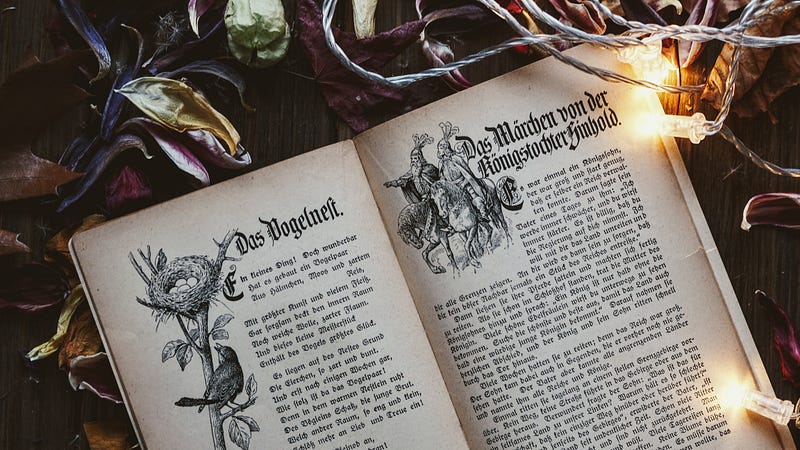
Photo by Natalia Y. on Unsplash

Fairy Tales: Magically Misogynistic

Tales of imaginary characters with magical powers have been told for thousands of years. The tradition itself is harmless, but with a modern perspective a lot of the stories are questionable if not controversial.

Disney’s Snow White and the Seven Dwarfs came out in 1937, making her the very first Disney princess; the whitest of them all.

For context, let’s picture the year 1937. Stay with me.

The women’s suffrage movement was in the middle of a long fight for our rights to vote (granted in 1920), own property, work with equal pay, use birth control, wear pants freely, etc.

Racism was socially acceptable and the Great Depression had obliterated the economy.

It was a dark time but we’re here to talk about princesses.

Based on a fairy tale written in 1812 by the famous Brothers Grimm, Snow White and the Seven Dwarfs is the story of a lonely princess and her evil step-mother, the queen, who is jealous of her beauty.

After running away, Snow White finds a small house in the woods that belongs to seven dwarfs and naturally decides to clean it.

As we all know, women love cleaning up after anyone! Even strangers!

She becomes like a mother figure to the seven dwarfs until the queen is revealed to be an unsightly witch who convinces the princess to eat a poisoned apple.

The clear message here is that any woman in a position of power must be a murderous witch.

The dwarfs keep the dead princess in a glass coffin until the Prince shows up to kiss her back to life and take her away to live Happily Ever After.

Snow White was written by…

You guessed it! Men! Seven of them, in fact.

All of the directors and animators that were credited in the beginning of the movie were men.

Maybe their intention was to make an innocent movie for little girls, but the consistent storyline of a woman who is helpless without a man is inherently misogynistic.

(Don’t even get me started on the unrealistic beauty standards in all their princess movies.)

Disney’s original versions of Cinderella and Sleeping Beauty came out in the 1950’s and were also directed and written by men.

It seems to me that it would make sense to hire more women considering companies could get away with paying them 50% less at the time. But what do I know? I’m just a woman.

It wasn’t until 1991(!) that Linda Woolverton became the first woman to write an animated feature for Disney with her adaptation of an old fairy tale: Beauty and the Beast.

Also in the 90’s, there was attempted representation of diverse cultures from Disney in Aladdin, Pocahontas, and Mulan. The writers’ rooms for these three films had one woman each in groups of 10+ men.

The Princess and the Frog came out in 2009. Tiana was the first black princess in Disney history and she was a frog for most of the movie...

Guess who wrote it! The same white men that wrote and directed The Little Mermaid (1989) and Aladdin (1992). Did it cross the producers’ minds to give someone else an opportunity?

I have nothing against these writers, but if Disney really wanted to be inclusive they could have hired black women to write her story rather than just portraying black characters in an effort to appear socially aware.

Whether or not you think the classic story of a damsel in distress being rescued by a man is problematic, the lack of representation and diversity behind the scenes and on screen is a deeply rooted problem.

The Ice Queen

Remember when Frozen came out? It was everywhere. My nieces were obsessed, as were millions of girls, particularly with Elsa.

Tangled and Brave represented more rebellious young women, but Elsa was a truly independent queen who created her own castle in the midst of an iconic song. You know the one.

This was also the first Disney princess movie to represent sisterhood.

Elsa ends up saving her sister’s life and the villain in their story is a charming prince rather than an evil woman. They switched it up this time!

Frozen was written and directed by Jennifer Lee and Chris Buck, who are not associated with Disney’s other princess movies.

They proved that love interests are not the main attraction for audiences.

Since then, Moana and Encanto were both huge hits with original characters, inspiring female leads, and no prince charming.

So why all the remakes?

Can the old fairy tales be transformed into stories about feminism? (Genuinely asking, please share your opinion!)
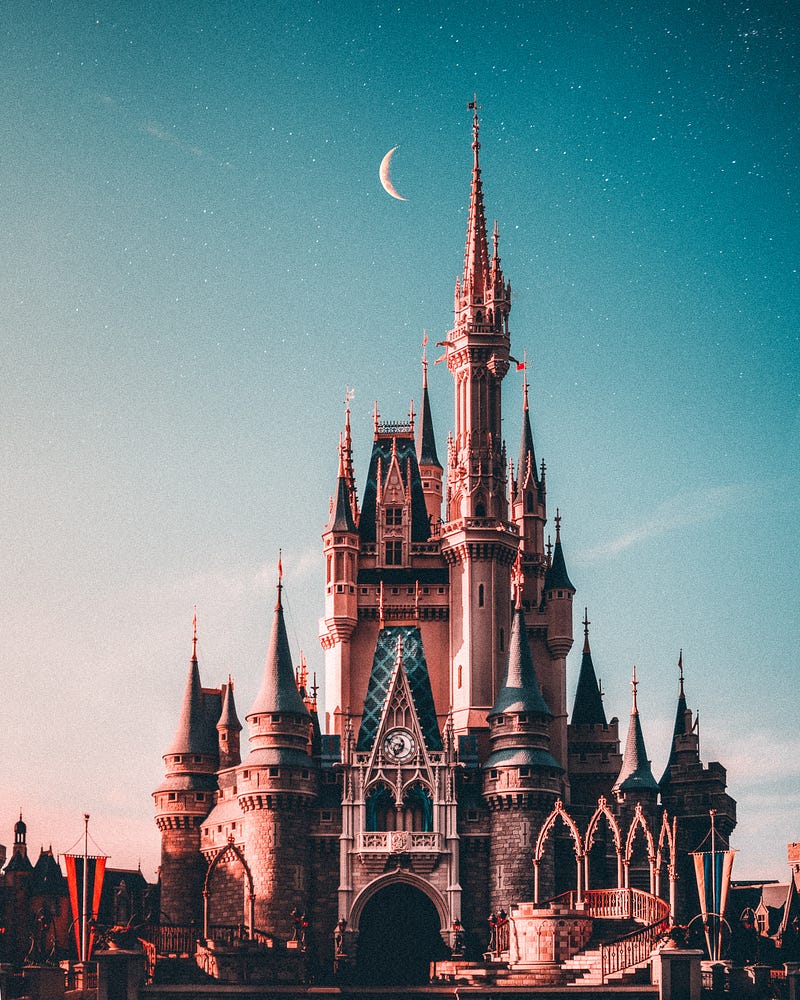
Photo by Benjamin Suter on Unsplash

Live-Action: Capitalizing on Nostalgia

Disney has created very successful remakes of some of their animated classics including Beauty and the Beast, Cinderella, Mulan, Aladdin, and most recently The Little Mermaid.

Not everyone approves of the new version of these characters, and the upcoming live-action Snow White is already a very controversial topic.

We all see what they’re trying to do right?

They can appeal to new audiences while also attracting a generation that grew up with an adoration for Disney princesses.

I don’t think it’s as much about correcting problematic stories as it is modernizing them in order to capitalize on nostalgia.

Honestly, the only Disney remakes I’ve seen are Lion King and The Little Mermaid. I thought both were fantastic and magical, albeit very different from the cartoons we know and love.

I’ll always prefer the originals, but I appreciate the fact that these fantasy worlds were reimagined in a way that made them feel real.

However, the trend of remaking movies and coming out with “20 years later” sequels feels almost unfair to the audience in some cases.

We feel like we have to see it because the characters were part of our childhoods, but the new adaptations often don’t live up to expectation.

Feminine Heroes

The best example of true feminism in the world of Disney princesses might be in The Princess Diaries, which feature a very relatable character who is forced to become a princess against her will.

The Queen, who rules in solitary, teaches her granddaughter about navigating a patriarchal culture as a woman in power.

Independent women are often portrayed in media as neurotic, lonesome, and seemingly asexual. There may be some truth to the stereotype but the fact that true feminists are often not represented as feminine is insulting.

Feminism is not a hatred towards men; it’s about respect, equality and empowerment for all genders.

We’re not trying to take over the government or remove men from leadership roles. We want equal opportunity, not superiority.

I am most inspired by stories about the real women who revolutionized societal expectations and were capable of expressing love and heartbreak.

A few well-known influential figures that come to mind are Billie Holiday, Janis Joplin, and Amelia Earhart.

Each of them experienced the various challenges that come with being in the public eye in a time when strong women were generally considered repulsive, but their influence expands beyond their lifetimes.

Women who embrace and encourage freethinking rather than doing what they’re told are the reason we have rights (more than we used to at least.)

Stories about change and hope as opposed to romantic love have the potential to inspire all of us to achieve our aspirations.
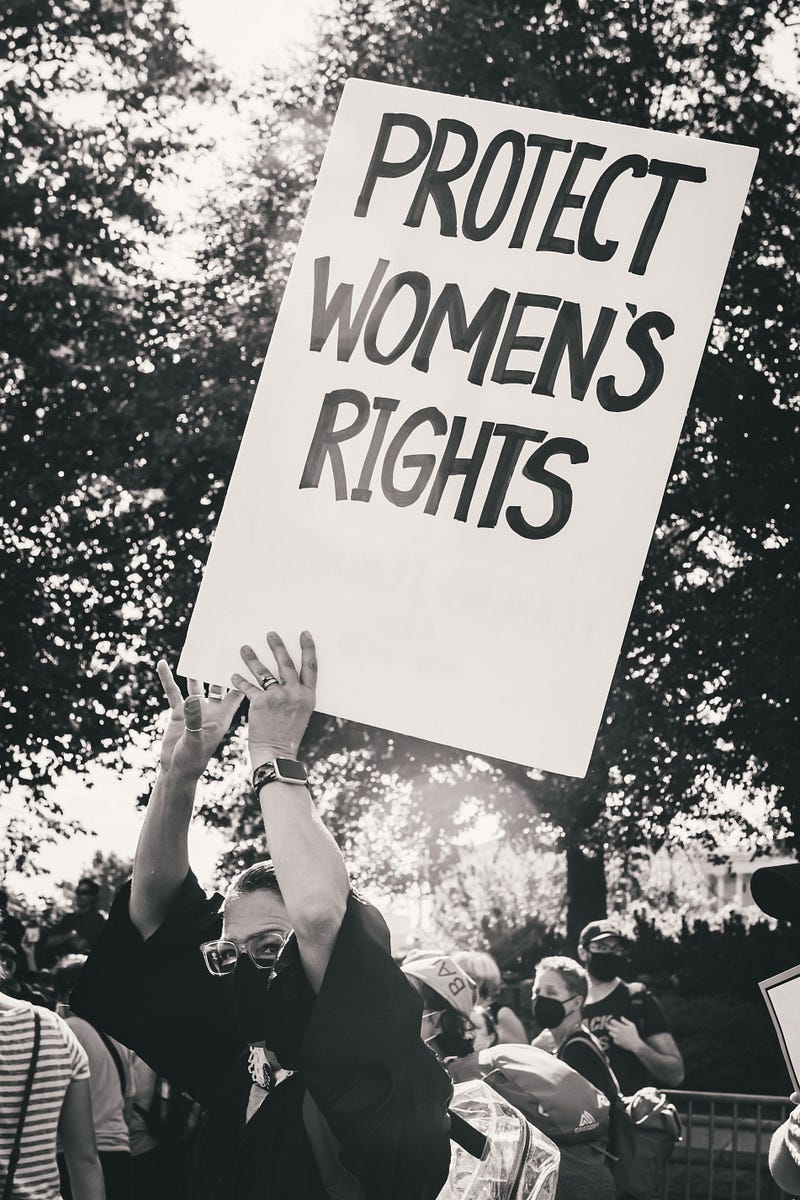
Photo by Gayatri Malhotra on Unsplash

“Everyone has oceans to fly, if they have the heart to do it.

Is it reckless? Maybe. But what do dreams know of boundaries?”

Amelia Earhart

In Conclusion

Whether Disney princesses should be considered feminists or not is a matter of opinion.

We have many examples of women that we look to for inspiration. Do we need to give cartoons (or Barbie for that matter) as much credit as we do for their influence on society?

Would we have less insecurities if unrealistic beauty standards didn’t exist?

That’s a sort of “the chicken or the egg” situation. These beauty standards existed in society and therefore were brought into entertainment in the form of dolls and cartoons.

Whether it is intentional or not, this enforces body image issues that women already struggle with.

So what’s the solution?

We can’t ignore the fact that a lot of “classic” movies made for children are actually incredibly offensive by current standards.

We can use these stories to start a conversation with the next generation. Ask them what they think, explain why certain portrayals are a problem.

When we present a potential negative influence as questionable, that takes away its power and allows for open-minded, valuable teaching moments.

I believe feminists deserve to have love stories, but they should not be defined by whether or not there is a man in their life.

Also, let boys play with dolls if they want to!

(In a nice way, not like Sid from Toy Story.)

@Disney,

If you’re reading this, please don’t sue me for the opinions and analysis in this article. I’m just a female writer and mean no threat to your empire.

Thanks, love ya.

Thank you for reading!

Follow me for more rants like this :)

Also follow @Illumination, @Modern Women, & @ThoughtThinkers for a variety of stories from myself and fellow creatives ❤

Feminism
Women
Misogyny
Equality
Society
Recommended from ReadMedium