
Feminism Initially Excluded Black Women
An Alternative View On The Feminist Movement
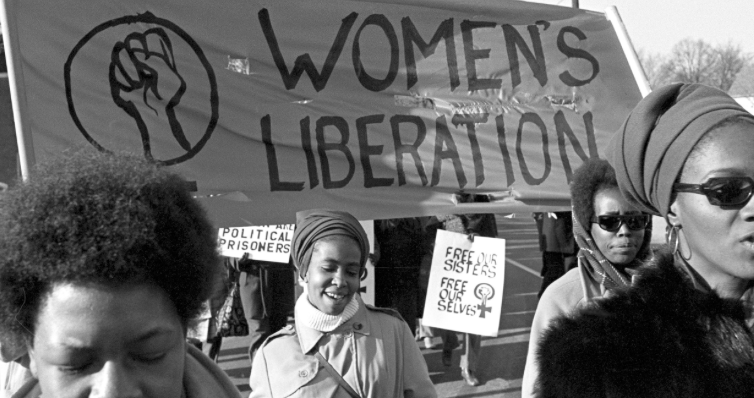
Feminism focuses on the social, political, economic, and educational equality of EVERYONE.
Background
Initially, non-colored women led the feminist movement; consequently, these women reaped more productive results than other marginalized female groups within feminist movements. During the 1960s and 1970s, many Black women were not afforded the same opportunities and respect as white women. Hence, this led to the creation of several female-led minority groups, such as Black women, to form their own movement starting in the 1960s.
Black women received not only racial contention from society but also racial contention within feminist movements (which are supposed to unite many women together collectively); this racism against Black women within the feminist movements stifled the progress of Black women.
Many non-colored women apart of the feminist movement did not want to integrate and publicize any issues that would perceivably “hinder” achieving their primary goals (e.g., equal pay, childcare, and equitable work opportunities).
Enlightened African-American women felt left out of the Feminist Movement.
Black Women Had To Take Action
Everyone has unique issues, and the women who would best know how to promote the Black Feminist cause were the same women dealing with being a Black female day in and day out: Black Women.
“We realize that the only people who care enough about us [Black women] to work consistently for our liberation is us.” — Kolmar.
Yes, the Feminist Movement tackled pay inequality and the right to vote, but racial and social equality were not highlighted. Black women could not enjoy many of the successes of the feminist movement because they were not only women but women of color; Consequently, Black women were farther behind non-colored women in trying to achieve equality.
We must take into consideration how the intersectionality of issues can create a bottleneck for change amongst minority groups.
Some of the critical issues Black women face (even today) include:
- The intersectionality of racism
- Lower social/class status compared to non-colored women
- Pay inequality not only with men but women who are not Black
- Sexual Oppression: Black women were/are often sexually oppressed by white males who wanted to exert domination over Black women to limit their political and social status. “[…] we were told […] to be quiet both for the sake of being “ladylike” and to make us less objectionable in the eyes of white people” — Kolmar. Black women were seen (and still are) as exotic, different, hyper-sexual, and not highly intelligent. All of these factors perpetuate the objectification and sexual exploitation of Black women.
Protect Self
Often, oppressed people are the best suited for resolving their own oppression because they understand their oppression better than anyone else.
And this is why Black people must take the time to educate others because if we want to bring about change, we have to take matters into our own hands. We can’t wait for others to make the changes for us; that could take forever.
The best person to prioritize your issues is yourself.
Reminder: The intersectionality of class, race, gender, sexism, and political status has often been ignored. However, having a productive awareness of the intersection is how change will come about.
Destiny S. Harris is a writer, poet, entrepreneur, teacher, and techie who offers free books daily on amazon. Destiny obtained three degrees in political science, psychology, and women’s studies. Follow her on Instagram, Facebook, or @ destinyh.com


