
Felis Domesticus: A Pawprint on Human History
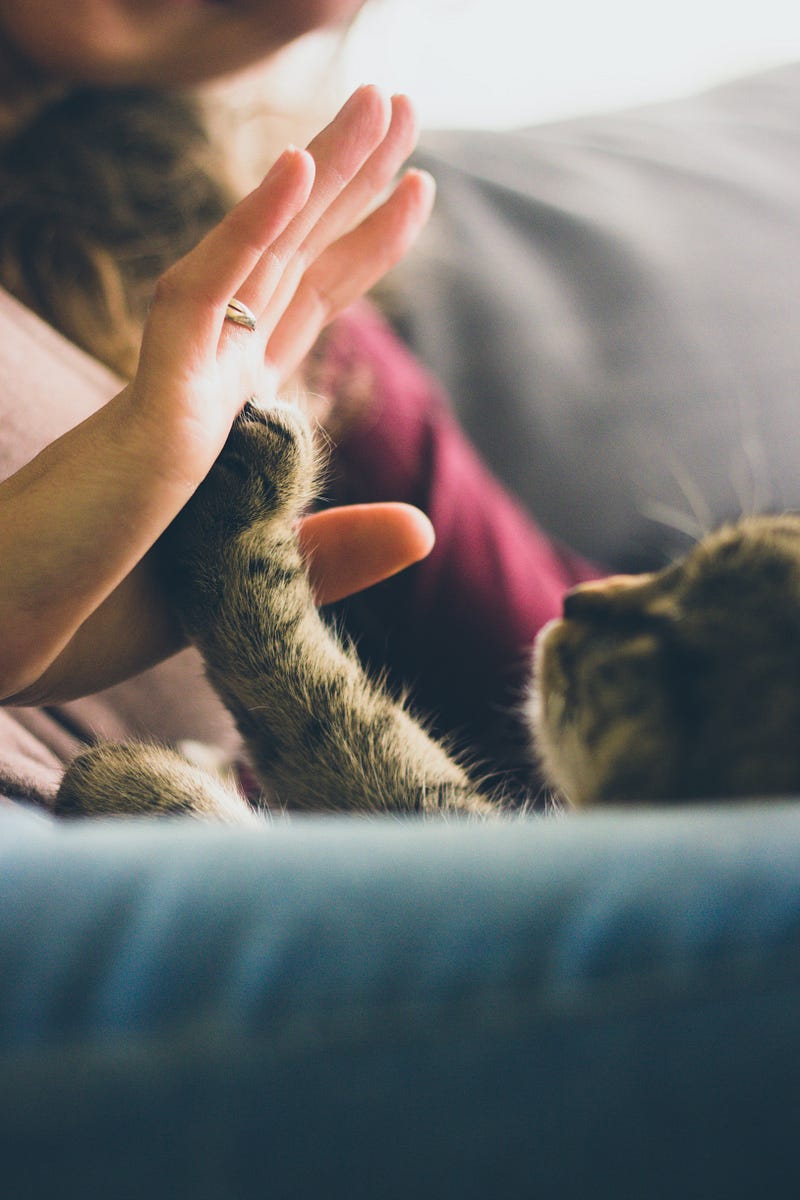
Throughout human history, cats have captivated our imaginations and become integral members of our societies. From their humble beginnings as elusive desert dwellers to their current status as beloved companions, cats have played a significant role in our lives, shaping our culture, traditions, and even our beliefs.
From the Fertile Crescent to the Nile Valley: The Dawn of Domestication
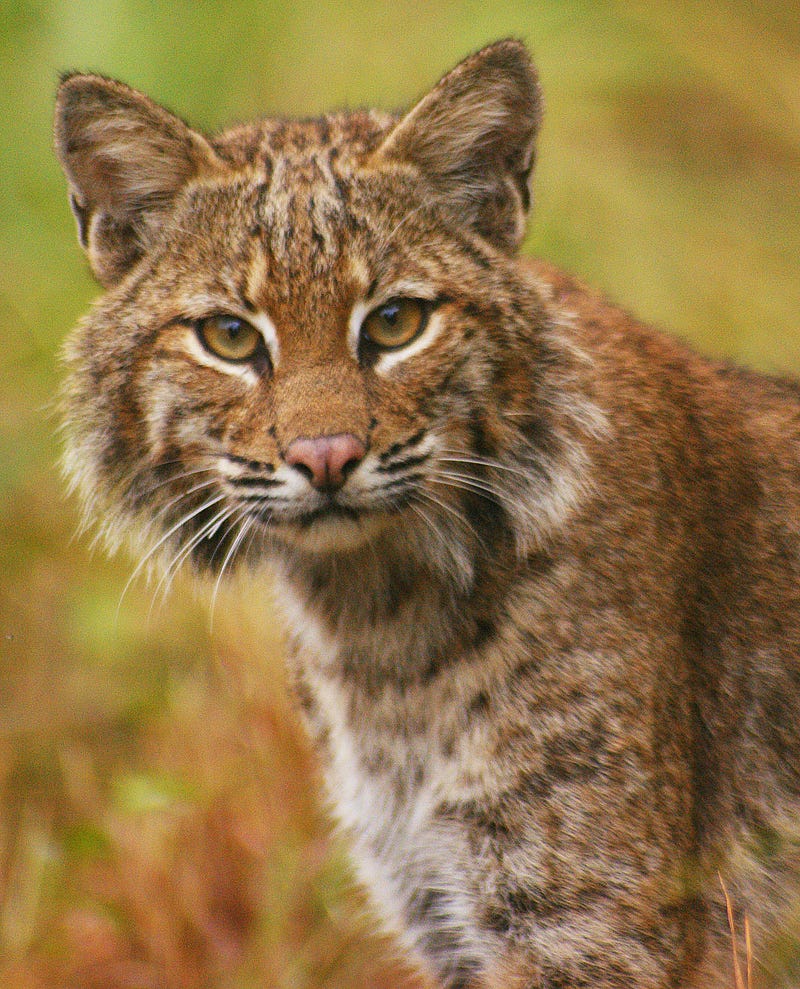
In the cradle of civilization, where agriculture took root and human settlements emerged, a remarkable bond began to blossom between humans and felines. It was in the Fertile Crescent, a region encompassing modern-day Iraq, Syria, Lebanon, Israel, Jordan, Turkey, and parts of Iran, that the seeds of cat domestication were sown.
As humans transitioned from nomadic lifestyles to permanent dwellings, they began to store surplus grain, attracting a host of unwelcome pests, particularly rodents. These voracious creatures posed a significant threat to stored food supplies, jeopardizing the very foundation of early human communities.
Enter the African wildcat (Felis silvestris lybica), a sly and agile predator with a natural inclination for hunting rodents. Drawn by the abundance of prey, these wildcats ventured into human settlements, seeking opportunities to satisfy their carnivorous cravings.
Their presence proved to be a boon for the early farmers. The cats’ prowess in eradicating rodents brought a welcome relief from crop destruction and food spoilage. As the benefits of this feline presence became apparent, humans began to tolerate and even welcome these wild visitors.
Over time, a symbiotic relationship developed between humans and cats. The cats found a steady supply of food and shelter within human settlements, and humans benefited from their pest-control services. This mutual dependence fostered a gradual transition from toleration to acceptance, laying the foundation for the domestication of cats.
The domestication process was gradual and multifaceted. As cats became more comfortable around humans, they began to lose their fear and aggression, making them more approachable and less inclined to flee. This behavioral shift likely stemmed from a combination of factors, including the consistent availability of food and the absence of predators.
In addition to behavioral changes, genetic adaptations also occurred during the domestication process. Over generations, cats gradually evolved to be more tolerant of human interaction, producing offspring that were less fearful and more readily attracted to humans. These genetic changes further cemented the bond between humans and their feline companions.
The domestication of cats reached a pivotal point in the Nile Valley of ancient Egypt. Around 3,100 BCE, cats were revered as deities, particularly Bastet, the goddess of cats, fertility, and childbirth. Cats were depicted in art, mummified after death, and even sacrificed in elaborate ceremonies.
This reverence for cats solidified their position as treasured companions and protectors, further accelerating the domestication process. Cats became integral to Egyptian culture, symbolizing grace, power, and protection.
The domestication of cats marked a significant turning point in human history. These feline companions provided valuable pest control services, contributing to agricultural productivity and food security. Moreover, their presence brought companionship, amusement, and even spiritual significance to human lives.
The domestication of cats is a testament to the power of mutualism and the deep connection that can exist between humans and animals. It is a story of adaptation, cooperation, and the enduring partnership that has shaped human society for millennia.
The Rise of Cat Worship in Ancient Egypt

In the ancient world, where humans and animals coexisted in a delicate balance, few creatures held as revered a position as the cat in Egyptian society. These sleek, enigmatic felines were not just domesticated companions but were elevated to the status of divine beings, revered for their grace, power, and protective qualities.
The Egyptians’ deep-seated admiration for cats stemmed from their invaluable contributions to daily life. These agile hunters, with their keen senses and predatory instincts, were instrumental in protecting crops and granaries from ravenous rodents, ensuring the abundance of food that sustained Egyptian civilization.
As cats became indispensable protectors of the household, their role extended beyond practical considerations. They were imbued with symbolic significance, embodying qualities that resonated deeply with Egyptian beliefs. Cats’ grace and agility were associated with the goddess Sekhmet, the fierce protector of the pharaoh and embodiment of divine power.
However, it was the goddess Bastet who held the most prominent place in the Egyptian pantheon of cat-deities. Often depicted as a woman with a feline head, Bastet was widely worshipped as a protectoress of women, children, and the home. She was also associated with fertility, motherhood, and the sun, further solidifying her position as a benevolent deity.
The Egyptians’ veneration of cats extended beyond mere worship. They treated these feline companions with immense respect and affection, often dressing them in jewelry and providing them with lavish meals. When a cat passed away, it was not simply discarded; it was mummified, a practice reserved for the most revered individuals in society. These mummified cats were often buried alongside their owners in elaborate tombs, reflecting the deep bond between humans and their feline companions.
The veneration of cats in ancient Egypt was not merely a matter of superstition or cultural quirk; it was a profound expression of the deep respect and admiration these creatures inspired. The Egyptians recognized the cats’ vital role in maintaining their society’s prosperity and harmony, and they reciprocated with unwavering devotion.
The cats of ancient Egypt were more than just domesticated pets; they were cherished members of the family, revered as divine beings, and symbols of protection, fertility, and motherhood. Their enduring presence in Egyptian art, mythology, and burial practices serves as a testament to the profound bond between humans and these captivating felines.
The Spread of Cats Across the Globe

As human civilizations flourished and trade networks expanded, cats embarked on a remarkable journey, traversing continents and adapting to diverse environments. Their ability to control rodents, coupled with their endearing companionship, made them invaluable companions to seafarers, merchants, and travelers, ensuring their widespread dispersion across the globe.
The Roman Empire, with its vast network of trade routes and extensive conquests, played a pivotal role in the global spread of cats. These felines, already well-established in the Mediterranean region, accompanied Roman soldiers and merchants as they ventured into new territories, establishing footholds in Europe, North Africa, and the Middle East.
In Europe, cats quickly gained popularity as household pets, appreciated for their pest control prowess and affectionate nature. They became indispensable members of households, protecting stored grain and other food supplies from vermin while providing companionship and amusement. Their presence was often depicted in art and literature, reflecting their growing acceptance and affection in European culture.
With the rise of maritime trade, cats continued their journey across the oceans, accompanying sailors on their voyages to distant lands. These intrepid felines, with their adaptation to shipboard life, proved invaluable in controlling rodent populations on vessels, ensuring the safety of cargo and preventing the spread of disease.
As cats ventured across continents, they encountered diverse environments and encountered different breeds of felines. Interbreeding between these domestic cats and their wild counterparts gave rise to a plethora of new cat breeds, each with distinct physical traits and temperaments. This genetic diversity further enriched the feline world, providing a wider range of companions for humans worldwide.
The global spread of cats is a testament to their adaptability, intelligence, and innate ability to form bonds with humans. Their presence has had a profound impact on human societies, providing pest control services, companionship, and even spiritual significance. From the revered feline deities of ancient Egypt to the cherished household pets of modern times, cats have woven themselves into the fabric of human existence, leaving an enduring mark on our cultural and historical landscape.
Cats in Myths and Legends

Cats have long held a captivating presence in human mythology and folklore, captivating imaginations with their enigmatic nature and supernatural abilities. Across cultures, these feline creatures have been portrayed as both benevolent protectors and mischievous tricksters, reflecting the duality that has intrigued and intrigued humans for centuries.
In Norse mythology, cats emerge as enigmatic companions of the goddess Freya, the embodiment of love, beauty, and fertility. Freya’s feline entourage, known as the Valkyries, are depicted as fierce and loyal warriors, accompanying her on her chariot rides across the battlefields of Valhalla. These battle cats symbolize the duality of cats, their gentle demeanor contrasting with their fierce protective instincts.
Further east, in Japanese folklore, the Maneki Neko, or “Beckoning Cat,” reigns supreme as a symbol of good luck and prosperity. This iconic figure, typically depicted with a raised paw, is believed to attract fortune to its owner. The Maneki Neko’s raised paw, either the left for attracting customers or the right for beckoning good fortune, has become a ubiquitous symbol in businesses and homes, reflecting the deep-seated belief in cats’ auspicious power.
In Celtic mythology, cats take on a more mischievous and enigmatic role. The Cait Sith, a legendary Scottish cat said to stand as tall as a horse, is often associated with dark magic and witchcraft. These spectral felines are said to roam the night, stealing souls of the recently departed and causing mischief in unsuspecting villages.
The duality of cats extends to their role in popular culture, where they are often portrayed as both adorable companions and cunning tricksters. From Tom and Jerry’s mischievous antics to Garfield’s gluttonous appetite, cats continue to capture our imaginations with their paradoxical nature.
The enduring presence of cats in myths and legends reflects their profound impact on human culture and belief systems. Their enigmatic nature, combined with their ability to evoke both affection and fear, has made them ideal subjects for storytelling and cultural expression.
As we continue to explore the world of cats, we may uncover even more fascinating myths and legends that further illuminate their enigmatic nature and the deep bond they share with humans.
Cats in Art and Literature

Throughout the ages, cats have captivated the imaginations of artists and writers, their enigmatic nature and captivating allure inspiring a wealth of artistic expressions. From the ancient Egyptians who immortalized their feline companions in intricate temple carvings to the modern literary giants who wove them into their enchanting tales, cats have consistently found their way into the world of art and literature.
In ancient Egypt, cats were revered as divine creatures, their grace and power reflected in the exquisite sculptures and paintings adorning temples and tombs. These artistic depictions captured the essence of cats, emphasizing their sleek bodies, piercing eyes, and enigmatic expressions.
As art evolved through the centuries, cats continued to serve as captivating subjects for painters and sculptors. Renaissance masters like Leonardo da Vinci and Albrecht Dürer captured the feline form with meticulous detail, emphasizing their muscularity, flexibility, and playful nature.
In literature, cats have emerged as endearing characters, their personalities and quirks providing endless inspiration for writers. From the mischievous antics of Beatrix Potter’s Peter Rabbit to the enigmatic wisdom of Antoine de Saint-Exupéry’s The Little Prince, cats have taken center stage in literary masterpieces.
Twentieth-century literature saw a surge in feline protagonists, with authors like T.S. Eliot and Haruki Murakami incorporating cats into their works to explore themes of loneliness, alienation, and the complexities of human relationships.
The enduring appeal of cats in art and literature lies in their ability to evoke a range of emotions and provoke thought-provoking reflections. Their mysterious nature, combined with their inherent grace and elegance, has made them ideal symbols for exploring themes of freedom, independence, and the delicate balance between wildness and domesticity.
As artists and writers continue to explore the world of cats, their enigmatic forms and captivating personalities will undoubtedly inspire new generations, ensuring that these remarkable creatures remain a timeless source of artistic and literary inspiration.
The Modern Feline Companion
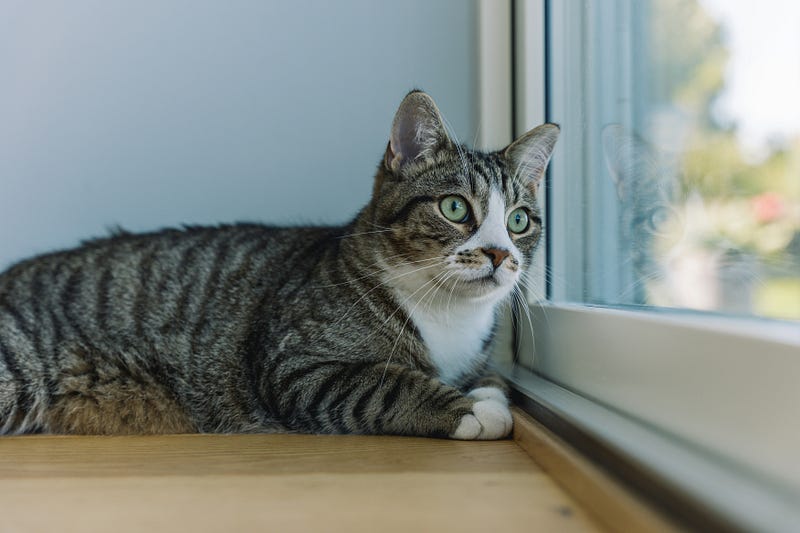
In the modern world, cats have transcended their role as simply domesticated pets, becoming cherished companions and valued contributors to our society. Their presence not only enriches our homes and lives but also extends to the realms of science and culture.
As beloved companions, cats offer companionship, unconditional love, and a sense of comfort that can be invaluable for individuals facing loneliness or stress. Their soothing presence can help reduce stress levels, lower blood pressure, and even promote physical activity through playful interactions and encouraging movement.
Beyond their companionship, cats have made significant contributions to scientific research, utilizing their exceptional senses of smell and hearing to unlock new discoveries and aid in various fields. Their heightened olfactory abilities have enabled them to detect the presence of diseases such as cancer and tuberculosis, offering a potential non-invasive screening method.
Cats’ acute hearing has also proven useful in environmental monitoring. Their ability to detect minute changes in soundscapes has been employed to detect invasive species, monitor environmental pollution, and even predict earthquakes.
In the realm of culture, cats have maintained their enduring appeal, captivating the imaginations of artists, writers, and filmmakers. Their enigmatic nature, playful personalities, and mesmerizing beauty continue to inspire artistic expressions across various mediums.
From the iconic feline characters of Disney animations to the captivating works of artists like Henri Matisse and Andy Warhol, cats have become enduring symbols of creativity and cultural significance.
The modern world bears witness to the remarkable versatility of cats, their presence enriching our lives in countless ways. As companions, scientific partners, and cultural icons, cats continue to hold a special place in human hearts and minds, reminding us of the profound bond that can exist between humans and animals.
A Symbiotic Relationship
The relationship between humans and cats has evolved over millennia, marked by mutual respect, admiration, and even adoration. Cats have transcended their role as mere pets, becoming integral members of our families and contributing to our well-being in countless ways. As we continue to share our lives with these remarkable creatures, their presence will undoubtedly continue to shape our societies, cultures, and the very fabric of human existence.
In Conclusion,
Cats have played a fascinating and significant role in human history, from their ancient beginnings as revered deities to their current status as beloved companions. Their intelligence, independence, and enigmatic nature have captivated our imaginations, and their unique abilities have made them valuable assets in various fields. As we continue to share our lives with these remarkable creatures, their presence will undoubtedly continue to enrich our existence and leave an indelible pawprint on human history.