
Feeling Stressed, Anxious, or Depressed? Take a Nature Pill
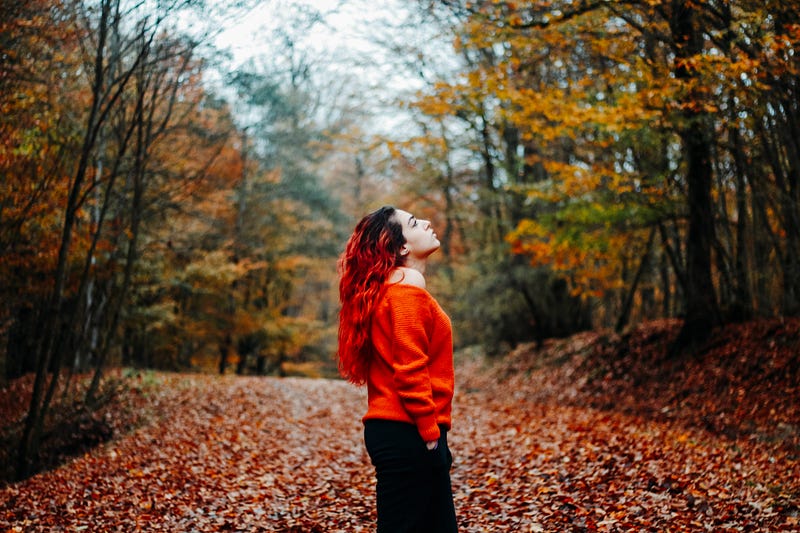
When I go for walks in nature, I feel a deep sense of peace and calm. My mind slows down, worries of the future, and stress from the day fades away into stillness. A present moment ‘switch’ turns on and I’m reminded that I’m a small part of this huge universe. I feel the healing of my mind and body taking place.
Is this an experience limited to me or is there a science supporting this? Can it help those who are suffering from chronic stress, anxiety, or depression? Should doctors prescribe walks in nature?
Let’s find out what research has to say about the benefits of spending time in nature.
1. Reduces repetitive thinking that focuses on negative emotions.
In a 2015 study, 2 groups of healthy participants had their brain activity assessed after walking 90 minutes. One group had to walk in a natural environment and the other group in an urban setting. Those who walked in the natural environment reported having less rumination (i.e. repetitive thinking that focuses on negative emotion) and lowered neural activity in the part of the brain linked to the risk for mental illness.
2. Reduces the stress effects on the body.
Spending time in a natural setting such as a park or green grass areas were found to reduce stress in a 2019 study. Researchers Mary Carol, Brenda, and Sophie had 36 participants living in an urban environment to have a 10 minute or more nature experience 3 times a week for 8 weeks. Cortisol levels were assessed before and after the natural experience at different points. Cortisol is known as the ‘stress hormone’ which affects your immunity, digestion, moods, etc. There was the biggest drop in cortisol levels for participants who spent 20–30 minutes in a natural environment. Authors of an article in Harvard Publishing said that “It appears that interacting with natural spaces offers other therapeutic benefits. For instance, calming nature sounds and even outdoor silence can lower blood pressure and levels of the stress hormone cortisol, which calms the body’s fight-or-flight response.”
3. Improves your mental health (reduces anxiety and depression).
Several research papers in Japan, the United States, and Sweden were recently (2020) reviewed to analyze the impact of time spent in an urban or natural setting on mental health. They found that 10 minutes of sitting or walking in a natural setting can improve psychological and physiological markers of mental well-being. Another study in 2019 reviewed 51 research papers and found that for 90% of the studies there was at least one significant relationship between nature-based recreation and mental health, emotions, general well-being, and a decrease in anxiety and depression symptoms. This means that participating in recreational activities in nature can have a positive impact on your mental health.
4. Reduces ‘unpleasant’ feelings and improves mood
“Being in nature, or even viewing scenes of nature, reduces anger, fear, and stress and increases pleasant feelings. Exposure to nature not only makes you feel better emotionally, but it also contributes to your physical wellbeing, reducing blood pressure, heart rate, muscle tension, and the production of stress hormones” said Dr. Jean Larson & Dr. Mary Jo Kreitzer from the University of Minnesota. In a study of 53 participants with a range of mental health problems, those who participated in weekly green exercise programs (countryside and park walks) versus health promotion initiatives (i.e. social club or swimming group) for 6 weeks had a significant improvement in mood.
5. Improves your self-esteem and body image
Self-esteem is defined as “a person’s overall sense of self-worth or personal value.” Data from 10 studies and 1252 participants in the UK were analyzed to access whether performing ‘green exercise’ (i.e. activity in the presence of nature) had an impact on mood and self-esteem. Green exercises included some of the following, gardening, fishing, walking, or water-based activities. All green environments were found to improve self-esteem and mood, and greater effects were found when there was the presence of water. Other researchers have found that looking at images of the natural environment and walking in a natural environment was found to improve body image and appreciation of one’s body. Professor Viren Swami, the Director and Adjunct Professor at Perdana University said, “Spending time in a natural environment may help us develop a sense of ownership over our physical selves, give us a greater respect for our bodies, and a better understanding of what our bodies can do rather than what our bodies look like.”
Stay tuned for the next article to find out how you can incorporate nature into your life and reap these benefits!