
Feeling, Emotion, or Choice, What is Trust?
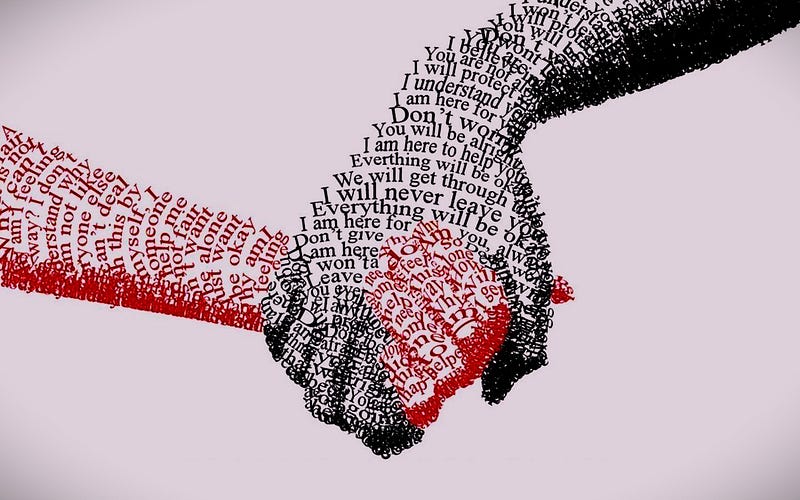
It’s Difficult. People believe that Trust is honesty from somebody or assuming they have good intentions. It is the fundamental aspect of human relationships and plays a crucial role in different domains of life.
In simple words, we make judgments about other people's character and use those judgments to guide our behavior, which leads us to trust them or less depending on whether we make a favorable judgment.
We make imagination about another person with prior information about them. Then we observe how they dressed. Most people put trust in trustworthy faces when they first see the person's face or meet them. People including me genuinely enjoy being trusted. Trust is an investment, It’s a win-win or lose-lose. It’s like salt in life.
Trust involves making decisions about whether or not someone else is reliable.
There are some factors that make us trust someone
- Dominance - The people who were more dominant were less likely to trust their partners because they are more likely to put their own interests first and less likely to trust anyone else.
- Similarity - Trust is how similar someone is to us and similarity leads to trust in their partners. - Same traits, they feel like they are part of our group - You may trust someone’s heart and intentions as these would be similar to yours. However, you may not trust their knowledge and ability to execute because they don’t have common beliefs, values, or experience around that aspect of life.
- Attractiveness — How attractive is someone - In a game, they told another person or player was attractive and sometimes they weren’t but their partner was less likely to trust them, even if there wasn’t any reason to. - Attractive usually means that someone has a lot of extra resources compared to us, we might think they don’t need to be concerned about us or our interests.
Benefits of trust - We are more likely to cooperate with them and believe what they say. - We feel better around them(in close relationships)- which often leads to them trusting us in return.
Consequences of trust -If we trust the wrong person, that might lead us to be exploited in some way or to our resources being drained by them. -It leads to us getting in trouble with the law when they do something illegal behind our backs. - Costs of not trusting someone can lead to problems in group dynamics, they can act more selfishly when they don’t trust their peers.
A leader is called a leader because they choose to go first. A leader must extend trust first before signs are offered that they should… even when safety isn’t guaranteed. A leader must be willing to express empathy before anyone else.
If you like it, please follow me at
In a Relationship,
-Trust also tends to be higher when partners display pro-relationship transformations of motivation by translating their initially negative feelings about the potentially destructive actions of their partners into constructive responses that benefit the partner or the relationship. These transformed reactions often result in self-sacrificial or accommodative behaviors that serve to maintain or improve the relationship
- The development of trust typically involves a process of uncertainty reduction whereby individuals shift from being confident in their partner’s general predictability (e.g., “I know what my partner will do in this situation”) to having confidence in their partner’s pro-relationship values, motives, goals, and intentions (e.g., “I know that my partner will do what’s best for me and/or our relationship in this situation”)
-Two general types of situations should provide good opportunities to gauge the amount of trust warranted in a partner or relationship: trust-relevant situations in which partners are able to repeatedly make or fail to make mutually beneficial and strain-test situations where partners are able to demonstrate (or not demonstrate) their willingness to make personal sacrifices for the good of their partner or relationship.
- Once they are in trust-diagnostic situations, individuals who are willing to make decisions that benefit the partner or relationship at some cost to themselves should experience greater trust and feel security.
- According to Cortes and Wood, people with low-trust partners may need to be gentler in how they comfort and convey care to them. People who doubt their partner’s love and report lower levels of trust tend to experience more relationship difficulties. This may force the partners of low-trust individuals to engage in more tailoring of their behavior to convey stronger, more consistent, and “genuine” care.
Those people who relied on trust are more likely to achieve goals therefore they had an advantage over other individuals in the group.
-we still do not know nearly enough about how, when, and why trust develops between two people, how it is maintained, and how and why it sometimes disintegrates.
-Psychological models such as the dyadic model of trust in relationships, along with the empirical findings reviewed earlier, have begun to elucidate the key variables, constructs, and interpersonal processes that lead people to trust or distrust significant others in different types of relationships.
I think a good friend, to me, is all about trust and loyalty. You don’t ever want to second-guess whether you can tell your friend something


