
Feasting on Memories of My Mother’s Polish Cooking
Rediscovering family dinners
I don’t have a childhood memory that doesn’t include the fragrant aroma of my mother’s home-cooked meals. Our family of five sat down for dinner at a small kitchen table every night, precisely at six, when my father came home from work. My Polish mother prepared dinner, and maybe it is just nostalgia, but they were all delicious.
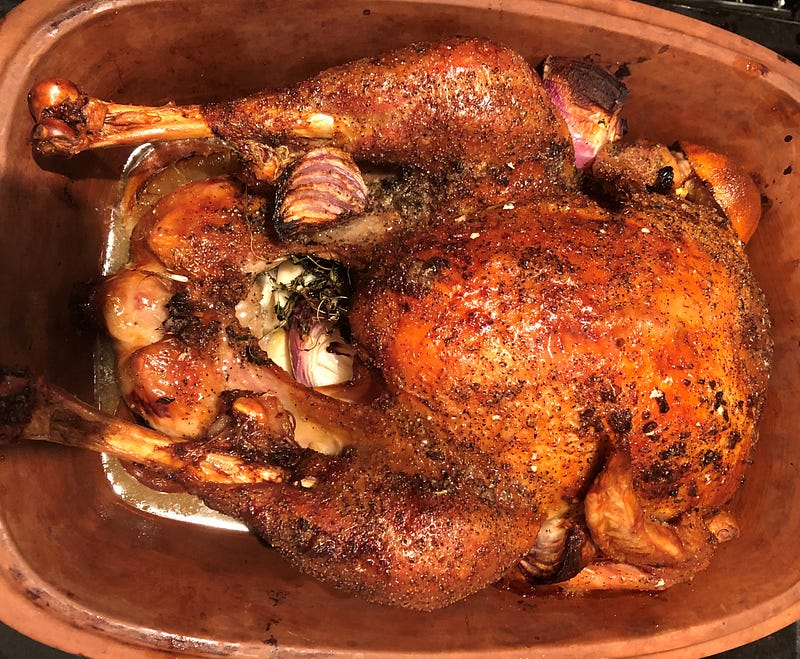
The meal always started with homemade soup — krupnik a barley soup with diced potatoes, carrots and meat — chicken broth simmered on the stove for several hours with kluski made from cornmeal and egg— clear beet soup called barszcz with an additional dollop of sour cream — my mother’s soup repertoire was endless. The main course was often a perfect roast chicken or veal cutlets with vegetables. Occasionally, we were treated to gołąbki, her cabbage rolls. Dessert never followed, at least not for regular weeknight dinners.
Family dinners have returned to my life
The change in my life these last few pandemic months is being homebound. A busy life surrounded by friends, family events, social obligations, and activities ground to a halt.
For the first time in many years, my husband and I, often joined by one or both of our children, have sat down for dinner together every single night. We have had 286 dinners in a row, but who’s counting. I even serve bigos and gołąbki— quintessential Polish dishes — that I am proud taste like my mother’s. We gather as my family did during my childhood.
All this pandemic cooking has made me think of my mother’s meals and how important food was to her. She loved seeing everyone enjoying themselves and the nourishment she prepared. Happy meals, first with invited family friends on special occasions, and later as our family grew with husbands and grandchildren, were important for my mother. Holidays such as Christmas and Easter were epic and so were Sunday night dinners. But as a kid, I did not appreciate any of this.
Family holidays
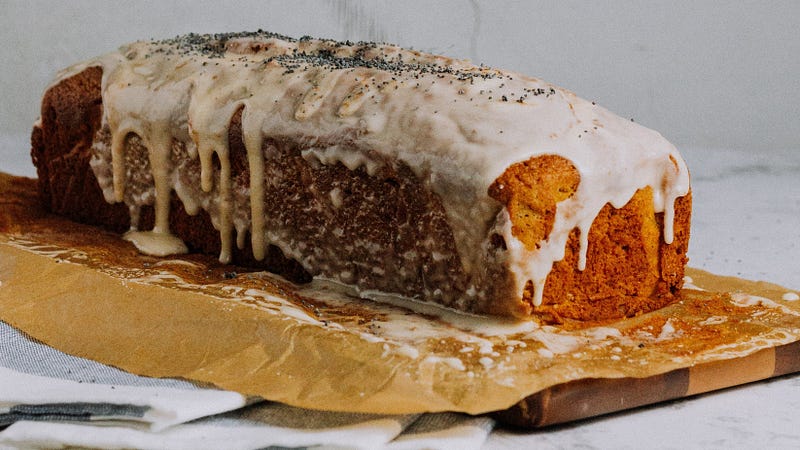
Wigilia — Christmas Eve — is a culinary celebration in every Polish household and our home was no exception. My mother prepared rich creamy mushroom soup made with dried mushrooms from Poland, and sledz (salted herrings) topped with thin sliced red onions. The Polish tradition is a meatless meal so she served white fish with cream sauce and perfect fragrant rice. There was lots of makowiec (poppyseed cake)and way too many other rich desserts.
The meal started with the sharing of the Opaltek, a beautifully embossed Christmas scene on a communion-like wafer that we divided and gave to everyone. We then offered one another a small piece and wished a happy, healthy coming year (or something silly when we were kids). We went to midnight Mass at the Polish church, sang kolędy, and came home to open the presents piled under a sparkling Christmas tree.
The big change came in our family when a Jewish man sat down with us for a Christmas Eve meal. He loved it. He proposed to me two years later on December 23rd because he didn’t think he could show up for another delicious Wigilia without a marriage proposal. He is my husband of 32 years. This year he found Opaltek at our local Polish bakery for our dinner on December 24th.
Easter celebrations
On Easter Saturday we took our basket of pisanki (coloured eggs), salt, kiełbasa, and bread to the church to be blessed. Easter morning after Mass we ate jajecznica (scrambled eggs), pancakes with apple slices inside, and shared the contents of the basket. The feast continued and for Easter dinner, my mother served ham, braised red cabbage, and pierogies or savoury naleśniki — think thin crepes rolled around spoonfuls of finely ground spiced meat and fried golden and crispy.
My memories are sweet
I remember birthdays with tall multilayer tortes slathered with buttercream icing that I could never replicate. Grandchildren looked forward to the seven different cookies and goodies that were always at my mother’s house. My mother made a to-die-for sernik (cheesecake) with a sour cream topping, but my favourite was light-as-a-feather chrusciki (deep-fried dough) sprinkled with powdered sugar.
I only recently understood the importance of food in my mother’s life
I spent much of my childhood being awkwardly aware I was the only kid in my class whose parents were immigrants. I dreamed of finding a small box of raisins in my school bag for recess snack instead of the usual slice of leftover babka or szarlotka (apple cake). I wished my mother spoke better English and sent me to school with a better snack.
During World War II, my mother was transported to Germany from her home in Poland to work as an unpaid labourer in a munitions factory. Following the war, she was resettled in Holland by the United Nations refugee organization.
She arrived in Canada in the early 1950s taking advantage of a government immigration program to help resettle displaced people after the war. The sponsored immigrants ended up mainly in mines or on farms where workers were in short supply. My mother was placed as a housekeeper for a Montreal family.
At the end of the obligatory one-year tenure with the Montreal family, my mother boarded a train, carrying her wedding dress, to join my (yet to be) father in the small town where he had found work. The wedding dress was a parting gift from her employers.
Of course, I knew nothing of this growing up. It’s only recently, as I have pieced together her story and what she went through, that I realized all she wanted was a quiet life with her family sitting happily around the table enjoying scrumptious food. I thought she had settled for too little in her life; she probably felt like she had captured lightning in a bottle.
My mother has been gone for 17 years. I am left feasting on the bounty of childhood memories she left me and re-experiencing contentment after a family meal.