Favorite Foods Around the World
China
We honeymooned for two years in China, and to the rest of the world, we were working.
We were the first American couple hired to teach in the People’s Republic. We met the first British couple at lunch on our first afternoon in China. Angus and Carol would become important friends for the rest of our lives, but at that moment, we learned that Angus was a beast with chopsticks. If we were to survive communal meals, we would have to improve our chopstick skills.
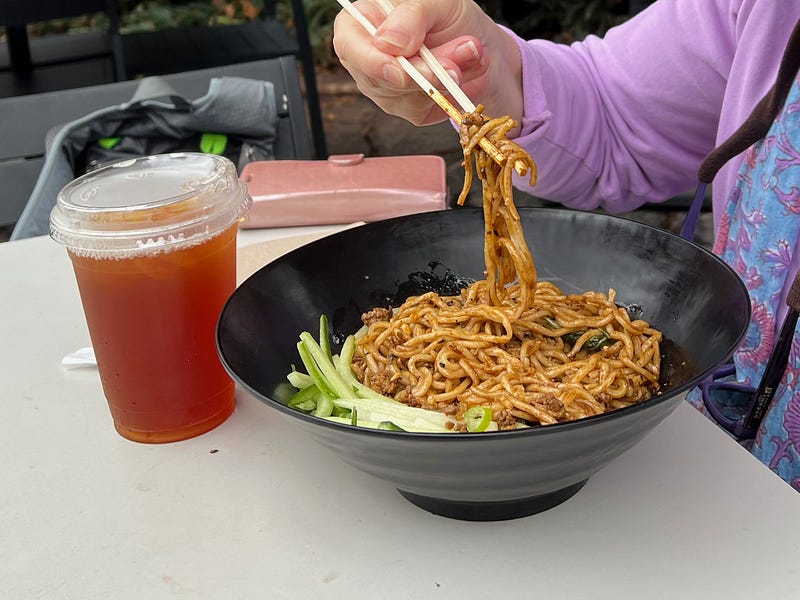
We love Chinese food, and you can find it in any large city around the world, but some dishes do not match the food from the original location, such as Dan Dan Mien from either the Beijing Hotel or a street vendor in the Sichuan Province.
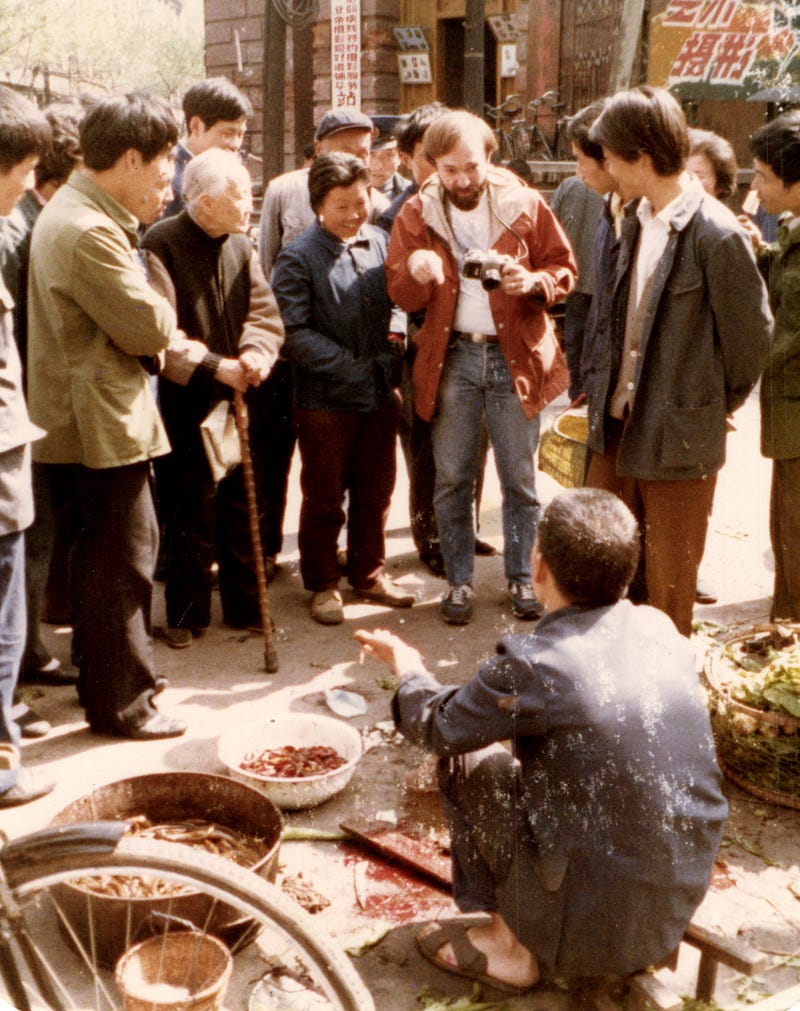
In 1983, nearly all food in China was farm to table. With the exception of large (and expensive!) hotels, the food was locally sourced. As the winter approached, the word “méi yǒu” (没有) was often heard as you went down the menu. It means “do not have”. At the beginning of winter, the one vegetable you could count on was garlic shoots. Cabbage was added to the diet later in the winter. Beijing was a vegetable desert.
We enjoyed eating outside, even in the bleakest winter weather, at a small cafe in Ritan Park. We ate Jiaozi, steamed dumplings stuffed with pork and garlic greens. We would dip the dumplings into a small vinegar and soy sauce dish. Then, we would wash them down with a large bottle of Běijīng píjiǔ (beer).
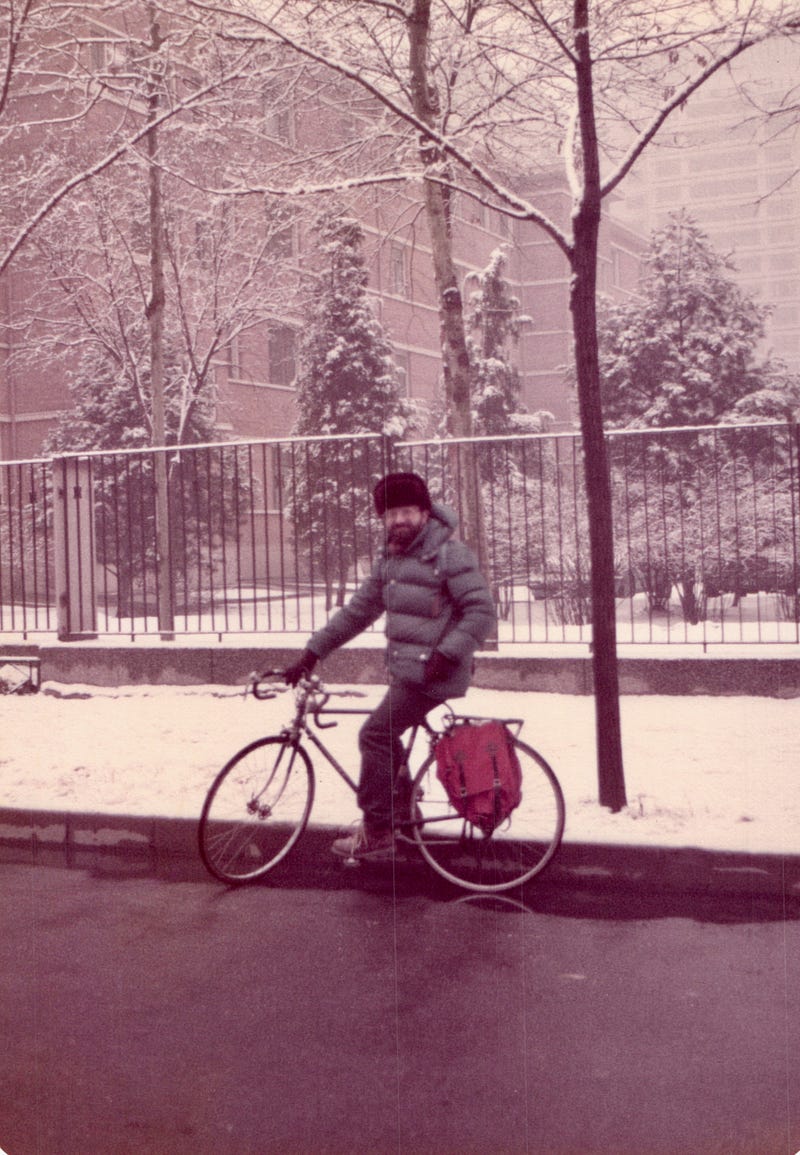
A bike ride to Wanfujing Street took us to the Mongolian Hot Pot restaurant. The restaurant was on the second floor of a corner building. It was crammed full of tables, each with a pot over a hot coal brazier. It was crowded with comrades in their blue and gray Mao suits. The burning coal and the chain-smoking created a thick inversion layer that hung just below the low ceiling. Even with the window open to the winter air, it was a toxic atmosphere.
However, the food was great.
We added thin slivers of mystery meat (we struggled with the Mandarin descriptions), sauces, spices, and vegetables to the boiling water. It soon created a broth that only got richer as it boiled away. Washed down with generous amounts of Beijing Beer, it was a wonderful meal.
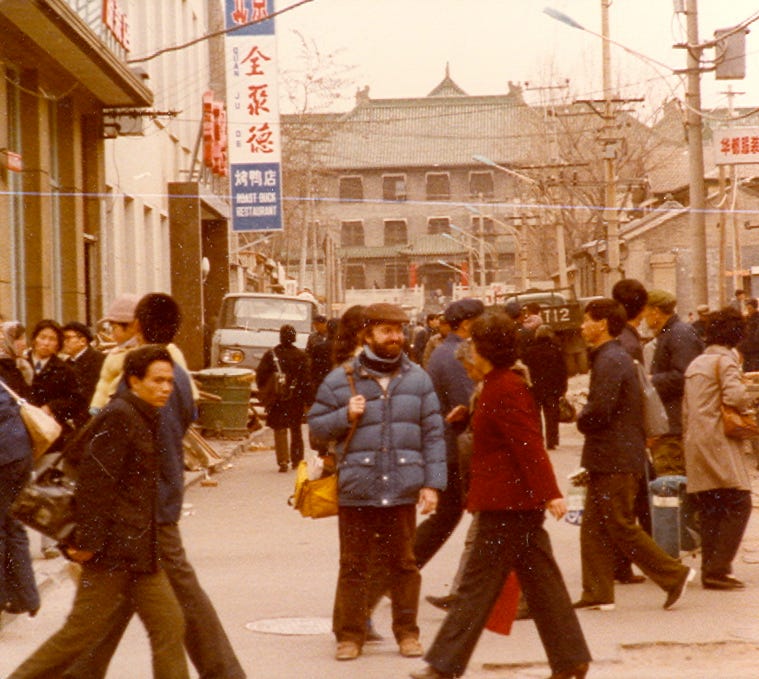
Wanfujing Street was also known for its duck restaurants: Peking Duck and Pressed Duck.
Peking Duck was a meal reserved for special guests or occasions. My favorite part of the meal was the delicate pancake, a platform for the plum sauce, and a sliver of duck.
Finding food and eating was the favorite hobby of expats in the early years of an open China. One hotel had a “Western Restaurant”. It served Pakistani food. Check a map; Pakistan is west of China. The restaurant was one of the few that had lettuce. You could order a bowl of lettuce, then ask for oil and vinegar, and create your own desperation salad.
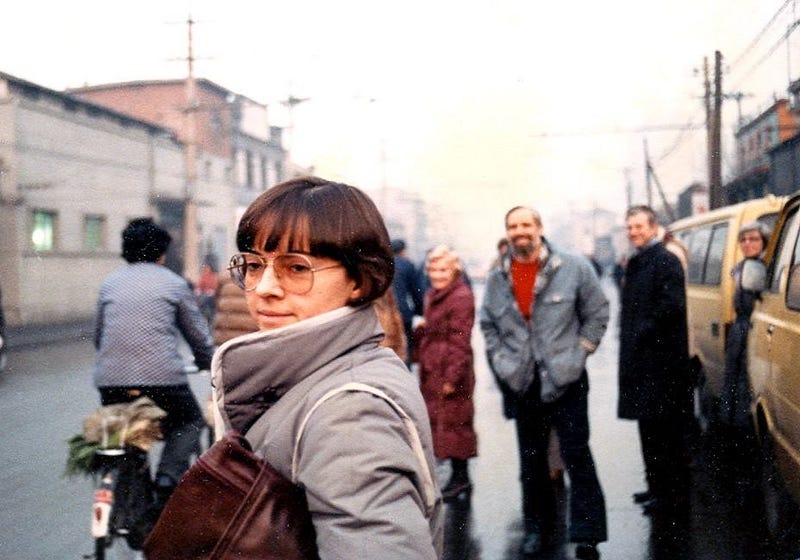
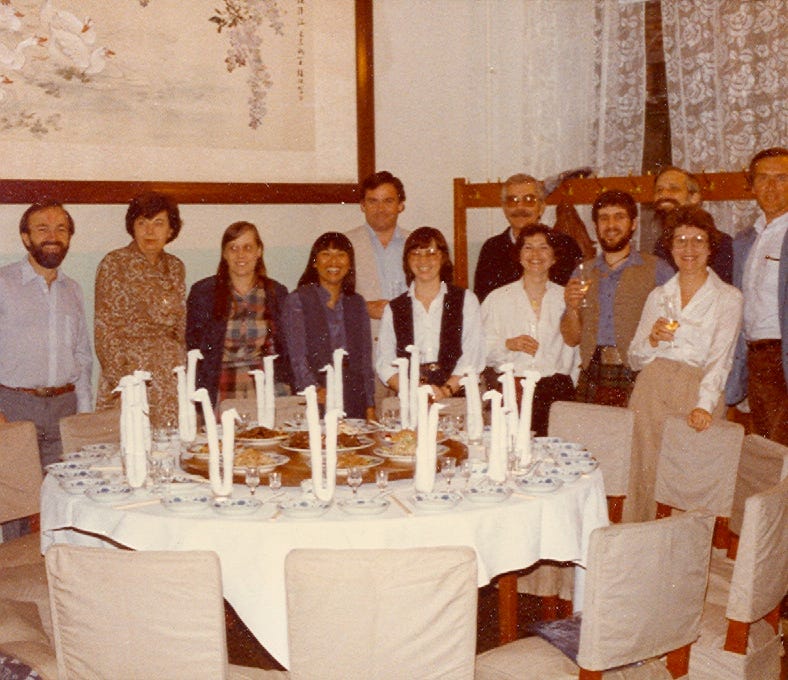
We belonged to the foreign journalists' eating society “Bejing Wei-Jing.” Each month, a member would find a restaurant, arrange a menu, and secretly invite the other members to the dinner. Some of the meals were surprising. Let’s leave it at that.
Ma Po
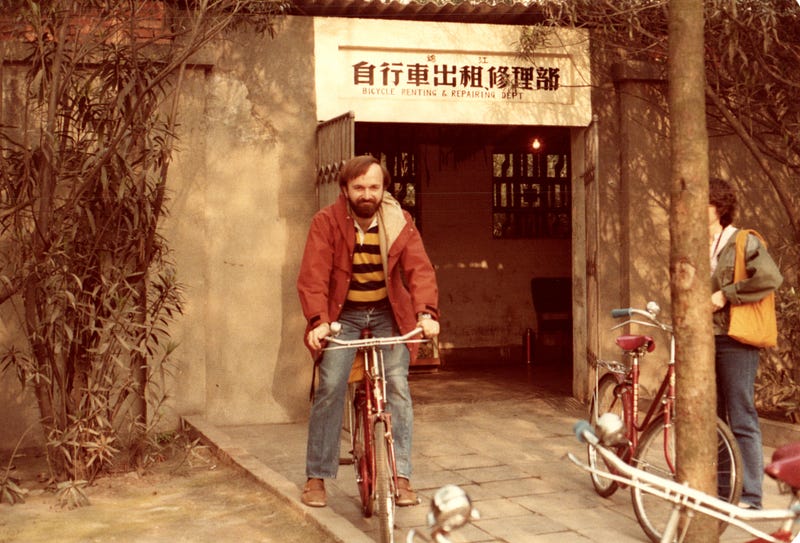
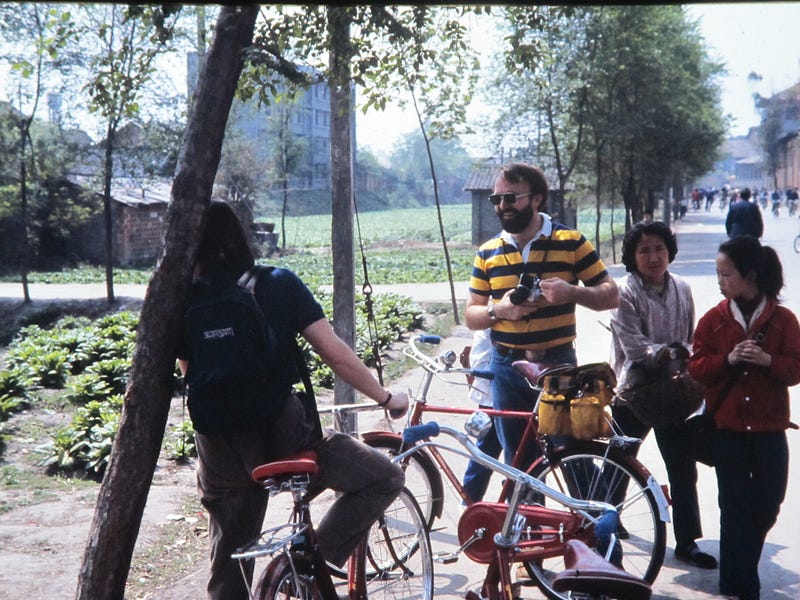
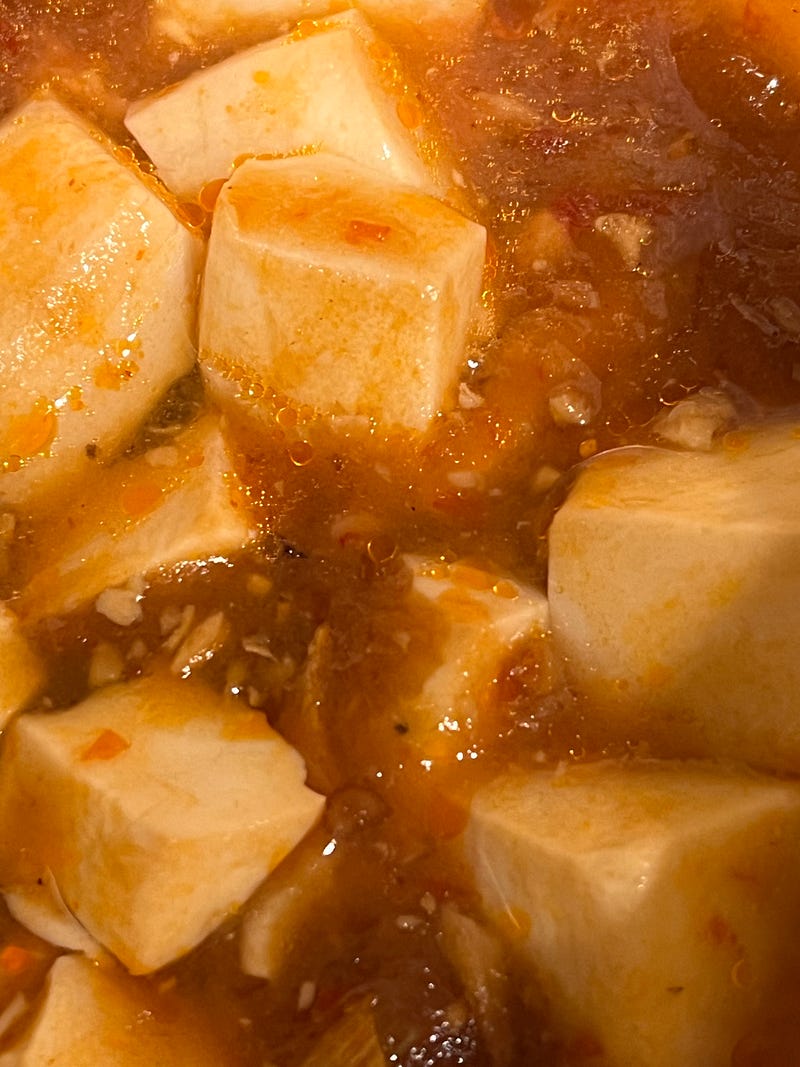
On a trip to Chengdu in Sichuan Province, we rented bicycles in search of Ma Po’s house outside of town. “Ma,” a term for old or grandmother, had a pockmarked face, “Po.” Due to her appearance, she lived as an outcast, but her cooking was famous. A traveler stopped by her place, and she served him a spicy dish of tofu with meat and spices. He was impressed. He spread her fame and recipe, and MaPo Tofu was born.
The destination was not as impressive as Ma Po’s story, but it was a great ride into the countryside.
Eating in China has changed. They have all of the basic Western food groups (McDonalds, KFC, Pizza Hut, and Burger King). But look around the corner. Eating adventures still exist if you are willing to look.