
Hong Kong English/Cantonese (XL)
Soda and Beer Have Weird Nicknames in Hong Kong
Well, you should know these.
Soda and beer are definitely foreign things to Hong Kong. I don’t believe we had enough technology to put gas into a drink and was able to make them taste good when it was invented.
But the normal names, 汽水 (literally: gassed water; Jyutping: hei3 seoi2) and 啤酒 (啤 being a literal translation of the English word while 酒 states that it is alcohol; Jyutping: be1 zau2), are just too normal. It just doesn’t tell anything special about these two kinds of beverage.
So here we have the nicknames for them.
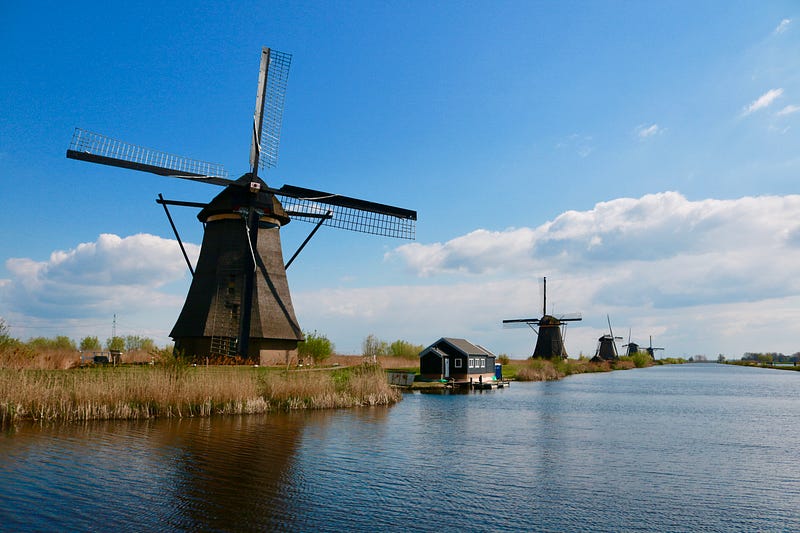
First of all, I think it’s better talk about an old nickname of soda: “Dutch water” (荷蘭水, Jyutping: ho4 laan1 seoi2). I have no idea why and how it gets this name.
Internet sources say that a Dutch cargo ship used to send soda to a Chinese port in the past. Therefore, people thought these came from Holland/the Netherlands and hence the name.
However, they don’t seem to have given enough information. Which exact Dutch ship was that? Which Chinese port was the Dutch ship going to? And how did this name then travel to Hong Kong? These mysteries don’t seem to have solved.
There is something else namely "Dutch water lid" (荷蘭水蓋, Jyutping: ho4 laan1 seoi2 goi3), but it is out of scope of this article so I'm not going to talk about it now.Anyway, it’s time to move on as there is another nickname for soda.
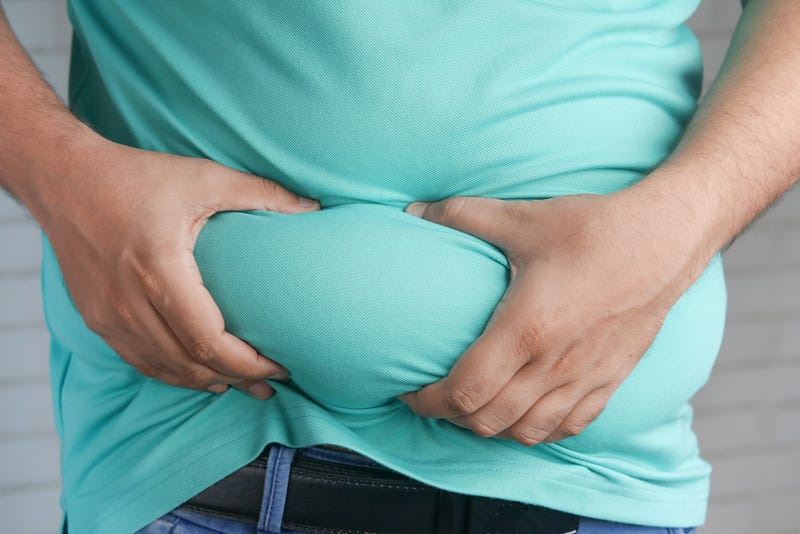
This another nickname is “fatty water” (肥仔水, Jyutping: fei4 zai2 seoi2).
It should be well-known that soda contains a LOT of sugar, and drinking a lot of it is a major cause of obesity as well as other health problems. Although the association between soda and obese people is not necessary, it seems that still pretty many of the plump people like having a fizzy sweet drink.
Perhaps people thought that the obese drank soda so often and so much as if they were drinking water. Therefore, this drink was “dedicated” for the fat people and they were supposed to drink these for life. And so soda gets the name which means “water for fatty”?
Still, I don’t have much idea.
Well, in fact, calling somebody a “fatty” doesn’t mean that they are really obese or fat. They may just look a little bit bulky. Don’t use it unless they are a very close friend of yours and they wouldn’t mind you call them like this. This is still a kind of body-shaming though.
Another meaning of 肥仔水 is gripe water, which gets the name most probably because of the trademark. I can't remember that I heard this prior to writing this article.I believe you have heard of herbal tea. According to traditional Chinese medicine theories, herbal tea should have some benefits to help your body keep balanced.
Because of the health benefits, people in the southern China drink a lot of herbal tea, and you can even see herbal tea shops that can give you bowls of kinds of herbal tea instantly in Hong Kong, just like a pub giving you beer from pipe.
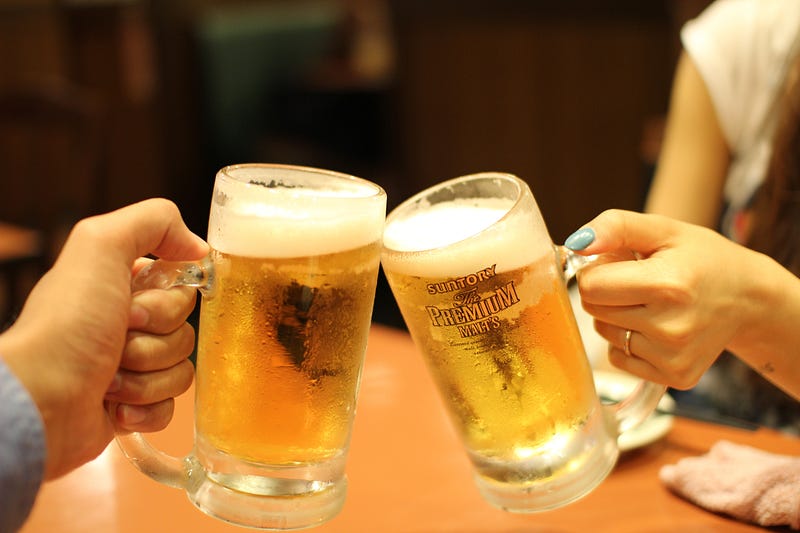
The popularity of beer being alike to herbal tea in Southern China gives beer a nickname of “gweilo herbal tea” (鬼佬涼茶, Jyutping: gwai2 lou2 loeng4 caa4) in Hong Kong.
I believe that this is a total coincidence that beer also has herbs as ingredient, that beer is so common for people and that there is some places that can have beer served immediately, just like herbal tea.
What is even more coincidental is that hops, a key ingredient of beer, is considered to have “cooling” effect, same as herbal tea, according to traditional Chinese medicine theories. However, they still don’t recommend drinking beer too much because in their theories, alcohol is too “damp” for the body.
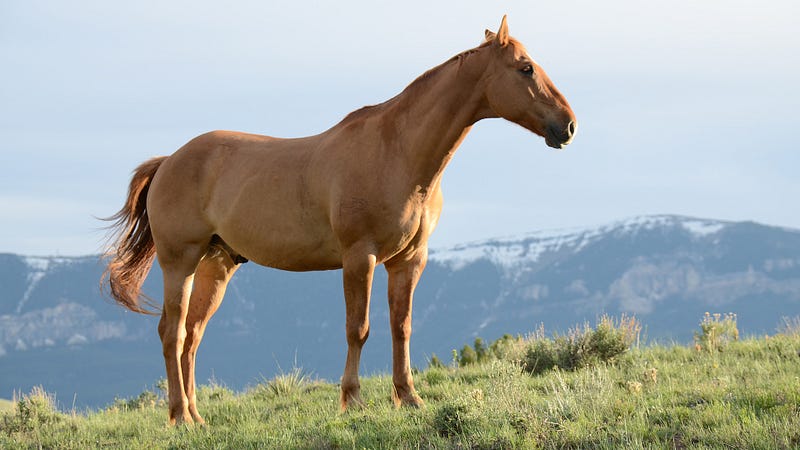
Just remember there is another nickname for beer: “horse piss” (馬尿, Jyutping: maa5 niu6). Most probably it’s because of the colour, but I think this doesn’t get into much of daily usage. “Gweilo herbal tea” definitely sounds more pleasing.
Yes, at least the nicknames tell you something special about the two drinks: possibly the colour, the possible history, and of course anything concerning the health.
Maybe this also tells you some characters of Hongkongers?
References:


