
Fasting: Your Health Feast
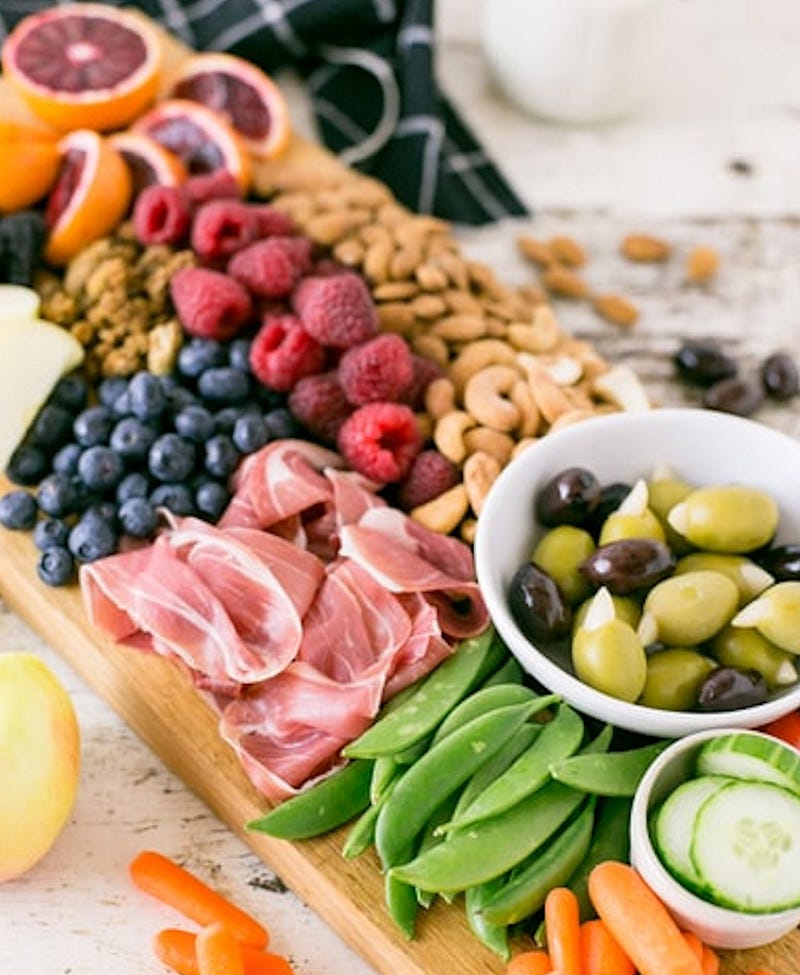
Should you fast? Can you? If you like the idea, how can you ensure success? Stay tuned… after explanations and a summary of my experience, I offer a set of practical fasting tips selected to turn you into a fasting success story.
The COVID pandemic, along with its many disasters, might be the best time to try out fasting.
Why Fast?
Rivers of research show that fasting is much more than just survivable. It is supremely natural, and benefits virtually every aspect of our health — from weight loss to cancer prevention to cognitive power. Our bodies evolved to fast. Early humans often had to wait a long time between meals, yet still be strong enough to catch dinner on the hoof or up a tree. So fasting is a powerful aspect of Nature’s free, built-in healthcare system.
The only obstacles to fasting are psychological, not physical. It’s funny that many people can’t believe they could fast, even though — every night — they fast when they sleep. That’s why the morning meal is called “breakfast”! Just doubling that daily fast would bring you a cornucopia of benefits.
For more than a year, I have fasted once or twice every month (I finished a fast yesterday). When I lived in Kuwait, I showed respect to the local culture by strictly following Ramadan’s sunrise-to-sunset fast for a month. That positive experience led me to research fasting, then to create and apply my own fasting program. I fast between 48 and 72 hours, which seems to be the best balance between reaping its benefits and keeping up with my other priorities.
My Motivations
The most common reason to fast is losing weight, but I have different goals.
First, fasting demonstrates that I — not food companies, advertisers, or even my own taste buds— control my body, my health, my time, and my life.
Second, I honor the global, age-old spiritual meaning of fasting. It encourages me to focus more on deeper meanings of the world and my place within it.
Third, I respect and enjoy food more after doing without it for a while.
Fourth, I want to lengthen my lifespan and improve my quality of life. Hey, I have a new granddaughter!
Even at 73, my health and strength are outstanding. Though fasting has played only a small role in my good fortune, I am convinced it will help me keep ahead of the aging game for decades to come.
Practicalities
Many people assume that it’s easier to lose weight by just cutting back on calories. The opposite is true. Reducing food usually increases hunger until it’s irresistible. It might seem strange that fasting is easy for me and for most people who approach it sensibly. During the first few hours, I do have transitory pangs, mostly at meal times. After that, I don’t feel hungry at all. If anything, I feel an enjoyable lightness and relaxation. I sometimes feel a little weaker on the third day, which is probably more psychological than physical but gives me a good excuse to cool out.
The Fasting Body
We are born with sophisticated systems that let us thrive without food for a long time. One overweight Scotsman ate nothing at all for 382 days; many people “just say no” for weeks or months at a time. The body even has a mechanism to prevent using muscle protein as fuel — in fact, it spurs HGH, a hormone that encourages muscle and bone growth.
But no body is designed to cope with the stream of empty, harmful calories and chemicals that most people force it to deal with.
Note: during a fast, drink plenty of zero-cal liquids (NEVER no-cal soft drinks) like water, black coffee, plain tea, etc. I only feel weak when I’m dehydrated, not food-free. And, on longer fasts, extra water is needed to flush out the nasties that the fasting is recycling and discarding.
How Fasting Helps
Depending on the length of the fast, it will have at least some of the following benefits, among many others.
Fasting…
… detoxifies the body and removes bad cells;
… rebalances all kinds of hormones, notably insulin;
… improves mental function;
… strengthens immune responses;
… stimulates muscle growth;
… brightens mood and balances emotions;
… prevents cardiovascular and other insulin-related diseases; and
… increases lifespan.
Fasting Phases
The value of fasting increases and changes the longer it continues. As its main food source changes, the body’s automatic mechanisms trigger spectacular results. Years ago Dr. George Cahill, the leading fasting researcher, identified five stages of fasting that are now accepted around the world.
Treat this list as a menu for your own health feast: choose the benefits you want, then fast long enough to be “served” your selection.
1. Feeding (0–4 hours). The body still processes food (especially glucose) from a recent meal.
2. Postabsorptive (4–16 Hours). The body switches from direct food use to saved carbohydrate stores, and starts to lower insulin levels and reduce “metabolic syndrome.”
3. Gluconeogenesis (16–30 Hours). More benefits arise as fuel comes less from glucose and more from protein, which the body gathers by breaking down defective cells in natural recycling. Amino acids are also reused and replaced.
4. Ketosis (2–7 Days). Fuel comes increasingly from ketones, which can be used so efficiently that the faster experiences greater energy and mental acuity. This also dramatically increases natural anti-inflammatory processes. Starting at three days without food, the body rejuvenates the whole immune system.
5. Protein Conservation (7 Days and more). The body shifts from using protein for fuel to consuming stored fat, while protecting (in fact, strengthening) organs, muscles, brain and other essential functions.
Making It Happen
I just started fasting from scratch, but you might find it easier to gradually wean your mind and habits (your body doesn’t need to adapt!) into fasting. For example, start by eliminating snacks between meals. Then, say on Monday, skip breakfast to pull off a 15 hour fast; then Wednesday have no breakfast and a light snack instead of lunch, and so on. The second week, you should be able to go more than a day without eating and after that it will be smooth sailing.
Most importantly, reframe or redefine the idea of fasting in positive terms. Nobody likes to feel deprived from what they enjoy. So, instead of thinking of a fast grudgingly— as food kept from you— realize that a “fast” is a new kind of “feast”: a banquet of health. Well, that’s exactly what it amounts to.
Your Fasting Toolbox
Here is my too-long list of ways to make fasting successful (in no particular order). Hopefully, you’ll find and use a few that help.
Discomfort is imaginary: Your body doesn’t need the food, it’s just used to getting it. The discomfort won’t last — the benefits will.
Better together: if possible, find a fasting approach that works with anyone you live with, so you can support, not undermine, each other. My wife Naila and I fast differently, but at the same time.
Breathe deeply: stress increases our need to eat, and short, shallow breaths increase stress. To make your life easier, exhale twice as long as you inhale, especially during any moments when you feel hungry or unsure you want to continue.
Chuckle at your cravings: it’s possible to see food craving as a kind of theater, even comedy. So, when you feel ravenous, take a mental step away and gently laugh at yourself as well as congratulating your strength.
Take a spiritual break: See the fast as a spiritual opportunity for self-centering: fasting reduces everyday rigamarole to let you reconsider what’s really important to you — spiritually, psychically, philosophically, religiously.
Arrange break activities: I’m most tempted to break my fast when taking a work break, when I habitually grab a snack. If the same is true for you, be ready with other things to do when you take a break, such as looking at cartoons or stretching.
Have a specific schedule: create a schedule that details when you will stop eating, which drinks you will prepare, exactly when you will eat again and what you will eat to break the fast. The more concrete your plans, the more likely you will be to follow them.
Use noncaloric drinks: water, “bulletproof coffee” or another drink with no calories will give you something to do, cheer you up a little, and help your body heal itself. Buy a delicious herbal tea you’ve always wanted, and make enough of it so a drink is always available instead of a snack.
Watch informative videos: look for authoritative videos that explain the benefits a fasting and how to do it well. Ideally, write or print out the facts or ideas you find most helpful, interesting and persuasive and post them where you’re sure to see them.
Be ready with distractions: at times when you would normally eat, arrange some interesting and rewarding activities to do instead. This will distract you from feeling hungry, and reward you for continuing.
Change your environment: we are creatures of habit. So, for your first fasts, change the arrangement of furniture, decorations and plants — altering the environment might weaken habits, especially eating.
Put food just out of reach: make small changes: put the food on a higher shelf, or in a container that’s hard to open, or tape the lid down. Anything that forces you out of stale habits will give you a few extra moments away from temptation so you can continue the fast.
Eye on the prize: when temptation strikes — as it will — always return to the long-term benefits, and decide to keep your promise to yourself and the people who depend on and support you.
Create a network: Find others who fast, maybe on Social Media, to support each other and exchange suggestions. This kind of informal, friendly Network will increase your accountability and certainty of success.
Post reminders: Write or print, then put in a prominent location, a list of your reasons to fast and the benefits you will gain.
Expand your support: told your friends and family what you are doing and why. Then ask them to encourage, support, and applaud you for your success. You might even find a fasting compatriot or two!
Prepare a treat: plan what you will do at the end of the fast. Get then set aside a reward or treat that you only get by reaching your goal, then give that to someone who will return it to you after you succeed.
Inpower yourself: go beyond visualizing a successful fast — truly feel your emotions, satisfaction, and actions. I call this “inpowerment” because it creates many positive associations that give you the inside-out strength to reach your goals.
Give yourself a break: during the fast, slightly relax your expectations about other jobs or activities you would normally do, to help make sure you complete the fast.
Enjoy the savings: you will save time and money by fasting, so plan in advance what you want to do with the payoffs.
So…
I hope these points and suggestions help you understand, organize, and succeed in your fast, if you decide to give it a shot.
I’m no expert, and know this story only covers a little. Please reply to me, sharing your experiences and information. I’ll add them— with full credit, if you want — in a followup story very soon.
Remember — you’re about to have a health feast!
John Lord Couper Ph.D., www.alignfourminds.com
https://fasting.com/fast-facts/20-facts-about-fasting-backed-by-science/