
Fashionism: Exploring the Phenomenon of Fashionism
The Evolution and Impact of the Fashion and Modeling Industries
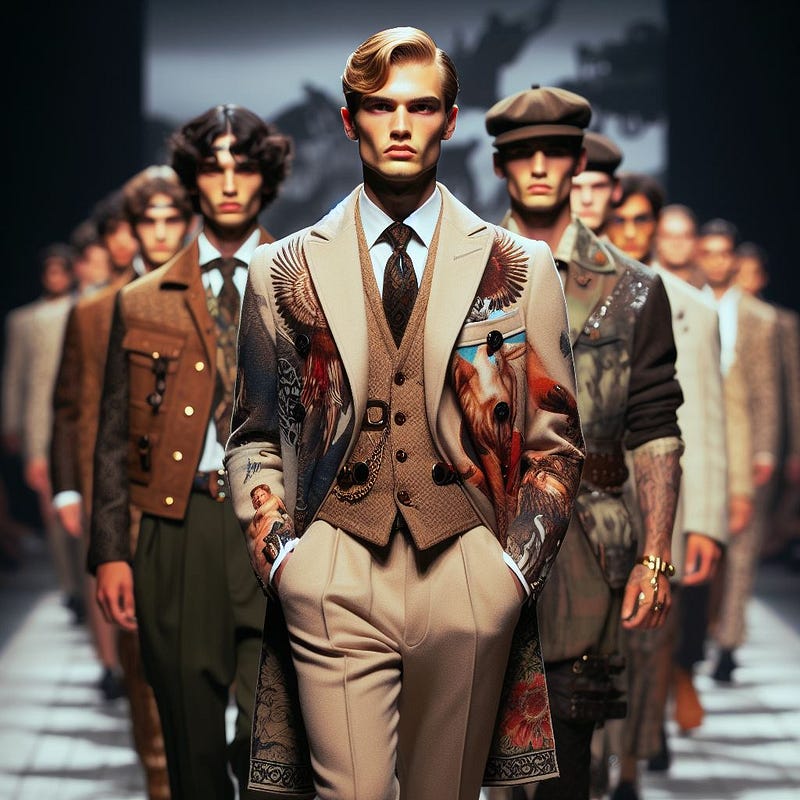
A phenomenon known as Fashionism is characterized by unusually high variability in the world we live in today, where everything is changing and being replaced. Over time, things are changed, improved, or replaced out of necessity to make life easier, but among these industries, Fashionism has a distinct role.
For instance, the construction industry has evolved in response to environmental and site-specific requirements for increased safety. On the other hand, the Industrial Revolution led to the replacement of wagons with trains and cars, making travel faster and simpler. As a recent example that we can see firsthand, large computers have given way to tiny laptops and cell phones so that we can easily transfer and complete our work wherever we choose.
God created humans with wisdom and intelligence, and to stand out from other creatures, we must act differently when interacting with people in society. One of the characteristics that distinguishes us from other creatures is wearing clothes that reflect our values and make us feel comfortable.
Humans also require clothing to protect them from the various effects of the weather, including heat waves, sunshine, cold snaps, rain, and other natural occurrences. So, why has this industry that provides clothing needs evolved into a thriving market with millions of active members and billions of dollars in investments? Here, we examine some of the main causes of this development in the fashion industry.
Modernity:
The desire to try new things in life drives industries to explore new ideas and styles, attracting customers. Competition among distributors and customers drives the industry’s success and market trendiness.
Business opportunities:
As long as a market is growing and attracting more customers, there will be new opportunities for investors and businesspeople to profit from it. In particular, those who establish a high-quality brand, market it and eventually make it famous will attract a lot of interest from the industry.
Employment:
Two things serve as the foundation for employment: the market and the customer. The presence of these bases will lead to hundreds of job openings. when there are businesses that manufacture high-quality goods and a sizable consumer base for those products. Then, businesses must hire personnel for a variety of roles, including those in design, sewing, styling, photography, engineering, and many other technical and managerial roles. and these needs will open the way for recruitment.
Cultural factors:
As a general rule, we identify other people or cultures based on the way they appear and dress. In certain cases, two people with similar appearances can be told apart based on what they are wearing at the moment. One of the primary drivers of Fashionism is the influence of culture on clothing trends. Every society strives to produce and design the finest clothing possible to showcase its history, inventiveness, and artistic expression to the world. This factor alone propels fashion to the top of the market. In conclusion, the evolution of the fashion and modeling industries has given rise to a phenomenon known as Fashionism — a term that encapsulates the dynamic nature of these sectors and their profound impact on society. Fashionism reflects the constant drive for modernity, innovation, and creativity in the world of fashion, where trends are born, evolve, and shape our cultural landscape. It is fueled by a combination of factors, including the pursuit of new business opportunities, the demand for employment and economic growth, and the influence of cultural factors on clothing trends. As Fashionism continues to gain momentum and popularity, it underscores the significance of fashion and dressing not only as a necessity but also as a powerful form of personal and cultural expression. Through Fashionism, individuals and societies alike are empowered to embrace their unique identities, values, and creativity, making fashion an integral part of our ever-evolving global culture.
Subscribe to get an email whenever I post articles like this!