
The American Fancy Girl — A Light-Skinned Black Slave Girl Kept For Sex
The slave market in the United States paid a premium for young sex slaves
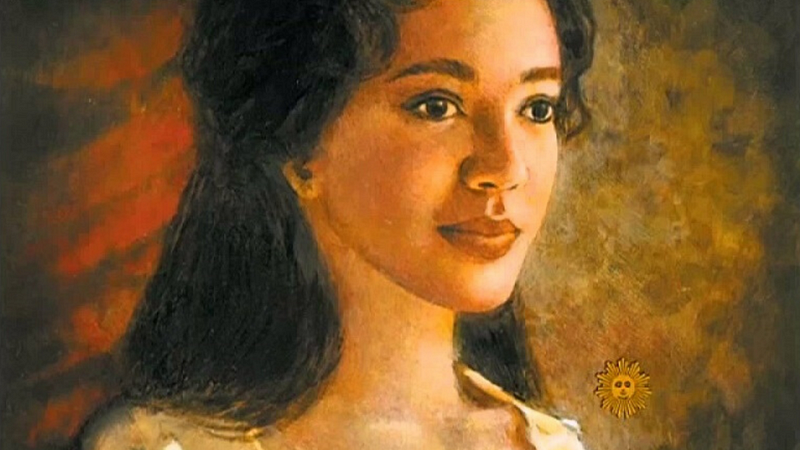
The slave market in the United States was crazy for light-skinned black young girls a.k.a. “fancy girls”. Some of these black slave girls were only 13 years old when they were sold as sex toys to white men.
White men paid $2,000 for a fancy girl in the 1800s.
Adjusted for inflation, this amount would be worth almost $80,000 today. With $2,000, you could purchase 500 acres of land or acquire 5 premium horses. For context, skilled craftsmen would need 10 years to earn $2,000.
By the way, one of the highest prices paid for a fancy girl was $5,233, which is around $200,000 today.
Owning a fancy girl was a status symbol for slave traders, gamblers, and saloonkeepers.
Raping a slave meant more wealth
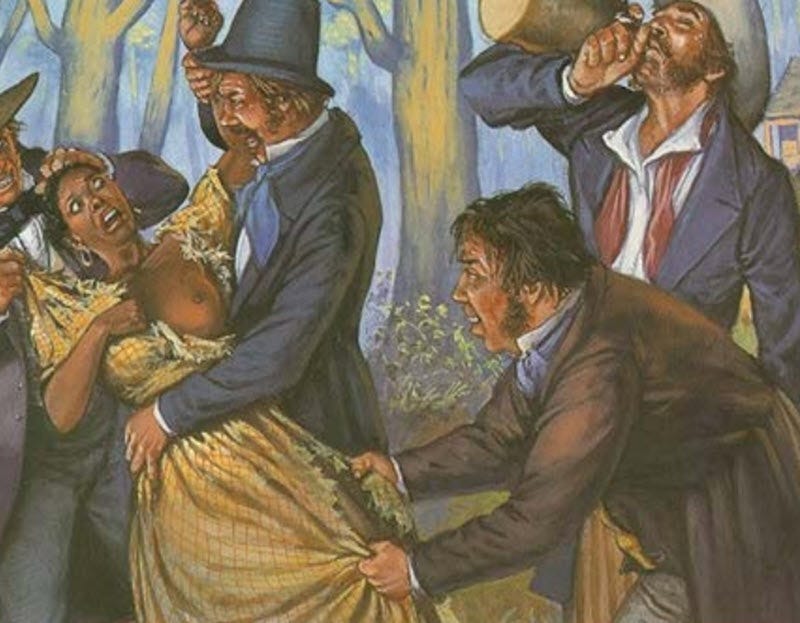
Beginning in Virginia in 1662, the colonists implemented ‘partus sequitur ventrem’ into the laws of slavery, which meant that a child born to an enslaved mother was also considered a slave.
‘Partus sequitur ventrem’ means ‘that which is born follows the womb,’ in short, any baby born to a slave mother was a slave, too.
In the United States, slaves were considered the property of their owners, who had the authority to do anything to them — beat, rape, or even kill them. There was no legal protection for the slaves, and they were often treated like livestock.
In fact, the slaves were treated worse than livestock, as livestock wasn’t subjected to repeated rape.
Over 50% of enslaved black women between the ages of 15 and 30 had been raped by white men.
American President Thomas Jefferson and his fancy girl
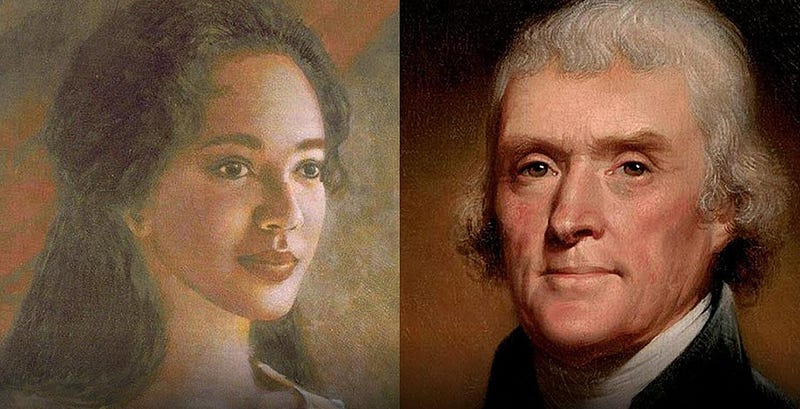
The most notorious example of powerful white men having sex with their fancy girls was the 3rd American President Thomas Jefferson (1743-1826).
Jefferson had regular sex with Sally Hemings (1773-1835). He fathered six children with her. He began having sex with her when Sally was 14 and he was 44.
DNA analysis conducted in 1998 found a match between the Jefferson male line and Hemings descendants.
Why were fancy girls so sought after?
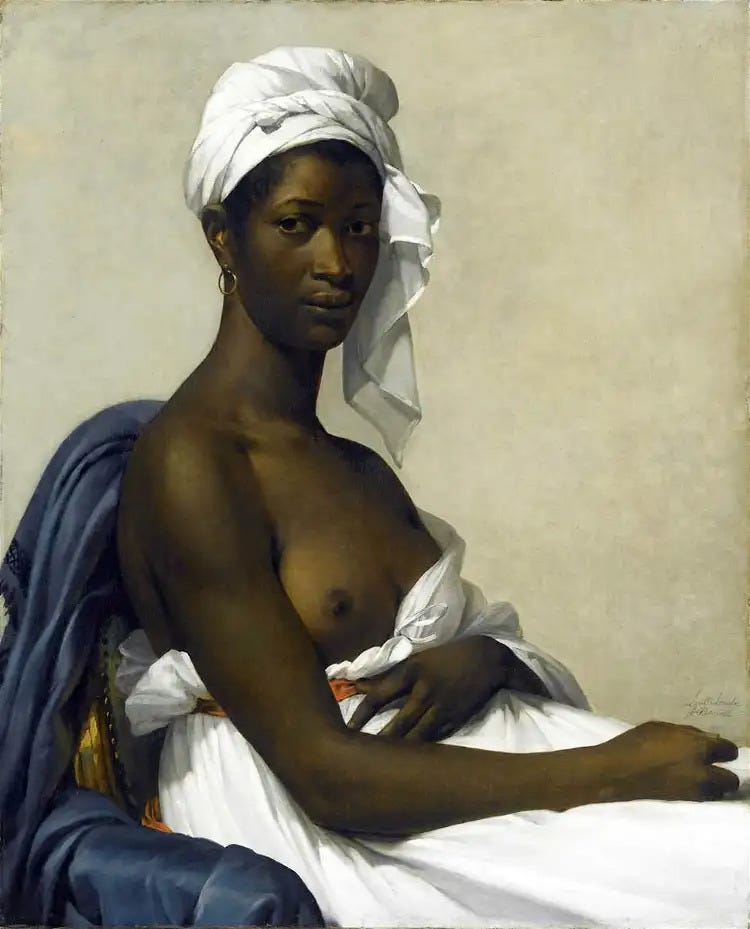
Men enjoy having sex. While most men respect and love women with whom they are having sex with, some men abuse women.
Luckily, today, strict punishments such as imprisonment, curb such sadism. However, in the past, this wasn’t always the case.
In the eyes of white men during the slavery era in America, courtship was required to have sex with white women and it wasn’t “free” as it came with obligations, unlike having sex with fancy girls.
There were no repercussions for the slave owner for having sex with his slaves. Actually, the slave usually became pregnant and the owner would gain another slave.
From the slave owner’s perspective, having a baby with his slave girl was similar to bank interests on a money deposit.
Fany girls, despite looking white, were still considered slaves, which meant they could be sexually abused and raped without consequences. In comparison, committing the same acts against free white women would result in imprisonment.
Mulattoes, quadroons, octoroons,…
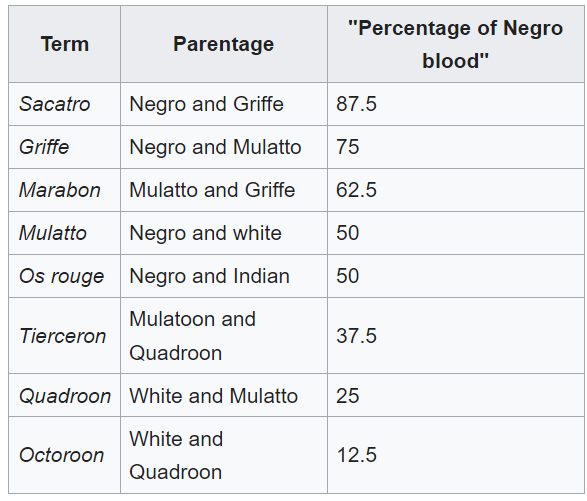
When white slave owners had sex with their slaves, their children were of mixed race known as mulattoes. With each generation, these slave girls after being raped by their white owners, gave birth to even lighter-skinned babies.
The offspring of such rapes were sold into slavery.
The slave owneres sold their own children born from raping the fancy girls as slaves.
The term “mulatto” only scratches the surface of the complexities of mixed-race individuals, as there are names like “quadroon” for someone who is one-quarter black.
The depths of racial terminology are truly horrific!
Some enslaved black women became so light-skinned that they could pass as white, and some even gained their freedom by doing so. Madeline Fabray, the character in the famous novel North and South By John Jakes, is octoroon. Madeline is considered white although she is in fact the daughter of a part-black prostitute.
Specialized market for fancy girls
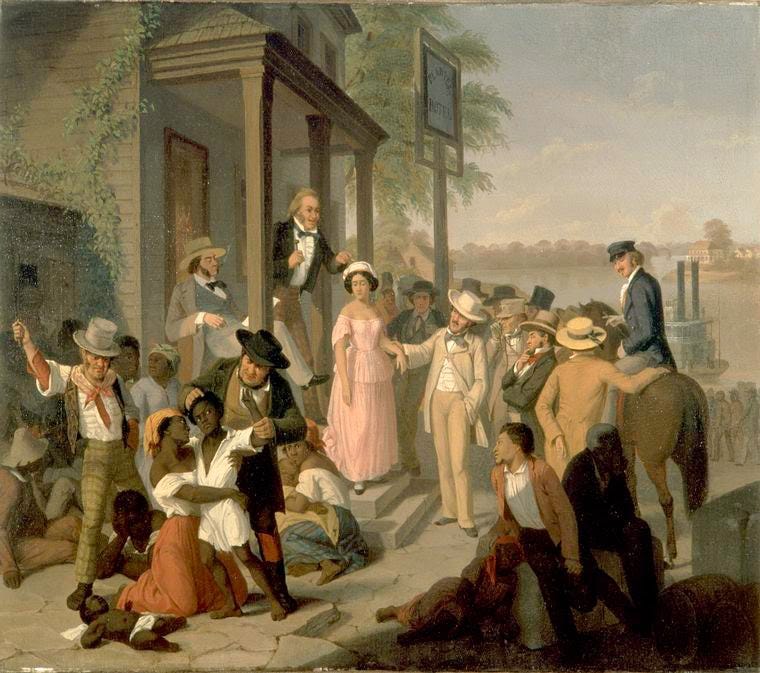
The moment a trader purchased a black girl who could be marketed as a fancy, he wrote the word “fancy” beside her name, e.g. “Girl Sally Fancy Cost 750.”
Due to the high prices fancy girls reached on the market, the slave traders always looked for fancy girls.
A fancy girl was sold for a 5 times higher price than a field slave.
When put on auction, the fancy girl had to strip naked and she was touched inappropriately by the potential buyers. However, most fancies (another euphemism for fancy girls) were sold in private sales.
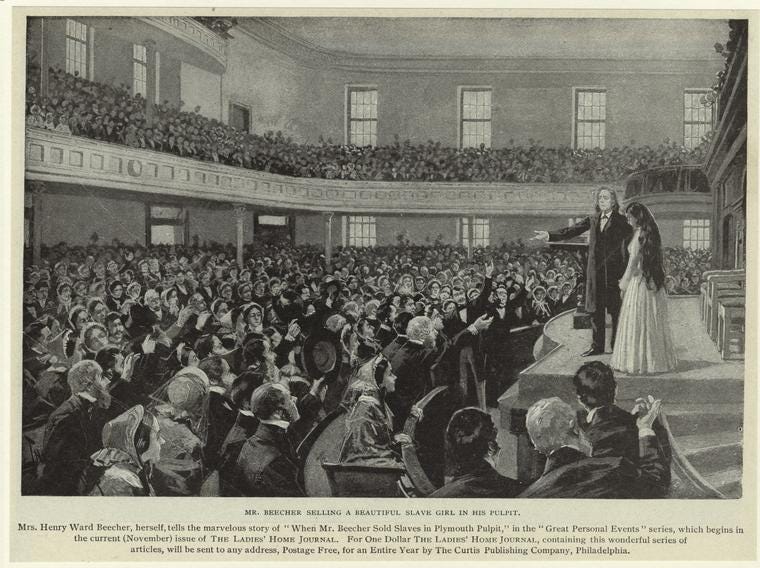
The fancies were sold as personal sex toys or to work as prostitutes in brothels.
The fancy girls forced to work in brothels died in four to five years suffering from abuse, sexually transmitted diseases such as syphilis, and beatings.
The fancy girls who were concubines of the rich white men fared a bit better than those in brothels, but nonetheless, their lives were very cruel.
New Orleans and Lexington, Kentucky, had active markets for “fancy girls.” New Orleans was the largest market for fancy girls. The town had a notorious red district that attracted a large population of gamblers, debauchees, and adventurers.
Conclusion
Fany girls are a shameful part of the history of “the most powerful nation on the planet”. The fact that fancy girls indeed existed reveals the dark part of human nature.
The proofs of the existence of fancy girls are preserved letters of slave traders such as Franklin and Armfield and newspaper ads for fancy girls and bills of sale.


