avatarAnne Bonfert

Free AI web copilot to create summaries, insights and extended knowledge, download it at here

5182

Abstract

Bonfert</a></figcaption></figure><h1 id="0a62">Plains Zebra (common zebra)</h1><p id="966e">In the country of Namibia, you can find two subspecies of the zebra one called the mountain zebra which is the smaller one, and the other one being the <a href="https://en.m.wikipedia.org/wiki/Plains_zebra">plains zebra</a> living also in the vast open plains of the Etosha National Park.</p><p id="aa6a">While you will be sure to see the plains zebra in Etosha there are also around 100 mountain zebras living in the western part of the park. The <a href="https://www.zigzagonearth.com/zebras-etosha-national-park/">common zebra</a>, how it is also called, moves in large numbers and often mixes up with wildebeests, oryx, and other antelopes. The mountain zebra is usually to be spotted in smaller groups.</p><figure id="4c1c"><img src="https://cdn-images-1.readmedium.com/v2/resize:fit:800/1*DVxAznM1OyhIyebFEfoiQw.jpeg"><figcaption></figcaption></figure><figure id="d559"><img src="https://cdn-images-1.readmedium.com/v2/resize:fit:800/1*ISfQjkB49aBXdrq-45osSw.jpeg"><figcaption>ANGOLAN GIRAFFE — Credit: <a href="https://medium.com/@anne.bonfert">Anne Bonfert</a></figcaption></figure><h1 id="4e43">Angolan Giraffe</h1><p id="66f6">Due to their size, they are easy to spot in Etosha since they are taller than most vegetation. On my most recent visit, I have probably seen around 300 Angolan giraffes which are also known under the name of <a href="https://en.m.wikipedia.org/wiki/Angolan_giraffe">Namibian giraffe</a>.</p><p id="7378">They are a subspecies of the giraffe and are to be found in several countries in southern Africa. Around 13 000 animals of this species are estimated to be found in the wild these days.</p><figure id="8add"><img src="https://cdn-images-1.readmedium.com/v2/resize:fit:800/1*LAkxdzycmLF_FPfcNgI1hw.jpeg"><figcaption></figcaption></figure><figure id="d23b"><img src="https://cdn-images-1.readmedium.com/v2/resize:fit:800/1*e7-ZpHLcWTkINOtfU8ghFQ.jpeg"><figcaption></figcaption></figure><figure id="9bcf"><img src="https://cdn-images-1.readmedium.com/v2/resize:fit:800/1*7s1bRP7zawT3GFCedG4WlQ.jpeg"><figcaption>COMMON OSTRICH — Credit: <a href="https://medium.com/@anne.bonfert">Anne Bonfert</a></figcaption></figure><h1 id="c8ad">South African Ostrich</h1><p id="cb1c">The <a href="https://en.m.wikipedia.org/wiki/South_African_ostrich">South African ostrich</a> is a subspecies of the common ostrich native in several southern African countries. Running with speeds up to 70km/h it reaches the fastest land speed of a bird.</p><p id="bb65">The common ostrich is farmed around the world, mainly for its meat and eggs but also the feathers get collected.</p><figure id="d10f"><img src="https://cdn-images-1.readmedium.com/v2/resize:fit:800/1*EDkayYP7bAhNlrzpU_3ApA.jpeg"><figcaption></figcaption></figure><figure id="ac71"><img src="https://cdn-images-1.readmedium.com/v2/resize:fit:800/1*A11xbRGJwlbM692CZy0olQ.jpeg"><figcaption>CHEETAH — Credit: <a href="https://medium.com/@anne.bonfert">Anne Bonfert</a></figcaption></figure><h1 id="968b">Cheetah</h1><p id="f717">The cheetah capital of the world is indeed Namibia with a proud number of 3000 animals living in the country. Part of this is thanks to the effort of the Cheetah Conservation Fund which is quite active in large areas of Namibia.</p><p id="a8e0">Something everyone might know already is the fact the cheetah is the <a href="https://namibiatourism.com.na/blog/FAST-Facts-About-Cheetahs">fastest land animal</a> with reaching speeds of up to 120 km/h. Due to an unusually large heart and increased lung capacity the animal can increase the circulation of oxygen and therefore speed up from zero to 100km/h in just three seconds.</p><figure id="96f0"><img src="https://cdn-images-1.readmedium.com/v2/resize:fit:800/1*F-2u0MhKbHujYx7Hskvdyw.jpeg"><figcaption></figcaption></figure><figure id="3906"><img src="https://cdn-images-1.readmedium.com/v2/resize:fit:800/1*hv7yXp5XB6DNIIEmC499Rg.jpeg"><figcaption>SPOTTED HYENA — Credit: <a href="https://medium.com/@anne.bonfert">Anne Bonfert</a></figcaption></figure><h1 id="51ca">Spotted Hyena</h1><p id="06c3">The spotted hyena is native in sub-Saharan Africa with a population of up to 47 000 animals across the countries. Their numbers are declining due to poaching and loss of habitat but they are coping better than other predators.</p><p id="067a">These animals are living in communities led by females of the herd. The females are larger than males, they dominate them and even have a pseudo-penis.</p><p id="313d">Hyenas are very <a href="https://en.m.wikipedia.org/wiki/Spotted_hyena">successful hunters</a> and scavengers who can digest pretty much any part of the animal including skin and bones. They often run into a herd of animals choosing one of them and taking it down as a team.</p><figure id="11ba"><img src="https://cdn-images-1.readmedium.com/v2/resize:fit:800/1*3xeHvUk_rouihTo3Yc8eHQ.jpeg"><figcaption>BLACK RHINO — Credit: <a href="https://medium.com/@anne.bonfert">Anne Bonfert</a></figcaption></figure><h1 id="cf38">Black Rhino</h1><p id="65c1">Namibia can proudly say it hosts t

Options

he <a href="https://www.etoshanationalpark.org/news/black-rhino-thriving-in-etosha">largest population</a> of black rhinos in the world due to its effort in the fight against poaching. Whenever spotting one everyone should support this movement and not report the location of the sighting. Or not mention the sighting at all.</p><p id="e2d3">While the neighboring country of South Africa has huge problems regarding increased numbers of poached rhinos, Namibia is doing everything in order to prevent the same problem from happening here as well.</p><figure id="dcf8"><img src="https://cdn-images-1.readmedium.com/v2/resize:fit:800/1*X80vqjcBYAVbPGPvUOSHOQ.jpeg"><figcaption>YOUNG ELEPHANT BULL — Credit: <a href="https://medium.com/@anne.bonfert">Anne Bonfert</a></figcaption></figure><h1 id="b45b">African Bush Elephant</h1><p id="b330">The African bush elephant is the largest one of three sub-species and is the <a href="https://www.nature.org/en-us/get-involved/how-to-help/animals-we-protect/african-bush-elephant/">largest land animal</a> in the world. They also live longer than most other mammals by reaching up to 70 years on their back.</p><blockquote id="880d"><p>“Elephant herds are matriarchal, consisting of related females and their young and are led by the eldest female, called the matriarch. Adult male elephants rarely join a herd and often lead a solitary life, only approaching herds for mating. Females give birth to a single calf after a 22 month gestation, the longest gestation period among mammals.” — <a href="https://www.nature.org/en-us/get-involved/how-to-help/animals-we-protect/african-bush-elephant/">nature.org</a></p></blockquote><p id="52c7">Elephants suck water with their trunk and then shoot it into their mouth which can be seen in the above picture. The young elephant bull was standing at a small water pond which is hidden for us. After he drank enough he was taking more water in the trunk to spray it afterward onto his back. Who wouldn’t want a cooling mist in these temperatures?</p><p id="6be3">I hope you enjoyed this read learning something new about the large variety of African animals to be found in Namibia. If you enjoyed the wildlife shots, have a look at these articles:</p><blockquote id="f541"><p>More about my wildlife photography…</p></blockquote><div id="a7b1" class="link-block"> <a href="https://readmedium.com/the-most-beautiful-wildlife-pictures-i-ever-took-2c33433cdc10"> <div> <div> <h2>The Most Beautiful Wildlife Pictures I Ever Took</h2> <div><h3>A collection of photographs</h3></div> <div><p>medium.com</p></div> </div> <div> <div style="background-image: url(https://miro.readmedium.com/v2/resize:fit:320/1*-9PzFRvi-pwe7LpKK5TWnw.jpeg)"></div> </div> </div> </a> </div><div id="7afd" class="link-block"> <a href="https://readmedium.com/animals-of-africas-wilderness-24382c31370f"> <div> <div> <h2>Animals of Africa’s Wilderness</h2> <div><h3>Black and white photography</h3></div> <div><p>medium.com</p></div> </div> <div> <div style="background-image: url(https://miro.readmedium.com/v2/resize:fit:320/1*gciTjD8dL9nZLAV0-DMqug.jpeg)"></div> </div> </div> </a> </div><div id="d48b" class="link-block"> <a href="https://readmedium.com/do-you-see-the-animal-2e0515cd2ee5"> <div> <div> <h2>Do You See the Animal?</h2> <div><h3>A search image</h3></div> <div><p>medium.com</p></div> </div> <div> <div style="background-image: url(https://miro.readmedium.com/v2/resize:fit:320/1*54VWEhQU7HWADvcWogf83w.jpeg)"></div> </div> </div> </a> </div><p id="fe31">Join my email list <a href="https://mailchi.mp/9dd74c10ac6b/signup-mydreamofafrica">here</a>.</p><p id="e232"><i>Anne Bonfert is a traveler. Photographer. Writer. Teacher. Skydiving instructor. Adventure enthusiast. Nature lover. And fell in love with the African continent.</i></p><figure id="4da4"><img src="https://cdn-images-1.readmedium.com/v2/resize:fit:800/1*u47U9ob7GJqx71PhBClRIQ.png"><figcaption></figcaption></figure><p id="4fc2"><b><i>Sign up for our newsletter to stay informed with up-to-date curations from our editors:👇</i></b></p><div id="6cab" class="link-block"> <a href="https://codyjameshowellphd.substack.com/"> <div> <div> <h2>World Traveler's Blog</h2> <div><h3>Digital nomad tips and travel stories from around the world</h3></div> <div><p>codyjameshowellphd.substack.com</p></div> </div> <div> <div style="background-image: url(https://miro.readmedium.com/v2/resize:fit:320/0*Zn2M9s_XZbr-izvp)"></div> </div> </div> </a> </div></article></body>

TRAVEL AFRICA

Interesting Facts About Africa’s Wildlife

A selection of photographs taken in Etosha National Park, Namibia
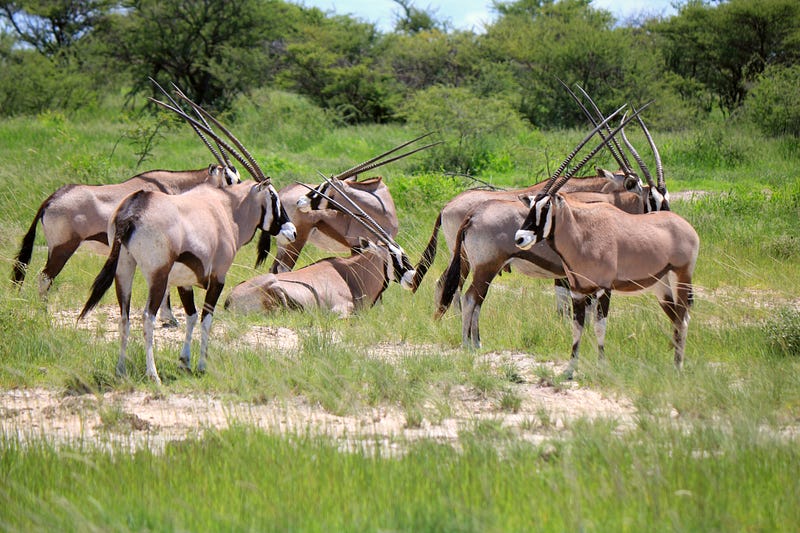
ORYX ANTELOPES — Credit: Anne Bonfert

Since I first placed a foot on the African continent I was fascinated by the variety of wildlife to be found. Not only when going on safari in a national park but also when exploring the country.

Large parts of the continent are still ruled by animals and not humans. Despite the danger of poaching and illegal hunting, animals do live wild in a lot of African countries.

Protected by conservationists and eco-friendly tourism I do hope this variety will be conserved for future generations. For them to experience the wilderness and beauty of Africa’s wildlife.
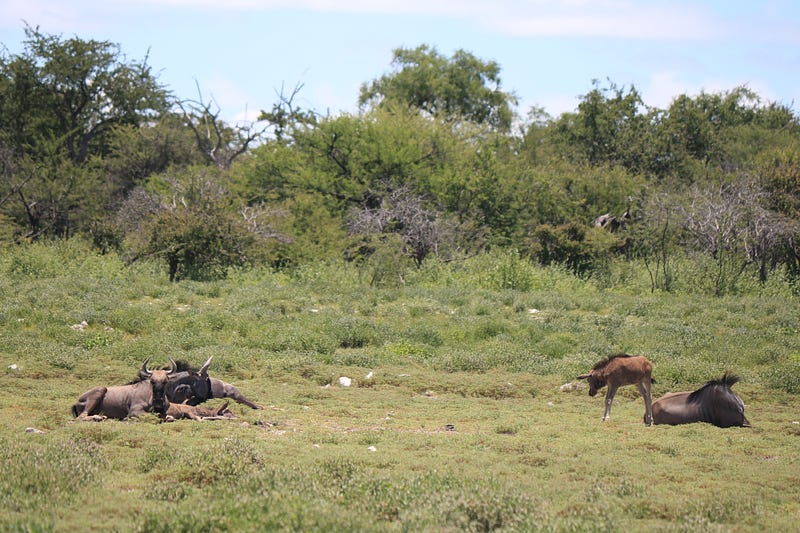
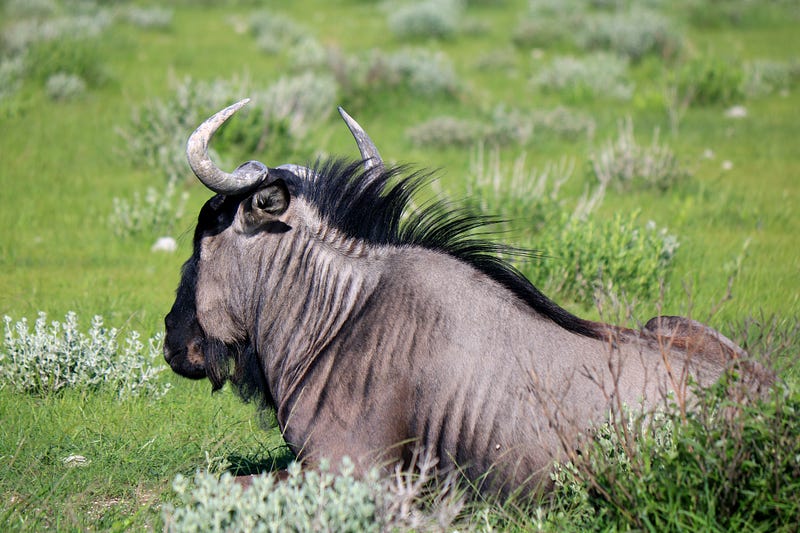
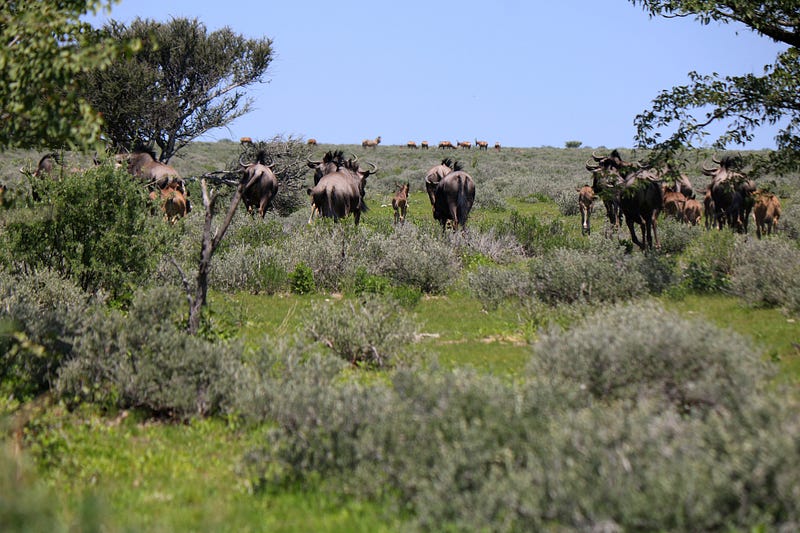
BLUE WILDEBEEST — Credit: Anne Bonfert

Blue Wildebeest

80 to 90 percent of the wildebeest calves are born in a two-week time span at the beginning of the rainy season. When the grass is thriving everywhere and they can feed on the lush green they also overwhelm predators with their sheer numbers.

The blue wildebeest is to be found in nearly every southern African country. It had been extinct in Malawi and Namibia where it got reintroduced and now can be found again. Several private game farms and Etosha National Park are their habitats these days.
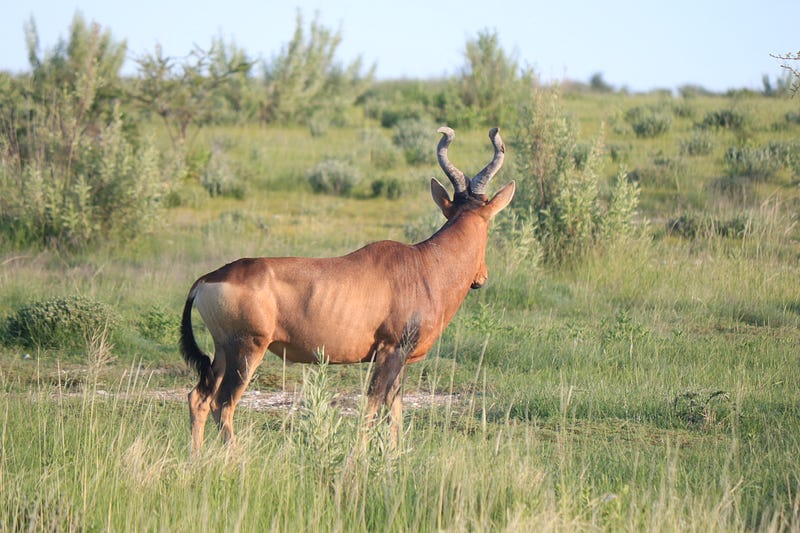
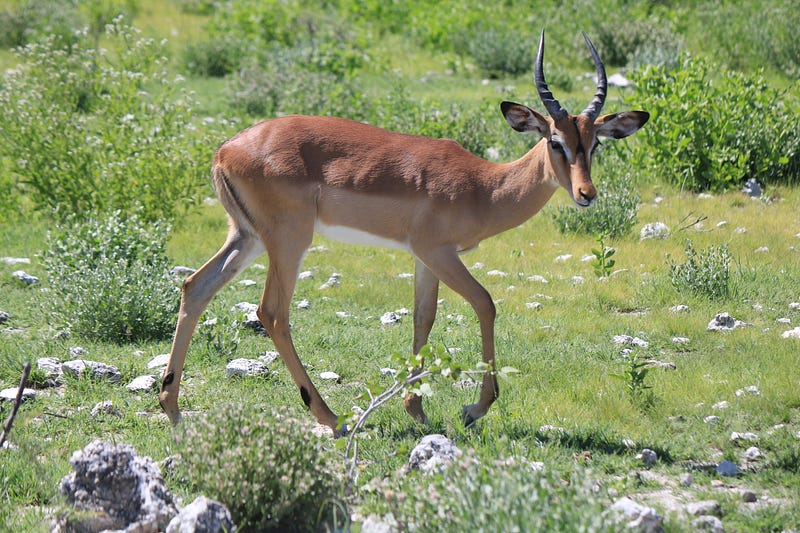
RED HARTEBEEST — Credit: Anne Bonfert

Red Hartebeest

There are 8 subspecies of the hartebeest of which the red hartebeest is one of them. Their species can be found in 25 African countries and their population is estimated at 360 000 across the continent.

The red hartebeest is one of the most enduring runners and can reach up to 70km/h which makes them one of the fastest antelopes. They are definitely not an easy catch for predators.
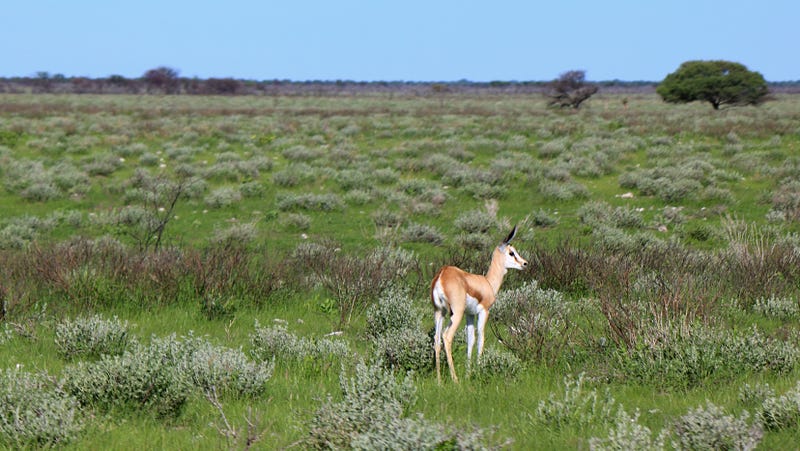
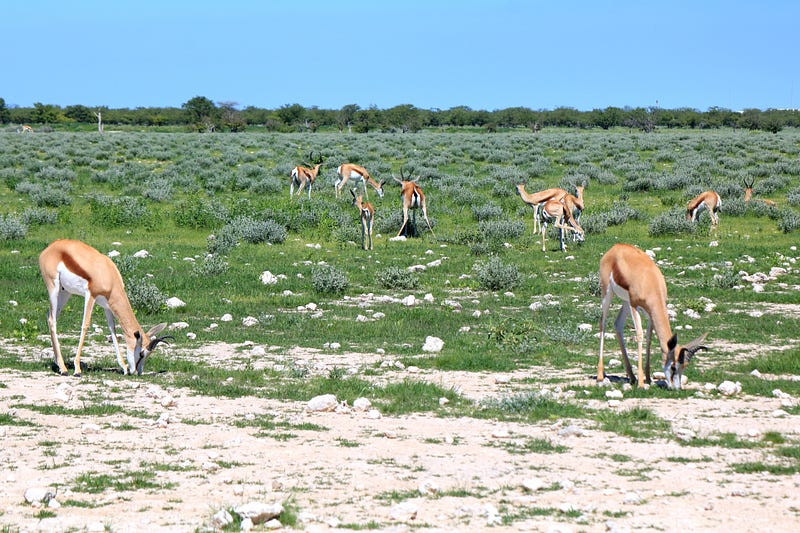
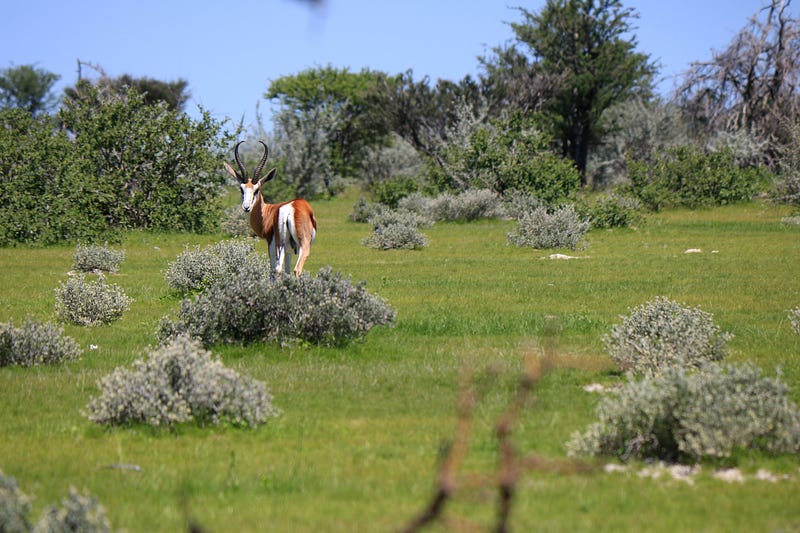
SPRINGBOK ANTELOPE — Credit: Anne Bonfert

Springbok

Name-giver and symbol of the South African rugby team the springbok used to cover the open and tireless plains of southern Africa in enormous herds. Now, it is still to be found in all corners of the country but in much-reduced numbers.

The graceful antelope is part of the gazelle tribe and is known for its special way of jumping. Looking at those animals in the wild one thinks they are jumping for joy.

It isn’t entirely clear but according to scientists the springboks jump up to four meters in the air to scare off predators and attract mates. This is why they call it “pronking” which means in Afrikaans “show off”.
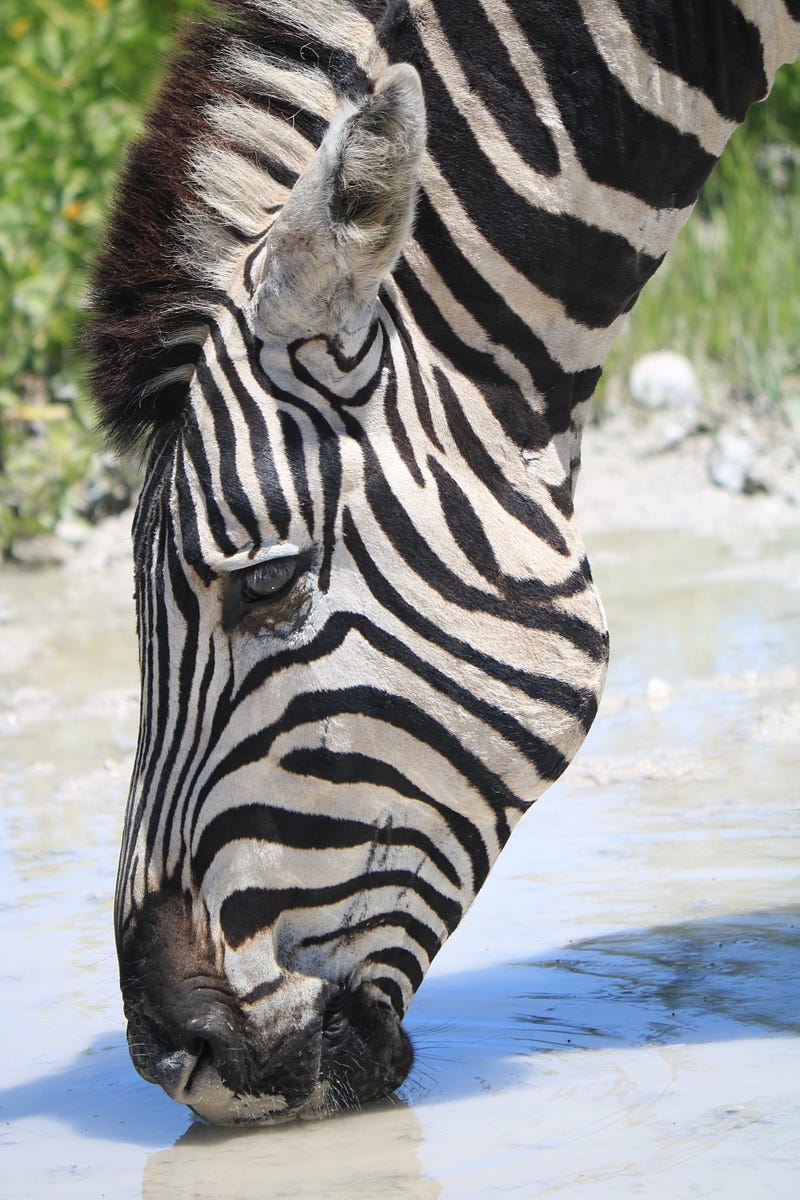
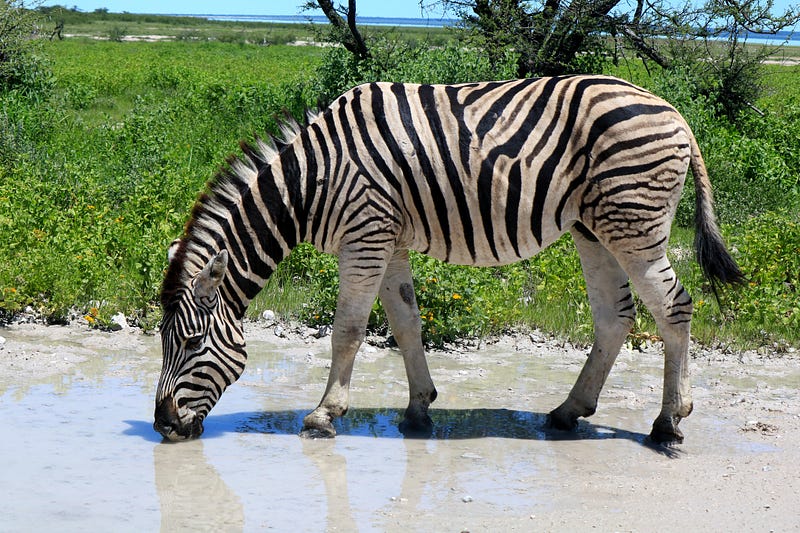
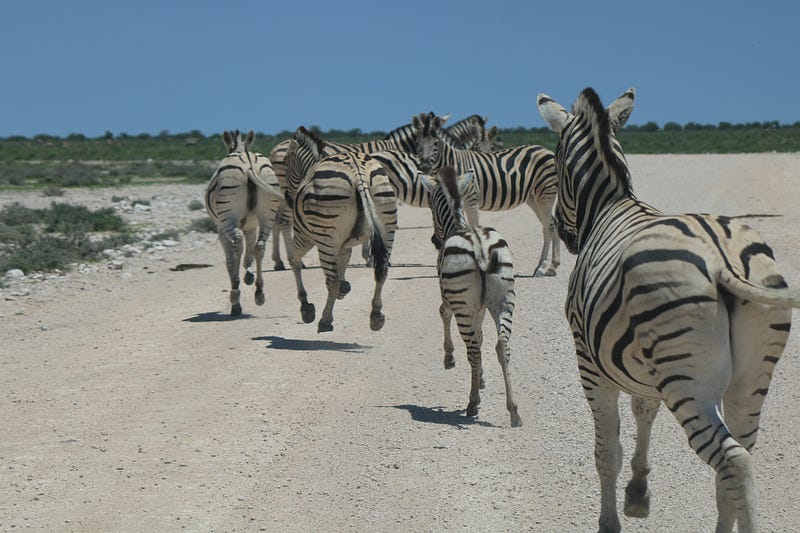
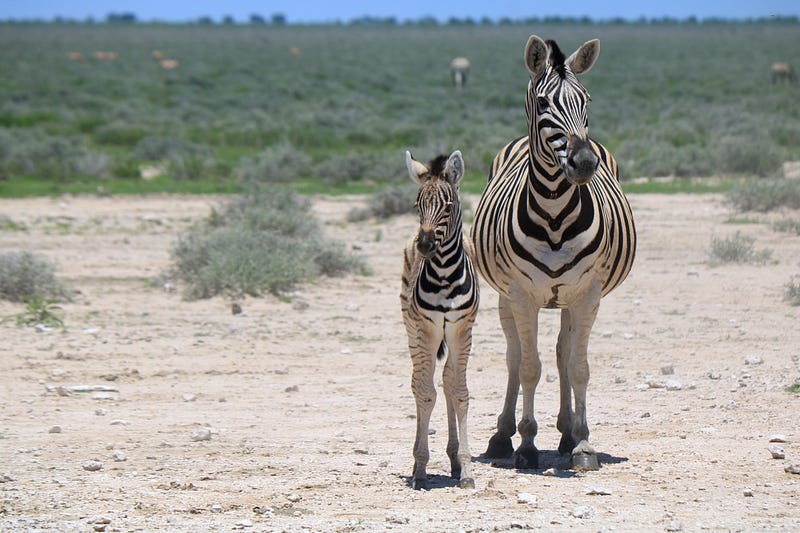
PLAINS ZEBRA — Credit: Anne Bonfert

Plains Zebra (common zebra)

In the country of Namibia, you can find two subspecies of the zebra one called the mountain zebra which is the smaller one, and the other one being the plains zebra living also in the vast open plains of the Etosha National Park.

While you will be sure to see the plains zebra in Etosha there are also around 100 mountain zebras living in the western part of the park. The common zebra, how it is also called, moves in large numbers and often mixes up with wildebeests, oryx, and other antelopes. The mountain zebra is usually to be spotted in smaller groups.
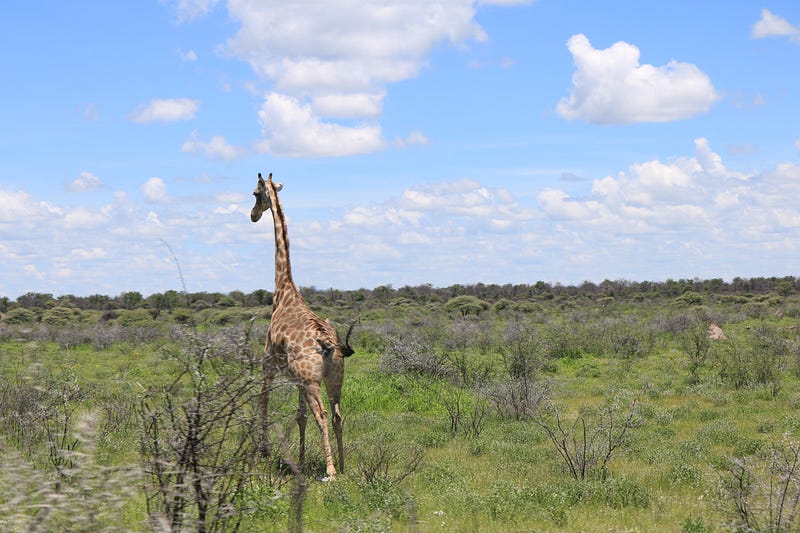
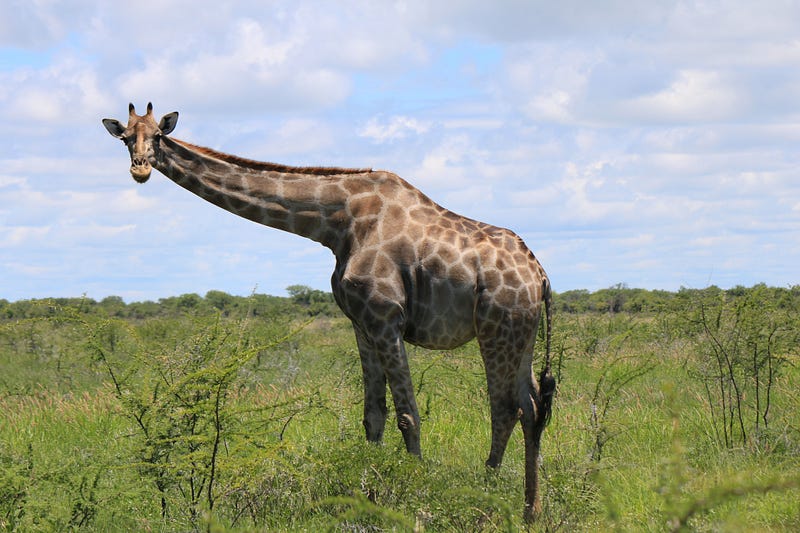
ANGOLAN GIRAFFE — Credit: Anne Bonfert

Angolan Giraffe

Due to their size, they are easy to spot in Etosha since they are taller than most vegetation. On my most recent visit, I have probably seen around 300 Angolan giraffes which are also known under the name of Namibian giraffe.

They are a subspecies of the giraffe and are to be found in several countries in southern Africa. Around 13 000 animals of this species are estimated to be found in the wild these days.
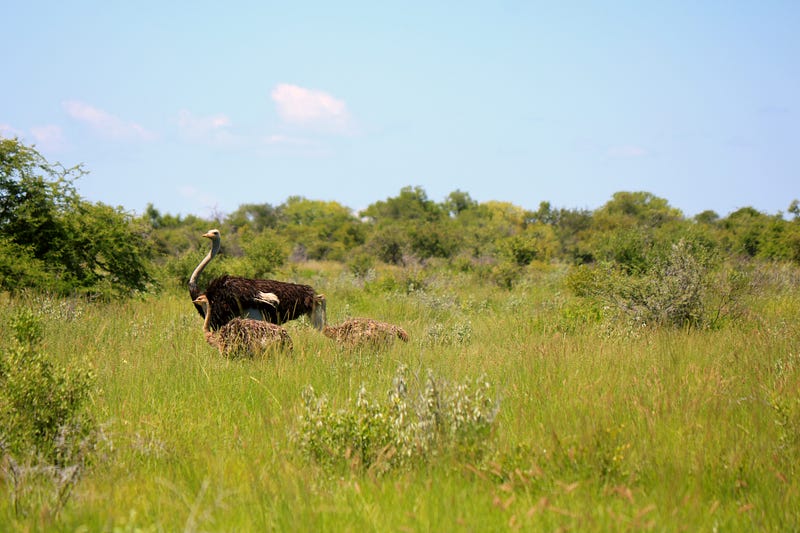
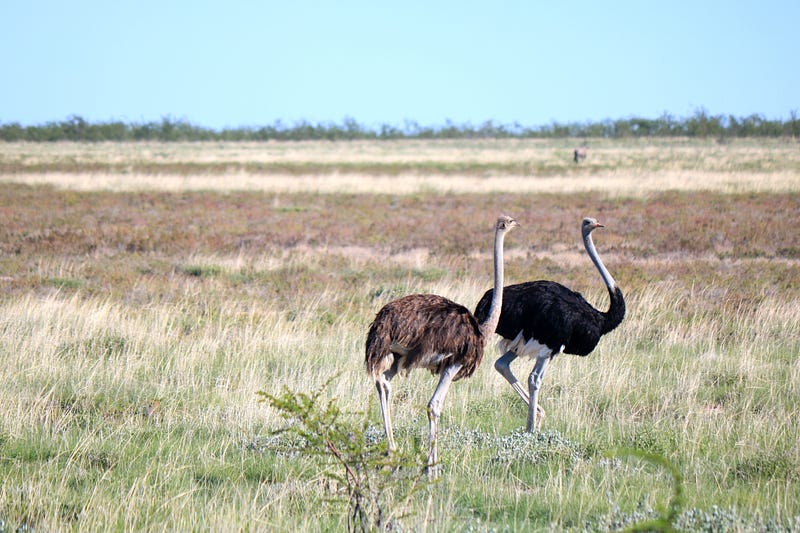
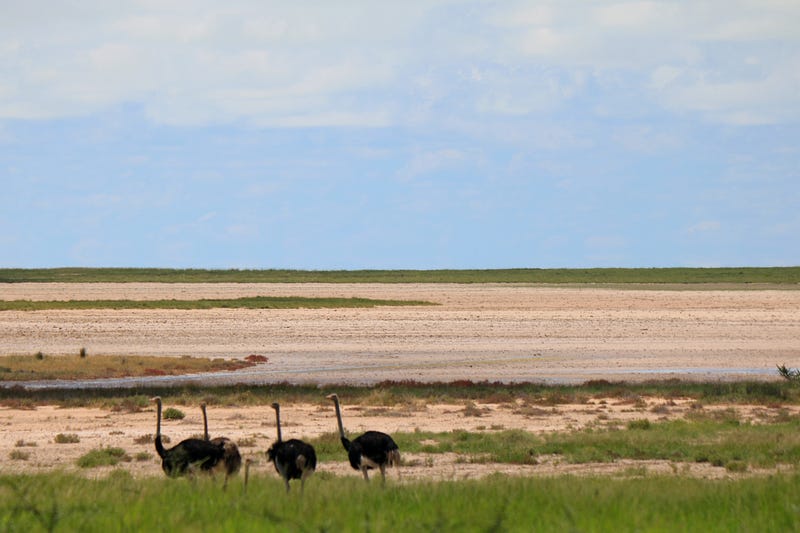
COMMON OSTRICH — Credit: Anne Bonfert

South African Ostrich

The South African ostrich is a subspecies of the common ostrich native in several southern African countries. Running with speeds up to 70km/h it reaches the fastest land speed of a bird.

The common ostrich is farmed around the world, mainly for its meat and eggs but also the feathers get collected.
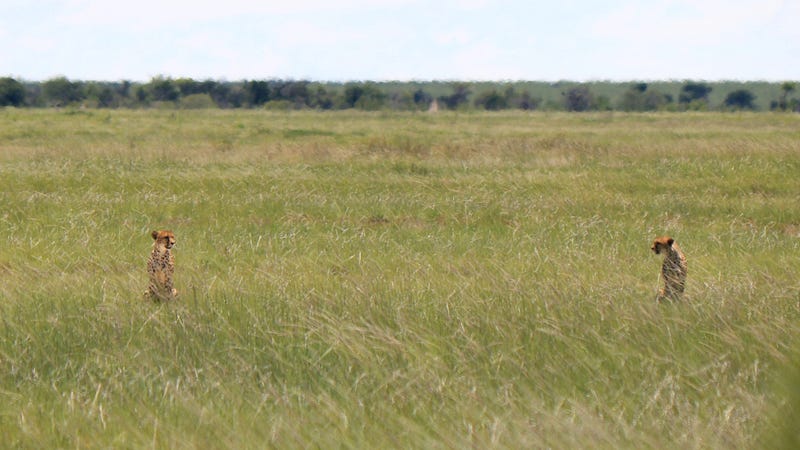
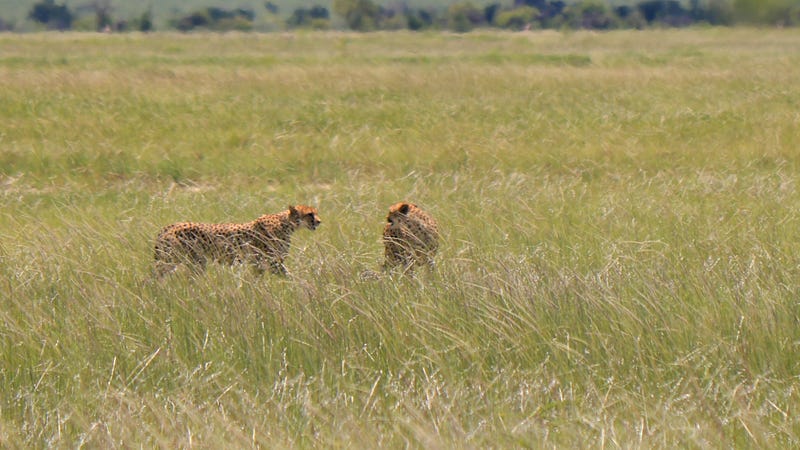
CHEETAH — Credit: Anne Bonfert

Cheetah

The cheetah capital of the world is indeed Namibia with a proud number of 3000 animals living in the country. Part of this is thanks to the effort of the Cheetah Conservation Fund which is quite active in large areas of Namibia.

Something everyone might know already is the fact the cheetah is the fastest land animal with reaching speeds of up to 120 km/h. Due to an unusually large heart and increased lung capacity the animal can increase the circulation of oxygen and therefore speed up from zero to 100km/h in just three seconds.
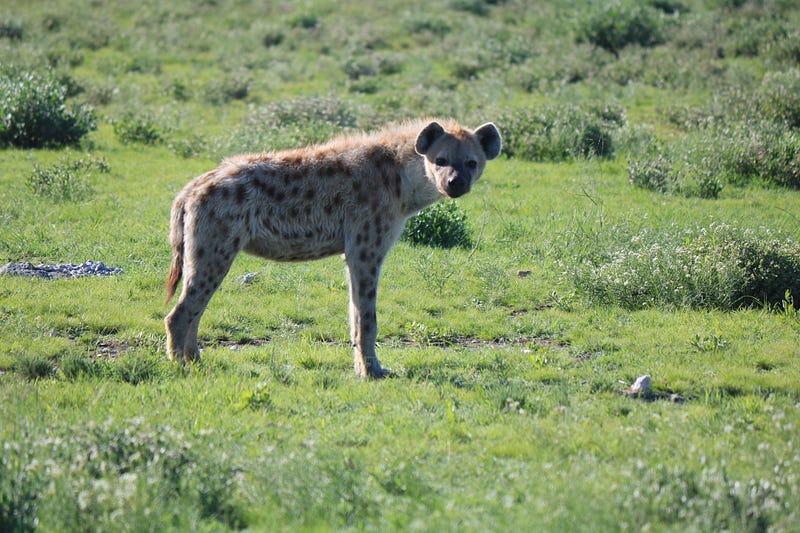
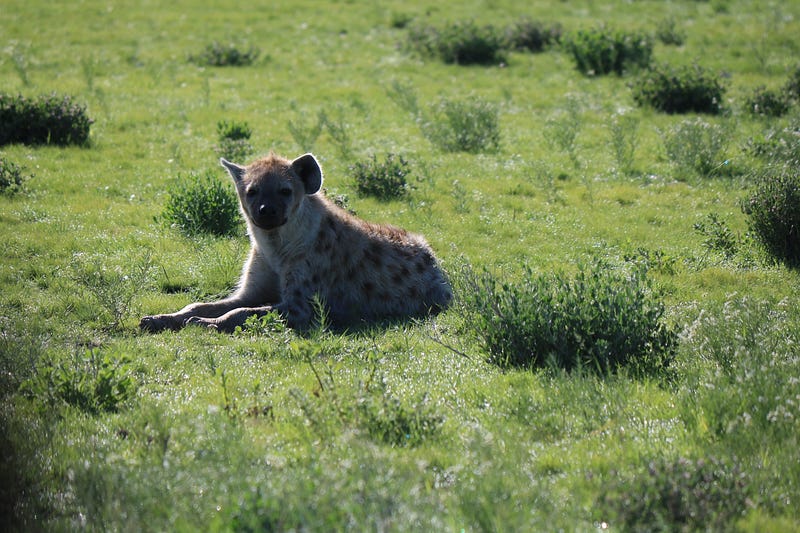
SPOTTED HYENA — Credit: Anne Bonfert

Spotted Hyena

The spotted hyena is native in sub-Saharan Africa with a population of up to 47 000 animals across the countries. Their numbers are declining due to poaching and loss of habitat but they are coping better than other predators.

These animals are living in communities led by females of the herd. The females are larger than males, they dominate them and even have a pseudo-penis.

Hyenas are very successful hunters and scavengers who can digest pretty much any part of the animal including skin and bones. They often run into a herd of animals choosing one of them and taking it down as a team.
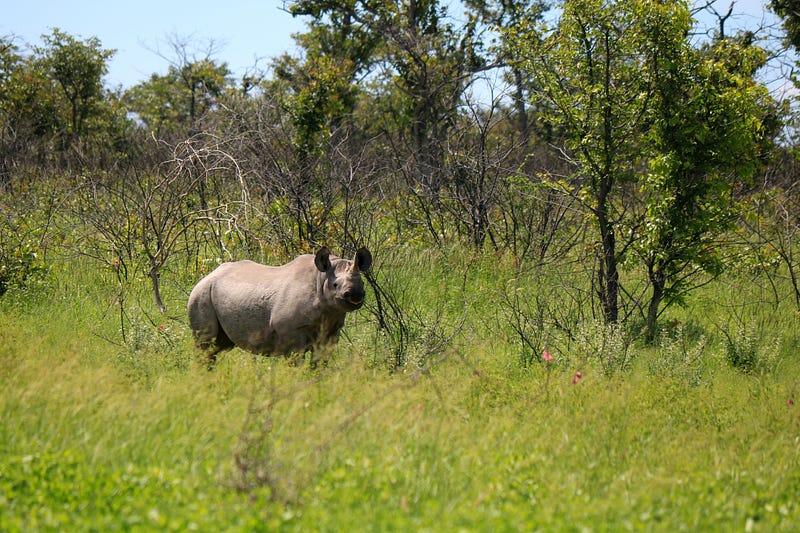
BLACK RHINO — Credit: Anne Bonfert

Black Rhino

Namibia can proudly say it hosts the largest population of black rhinos in the world due to its effort in the fight against poaching. Whenever spotting one everyone should support this movement and not report the location of the sighting. Or not mention the sighting at all.

While the neighboring country of South Africa has huge problems regarding increased numbers of poached rhinos, Namibia is doing everything in order to prevent the same problem from happening here as well.
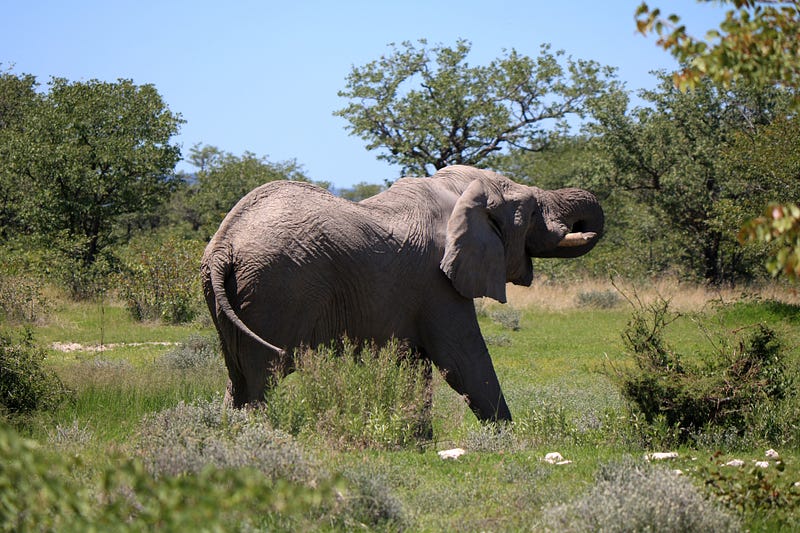
YOUNG ELEPHANT BULL — Credit: Anne Bonfert

African Bush Elephant

The African bush elephant is the largest one of three sub-species and is the largest land animal in the world. They also live longer than most other mammals by reaching up to 70 years on their back.

“Elephant herds are matriarchal, consisting of related females and their young and are led by the eldest female, called the matriarch. Adult male elephants rarely join a herd and often lead a solitary life, only approaching herds for mating. Females give birth to a single calf after a 22 month gestation, the longest gestation period among mammals.” — nature.org

Elephants suck water with their trunk and then shoot it into their mouth which can be seen in the above picture. The young elephant bull was standing at a small water pond which is hidden for us. After he drank enough he was taking more water in the trunk to spray it afterward onto his back. Who wouldn’t want a cooling mist in these temperatures?

I hope you enjoyed this read learning something new about the large variety of African animals to be found in Namibia. If you enjoyed the wildlife shots, have a look at these articles:

More about my wildlife photography…

Join my email list here.

Anne Bonfert is a traveler. Photographer. Writer. Teacher. Skydiving instructor. Adventure enthusiast. Nature lover. And fell in love with the African continent.

Sign up for our newsletter to stay informed with up-to-date curations from our editors:👇

Travel
Wildlife
Nature
Africa
Southern Africa
Recommended from ReadMedium