
Facebook, TikTok and NFTs
TikTok is forging its way to the top — of everything
How in the world did TikTok take over the universe? Each month, I give an orientation brief to our new employees. As the Public Affairs and Operations Security expert, one of the topics I discuss is the growing use of social media. You see, employers want members of the workforce to have options for voicing their grievances other than going directly to social media.
You'd probably think it wouldn’t be necessary to remind adults not to tweet about issues they may have with their boss, a coworker or the work environment (these days, that’s at their home, but stay with me). However, that's just not the case. The first thing people do when they want to express their displeasure with something on the job is to pick-up their handheld device and let the world know exactly what’s going on. I simply try to express to employees that they have better options.
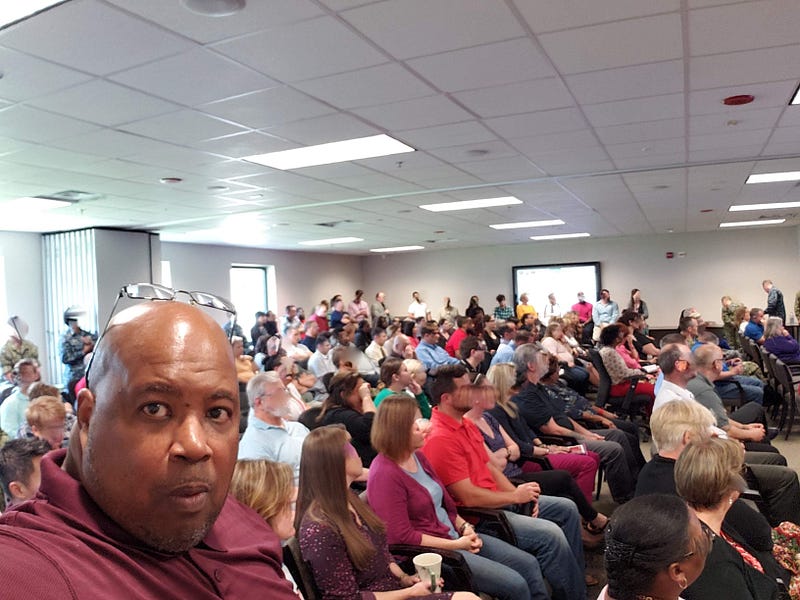
I share with them that they should seek the counsel of their supervisor, a team member or they can even come to me. Then, I gently explain that once they press send on the nasty-grams, those ill thoughts are gone. There are no second chances once it has been sent. And even if they can retract their initial post, once it’s clicked on by any recipient, it cannot be retrieved. Whatever was said is now public record.
Have you ever said something and the moment it left your lips, you wish you hadn't said it? Imagine if 100 million of your closest friends heard it. Invariably, someone will be offended. I am often reminded of when a judge, in a courtroom setting, tells a jury to disregard the testimony they just heard. Once its been spoken, you can’t unhear it. Now, imagine that what you said was critical. You can now visualize the importance of a pregnant pause.

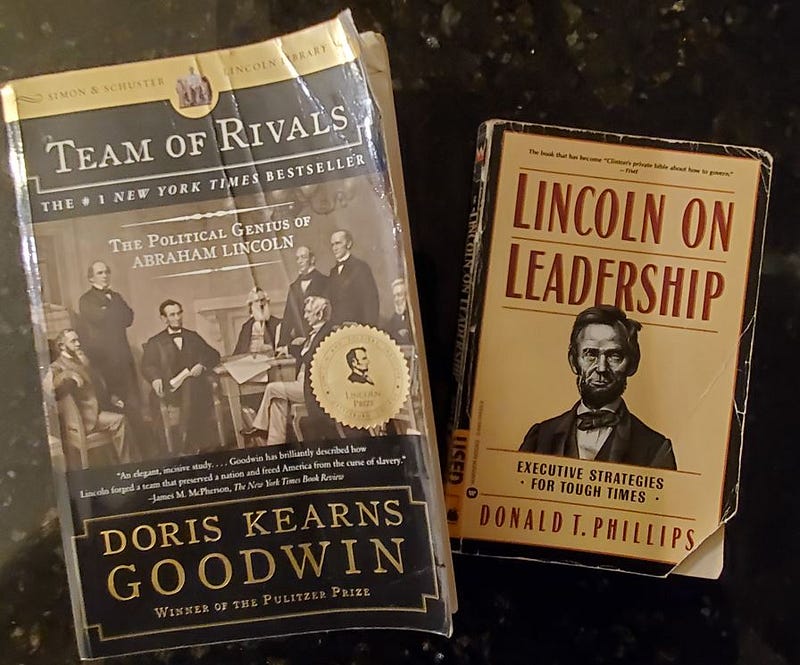
Believe it or not, President Abraham Lincoln had the perfect solution for this type of exercise. At times, he found himself at odds with his generals. When moved enough, he would write them a letter, blasting their inaction or their actions. Once satisfied that he had thoroughly thrashed them, he would sit on the letter.
“Shortly after the Battle of Gettysburg, Abraham Lincoln composed a letter to General George Meade in which he expressed profound disappointment in Meade’s inability to pursue and destroy Robert E. Lee’s army. Lincoln did not send the letter — writing such correspondence and storing it away was a favorite coping mechanism of his.” https://www.battlefields.org/learn/primary-sources/lincolns-unsent-letter-george-meade. They didn’t have TikTok in 1863.
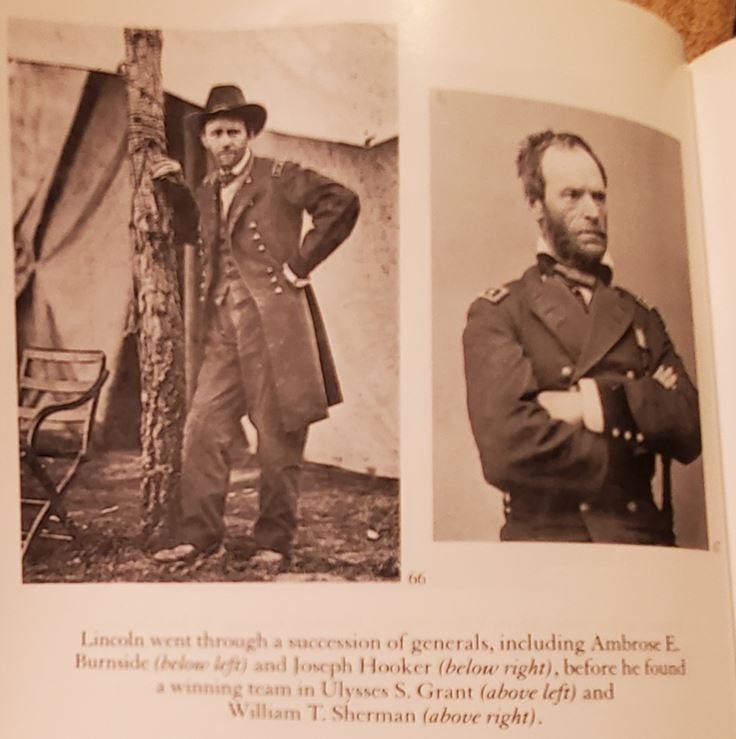
By writing those letters, Lincoln alleviated himself ill feelings. By not sending the letters, that allowed his wayward generals to save face. Some were reprimanded, but many were spared Lincoln’s written wrath. Things are much different today. Facebook and TikTok have led the way in publicizing personal feelings. Today, there's a new electronic kid on the block.
TikTok has nudged its way into the hearts and minds of many users. So much so that Facebook is changing its entire model. How much trouble can you get into in a digital universe? But allow me to correct an inference. Mark Zuckerburg, Facebook’s founder and owner, isn’t changing the company’s name because of TikTok, but the entire landscape of the social stratosphere is on the verge of change.
Electronic money, NFTs, or-non-fungible tokens, are a unique and non-interchangeable unit of data stored on a digital ledger. NFTs can be used to represent easily-reproducible items such as photos, videos, audio and other types of digital files as unique items, and use blockchain technology to establish a verified and public proof of ownership. (Wikipedia). Like I said, electronic money.
This all interconnects in the new and emerging digital society. It’s been reported that Super bowl champion quarterback Tom Brady has requested a portion of his salary be paid in cryptocurrency. Now, let me stop for a moment, because I do not want to twirl into a separate rabbit-hole of a different discussion. I want to make the point that Facebook, TikTok and NFTs are redesigning the electronic landscape and there’s never been a better time to rethink how you communicate, how you bank and how you connect with others. We are on the verge of a new horizon and the TikTokers of the world have a head start.
About the author
Julius Evans has a Master of Arts degree in National Security and Strategic Studies from the U.S. Naval War College, Newport, RI; a Master of Arts degree in Strategic Communication and Leadership from Seton Hall University, South Orange, NJ; a Bachelor of Science degree in Mass Communication and Journalism from City University, Bellevue, WA and an Associate of Arts degree in Liberal Studies from Central Texas College, Killeen, Texas.
Read every story from Julius Evans (and thousands of other writers on Medium). Your membership fee directly supports Julius Evans and other writers you read. You’ll also get full access to every story on Medium.


