
Before Covid-19, I Road-Tripped Across America to Cook With the Nation’s Grandmas
This is what I learned
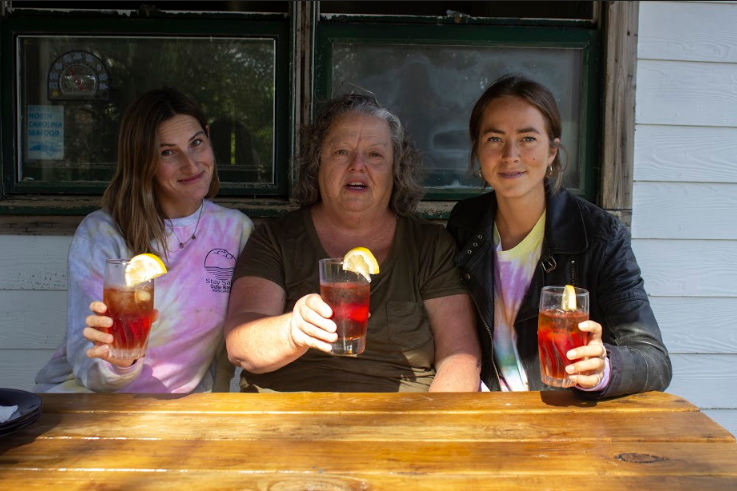
Unsure of what to expect beyond burgers and squelchy macaroni cheese, we set off in our tiny Ford Fiesta, two women with a very specific mission: We were in the U.S. from the U.K. to hunt down grandmothers. More specifically, American grandmothers who can cook.
It’s part of our quest to share stories and recipes of matriarchs in the Grand Dishes cookbook, for which Iska Lupton and I have been traveling the world to uncover the culinary secrets of each nation through its grandmothers’ cooking.
Just before the Covid-19 outbreak, the final leg of our mission culminated in a Great Granny Road Trip through the USA to bust the myth that all food in America is “fast” and not as good as food from Europe. It ended up being a much more revelatory trip, opening our eyes to modern America and its people: People I worry for, in light of world events, knowing what I know now.
The trip began on a crisp winter’s day in New York. Jet-lagged but excited to take in the city, we headed for our first stop, Enoteca Maria in Staten Island. We coasted past the Statue of Liberty and on to our destination, a restaurant that employs only grandmothers to cook up its ever-rotating menu of world cuisine.
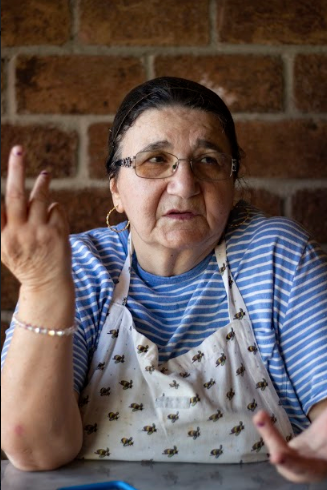
We soon found that Nonna Adelina, a bolshy Italian grandma with plenty of attitude and wild gesticulations, is a permanent fixture at the restaurant. “I moved to New York 40 years ago but I only eat Italian and serve Italian — still,” she punctuated this point with an unexpected slap of the table.
We dined on spinach-and-mascarpone-filled ravioli topped in a thick cream — insanely tasty and exactly what we needed on a cold day. Also at work at Enoteca Maria that day was Hakima, a Moroccan grandmother from Casablanca. On her menu, turmeric-infused chicken and aubergine dip lit up our palates and painted our plates.
The next day, in Brooklyn, we visited Azerbaijani granny Maral for an intense four-hour cook-off in her kitchen. Before we even had a chance to sit down or get properly introduced, she procured a lavash, a sort of bread pocket filled with herbed lamb that resembled a flattened calzone, and demanded we eat before we began cooking.
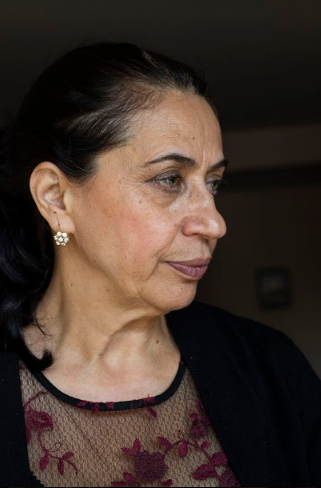
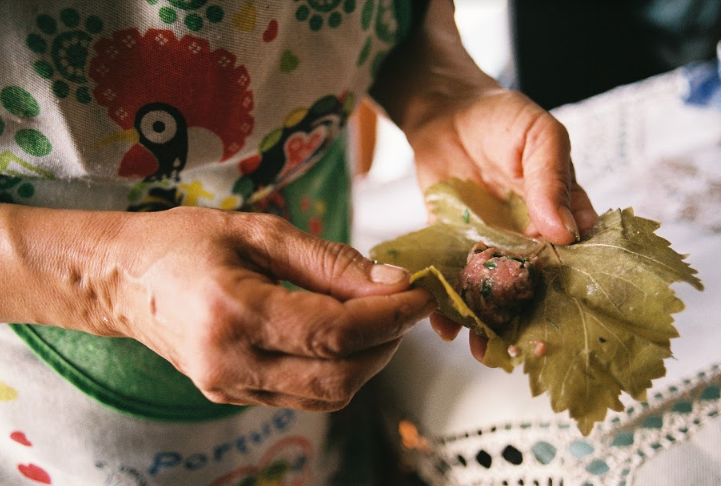
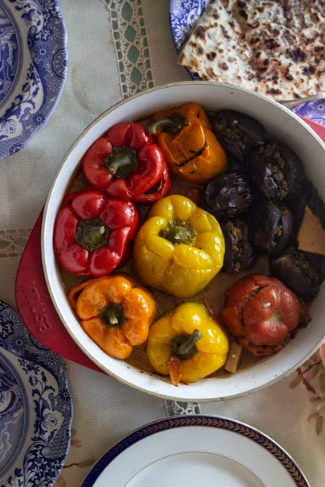
A picture of Azerbaijani hospitality, grandmother Maral kept the herbal tea flowing and danced around the kitchen for hours — chopping, blending, curing, and shaping until we had a table laden with dolma, stuffed peppers, stuffed tomatoes, homemade bread, and crab salad. It was far too much food for three women but somehow, we managed.
Out in the cool air of Brooklyn, we passed Chinese groceries for miles and stewed on the idea that New York might be an ideal picture of America — a mixing and melting of influences from all over the world.
The American South
The same can’t be said for coastal North Carolina, but we were thankful for the sea breeze of the Outer Banks and the cinematic dunes (between gun and ammo stores) en route to finding grandmother Sharon on Hatteras Island.
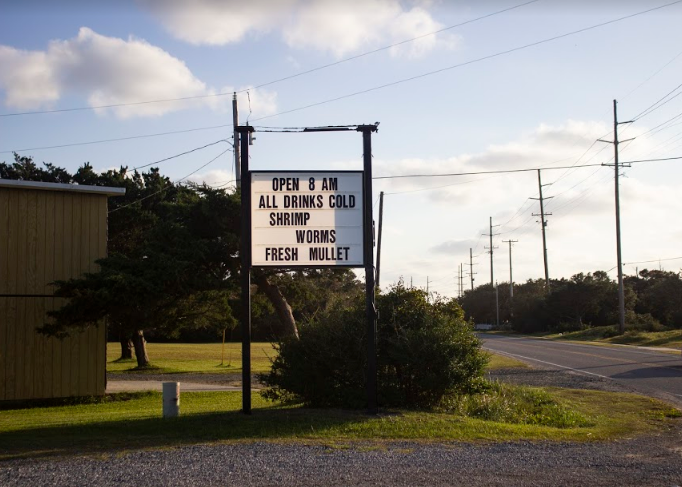
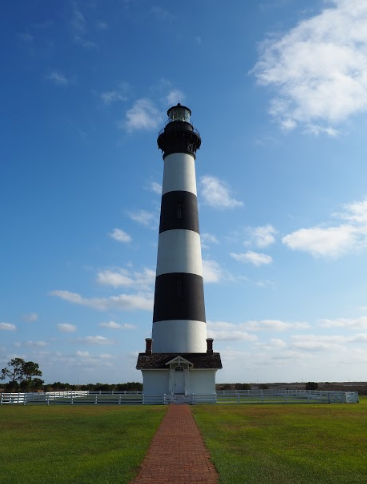
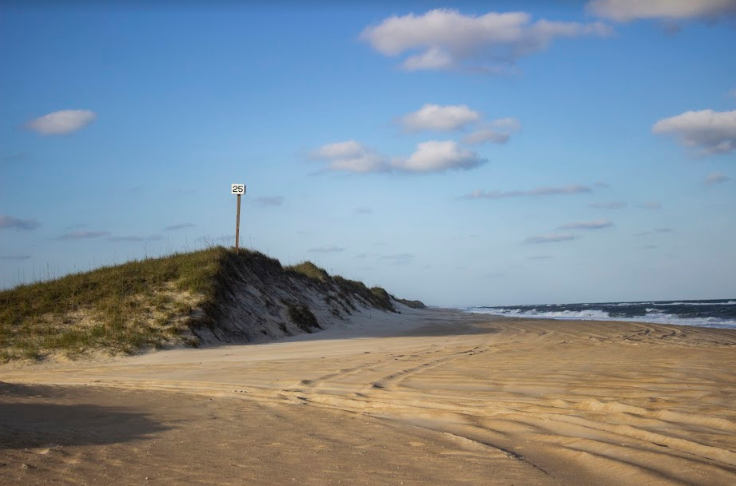
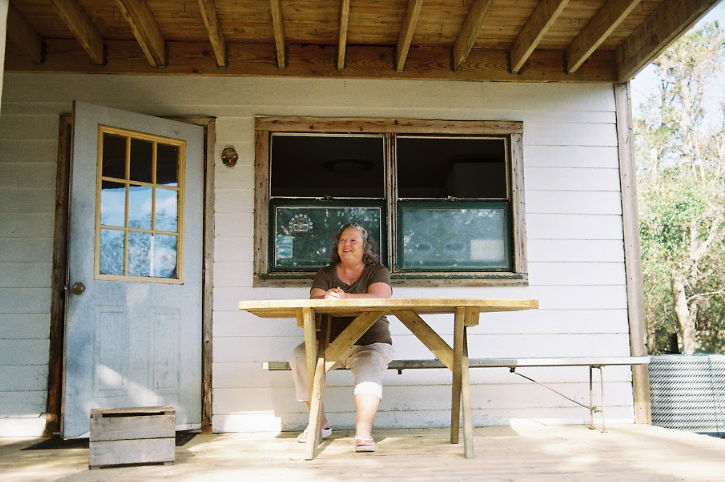
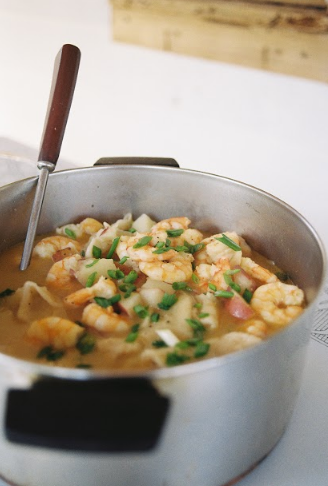
When we arrived, Sharon was waiting for us with sweet tea on her porch. She assured us that the Outer Banks region is known for its fresh and tasty seafood. “Growing up around here, it was either fish or fowl. I can count on one hand the number of burgers I have ever eaten in my life,” she said. She taught us how to make stewed shrimp and bread pie that day.
Thrashed by hurricanes annually, the people of the Outer Banks of North Carolina are well-versed in stocking up ahead of the storms. “We make sure we always have a full bag of potatoes and a gas heater and we’re good to go in the face of any hurricane,” said Sharon. Her shrimp stew was packed with hearty potatoes and a dense bread pie dough, just the ticket for a few days trapped inside while a hurricane rages.
While Sharon regaled us with fish and shrimp caught fresh that day, she also took us out to Diamond Shoals, where hundreds of Trump supporters had descended with their 4x4s for a weekend of competitive fishing. “They’ve pushed the local fishermen out. Instead, we have these guys out here comparing the size of their rods and crushing what is left of that industry,” she told us.
As we drove off over the sand, more monster trucks were headed in the direction of the already packed coastline, Trump flags billowing in the breeze. It was quite a sight for two English women used to the British perception of the president as a complete clown.
“They’re all clowns; they’ve watched too many Mel Gibson movies,” Sharon told us, restoring our faith in humanity.
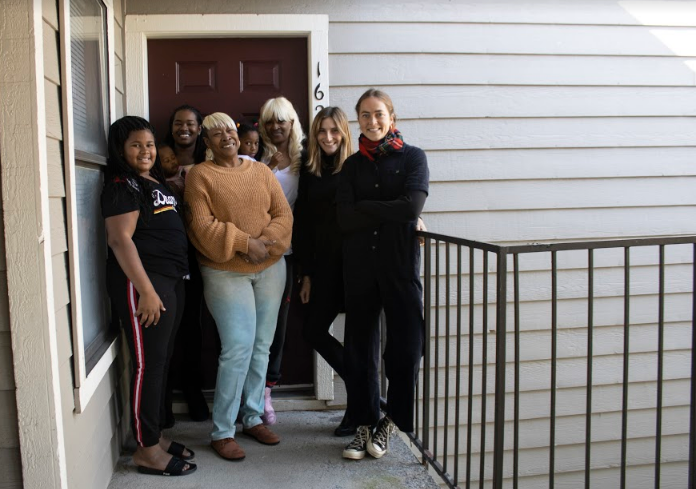
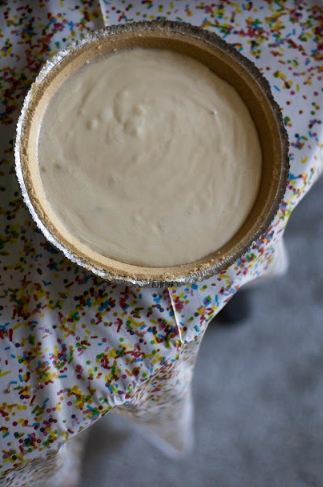
In Nashville, Tennessee, we were treated to something sweet. Darcelle, a very young great-grandmother (only just into her 60s) made us a lemon icebox pie.
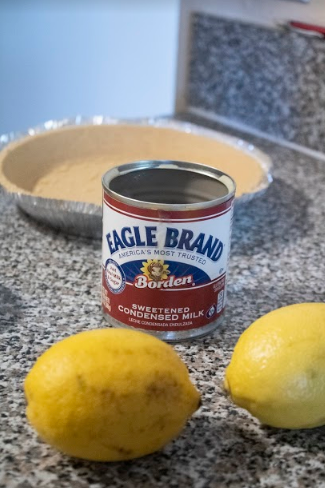
We expected to be rolling out pastry dough as we learned to do with our own grannies — a long, tricky process. Instead, Darcelle’s pie involved a shop-bought graham cracker base and the whipping of some condensed milk with six lemons. For a busy grandmother (a busy anyone, for that matter) this quick-fix solution is a means to making a tasty dessert in no time at all.
“It’s easy to make — which, I daresay is a very American thing in cooking: convenience,” Darcelle said as grandchildren popped in and out of various rooms in the tiny apartment. It was ready in 20 minutes. Traditional in the hazy heat of the Southern states, lemon icebox pie requires no baking. It conveniently sets in the fridge (or icebox, before most households could afford refrigeration).
We had a different interpretation than Darcelle of what “from scratch” means, but the experience with this particular grandma really brought it home that not everyone can afford to spend a fortune on ingredients to make a dish.
Our cookbook touts the importance of slow food and celebrating the process of cooking as our grandmothers once did, but we never really took into consideration that this may not be possible for people with a different socioeconomic background to our own. In spite of being made on a budget, Darcelle’s condensed milk, lemon, and sugar filling made for a tart dessert that’s undeniably delicious.
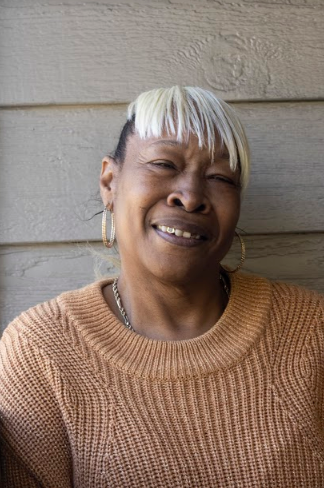
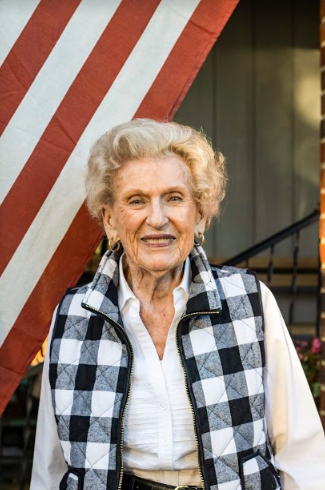
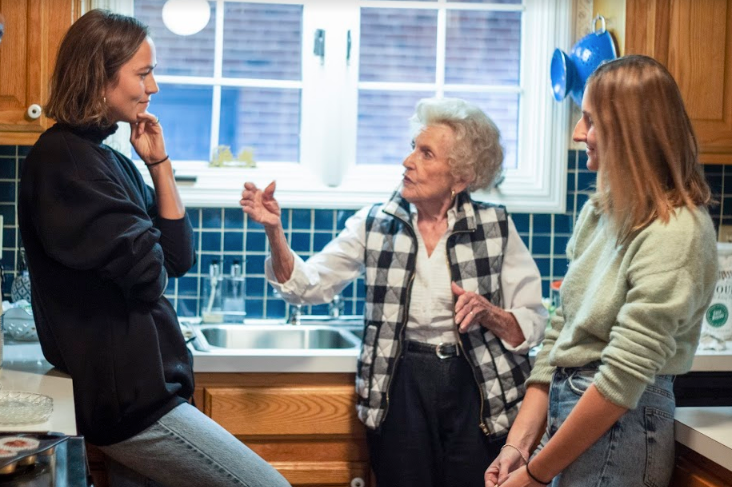
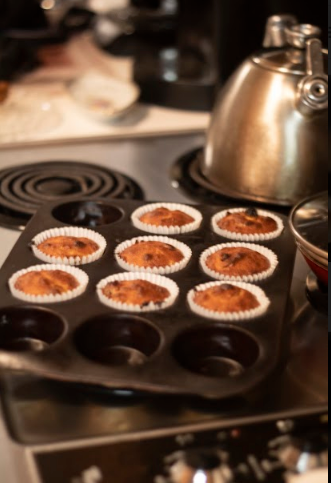
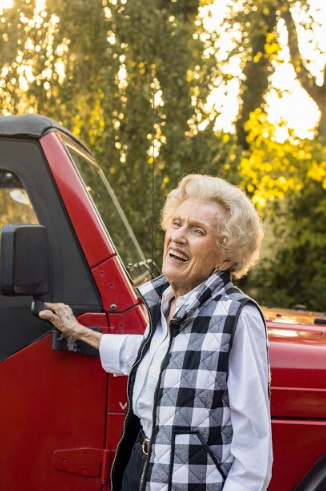
Next up was Westelle, a 92-year-old lady that welcomed us from behind a billowing American flag on her porch in Shelbyville, Tennessee. She prepared bran muffins for us and tipped an entire box of Raisin Bran into her batter — the mixing bowl enormous next to such a teeny, frail frame.
In her kitchen, an enormous fridge offered yet another insight into how super-sized Americans like just about everything. She found our surprise at the gargantuan refrigerator hilarious. “Ain’t you girls precious?” she giggled, girlishly. Over whipping together flour, buttermilk, sugar, and cranberries, we fell in love with her.
“I have always cooked and I don’t see any sense in stopping just because I’m old and on my own. Yesterday morning I had bacon and toast and some scrambled egg. I eat really well. I believe in having proteins and even though I live by myself, I eat very well. I may be in my 90s but I have a chicken in the crockpot right now,” she told us.
I couldn’t help but notice the stark contrast between Darcelle’s tiny apartment and Westelle’s enormous condo, with its fridge for giants and shiny new red car parked out front. The comparison was enough to make us feel uncomfortable and reinforced the economic disparity in communities around the U.S.
Perhaps the class divide is such that only one cross-section of America is afforded the luxury of eating well.
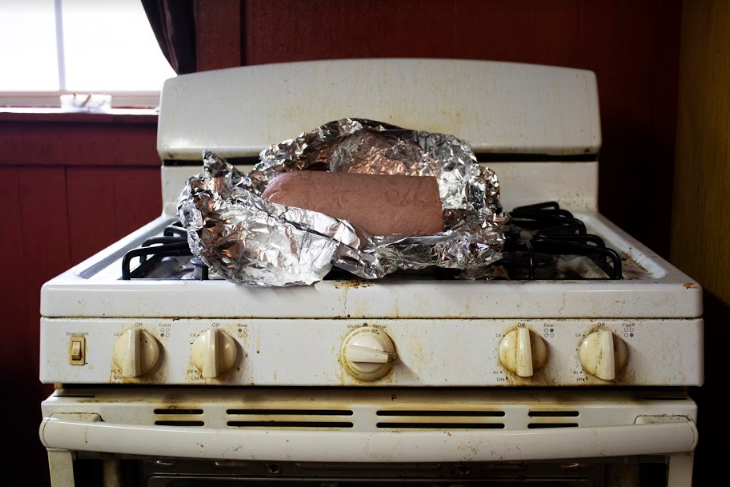
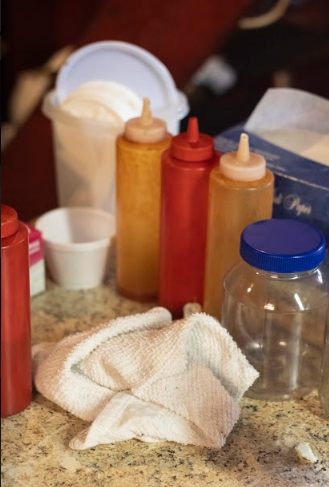
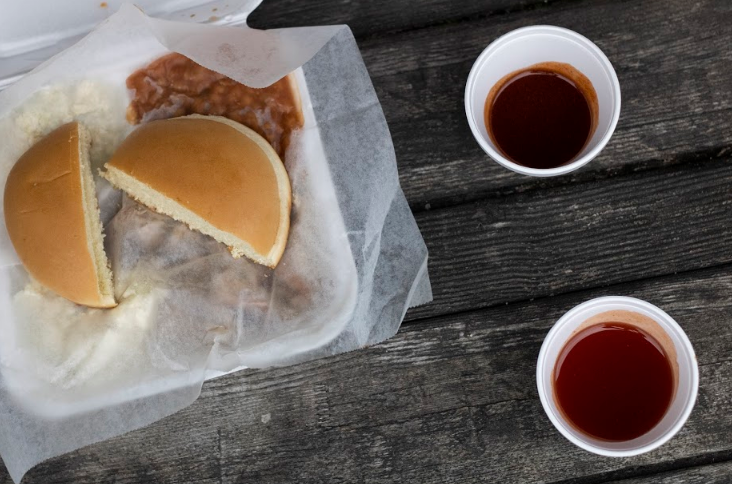
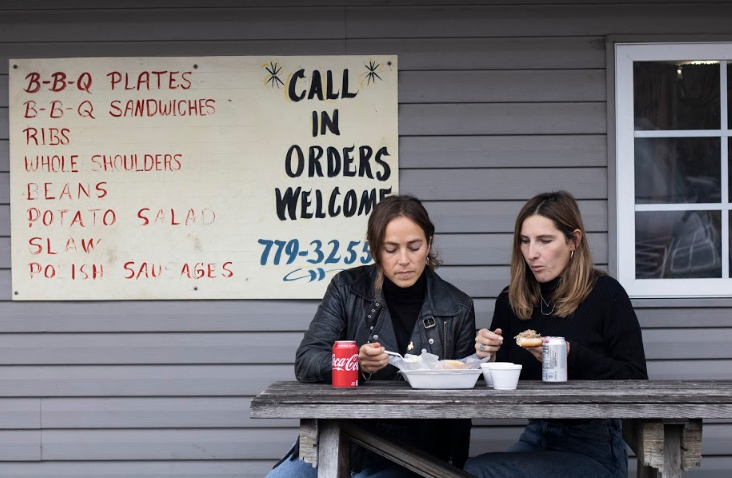
We had one more stop in Tennessee, at grandmother Helen’s Bar-B-Q shack, where we witnessed oversized teenagers wolf down pink bologna sandwiches slathered in syrupy barbecue sauce. This wasn’t exactly home cooking, but we’re glad we went.
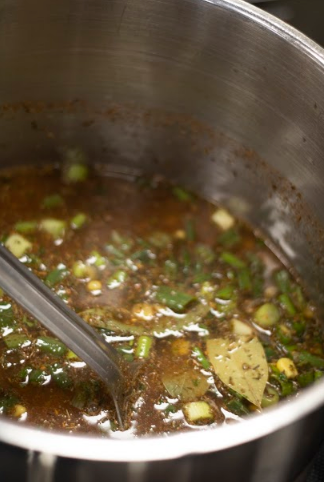
A few hours away in New Orleans, our taste buds were set alight and we rejoiced in spices and punchy flavors. With grandmothers Anne and Harriet — NOLA natives — we made a crab bisque from rich cayenne spices and thick, indulgent cream.
“New Orleans takes influence from the French, the Spanish, and West Africa, so our flavors really hit you over the head here in Louisiana,” said Harriet, generously adding cayenne spice mix into an elegant roux. Harriet is right. The soup, which otherwise would be quite French in essence, had a serious kick to it.
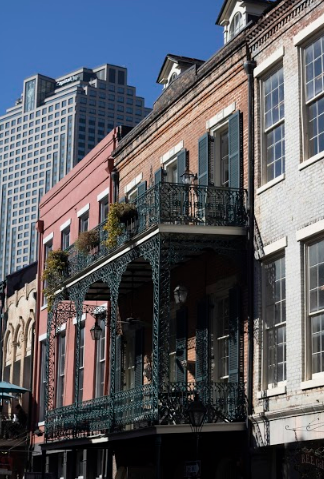
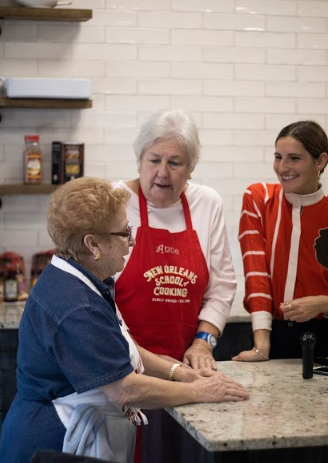
“Our city’s the kind of place you’re eating lunch and wondering what you’re going to be making for dinner. You’ll be in a line at the store and start talking to the stranger next to you about what you’re going to cook with what you’re buying,” 74-year-old Anne told us, and we were buoyed by that thought.
‘Our city’s the kind of place you’re eating lunch and wondering what you’re going to be making for dinner.’
In America, the racial divide is inescapable, even in a heritage-rich, culture-swapping city like New Orleans. Coming from multicultural London, I’ve never experienced a tension like it.
Leaving Lousiana, through wild swampland and miles of farmland dotted with characteristic red barns stacked with hay bales, we stopped off at Old Thyme Grocery in Lafayette for a po’boy — as instructed by grandma Anne.
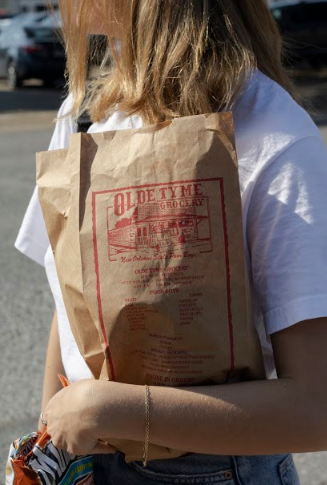
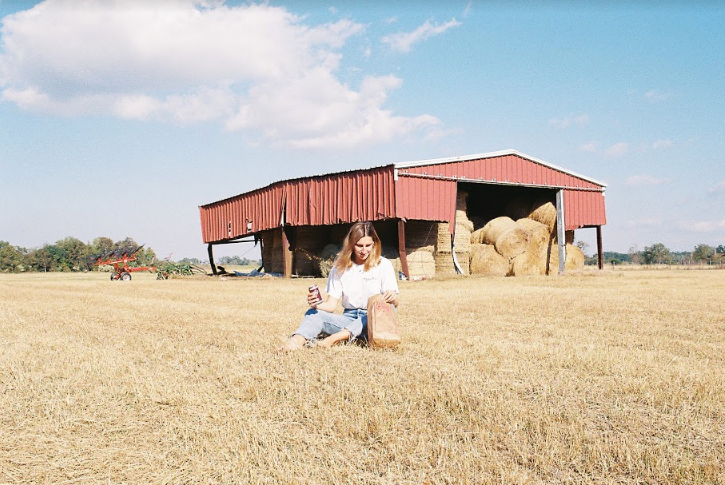
Typical to Louisiana, the po’boy is a hefty sub of a sandwich traditionally filled with fried oysters, shrimp, and salad. We ate ours in a field under the hot sun, contemplating its origins. In the 1920s, these sandwiches were given out free to workers (poor boys) on strike. Hearty, wholesome, and drool-inducingly good, it made sense that this would be the enduring fast-food of Louisiana. I questioned why anyone would bother with McDonald's, having sampled one of these.
The Lone Star State
We were still thinking about that sandwich as we arrived in Texas, land of insanely good meat.
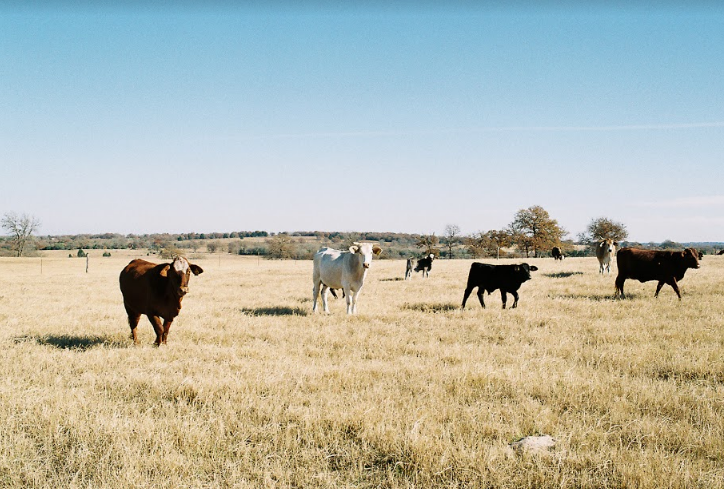
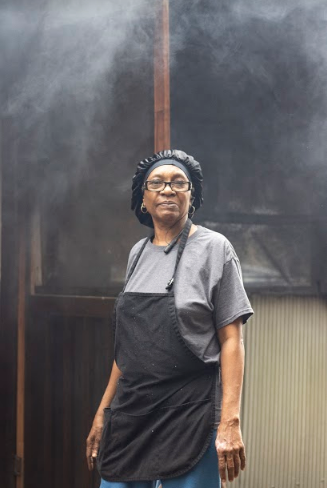
There, we drove through lush fields dotted with cattle to small-town Lexington, where 84-year-old Tootsie, an award-winning pitmaster, had been up since 2 a.m. smoking beef brisket over hot coals.
“I get here early to get these here pits going because everyone starts showing up here for their meat come 9 a.m.,” Tootsie told us. Snow’s BBQ has been her place of employment for over 15 years now and, thanks to her, it draws in crowds of people from all over Texas to try her mouthwatering brisket.
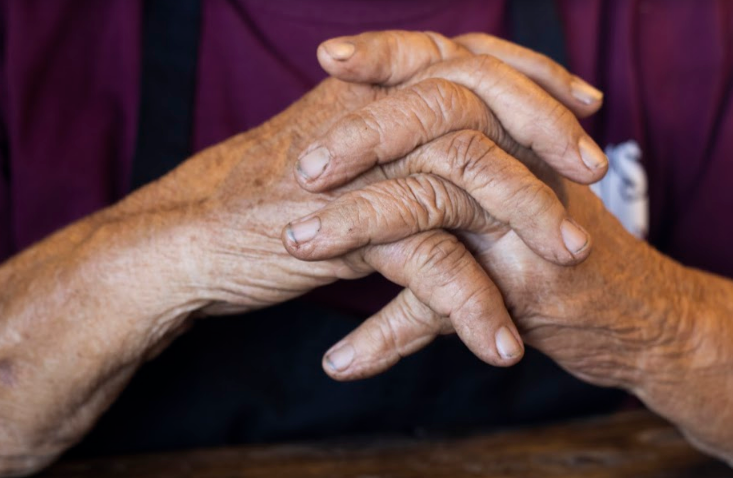
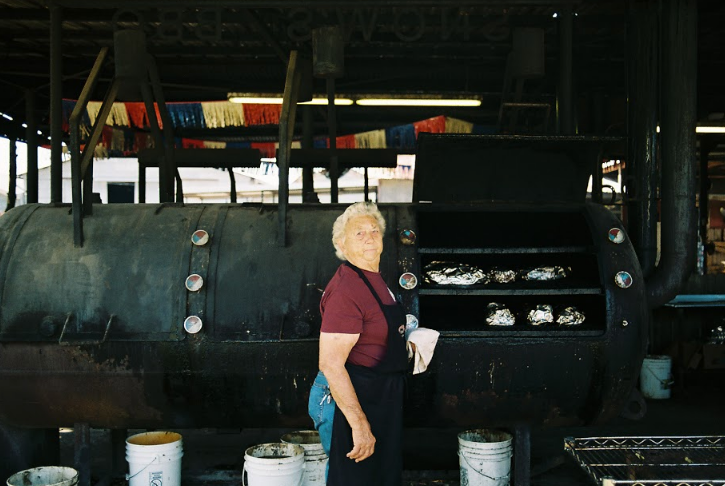
It was only 10 a.m. when we tried it with a side of homemade baked beans and simple sliced white bread. The smoke-infused meat was so soft it melted, and we asked for seconds because we knew we’d never eat barbecue like that again.
Minutes away from the best barbecue in all of Texas, fast-food drive-ins line the highway. Why? Convenience. It’s a word that plagued the entire trip. That and supersize: Cars, fridges, meals — everything was bigger, and if not bigger, bolder and wackier, in America.
Finally, we hit California and not a day too soon. After the creamy, meaty indulgence that had been a four-week trip across the Southern states, we were ready for LA activist/photographer grandma Tish’s Californian Rainbow Salad.
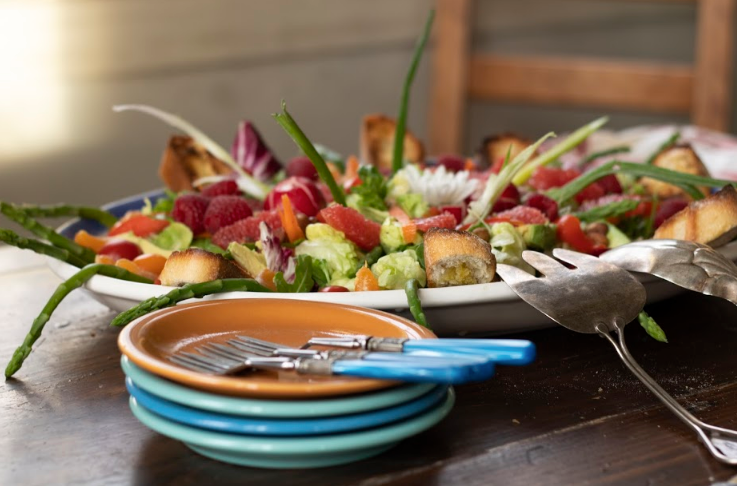
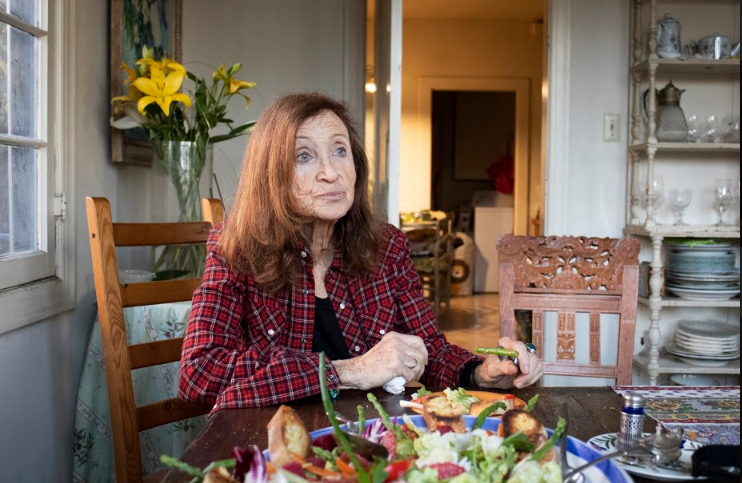
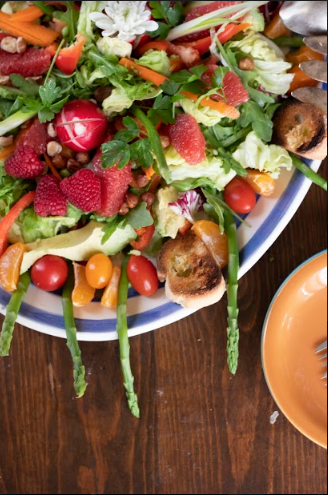
Every bit of green we’d been deprived of on our road trip, this salad made up for. It included no fewer than 20 ingredients, including asparagus, lettuce, rocket, radish, avocado, cherry tomatoes, red peppers, grapefruit, raspberries, clementine, peas, hazelnuts, parsley, and edible flowers.
“This really is Los Angeles on a plate,” said Tish, who once was a debutante with Tricia Nixon, is obsessed with farmers markets, and eats only organic fruit and vegetables.
This experience came after a run-in on Skid Row, ironically, with a pair of grannies who chased us down the street yelling after us. While Tish can enjoy organic fruit and veg, others root LA’s trash for whatever they can find. We crossed blocks upon blocks of homeless people, which left a very different impression of Los Angeles than that of Tish’s salad.
I write this in the aftermath, knowing that the inequality that we were witness to is now being played out for the world to see. The holes in the U.S. health, education, and welfare systems are gaping.
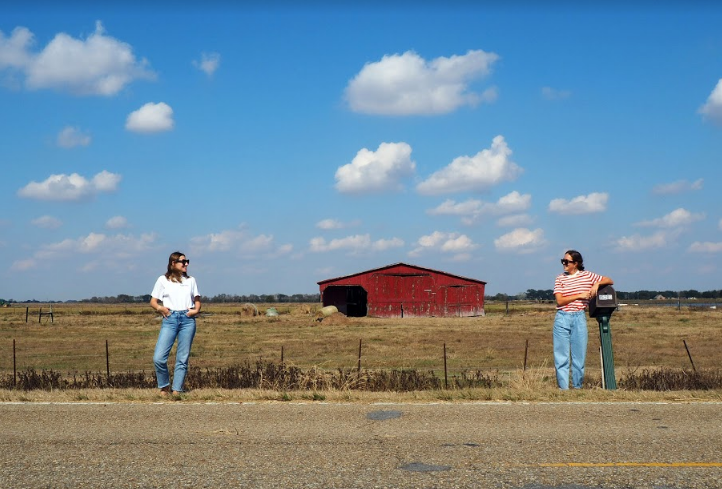
We left England for America on a mission to uncover what the nation’s food might say about its people. What we found was a country of excess that does not provide for everyone. We were welcomed into the homes of people that we saw plainly would not welcome each other. We probably learned and understood more about the class divide in the U.S. than we did about biscuits and shrimp and grits.
We left England for America on a mission to uncover what the nation’s food might say about its people. What we found was a country of excess that does not provide for everyone.
From skyscraping cities to lighthouse-dotted dunes and seemingly endless swamplands, we tasted our way through a nation that baffled and bewildered us — our safety net being the warm embraces, hot kitchens, and simmering stoves of America’s amazing cooking grannies. I can only hope that they each survive this.


