
Seven Immense Privileges of The Modern World
It is easy to forget that our pre-industrialised ancestors did not have these privileges

The world has advanced so much technologically over the last two hundred years or so, it is very easy to forget the sheer level of privilege that those living in the modern world, especially Western countries, have over our pre-industrialised ancestors.
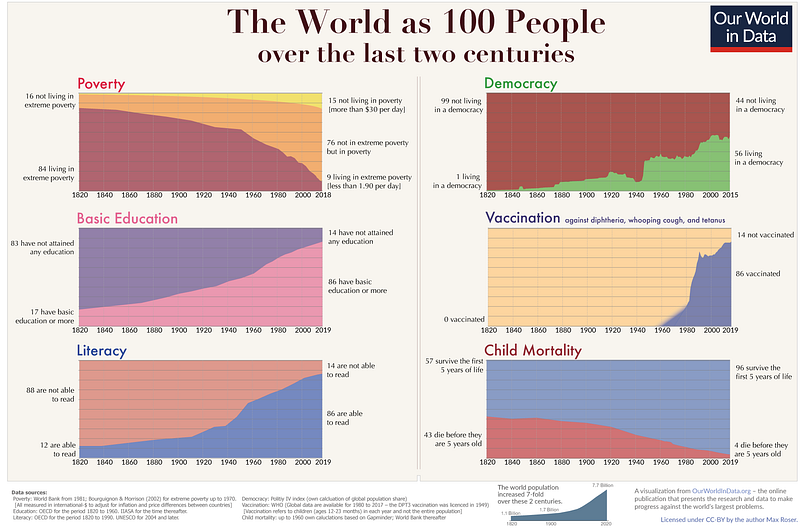
With this in mind, I thought it would be interesting to write a post highlighting some of those immense privileges. These are seven privileges that the average westerner has that our ancestors did not.
The ability to walk the streets with relative safety
Not only are the majority of roads and pavements that exist in the Western world today modern builds, but the streetlamps, CCTV cameras, and the modern style police forces which make them safe are also very much modern creations.
Two hundred years ago, so before the industrial revolution, it did not matter whether you were male or female, walking anywhere outside the realms of your small rural community was fraught with danger.
So if you live in a Western nation and think it is dangerous to go for a walk somewhere today, consider the fact that it is many times over safer today than it was prior to the Industrial Revolution.
Meaning every time you step outside your house and walk somewhere, even just to the shops, you are utilising an immense privilege that few humans prior to the industrial revolution have ever had, which is the knowledge that it is relatively safe to go for that walk.
Note: To further drive home this point in many nations around the world it is still highly dangerous to go for a walk.
The ability to travel both short and long distances with relative ease
Imagine living in a world where it is unlikely you will ever see anyone or anywhere outside the small rural community in which you live, which probably amounts to about thirty or forty people. That is the world that the majority of people lived in prior to the Industrial Revolution.
Without access to cars and vast road networks and trains and planes, even travelling short distances takes a lot of time.
Two hundred years back that other village, which was just thirty miles away, even if you had a horse and you pushed it, it would probably take you three or more hours to reach. If you didn’t have a horse, it would probably take you six or seven hours to reach.
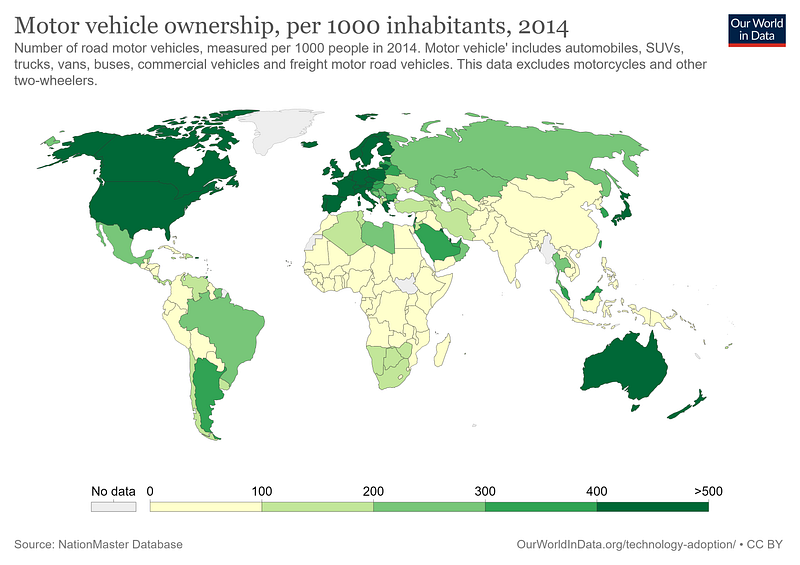
So next time you jump on a bus or use the car, or any other form of modern transport, or even if you just use a pedal bike, remember how immensely privileged you are to be able to use these mediums because without them it would be a challenge venturing even a short distance from your place of living.
Note: many people around the world due to living in places that have poor infrastructure and transport networks, still experience these difficulties even today.
The opportunity to have holidays/vacations
Prior to the invention of the steam train holidays pretty much did not happen outside the realms of the rich, but even the rich didn’t really start going on them until the 17th-century. Prior to that a vacation more often than not simply meant there was no work to do, and the super-rich would normally use that time as an excuse to go to their summer home, while the non-super rich would more often than not look for more work to do.
So vacations — a custom which William the Conqueror came up with about a thousand years ago — were an aristocracy thing, and in truth up until the 1980s they pretty much remained the reservation of the well off.
Today things are different, especially in the western world, with even working-class citizens in the UK for example frequently going away once or twice a year, and that is not including short breaks.
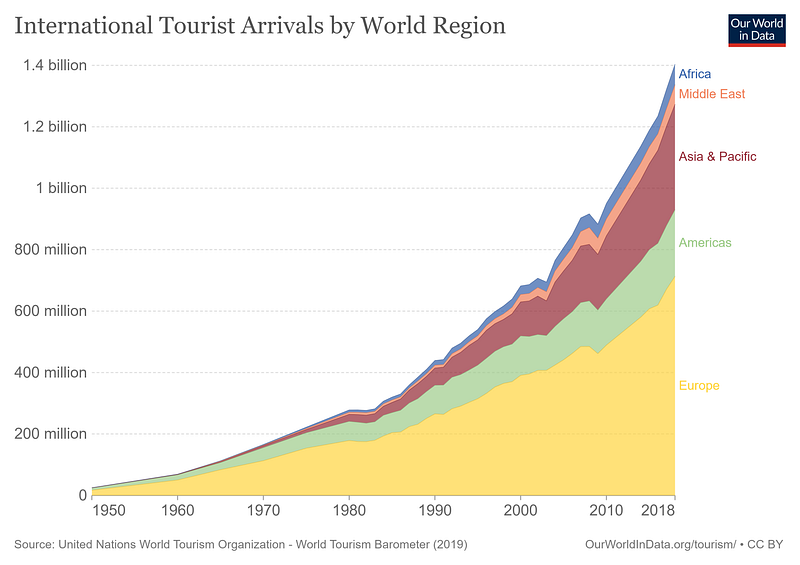
So every time you go on a vacation anywhere, even just a short trip, remember how much of a modern privilege it is to be able to do that, and remember that many people even today still don’t have that privilege.
Note: the more we fight to end poverty and level the world up, the more people that will be able to one day experience the joys of a vacation. And considering it’s been shown that exploring other cultures boosts people’s tolerance of those from other cultures, fighting to give people the chance to go on holiday is something worth fighting for.
An interconnected society
For hundreds of thousands of years our dependency on each other has grown, albeit slowly, but over the last two hundred years it has exploded. That is why we as humans today are the least independent in history and by a country mile, and that is a very good thing because paradoxically the less independent we become the more freedoms we all get.
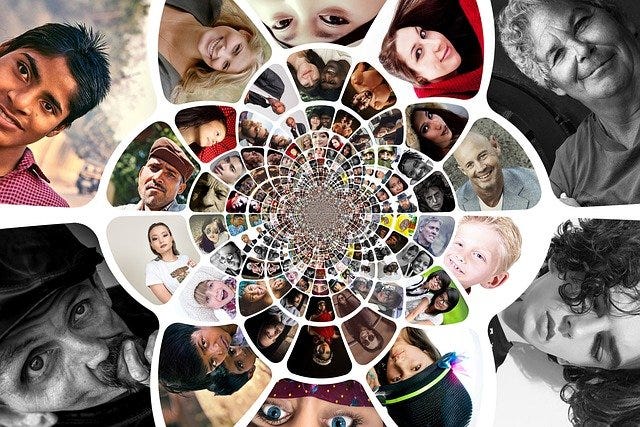
For example, look at the world around you, some people specialise by joining the police force, some by joining the military, some by working on infrastructure projects, others as builders, as accountants, as supermarket workers, as farmers, as engineers, as teachers, as health workers and on and on and on I could go.
Imagine if society did not operate in this manner, imagine instead if you had to be able to do everything yourself, be your own police force, your own military, imagine you had to source your own food and water, and not from a supermarket or tap, if we did not work for each other there would be no supermarkets or running water taps. There wouldn’t be anything, because we would still be just like apes and other primates — who have not worked out the power of working for each other rather than just with each other.
By all of us agreeing to work together as an interconnected society, to work for each other rather than just with each other, we are all given the privilege of being able to reap the benefits of each other’s work, and by being able to reap the benefits of each other’s work, we all gain immense privilege.
So any time you see anyone doing any job, whether that be working on a farm, in a supermarket, wherever, remember, the reason you are not having to do that job is because someone else is willing to do it for you. That is one of the most immense privileges we, as humans, have.
Oral sex and masturbation
Ever heard people snap at you “Don’t put your hands down there”, this reaction is not for the reason you think, historically due to poor hygiene putting your hands down there and then touching your mouth could have made you sick, which is why we have evolved to say don’t do that it is icky.
The reason why it could have made you sick is as follows, access to soap, bathing facilities that you can access more than once or twice a month, toilet paper, disinfectant and other cleaning products, clean water even, easy access to all of these are modern privileges.
To put this into context, imagine putting your head between someone’s legs who hasn’t cleaned for a month, does not have access to toilet paper, and works a hard labour job so is likely to have been extremely sweaty over the last month or so on a daily basis. Even worse, imagine eating food which has been prepared by someone who has masturbated just recently but does not have access to cleaning facilities.
A friend of mine who works as a historian told me that some believe that a society’s acceptance or rejection of masturbation has been heavily linked to how good that society’s hygiene practices were. For example, during Victorian times hygiene was so poor that touching your nether regions would be tantamount to washing your hands in sewage water.
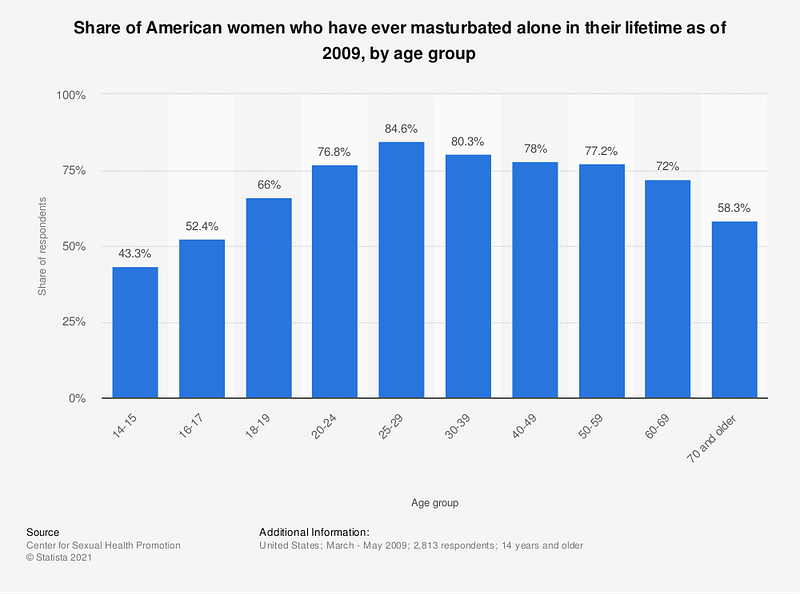
So, every time you self-pleasure yourself or give or receive oral sex, remember that you are immensely privileged to be able to do that, at least with the frequency that we are able to. Because without that running water tap in your house, that soap, that toilet paper and all the other modern hygiene products, the last thing you would want to be touching, especially with your lips, is your own or someone else’s nether regions.
The welfare state and charities
Imagine losing your job but having no state aid to fall back on, imagine losing your home but having no state aid to fall back on, imagine getting sick but having no state aid to fall back on. That is what the world has been like for the entirety of human history up until the twentieth century — in many nations around the world it still is that way — so any welfare you get is very much a modern world privilege.
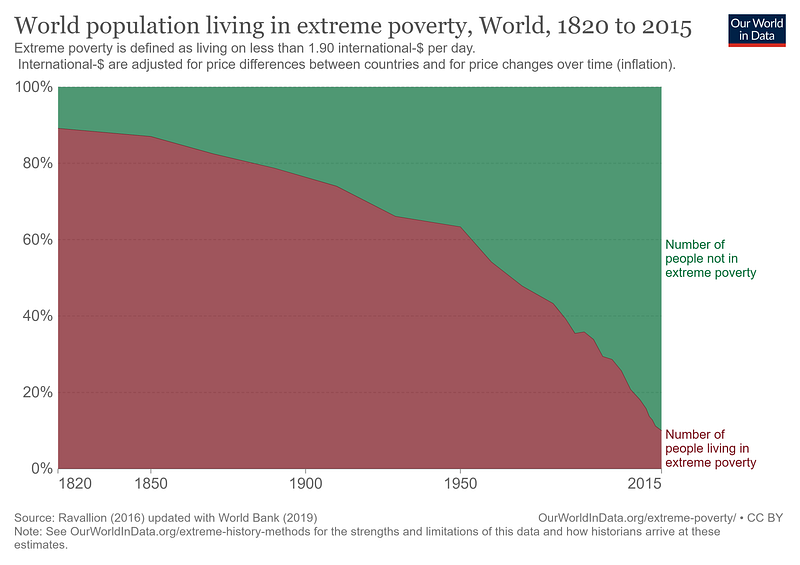
That’s not to say that the welfare systems nations have in place are any good, people are welcome to make their own opinion on that, and this post is not about how good or bad the welfare systems are. But one thing is indisputable, they are better than they have ever been mainly because in the past they did not exist, meaning rather paradoxically even having access to food banks is a modern world privilege that pre-industrialised people did not have.
Again, this is not a discussion about the rights or wrongs of people in this day and age — especially in the Western world — requiring to use food banks, but it is inescapable that compared to history, even food banks are an immense privilege. In the past, if you could not afford food, you starved and that was that.
So, any state aid that you get or have received, any support from charities whether that be through food banks, shelters, whatever, we in the modern world when compared to the pre-industrialised world are highly privileged to get that aid and support.
Note: I would never say that anyone should be thankful that they have had to use a food bank, but the fact that we have come on so much in the last couple of hundred years that we can rightly say that it is an outrage that people should ever need to use a food bank, shows you how far we have come as a people. Hopefully one day we are able to finally get over the line and end food poverty once and for all.
The ability to say that no parent should ever have to outlive their child
Ever heard the line that no parent should ever have to outlive their child? I’m sure the majority of people have, but it’s amazing how many don’t realise that that statement is very much a modern world privilege.
Forgetting even viruses and cancers and all the other things that the healthcare and hygiene industries save us from on a daily basis, a person could die simply from getting a cut on their leg.
Yes, you read that right. Without access to clean water, antibacterial creams, antiseptics, antibiotics and much more, that innocuous little cut could get infected and kill you. That means if your child got a small innocuous cut, it genuinely could have led to their death, as could have a lot of other things.
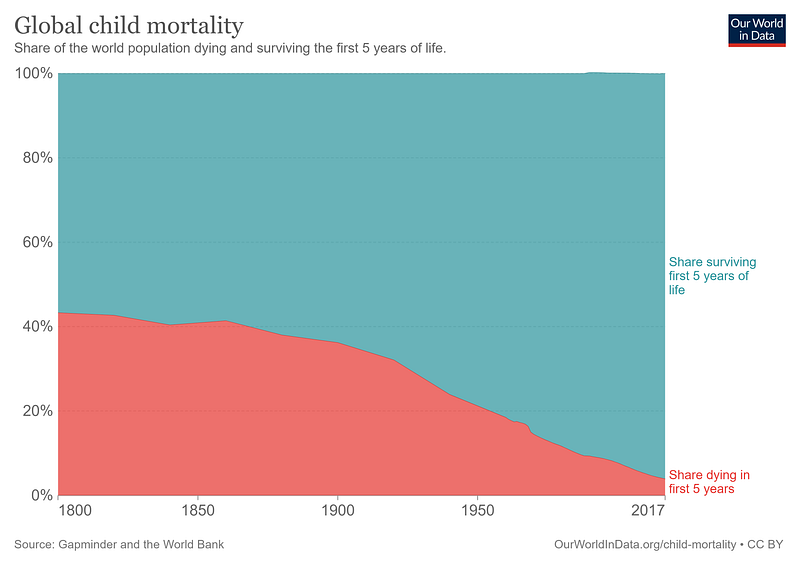
This is why prior to the Industrial Revolution and all the advances in health care and hygiene that came with it, Our World in Data highlights that the average child mortality rate was 45 percent, and at times throughout history in some societies it is believed to have been as high as 70 percent.
That means for a husband-and-wife to produce two or three children who would reach adulthood, historically a woman would need to have on average between seven and ten successful pregnancies.
Think about that, prior to the Industrial Revolution for the human race to survive every woman needed to have between seven and ten successful pregnancies — that’s not including stillbirths and miscarriages. And that is because on average three or four of those children would die before the age of five, and four or five of them would die before the age of fifteen, and at times in some societies it has been as high as 70 percent meaning if you had ten children you would expect seven of them to die before they reached fifteen.
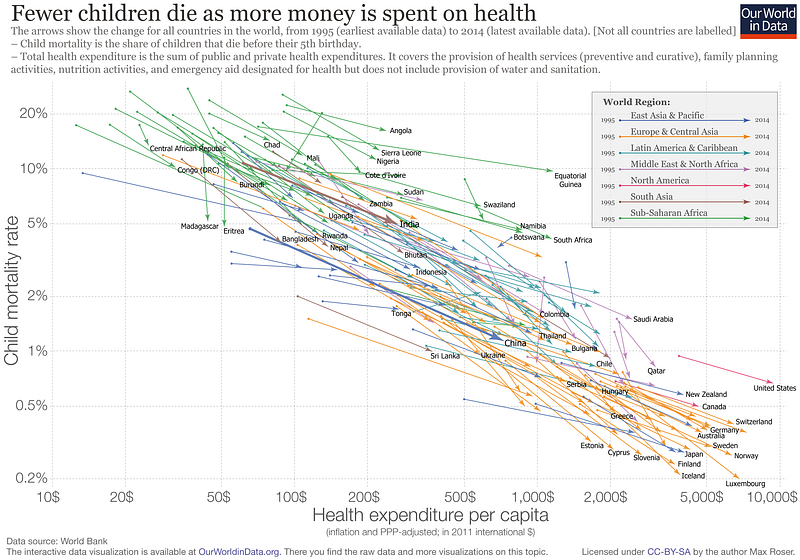
So, every time you buy medication from over-the-counter, use an antibacterial wash on yourself or your child’s wound, use running water from a tap to clean yourself or your child, get your child to wash their hands, go to the doctor and get a prescription to sort an ailment that you or your child is suffering from, remember that without those healthcare and hygiene innovations it is a high probability that you and your children would have died five or ten times over by now, if not more. If that’s not a privilege I don’t know what is.
Note: if you kept every other industry but took away the healthcare and hygiene ones, for the human race to survive there is a high probability we would have to revert to the gender norms of old. Men as the breadwinners, providing for their families, and women as the baby makers, trying to do all they can to get pregnant as many times as possible over their lives in the hopes that by some miracle two or three of the children they rear survive to adulthood.
So, if you ever wondered which were the two most important industries for the continued gender freedoms we all have, it is the healthcare and hygiene ones, because without those industries the majority of children would be expected to die rather than live.
Final words
It is so easy to see yourself in the modern world as a victim, a victim of circumstances, of being a citizen of a transitional generation, of having outdated instincts which are attuned to a world that no longer exists, so many things, but I prefer to see us all as creators, we are the generation that is laying the foundation for the new world. That is tasting all the freedoms of the new world.
We are the explorers, the Columbus’, the Francis Drake’s. All of us. Because everything that we have in the modern world is new and we are exploring it all together. And in my view, remembering the immense privileges we have over those who came before is a great way to remind yourself of that fact.
That’s all from me, thanks for reading! If you found this interesting you may also enjoy the following:
Not Spending Money Could Be Costing You Free Time
The Ten Craziest And Most Death-Defying Stage Acts Of All Time
And a few external reads you may find of interest:
The short history of global living conditions and why it matters that we know it
Global tourism hits record highs — but who goes where on holiday?
Global Health — Our World in Data
To learn more about me see this link, to support me click the link below:


