
PERSONAL ESSAY
F-Stops and False Starts: Confessions of an Art School Dropout
On finding focus, developing negatives, and other photography metaphors.
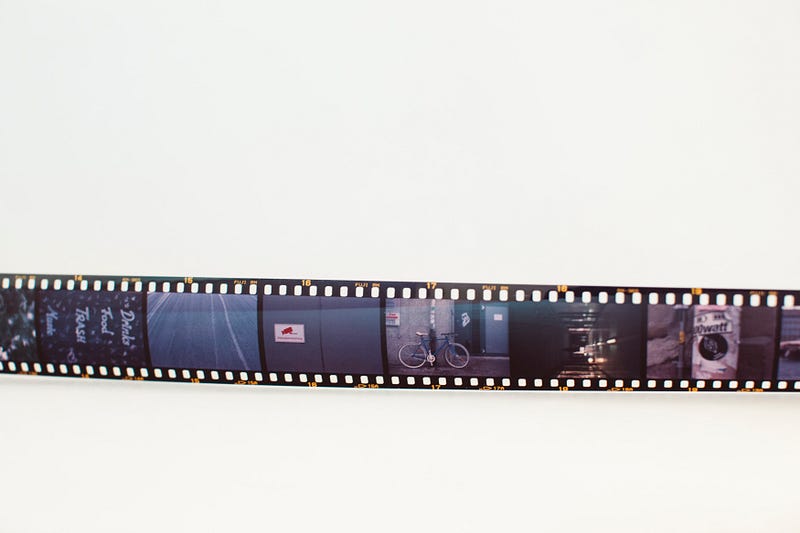
In high school, I likened myself to a regular Annie Leibovitz (eye roll). I had the whole “art kid” thing down pat and spent any free time (and also non-free time, sorry for skipping French class) in our school’s darkroom. So who needs to worry about the Pythagorean Theorem when you’ve mastered the rule of thirds?
Fast forward to college application season, and a handful of teachers wrote me letters of recommendation for art school. And I got into all of them. I thought I had cracked the code and found the ultimate life hack: who wouldn’t want to spend the next four years doing photography every day?
Spoiler alert: It was me. I did not.
In art school, I wasn’t the art kid — we all were. In art school, photography wasn’t an escape from studying for a history test — it was the test. My camera, once my escape, now felt like a 20-lb weight around my neck. I found myself itching for a creative outlet when fully submerged in mine. I was in over my head.
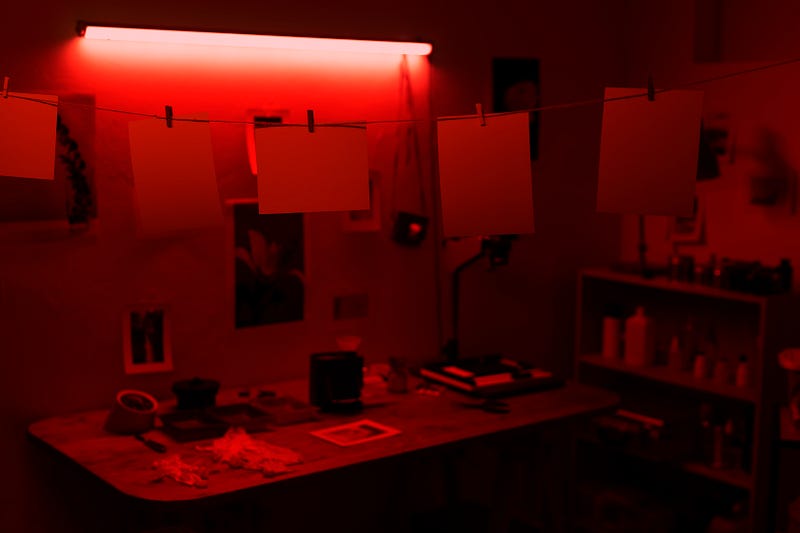
Growing up, the darkroom was my absolute favorite place. My grandpa had a darkroom studio in the house my mom grew up in, and I grew up on stories about it. So when I finally got “my own” in my high school photography room, It was a ritual. I looked forward to the red light, the chemical tang in the air, and even the timer ticking. I was excited about every opportunity to capture light and shadows, to turn the ordinary into the extraordinary.
But freshman year, the obligation to constantly produce creative content, the confines of academic structure, and the unrelenting scrutiny of professors started to turn a ritual I looked forward to into a chore.
The darkroom started to feel like just that — a dark room. The red light was ominous; the chemicals were harsh; the ticking timer bore away at my ears.
Discussions about photography used to be my love language, but now it felt more like a foreign language that I struggled to comprehend. Every portfolio critique and photo shoot seemed to highlight my growing discomfort. I was slowly losing my footing in a community that once felt like home.
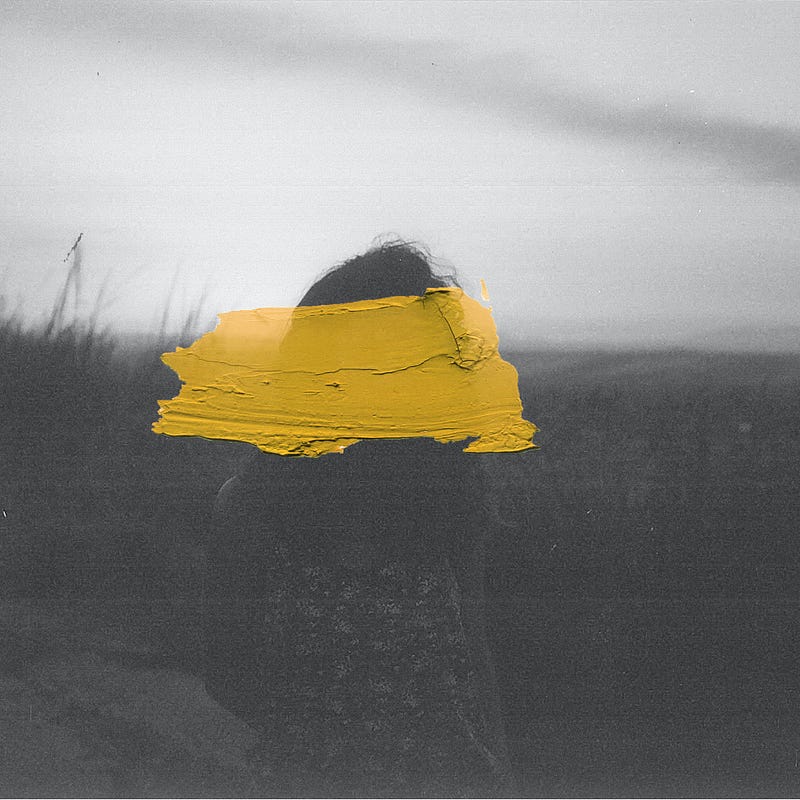
I started to question my fit in art school. I had always identified as a photographer, the art kid, so the idea of not being one anymore made me feel disconnected from my social circle. The more I tried to blend in, the more I felt out of sync. Did I truly belong here, or was I fooling myself all along?
And it wasn’t just how I identified myself — it was also how I communicated with myself, processed information, and translated my perspective into the rule of thirds in front of me. It was my outlet, my voice, like having a conversation with myself. So I was met with this paradox: the very thing causing my distress was the only way I knew how to express it.
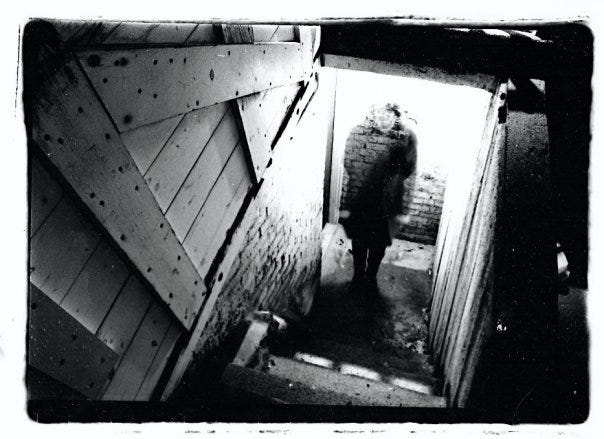
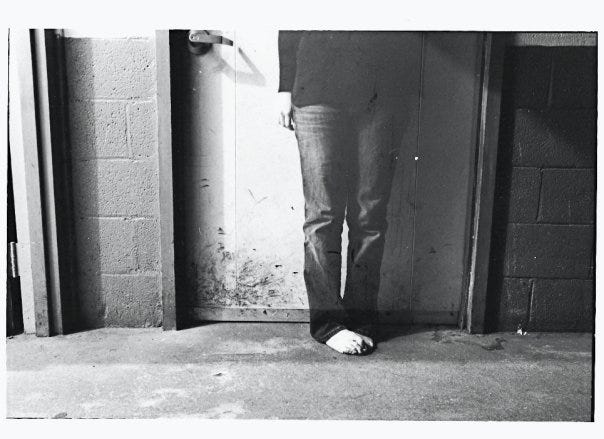
After working through this existential crisis alone, I told a friend about my potential decision. They reminded me that creativity isn’t a finite place or achievement; it’s the lens you see the world through. I had been so caught up in the idea that leaving art school meant leaving being an artist, but they helped me realize that art isn’t confined to a classroom or darkroom; it’s about how you see and interact with the world.
And besides, let’s be honest: what screams “art school kid” more than getting to say you’re an art school dropout? So I paid respects to the remaining pieces of my art school student persona and did just that.
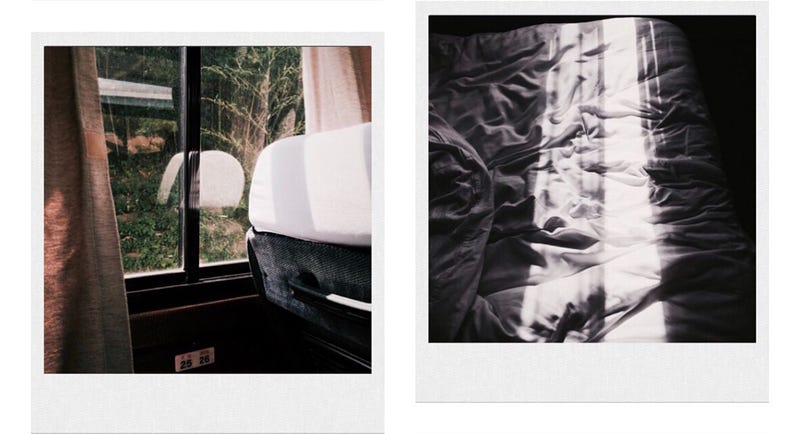
There’s a happy ending, though. It turned out I wasn’t quitting, giving up on myself, or becoming some poser sellout. Instead, I learned a thing or two about who I was.
- It’s okay to separate your love for art from the pressure of being defined by it.
- Critique weeks are just fundamental brain-friendly feedback skills in disguise. Knowing how to critique without crushing is a rare gem.
- An existential crisis at 18 makes for a great ice-breaker story — or blog article.
Because in the end, art school was like a light leak in a film roll — unexpected and hard to control but added a unique hue to what developed.


