Summary
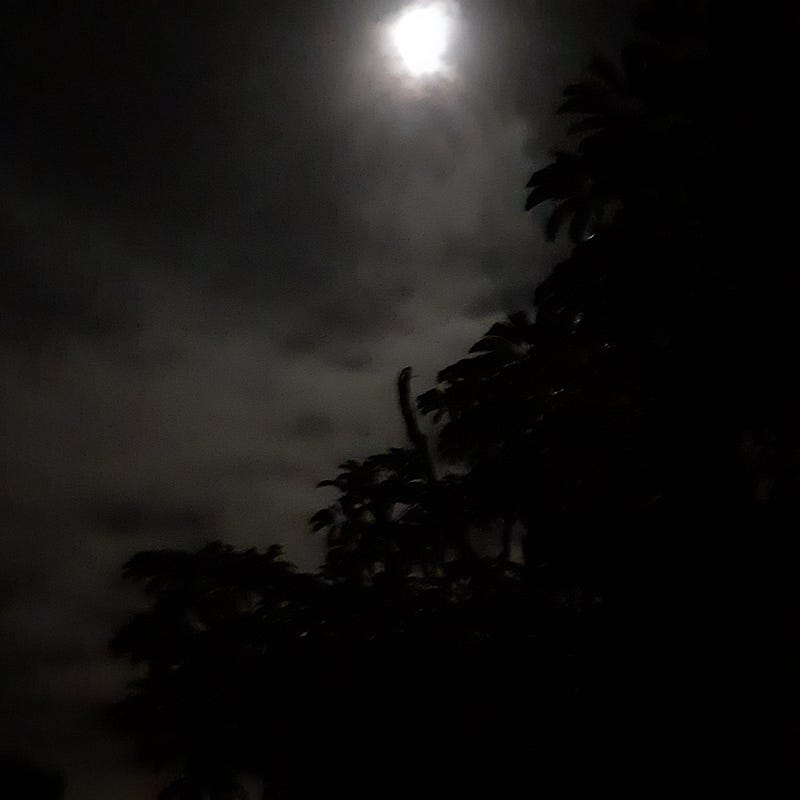
The text poetically describes the metaphorical significance of a beacon on a cliff, symbolizing hope and guidance amidst darkness and uncertainty.
Abstract
The passage evokes the image of a beacon on a cliff along the Pacific coast, suggesting it as a source of hope that harmonizes with the natural elements. It speaks to the beacon's power to dispel darkness, both in the form of literal fog and metaphorical life challenges. The text also likens the beacon to a candle capable of igniting warmth and light in a solitary space, emphasizing the transformative impact of even a small source of hope. The author concludes with a quote from Jorge Luis Borges, equating writing to a guided dream, which may imply that the text itself is a beacon guiding the reader through a contemplative journey.
Opinions
- The author believes in the power of hope, represented by the beacon, to overcome adversity.
- There is an appreciation for the interplay between natural elements and human constructs, such as the beacon, in creating a sense of peace and direction.
- The text suggests that even a modest light, like a candle, can have a profound effect on one's surroundings and emotional state.
- The inclusion of Borges' quote indicates the author's view on the profound and transformative nature of writing, akin to a dream that guides both the writer and the reader.