
True Crime: Writing
That Time I Was an Eyewitness
We see what we expect to see
I was just a girl. Mum stopped off at the milk bar on the way home for some bread or eggs or something.
You know milk bars? In Melbourne, they are what we call corner shops that sell groceries and snacks and papers. In New Zealand they are dairies — they have dufferent names for so many things over there, and their accent is what I’d call Irritable Vowel Syndrome — and in New York they are bodegas.
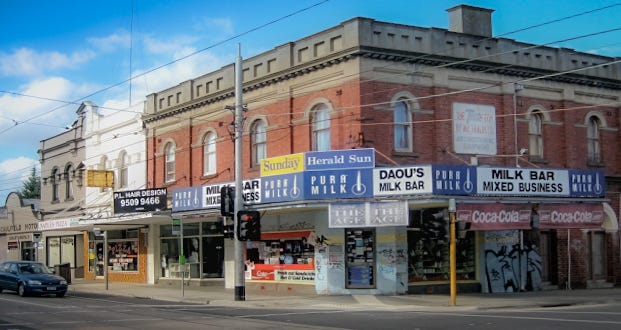
Anyway, she said she’d only be a second, and left me in the car parked on the street outside. Mum had parked the wrong way, just ducking across the street to save having to make a u-turn, or worse, a 3-pointer, so I was sitting in the passenger seat facing the driver of a car facing me.
She stared at me, and I stared at her. I would normally have looked away, but there was something about this young woman. She looked worried and nervous and on edge and her eyes had some inner demon behind them as she gazed into mine. It was kind of offputting, and kind of riveting.
She glanced away. There was a young man on the other side of the street doing something. I didn’t see what, but I saw him, and I saw their eyes meet, and he came over to her, got in, and she drove him away. She had to back up a bit to pull out, because Mum had parked a bit close, and I remember thinking that if Mum got back soonish, she could take advantage of the space to pull out herself without the chance of hitting anything.
He looked angry, and his girlfriend looked scared. Odd.
In case you haven’t picked it already, but Mum was a pretty woeful driver. Never seen anyone else tie their shoelaces while driving down Swanston Street in the middle of Melbourne. It’s not as if she kept one eye on the road, no she just told me to hold the wheel and her whole body disappeared under the dashboard.
Mum took her sweet time getting back. She ran into Mrs Stevens inside, and had a good old gossip, and she shared some of the less-juicy bits with me.
The next day
“Oh, did you hear about Mrs Stevens?” Mum asked when I got home the next day. “She had her car broken into at the shops yesterday. Someone went along all the parked cars, smashed their windows, and stole things off the seats. Handbags, cigarettes, books… She had to give a statement with everyone else, took her hours, and now she has to get her car window replaced, it will be three hundred dollars! Lucky they didn’t smash ours! You didn’t see anything, did you?”
“Hi, Mum! No,” I replied, thinking back.
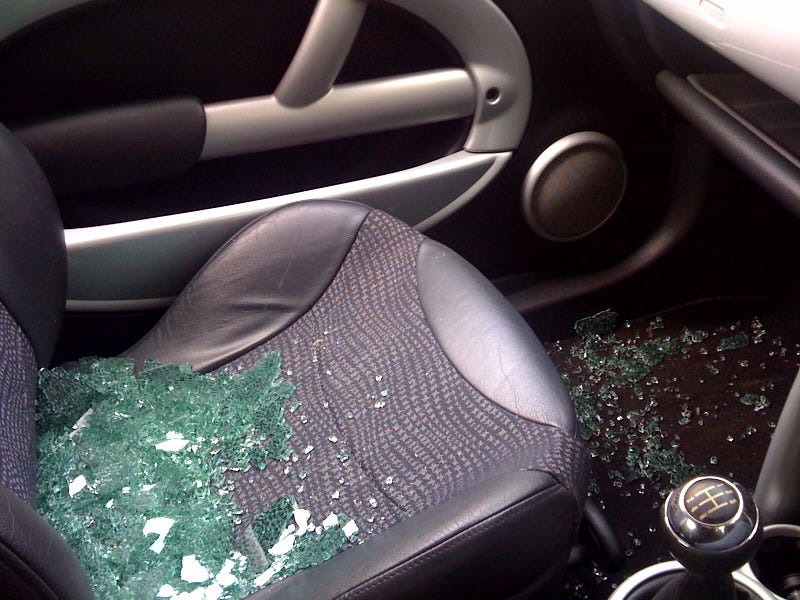
And I hadn’t, but I had. I just hadn’t noticed it, because I’d been busy looking at the wide brown eyes of a scared young woman a couple of metres away while her boyfriend had calmly walked along with a hammer and stolen things out of cars in my plain sight.
I hadn’t expected to see anything like that, and so I hadn’t.
So what brings this to mind, Britni?
I’ve been enjoying remarkable success with a story of mine, and I gave it a motherly read this morning. Just to gloat a little, I guess. It’s earnt me about $450, and that’s a record for me on Medium. Like about a hundred times better than any other story I’ve written here.
And, do you know, I spotted a couple of typos! I had spelled San Francisco as “San Fransisco”, and I had gotten a verb tense wrong. I must have read that story dozens of times — I really like it, and I snuck a few jokes in, and readers had highlighted my best sentences and I love being appreciated like that — and never seen what was there in plain sight.
I know how to spell San Francisco! I love that city! I’d never get the name wrong!
But I had, and I quickly fixed it before anybody came along and rudely highlighted it, the way I do when I see a typo in someone else’s writing.
Thinking about Black Lives Matter
We see what we want to see.
America is suffering right now. The pandemic, the police racism, the incompetent regime, the recession. People are marching in the streets, all upset and angry, and it’s because they say that they have had the short end of the stick for hundreds of years.
They have, of course. It’s right there in plain sight. Who does all the menial work, who are under-represented in government and over-represented in prison? Who gets shot and killed for things that white people boast about?
It’s true! Black children get killed by cops for playing Cowboys and Indians with a plastic gun, but a couple of homeowners in a gated community can point an assault rifle at some peaceful protestors, and half the country thinks they did the right thing!
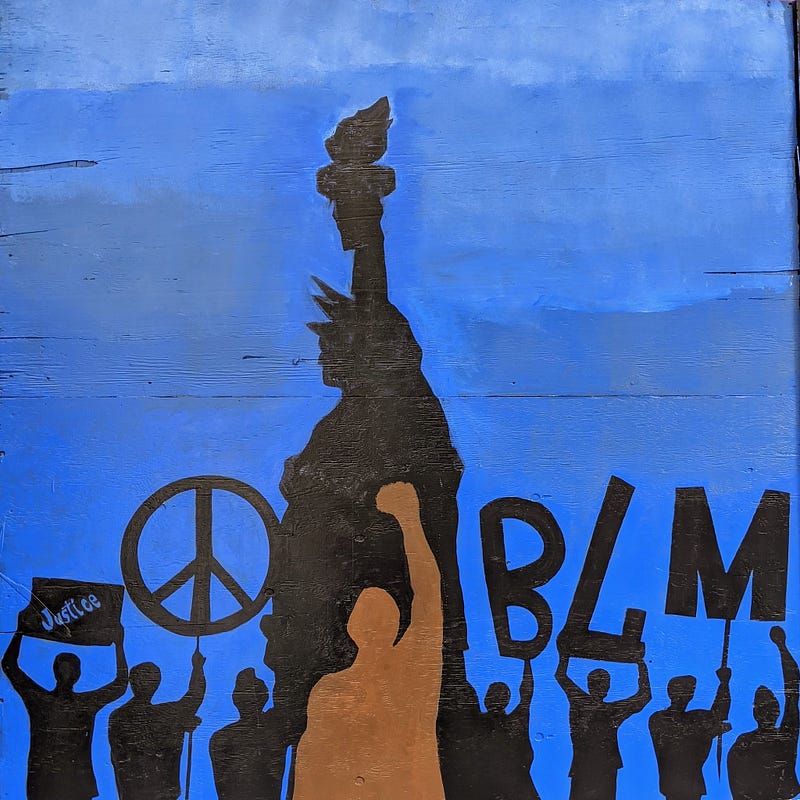
The same people think that they live in a land of freedom and equality and high regard for human rights. They just don’t see the inequality in plain sight. They think that if they get stopped by the cops, it’s because they were speeding or did something wrong, and they might get a ticket.
They don’t think, “This might be the day I die.”
They don’t think, there’s a high chance of being beaten up and spending the night in jail, and getting a record and having their car seized.
They don’t think the two guys who are dressed like stormtroopers might send 50 000 volts through their body if they are too slow to reach for their papers. Or too quick.
They don’t have to deal with these things on a daily basis.
So why don’t they vote for change?
America’s a democracy, right?
In my eyes, that’s debatable. Here in Australia when there’s an election, everybody votes. You actually get fined if your name hasn’t been crossed off the roll. Of course, hardly anybody pays the fine, because even the most transparent lie is accepted as an excuse, but people turn up to vote because it’s less trouble, and you get to have a say.
We vote on Saturdays, pre-poll voting extends for a couple of weeks before the date, you can vote absentee anywhere in Australia, and postal voting is easy. There’s no need to show ID, and electoral fraud is negligible.
There’s an independent commission to draw up electorate boundaries based on geography, not voting records. Voting is through paper ballots, which are scrutinised by the candidates’ appointed representatives when they are counted.
In America, not so much. The idea seems to be that it’s a good thing to make it as hard as possible for those on the bottom rungs of society to have their say.
I don’t like the riots, but…
If there is one good thing to come out of Don Trump’s time in the White House, it will be that he has sparked public conversations about things that most Americans simply don’t regard as important.
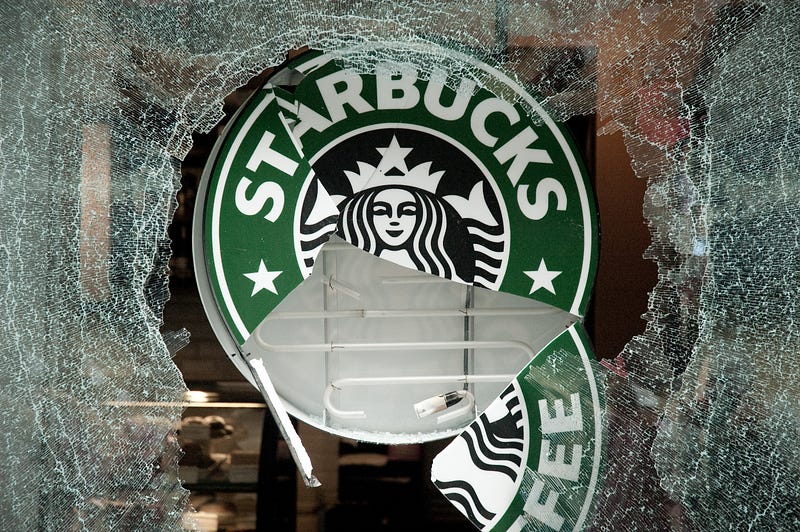
And, in case you were wondering why the poorest, worst-educated, least socially adept layers of White America support the millionaire Don Trump so strongly, it’s not that they see him as making their lives any better.
It‘s because he is preserving their position of one or two levels up the social ladder. So long as there are BIPOC Americans and people like Don Trump in power, poor white Americans will always have someone to look down on.
People talk about things “getting back to normal”. Well, from my point of view, and from the view of a huge chunk of America’s citizens, that’s not a good thing.
American society needs a good shake-up, and there are two ways these things can go. Just ask King George III.
But he didn’t see it either.
Britni
More shattered dreams:


