avatarMike Sansone

Free AI web copilot to create summaries, insights and extended knowledge, download it at here

1332

Abstract

back to the article refocused.</li></ol><p id="b1f9">Maybe you're asking what an "eye rest" is and if you can get a coffee and a doughnut, right? Let me give a few examples of eye rests.</p><h2 id="6918">What's an Eye Rest?</h2><ul><li><b>Photo(s)</b> — Photos are great for breaking up a story and retaining a reader's interest. The USA Today was great at this when newspapers were a thing.</li><li><b>Bullet Points or Numbered Lists</b>— These can be a numbered list like we saw above or just bullet points like this list.</li><li><b>Bold text </b>— When you want to make a strong point or even something you think might get highlighted. The hope here is to <b>slow the reader</b> <b>down</b> just a bit.</li><li><b>Quotes</b> — A quote with a larger text and indented can be like a photo, but it's brain candy rather than eye candy. (<i>See quote below</i>)</li><li><b>Short Paragraph</b> — I've seen some seven or eight-line paragraphs. It might have got you an A+ in school, but readers these days will turn to the next article.</li><li><b>A Stand-Alone question — </b>These are one—line paragraphs asking your reader a question. Perhaps a point-to-ponder.</li><li><b>A Section Break or Subheading </b>— A subtle eye rest, but helpful.</li><li><b>A Relative Link Out</b>— Some publishers don't allow this, but as a reader, I li

Options

ke it when the author links back to relevant articles or even to someone else's work on Medium.</li></ul><p id="f14a" type="7">“A quote can be like a photo, but it’s brain candy rather than eye candy.” — Mike Sansone</p><p id="f08e">All of the above will slow down a scroll, give the reader a chance for their eyes to catch up to their brain, or vice-versa, and make your work easier to digest.</p><p id="a63d">Thank you for reading. Leave a<a href="https://readmedium.com/41-claps-for-consistency-and-effort-0f6c6bb0fa78"> clap or 41</a> if you'd like. Responses are always answered with thought behind them. You can also subscribe whenever an article is published:</p><div id="ce4a" class="link-block"> <a href="https://medium.com/@michaelsansone/subscribe"> <div> <div> <h2>Get an email whenever Mike Sansone publishes.</h2> <div><h3>Get an email whenever Mike Sansone publishes. By signing up, you will create a Medium account if you don't already have…</h3></div> <div><p>medium.com</p></div> </div> <div> <div style="background-image: url(https://miro.readmedium.com/v2/resize:fit:320/0*fNl8uvgbft7Qz8TS)"></div> </div> </div> </a> </div></article></body>

Eye Rests: Slow Down The Scroll

Write with eye rests to slow the reader skimming
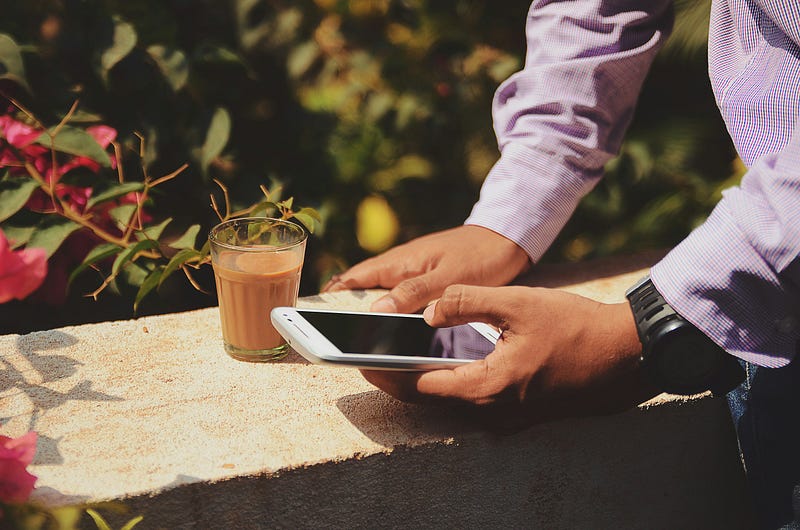
Photo by Rohit Tandon on Unsplash

There's a parallel path I want you to see—a similarity between driving on a freeway and how your articles get read.

When taking a long road trip on a highway, I like a road with plenty of rest stops or places to pull off for various reasons.

Many of these exits will have a place to grab a bite, gas up the car, or even nap. A rest stop helps us in a variety of ways:

  1. take a break to stretch our legs,
  2. slow things down a bit to pace ourselves, and
  3. get back on the road refocused.

When reading a four-to-eleven-minute article, I like a piece that has plenty of "eye rests" for my eyes to catch a break in various ways:

  1. have things change up to stretch my eyes,
  2. slow down my scrolling a bit so I can understand what I'm reading, and
  3. get back to the article refocused.

Maybe you're asking what an "eye rest" is and if you can get a coffee and a doughnut, right? Let me give a few examples of eye rests.

What's an Eye Rest?

  • Photo(s) — Photos are great for breaking up a story and retaining a reader's interest. The USA Today was great at this when newspapers were a thing.
  • Bullet Points or Numbered Lists— These can be a numbered list like we saw above or just bullet points like this list.
  • Bold text — When you want to make a strong point or even something you think might get highlighted. The hope here is to slow the reader down just a bit.
  • Quotes — A quote with a larger text and indented can be like a photo, but it's brain candy rather than eye candy. (See quote below)
  • Short Paragraph — I've seen some seven or eight-line paragraphs. It might have got you an A+ in school, but readers these days will turn to the next article.
  • A Stand-Alone question — These are one—line paragraphs asking your reader a question. Perhaps a point-to-ponder.
  • A Section Break or Subheading — A subtle eye rest, but helpful.
  • A Relative Link Out— Some publishers don't allow this, but as a reader, I like it when the author links back to relevant articles or even to someone else's work on Medium.

“A quote can be like a photo, but it’s brain candy rather than eye candy.” — Mike Sansone

All of the above will slow down a scroll, give the reader a chance for their eyes to catch up to their brain, or vice-versa, and make your work easier to digest.

Thank you for reading. Leave a clap or 41 if you'd like. Responses are always answered with thought behind them. You can also subscribe whenever an article is published:

Writing Tips
Writing On Medium
User Experience
Practice In Public
Readership
Recommended from ReadMedium